If you live where summer feels like it lasts nine months, think Phoenix, Las Vegas, Houston, South Florida, choosing the best electric car for a hot climate isn’t just about range and price. Heat is one of the biggest long‑term stressors on EV batteries, and the wrong choice can cost you range, charging speed, and resale value. The good news: modern EVs are much better at managing heat than early models, and if you know what to look for, you can confidently buy new or used.
Quick reality check on EVs and heat
Why hot climates are tough on EVs
Lithium‑ion batteries are happiest in a fairly narrow temperature band, roughly the mid‑60s to mid‑80s °F. When you park an EV in the sun on a 105°F day, the pack can sit well above that comfort zone for hours. Over years of use, that elevated temperature speeds up the chemical reactions inside the cells, which can mean faster capacity loss and more noticeable range fade.
- High heat accelerates battery degradation, especially when combined with frequent fast charging and high states of charge (90–100%).
- Cabin air conditioning has to work harder, which increases energy use and can trim real‑world range on the hottest days.
- Fast charging in high ambient temperatures may be throttled by the car to protect the pack, so you might not always see the headline kW numbers on the charger.
- Tires run hotter, and low tire pressure plus heat can hurt efficiency and increase wear.
Heat plus high charge levels is the real enemy
Key features that make an electric car good in hot climates
Instead of hunting for a single "perfect" model, think in terms of features. The best EV for hot climates is the one that pairs a robust thermal system with the way you drive and charge.
Hot‑climate must‑have EV features
If you check these boxes, you’re already ahead of most buyers.
Liquid‑cooled battery
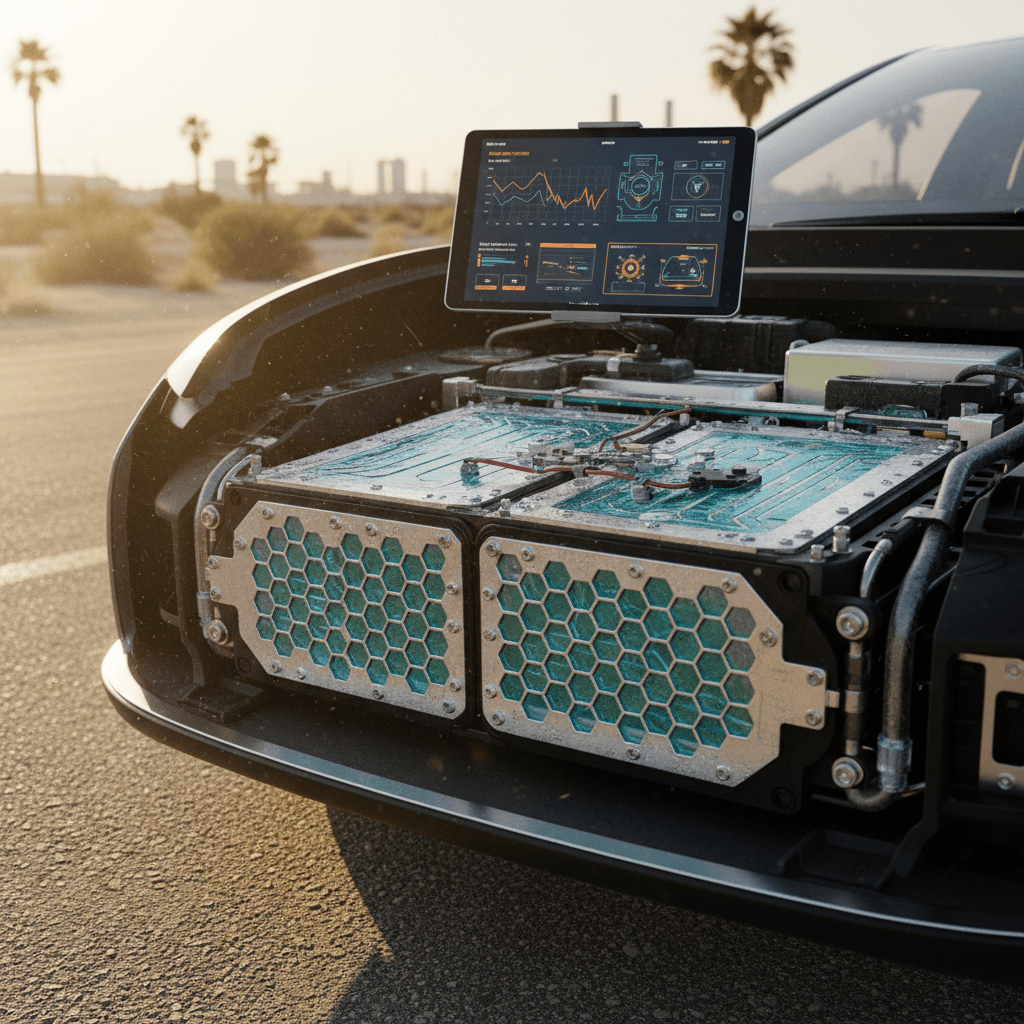
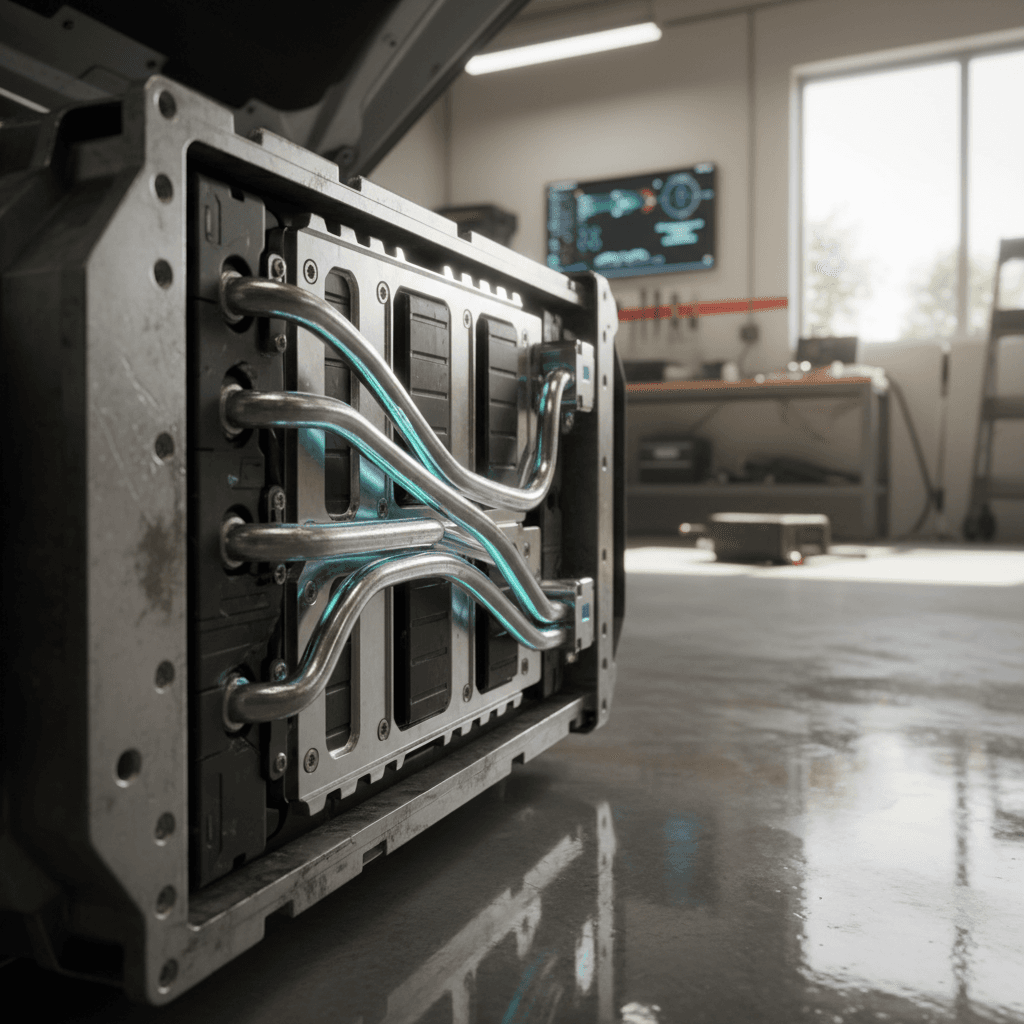
Look for an EV with an active, liquid‑cooled battery pack. A dedicated coolant loop can pull heat out of the cells during driving and fast charging, and in many models it can pre‑condition the pack before you plug in.
Integrated thermal management
Modern EVs share one thermal system between the battery, power electronics, and cabin HVAC. Smarter control software can prioritize cooling where it’s needed most and avoid overheating during back‑to‑back DC fast charges.
Efficient climate control
Heat‑pump or high‑efficiency AC systems cool the cabin quickly without a huge hit to range. Remote pre‑cooling while plugged in is a big bonus in very hot regions.
Nice‑to‑have hot‑climate features
These aren’t mandatory, but they make ownership easier in extreme heat.
Deep window tint & glass
Factory or dealer‑installed tint, insulated glass, and panoramic roofs with proper shading reduce solar load and how hard the AC must work.
Conservative fast‑charge curve
Some EVs aggressively chase top charging speeds, then quickly throttle when hot. Others maintain stable charging rates in heat, which is more useful on real road trips.
Modern battery chemistry
Newer packs, especially well‑managed NMC and updated LFP designs, tend to be more tolerant of temperature extremes than first‑generation EV batteries.
How to spot a good thermal system on paper
Best electric cars for hot climates in 2026
Heat tolerance isn’t usually a marketing bullet point, so instead of pretending there’s a single champ, it’s more honest, and more useful, to group EVs by how well their hardware and software tend to behave in high temperatures. Below are categories that consistently perform well in hot‑weather owner reports and technical reviews.
EV characteristics that shine in hot climates
Use this as a lens when you compare specific models at a dealer or online marketplace.
| Category | What to look for | Why it helps in heat | Example models (2024–2026) |
|---|---|---|---|
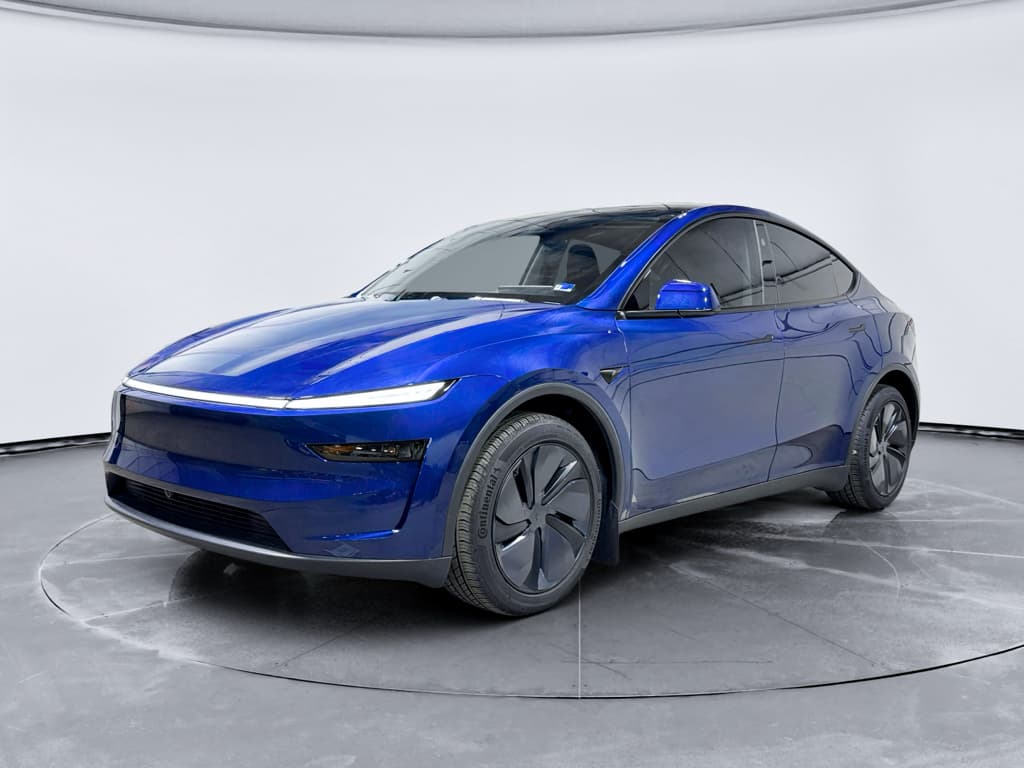
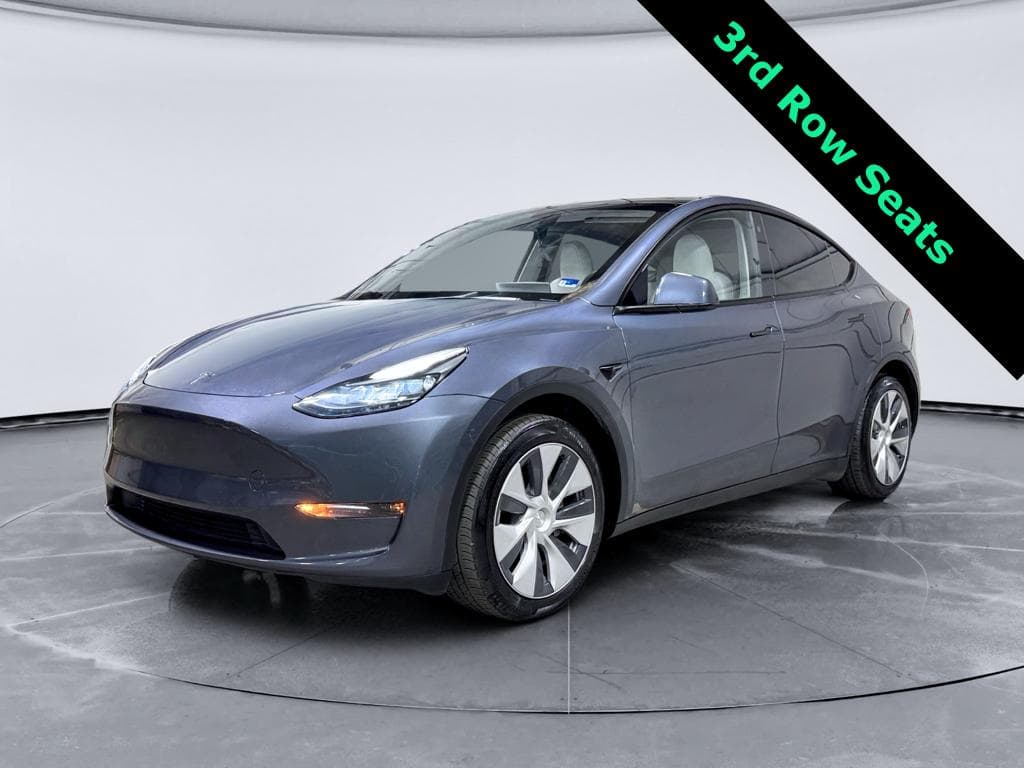
| Thermal‑optimized crossovers | Integrated battery/cabin thermal systems, pre‑conditioning, strong AC | Manages pack and cabin temps together so you keep range and comfort | Tesla Model Y, Hyundai Ioniq 5/6, Kia EV6 |
| Adventure & tow‑ready EVs | Oversized cooling, robust pack conditioning, desert/off‑road testing | Built for heavy loads and hot environments; less likely to throttle quickly | Rivian R1T/R1S, Ford F‑150 Lightning (later builds) |
| 800‑V platform EVs | High‑voltage architecture, sophisticated cooling, consistent fast‑charge curves | Higher voltage reduces current for the same power, easing thermal stress during DC fast charging | Hyundai/Kia E‑GMP vehicles, Porsche Taycan, Audi Q6 e‑tron |
| Efficient luxury EVs | Low drag, efficient climate control, advanced thermal logic | Aerodynamics and smart HVAC reduce how hard the system works in heat | Mercedes‑Benz EQE/EQS, BMW i5/i4 |
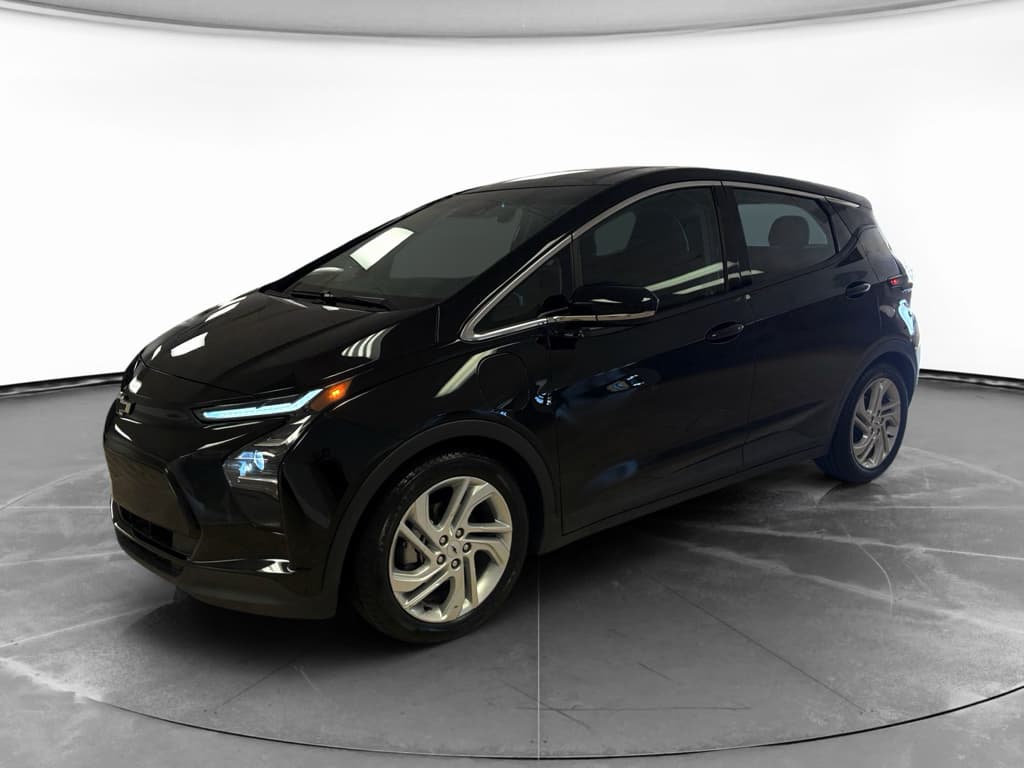
| Mainstream next‑gen compacts | Liquid‑cooled packs, NACS or CCS fast‑charge, updated cell chemistry | Newer generation chemistries are generally more heat‑resilient than 2010s EVs | Latest Nissan Leaf, Chevy Equinox EV, VW ID.4 refresh |
Representative examples only; always confirm specs and real‑world behavior for the exact year and trim you’re considering.
What this means for you
Buying a used EV for a hot climate: what to watch for
Hot‑climate shoppers need to be a little more careful in the used EV market. Two cars that look identical on the lot can have very different battery histories if one spent years baking in a Phoenix parking lot and fast‑charging daily.
Hot‑climate used EV checklist
1. Prioritize liquid‑cooled packs
Avoid used EVs that rely only on passive or air cooling for the main battery, especially if they’ve lived in hot regions. Active liquid cooling is much better at managing cell temperatures during long, hot afternoons and fast charging.
2. Ask where the car spent its life
A car coming from coastal Oregon will likely have a different battery story than one coming from Las Vegas. Ask for registration history and look at the Carfax or similar reports for state and mileage patterns.
3. Get a battery health report
A generic range estimate on the dash isn’t enough. With Recharged, every vehicle includes a Recharged Score battery health report so you can see how the pack is actually performing versus what it did when new.
4. Review fast‑charging habits
Lots of DC fast‑charging isn’t automatically bad, but in very hot regions frequent high‑power sessions can add extra stress. When possible, look for vehicles whose owners mostly charged at home or work on Level 2.
5. Inspect tires and brakes
Heat and heavy regen can be hard on tires and braking components. Uneven wear or heat‑stressed tires can hint at aggressive driving in hot weather, which often goes hand‑in‑hand with harder use of the battery.
6. Factor in warranty coverage
If you’re shopping for a relatively new used EV, see how much of the original battery warranty remains. That can provide an extra safety net if the pack was stressed by years of high‑heat driving.
How Recharged helps hot‑climate buyers
Charging your EV in extreme heat
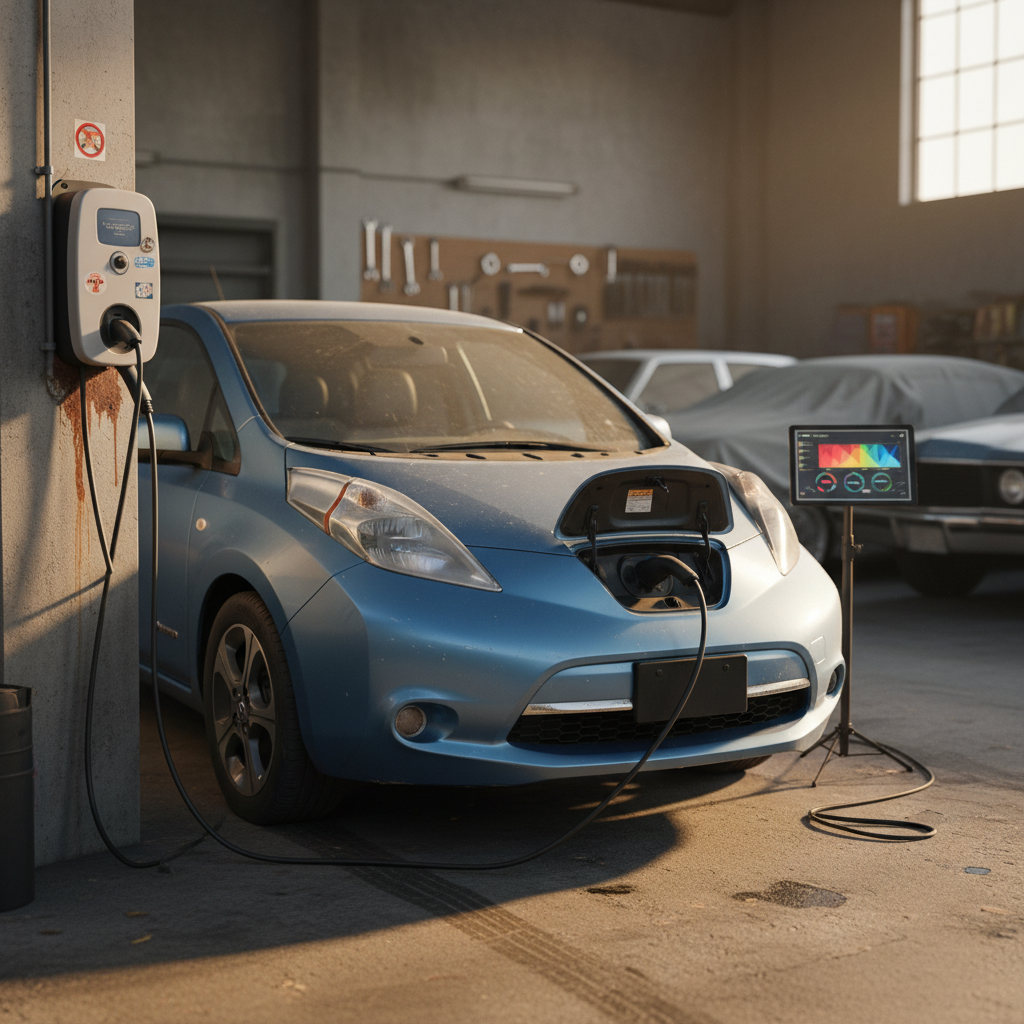
Fast charging an EV battery that’s already hot from highway driving on a 105°F afternoon is like filling a hot saucepan with cold water: there’s a lot of thermal stress. Modern cars will protect themselves by slowing charge speeds if temperatures rise too high, but your habits can make a big difference.
- Whenever possible, charge at night or early morning when pavement and air temperatures have dropped.
- Use covered or indoor stations when you have a choice; shade helps both you and your battery.
- Avoid stacking multiple maximum‑power DC fast‑charge sessions back‑to‑back in extreme heat unless a trip requires it.
- On road trips, leave some buffer in your schedule. Hot‑soaked packs may charge more slowly than the advertised peak speeds.
- If your EV supports it, use battery pre‑conditioning on the way to a fast charger so the pack reaches its ideal temperature as you plug in, not after you’ve already started charging.
Don’t fight the car’s safeguards
Daily driving tips for EVs in hot weather
Once you’ve chosen a heat‑friendly EV, day‑to‑day habits will determine how happy you are with range and battery life through many summers.
Protect range and comfort
- Pre‑cool while plugged in: Use your app to cool the cabin before you leave, especially if your car sits outside. That draws energy from the grid instead of your battery.
- Park smart: Shade, garages, and carports dramatically cut cabin and pack temperatures. A simple sunshade and cracked windows can help, too, where it’s safe.
- Use cabin settings wisely: Auto climate mode, moderate fan speeds, and not setting the thermostat to “full arctic” all reduce energy use while keeping you comfortable.
Be kind to the battery
- Aim for 20–80% most days: That state‑of‑charge window is a sweet spot for long‑term health, especially in hotter regions.
- Don’t leave it full in the sun: If you must charge to 100% for a trip, time it so you depart soon after instead of letting the car sit at full charge all afternoon.
- Watch your tires: Proper tire pressure matters more in hot weather. Underinflated tires get hotter and steal range.
Eco modes actually help in heat
Best EV types for different hot-climate drivers
“Best” looks different if you’re a suburban commuter in Austin versus a contractor towing in Nevada. Here’s how hot‑climate priorities shift by use case.
Match your EV to your hot‑weather lifestyle
Urban & suburban commuters
Prioritize efficient crossovers or hatchbacks with strong AC and a liquid‑cooled pack over big, heavy SUVs.
Look for remote pre‑cooling and scheduled charging so your car is ready each morning without sitting full in the sun.
Home Level 2 charging under a carport or in a garage will be easier on the battery than relying solely on DC fast chargers.
Road‑trippers in the Sun Belt
Choose models with proven fast‑charging performance in hot conditions and robust thermal management.
Plan routes around shaded or indoor fast‑charge locations when possible, and aim for cooler hours of the day for long legs.
Use battery pre‑conditioning and don’t be afraid to slow down 5–10 mph; aero drag plus heat is a range killer.
Trucks, towing, and adventure drivers
Favor EV trucks and SUVs that emphasize cooling capacity and towing in their engineering, not just peak horsepower numbers.
Expect more range loss in heat when towing; size your battery and charging plan with a healthy buffer.
If you routinely tow in hot weather, battery health reporting, like the Recharged Score on used trucks, becomes even more important.
Budget‑focused buyers
Look for slightly older but well‑cooled EVs with documented battery health, rather than chasing the absolute lowest price.
Factor in any remaining battery warranty; it can be worth paying a bit more for coverage through your hottest years.
Buying digitally from a platform like Recharged lets you compare multiple candidates’ battery scores side‑by‑side instead of guessing from a dashboard estimate.
FAQ: Best electric car for hot climates
Frequently asked questions about EVs in hot climates
The bottom line on the best EVs for hot climates
If you’re shopping for the best electric car for a hot climate, your real goal isn’t a magical desert‑proof model, it’s a well‑engineered EV paired with smart charging and parking habits. Start by insisting on a liquid‑cooled battery and modern thermal management, then layer in efficient climate control, solid real‑world fast‑charging behavior, and a body style that fits how you actually drive.
From there, decide whether you want a nimble crossover, a long‑legged road‑trip machine, or a work‑ready truck, and let features, not hype, guide your choice. And if you’re leaning toward a used EV, platforms like Recharged can take a lot of the uncertainty out of hot‑climate shopping with verified battery health data, transparent pricing, and EV‑specialist support from first click to delivery. That way, the only thing running hot next summer is the pavement, not your battery.