If you’ve just moved into the electric world, it’s natural to wonder how to clean an electric car properly. There’s a high‑voltage battery in the floor, sensors everywhere, and giant touchscreens, so the old “hose, dish soap, and a random sponge” routine can cause real damage if you’re not careful.
Good news
Why cleaning an electric car is a bit different
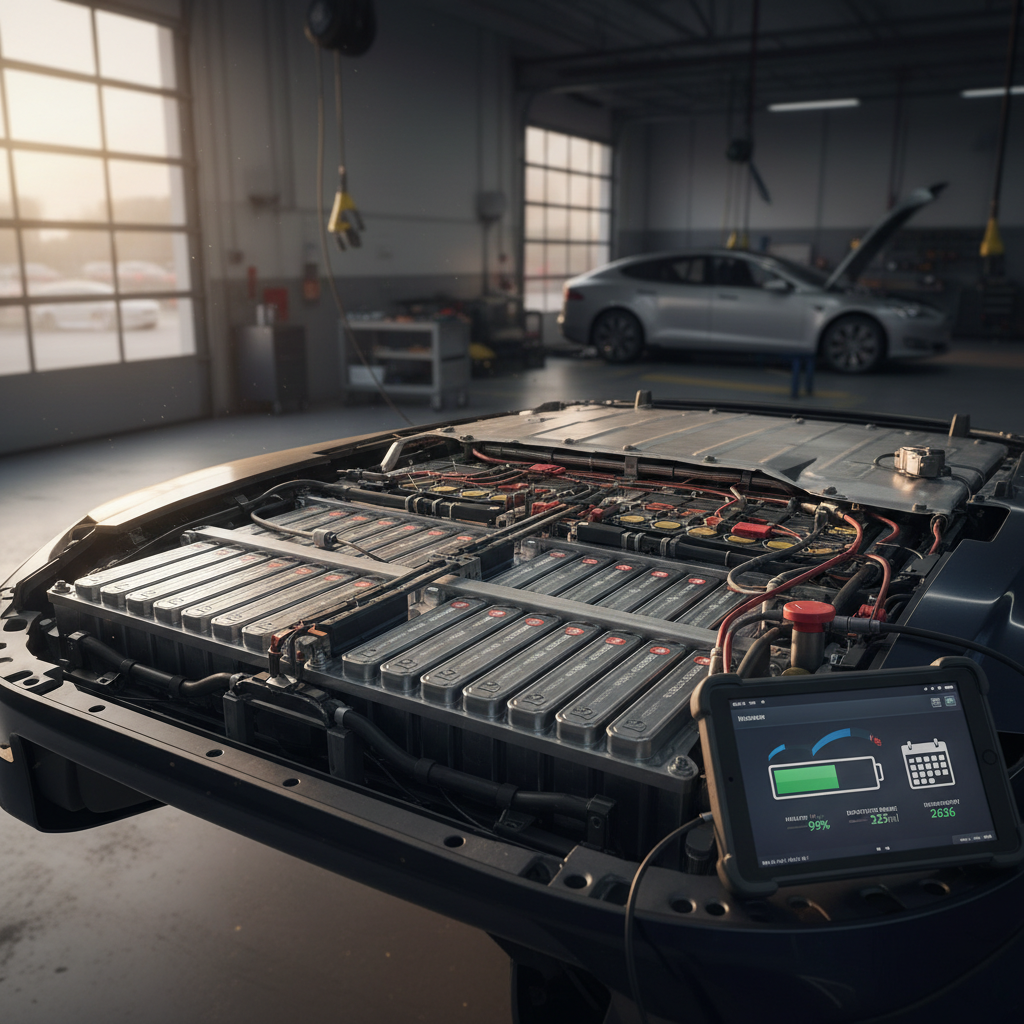
Mechanically, washing an EV is similar to washing a gas car, but there are three big differences: the high‑voltage battery and underbody, lots of exterior sensors and cameras, and more delicate interior materials like vegan leather and massive touchscreens. Clean them correctly, and you’ll keep range, safety tech, and resale value in good shape.
EV vs gas car cleaning: what actually changes?
Three areas where you need to tweak your old routine
High‑voltage battery & underbody
Sensors, cameras & charge port
Screens & soft surfaces
EV‑safe cleaning products & tools checklist
EV washing rules of thumb
Build an EV‑safe cleaning kit
1. Mild, pH‑balanced car shampoo
Choose a dedicated automotive shampoo labeled pH‑balanced or neutral. Avoid household detergents, degreasers, and high‑pH truck soaps that can stain trim or cloud headlights.
2. Two buckets & quality wash mitts
Use the two‑bucket method (one for soapy water, one for rinsing) with high‑quality microfiber mitts. Skip rough sponges and old bath towels that create swirl marks.
3. Microfiber towels for drying & interior
Keep separate microfiber towels for paint, glass, and interior surfaces. Color‑coding helps you avoid dragging wheel grime across your clear coat.
4. Wheel & tire brushes
Soft wheel brushes and a dedicated tire brush let you scrub brake dust and road grime without scratching EV‑style aero covers or painted wheels.
5. Interior cleaners for modern materials
Use non‑detergent or pH‑balanced interior cleaners safe for vegan leather, soft‑touch plastics, and Alcantara. Avoid bleach, ammonia, and strong solvents.
6. Screen‑safe glass cleaner
For touchscreens and digital clusters, use a screen‑safe cleaner or distilled water with a microfiber cloth, never household glass cleaner with ammonia.
How to wash an electric car exterior properly
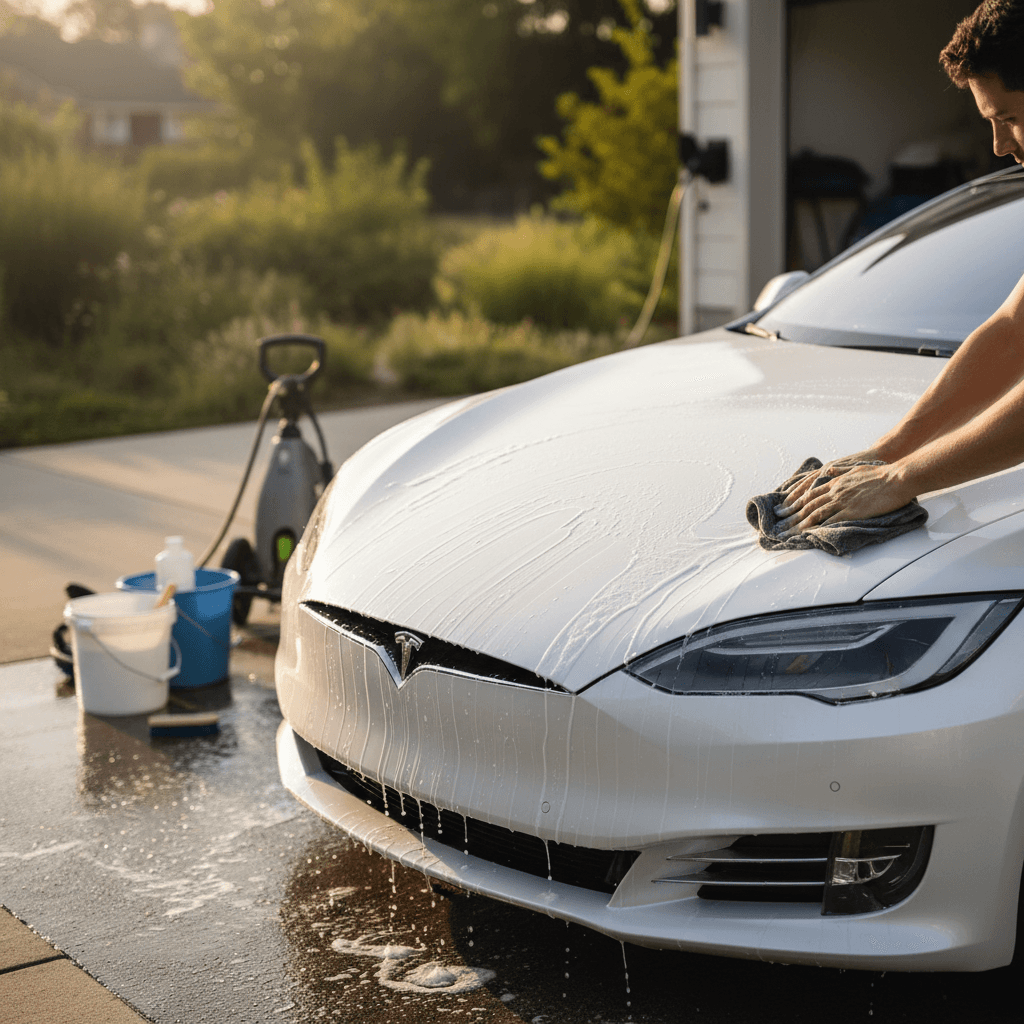
You can absolutely hand‑wash an EV at home. The goal is to remove dirt, road salt, and bugs without driving water into seals or sandpapering your clear coat with gritty mitts.
- Park in the shade, unplug, and close everything. Make sure the car is not charging, close all doors, frunk, trunk, and the charge port. If your EV has a Car Wash Mode (Tesla, Hyundai, others), enable it now to lock the charge port and disable wipers and sensors.
- Pre‑rinse from top to bottom. Use a hose or pressure washer at least 12 in (30 cm) away from the paint. Rinse off loose dirt so you’re not grinding it into the clear coat.
- Wash wheels and tires first. Wheels are the dirtiest part of any EV. Clean them with dedicated brushes and wheel cleaner before you touch the paint, then rinse thoroughly.
- Use the two‑bucket method on the body. Fill one bucket with soapy water and another with clean rinse water. Dunk the mitt in soap, wash a small section, rinse in the clean bucket, repeat. Always work top‑down.
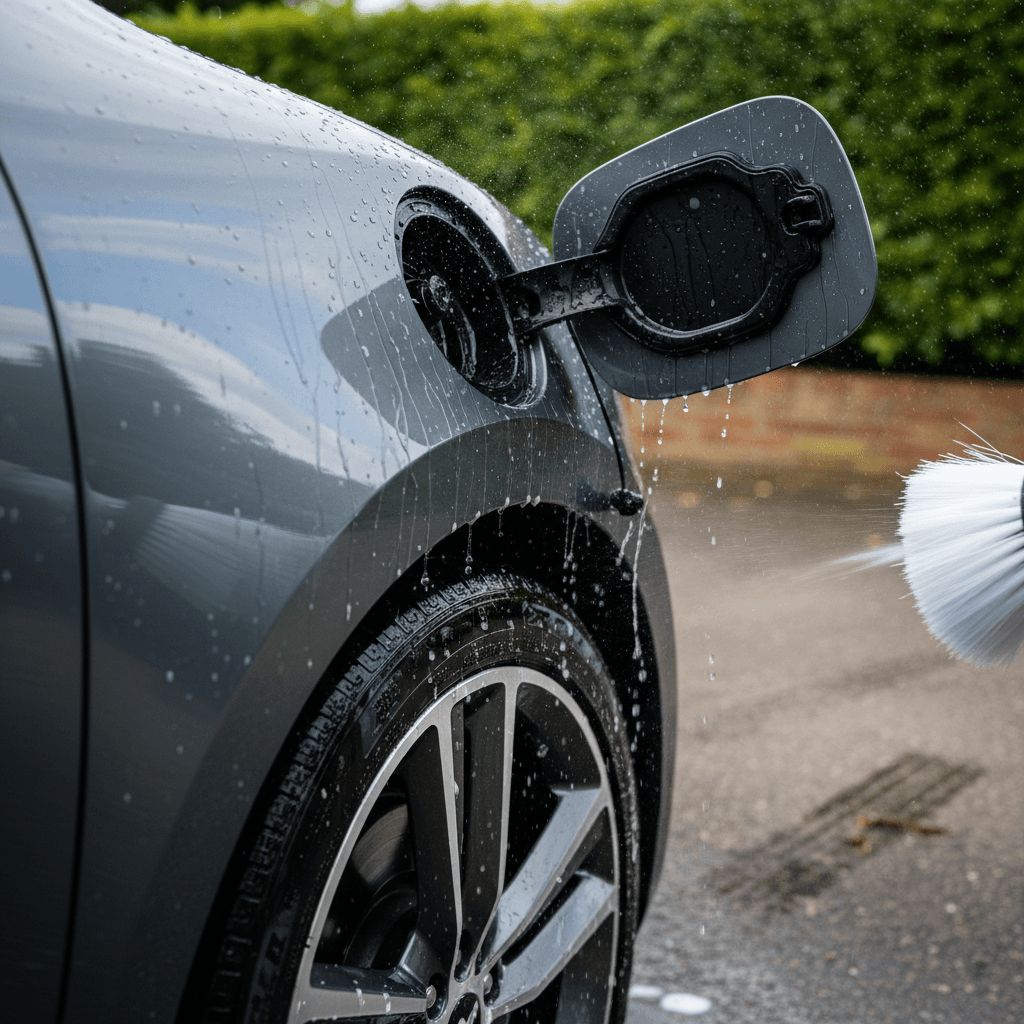
- Be gentle around charge port, seals, and cameras. Don’t blast high‑pressure water directly into the charge port door, sensor housings, or around headlight and taillight edges, let water fall across these areas instead.
- Rinse thoroughly and dry. Rinse from top to bottom, then dry with clean microfiber drying towels or a soft waffle‑weave towel. Blow out mirrors and crevices with low‑pressure air if you have it.
- Finish with protection. A modern spray sealant or ceramic detailer can add gloss and make future washes easier. Many are safe on wraps and PPF, just check the label.
Quick winter EV wash tip
Can you use an automatic car wash with an EV?
Most electric cars can go through automatic car washes, but there are important caveats. Automakers like Tesla explicitly recommend touchless car washes and warn that damage from brushes or harsh soaps may not be covered under warranty. Always check your owner’s manual first, then decide how much risk you’re comfortable with.
When an automatic wash is reasonable
- Touchless only: Uses high‑pressure water and chemicals instead of brushes that can mar soft clear coats, wraps, or PPF.
- Manual prep: You’ve checked that pH of soaps is within safe range (most automakers warn against soaps above about pH 13).
- Correct settings: You’ve enabled Car Wash Mode or neutral/Free Roll, disabled auto wipers, and confirmed the charge port is locked.
When to avoid automatic washes
- Brush tunnels: Recycled brushes can trap grit that chews up soft paint and black trims found on many EVs.
- Aggressive chemicals: Truck or fleet washes often use very alkaline soaps that can discolor plastic trim and coatings.
- Big wheels & tight tracks: Wide performance tires and aero covers may not fit safely in older conveyor tracks, ask before you pay.
Always enable Car Wash Mode
Safe pressure washing & underbody cleaning for EVs
Pressure washers are fine for electric cars when you respect distance and angles. The underbody of an EV is sealed, but it’s not designed to withstand a pressure‑washer nozzle inches from wiring or seam seals.
- Keep the nozzle at least 12 in (30 cm) from any surface, and further away for stickers, sensors, or vinyl stripes.
- Use a wider fan pattern, not a pinpoint jet, especially around badge areas, edges of PPF, and wheel‑arch liners.
- Avoid spraying directly at the charge port, high‑voltage labels, or underbody wiring looms, let water hit at a shallow angle and flow off.
- For underbody rinses, drive slowly over an under‑car spray at a reputable wash, or use a low‑pressure underbody attachment at home instead of hand‑aiming a powerful wand.
- Never, ever wash the car while it’s plugged in. Finish charging, unplug, close the charge door, then wash.
High‑voltage safety reminder
Cleaning EV wheels, glass, cameras & trim
EVs tend to run heavy, and that means hard‑working brakes and tires, so wheels collect a lot of grime. Add in cameras, parking sensors, and glass for driver‑assist systems, and you’ll want a methodical approach.
How to clean critical exterior components
Keep safety systems working and finishes looking fresh
Wheels & aero covers
Cameras & sensors
Trim, rubber & plastic
Protect high‑touch trims
How to clean an EV interior (screens, seats, dash)
EV interiors skew minimalist but tech‑heavy. That combination looks great when it’s clean and horrible when it’s smeared with fingerprints and dye transfer. The trick is to treat each material the way the automaker intended.
Screens, piano black trim & soft dashboard
- Power the screen down first so you can see smudges and avoid accidental taps.
- Use a dry microfiber to remove dust, then a slightly damp microfiber (distilled water or screen‑safe cleaner) for fingerprints.
- Avoid household glass cleaners with ammonia, they can damage anti‑glare coatings and leave streaks.
- For glossy trim, use a soft microfiber with a mild interior cleaner instead of paper towels that can scratch.
Seats: cloth, vegan leather & real leather
- Vacuum first, especially seams and creases, to remove grit that can abrade seat surfaces.
- For vegan leather (common in Teslas and many newer EVs), use lukewarm water and a mild, non‑detergent soap on a microfiber cloth. Wipe gently, then dry with a clean towel.
- Address dye transfer and spills quickly; stubborn spots may respond to a bit of isopropyl alcohol on a cloth, but always spot‑test in a hidden area first.
- For cloth or Alcantara, use fabric‑safe or Alcantara‑specific cleaners and blot, don’t scrub.
- Use a soft interior brush and vacuum to clean vents and speaker grilles, don’t blast them with liquid cleaners.
- Don’t soak seat belts; spot‑clean with mild soap and water, then let them air‑dry fully before retracting.
- Avoid silicone‑heavy, glossy dressings on dashboards; they can cause glare and attract dust.
- Keep food and sugary drinks away from major electronics and seat seams whenever possible; they’re much harder to clean once they dry.
Interior care pays you back
Big EV‑cleaning mistakes to avoid
Common EV‑cleaning mistakes and safer alternatives
Use this as a quick reference before you break out the pressure washer or household chemicals.
| Mistake | Why it’s risky for EVs | Do this instead |
|---|---|---|
| Washing while charging | Water plus live high‑voltage systems is a bad combination, especially around the charge port. | Unplug, confirm the charge port is closed, then wash. |
| Using harsh, high‑pH soaps | Strong alkaline or acidic cleaners can stain trim, haze headlights, or damage coatings. | Use pH‑balanced automotive shampoos and interior cleaners. |
| Blasting sensors, cameras, and charge port at close range | High‑pressure water can push past seals or crack plastic housings. | Maintain 12+ in distance and use a wider spray pattern, or hand‑wash those areas. |
| Running through brush washes with soft EV paint or wraps | Grit in brushes creates swirl marks and can lift edges of wraps or PPF. | Prefer touchless washes or careful hand‑washes. |
| Using household glass cleaner on touchscreens | Ammonia and solvents can damage anti‑glare coatings and leave streaks. | Use screen‑safe cleaner or distilled water with microfiber. |
| Magic erasers on interior plastics | They’re micro‑abrasive and can permanently dull soft‑touch plastics. | Stick to soft microfiber and mild, interior‑specific cleaners. |
If you’re ever unsure, your EV’s owner’s manual will always beat generic detailing advice on the internet.
Check your manual before experimenting
Keeping a used EV looking new (and why it matters when you sell)
Cleaning an electric car properly isn’t just about pride of ownership. Long‑term, it affects everything from how quietly the cabin feels to what you can get for the car when you sell or trade it.
- Regular washes reduce corrosion on brake components and hardware around the battery enclosure, especially in salty or coastal environments.
- Clean wheels and tires make it easier to spot uneven wear or suspension issues early, before they cost you range or money.
- Well‑kept interiors avoid deep‑cleaning surprises when it’s time to sell and reassure the next owner that the car was cared for overall.
- Careful washing protects wraps, paint protection film, and ceramic coatings that a lot of EV owners install to preserve soft factory paint.
If you’re planning to sell or trade in your EV, a thorough, EV‑smart detail is one of the highest‑ROI moves you can make. At Recharged, every vehicle gets a Recharged Score Report with verified battery health and condition. Cars that present well, clean wheels, clear glass, fresh interiors, help support stronger pricing because they signal the kind of owner who took care of charging habits and maintenance too.
If you’re not sure whether it’s worth investing in professional detailing before you sell, you can always request an instant offer or consignment evaluation from Recharged and see how your EV stacks up. Our team looks at both the mechanical state and cosmetic condition when helping you value your car.
Frequently asked questions about cleaning an EV
Cleaning an electric car: FAQ
Cleaned properly, an electric car is no more fragile than a gas car, but it does reward a bit more thoughtfulness. Mild soaps, microfiber, respectful use of pressure, and a healthy fear of household chemicals around modern materials will keep your EV looking sharp for years. Whether you plan to drive it into the ground or eventually list it on a marketplace like Recharged, those habits pay back in comfort, safety, and long‑term value.