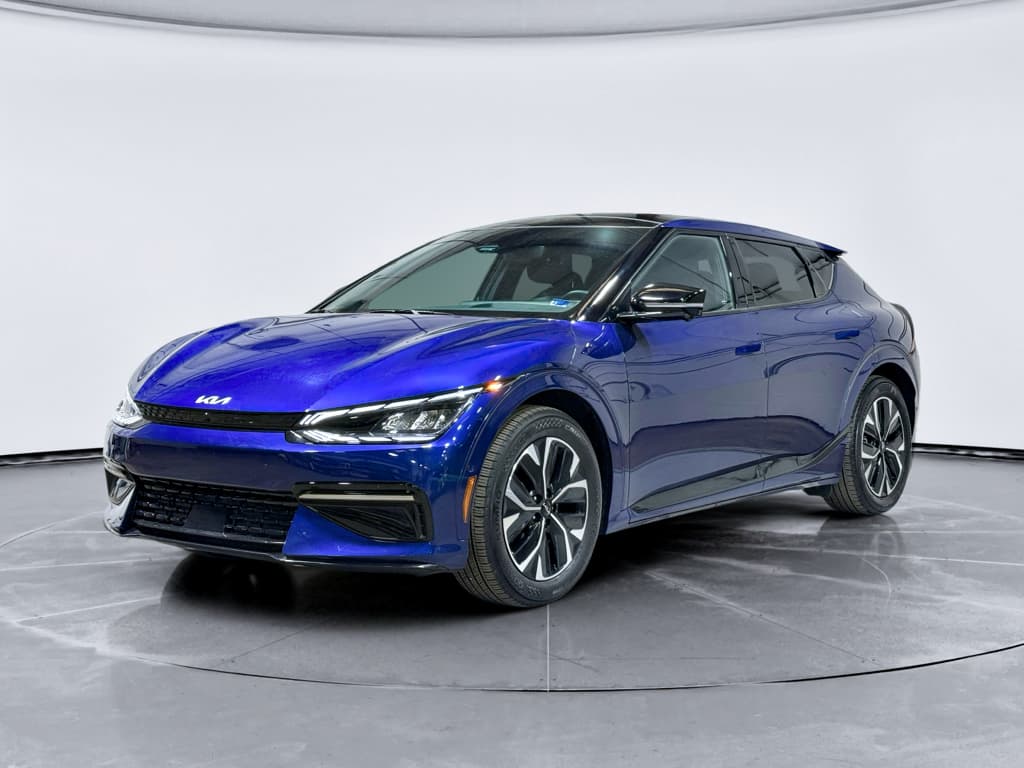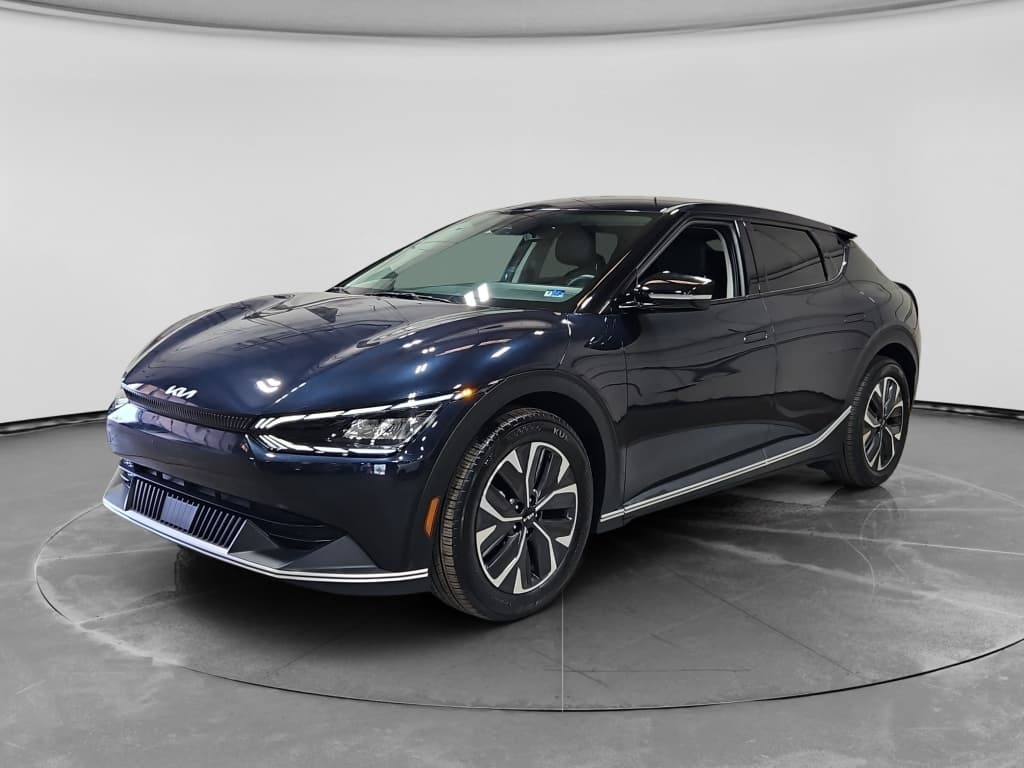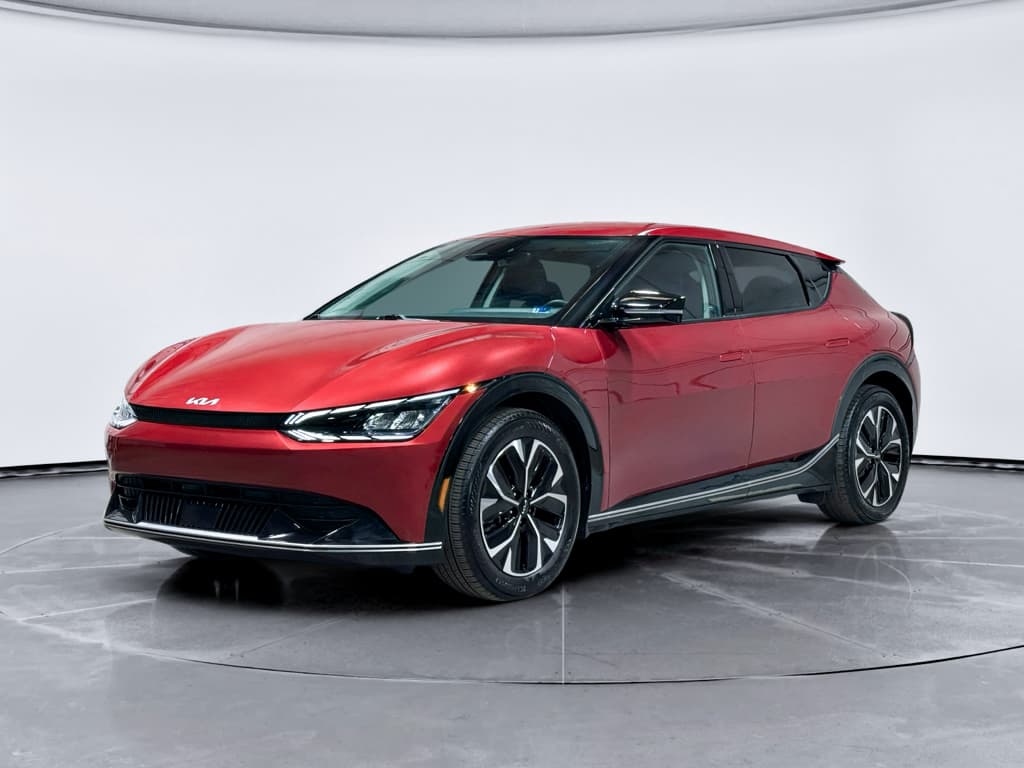
If you own, or are eyeing, a Kia EV6, you’re already ahead of the curve. The EV6’s battery has a solid real‑world reputation, but like any lithium‑ion pack, how you treat it day to day has a big impact on how much range it will still deliver in year 8 or 10. The good news: maximizing Kia EV6 battery life doesn’t require babying the car. A few smart habits go a long way.
Quick answer
Why battery care matters on your Kia EV6
Your EV6’s high‑voltage battery is by far the most valuable component in the vehicle. Kia backs it with a long warranty, but preserving capacity isn’t just about avoiding a worst‑case failure. A healthy pack means more usable range, less time at chargers, and stronger resale value if you ever trade in or sell, especially in the growing used‑EV market.
Why smart habits are worth it
Good news for EV6 owners
Kia EV6 battery basics in plain English
What’s inside your EV6
- The Kia EV6 uses a high‑voltage lithium‑ion polymer (NMC) battery, not an LFP pack. That means it doesn’t need to live at 100% often and is happiest in the middle of the gauge.
- Most U.S. EV6 models use a roughly 77.4 kWh pack, with a smaller pack offered in some markets and an updated, slightly larger pack on newer model years.
- The car constantly manages voltage, temperature, and cell balancing through its battery management system (BMS).
What actually wears it out
- High state of charge (especially sitting full at 100% for days) and very low state of charge (near 0%) stress the chemistry.
- High temperatures accelerate chemical aging, particularly when combined with high charge levels.
- Frequent DC fast charging and repeated full‑throttle launches add extra stress, though the EV6 is designed to tolerate reasonable use of both.
None of this means you should avoid using your car. It just means you should save the extremes for when you truly need them, like road trips.
Daily charging habits that maximize Kia EV6 battery life
If you remember nothing else, remember this: for day‑to‑day use, your Kia EV6 battery will thank you for living in the middle of the gauge and moving slowly toward both ends. Here’s how to translate that into simple habits.
Ideal everyday charging habits for your Kia EV6
Simple rules that are easy to live with
1. Set a sensible charge limit
For most owners, a daily charge limit of 80–90% is the best balance between range and long‑term health. You can set this in the EV6’s charge settings.
Use 100% only when you know you’ll need the extra range shortly after charging, like heading out on a road trip early the next morning.
2. Charge before you’re empty
Try to plug in when you reach around 15–25% instead of routinely running near 0%. Letting the car hit single‑digit percentages occasionally is fine, but it’s not a great long‑term habit.
Think of 10–90% as your normal playground, with short visits outside that band when needed.
3. Use scheduled charging
Whenever you can, set the car (or your home EVSE) to start charging a few hours before departure. That means the pack spends less time sitting full, and you can take advantage of cheaper off‑peak electricity.
This is especially helpful in hot weather, when sitting at 100% in a warm garage is tougher on the pack.
EV6‑friendly home charging checklist
Confirm your AC charge rate
Know whether your home setup is delivering 32A, 40A, or 48A on Level 2. Higher power is convenient, but there’s no need to blast the battery at max amps every night if you have plenty of time to fill up more gently.
Use the car’s charge limit, not just the app
Set your <strong>charge limit in the EV6 itself</strong>. External apps and some smart chargers are great, but the most reliable way to stop at 80–90% is the built‑in setting.
Match charging to your commute
If you use 25% of the pack on a typical day, charging from ~40% to ~70% is kinder than bouncing from 10% to 100% every night. Adjust your stop/start window to your real‑world usage.
Avoid parking full for days
If you come home with 70–80%, there’s usually no benefit to topping off immediately to 100% if the car will just sit. Charge closer to the time you’ll drive.
Don’t fear 100%, just time it well
Charging to 100% once a month or before a big trip is useful for cell balancing and maximizing range. The key is not letting it sit at 100% for a week.
Watch public chargers with “auto‑fill to 100%”
How often to DC fast charge your EV6 (without hurting the pack)
The EV6 is a bit of a DC‑fast‑charging rockstar. On a powerful 800‑volt capable charger, it can charge from 10% to around 80% in well under 30 minutes in ideal conditions. Used smartly, fast charging won’t doom your battery, but it’s not the same as sipping energy at home on Level 2.
Smart DC fast charging strategy for Kia EV6 owners
Use public fast chargers when they solve a problem, not just because they’re there.
| Use case | How often is reasonable? | Recommended stop window | Why it’s a good compromise |
|---|---|---|---|
| Long road trips | As often as the trip requires | 10–70% or 15–80% | Keeps charge speeds high and minimizes time at high state of charge. |
| Occasional weekend getaways | A few times per month | 15–80% | Very unlikely to cause meaningful extra degradation over the life of the car. |
| Daily work commute | Try to avoid relying on DC | 20–80% (only when needed) | Frequent DC charging, especially to 100%, adds unnecessary heat and stress compared with a home Level 2 setup. |
| Winter fast‑charge top‑offs | Use sparingly in extreme cold | 20–70% | Cold packs charge slower; arriving with some warmth and not chasing 100% is easier on the battery. |
Light to moderate DC fast charging is fine for most EV6 packs; daily dependence will accelerate wear compared with mostly AC charging.
Road‑trip rule of thumb
Temperature, climate control, and your EV6 battery
Temperature is the silent partner in battery aging. Kia gave the EV6 an active thermal management system, but your habits still matter, especially during heat waves and cold snaps.
How to protect your EV6 battery in heat and cold
Simple environment tweaks that pay off over years
In hot weather
- Park in the shade or in a garage when you can. High cabin and pack temperatures accelerate aging, especially at high state of charge.
- Avoid baking at 100%. If you live in a hot climate, aim to finish charging near departure time instead of charging to full at 10 p.m. and letting the car sit all night.
- Use pre‑conditioning while plugged in so the AC runs off grid power, not your battery.
In cold weather
- Expect temporary range loss, that’s not permanent degradation. Cold slows the chemistry, but capacity largely comes back in warmer temperatures.
- When possible, start driving soon after charging so the battery is warm.
- Use seat and steering‑wheel heaters before cranking cabin heat; they’re more efficient and gentler on range.
Don’t obsess over every degree
Driving style, regen settings, and long-term battery health
You bought an EV6 in part because it’s fun, and you should enjoy it. But just as with gasoline cars, your right foot influences both efficiency and mechanical wear. The good news: driving in a way that maximizes range is broadly aligned with what’s easiest on the battery chemistry too.
Driving style that helps the battery
- Moderate acceleration keeps peak current lower, which is easier on the cells than frequent full‑throttle launches.
- Smoother highway speeds, think 65–70 mph instead of 80+, cut energy use dramatically, so you spend less time near the ends of the pack.
- Anticipate stops instead of diving into the brakes. That lets regen do more of the work and wastes less energy as heat.
Regen settings in the EV6
- The EV6 gives you multiple regen levels, plus i‑Pedal one‑pedal driving.
- Using higher regen levels can improve efficiency because more kinetic energy is captured and fed back into the pack.
- There’s no clear evidence that reasonable regen use harms the battery; in practice it typically reduces stress because the car needs fewer hard mechanical stops and starts.
Pick the regen level that feels natural to you, then focus more on smoothness than on max settings.
Eco driving = battery‑friendly driving
Storing your EV6 and planning road trips the battery-friendly way
Even if you’re not thinking about it in chemistry terms, storage and trip planning are where owners accidentally put the most stress on an otherwise healthy pack. A few tweaks here can make a big difference over a decade of ownership.
Best practices for storage and long trips
If you won’t drive for a week or more
Leave the car around <strong>40–60% state of charge</strong>, park in a cool, covered place if possible, and avoid plugging in to maintain 100% the whole time unless you need it for remote climate pre‑conditioning.
Vacations and long‑term storage
For multi‑week trips, set the EV6 to a conservative charge limit (50–60%) beforehand and consider using the scheduled charge features so it doesn’t sit at one extreme the entire time.
Prepping for a road trip
Charge to <strong>90–100%</strong> shortly before you leave, not days in advance. Arrive at your first fast‑charger stop with 10–30% remaining so you can take advantage of peak charging speeds.
Choose chargers strategically
On road trips, favor reliable high‑power DC stations and plan legs that let you unplug around 70–80% instead of nursing it to 100% at every stop.
Be realistic in winter planning
Build in extra buffer on cold‑weather trips. You may arrive at chargers with less remaining than the car estimated, better for the pack than trying to nurse a low battery for the last miles.
How to keep an eye on Kia EV6 battery health over time
You don’t need a lab to track how your EV6’s battery is aging. A few simple checks every few months will tell you whether things are on track, especially as the car ages and if you’re considering resale.
Simple ways to monitor EV6 battery health
No special tools required, though advanced scans can help
1. Watch estimated range at known SOC
Pick a reference point, say, 80% charge on a mild day with similar driving patterns. Compare the displayed range at that point over the years.
A slow, gradual decline is normal. A sudden, large drop may warrant a conversation with your dealer.
2. Pay attention to warnings
If the EV6 starts throwing high‑voltage battery warnings, sudden loss of power, or unusual behavior like large SOC swings, don’t ignore it. Document what you see and have the car checked while it’s still under warranty.
3. Use professional battery health checks
Tools like the Recharged Score battery health report provide a more detailed look at pack capacity by analyzing charge behavior and real‑world data.
If you’re buying a used EV6, or selling one, having this kind of third‑party documentation can make pricing and negotiations much more transparent.
Buying a used EV6?
Kia EV6 battery warranty and what it means for used buyers
Kia is one of the more generous brands when it comes to EV battery coverage. In the U.S., EV6 packs are covered for 10 years or 100,000 miles against defects, and Kia provides capacity coverage down to a specified threshold (often around 70% of original capacity, exact terms vary by market and model year).
What the warranty is good at
- Protects you from early, abnormal failures, for example, if the pack develops a defective module well before the end of its expected life.
- Gives buyers of used EV6s extra confidence if there are still years or miles left on the original warranty.
- Makes it more likely that a truly out‑of‑spec pack will be repaired or replaced rather than leaving you to absorb the cost.
What the warranty doesn’t cover
- Normal, gradual degradation, losing some range over many years even with good habits is expected.
- Owner abuse, such as ignoring critical warnings or physical damage.
- Every tiny mile of range loss; the threshold for intervention is usually a significant drop from original capacity.
That’s why your day‑to‑day charging and driving style still matter, even with a strong warranty in your corner.
Used EV6 and warranty transfer
Kia EV6 battery life: FAQ
Frequently asked questions about Kia EV6 battery life
Key takeaways for maximizing your Kia EV6 battery life
You don’t have to turn your Kia EV6 into a science project to keep its battery healthy. Treat 10–90% as your normal operating window, charge to 100% only when you’ll use it soon, avoid letting the car bake at full charge in summer heat, and lean on gentle Level 2 charging when you can. Drive smoothly most of the time, enjoy the performance when you want, and keep an occasional eye on range at a familiar state of charge.
If you’re shopping for a used EV6, or planning to sell yours, battery life isn’t a mystery box. At Recharged, every car comes with a Recharged Score Report that includes verified battery health, transparent pricing, and EV‑specialist support from first click to final delivery. That way, you can focus on the driving experience, confident that the pack underneath you is built, and being used, for the long haul.