If you’re hunting for the best electric car for commuters in 2026, you’re really asking a different question than “What’s the best EV overall?” Daily driving is about predictability, low running costs, and peace of mind at 7:30 a.m., not bragging rights at a cars-and-coffee meet.
Commuter reality check
Why “best electric car for commuters” is its own category
A great commuter EV isn’t necessarily the one with the longest range or the wildest 0–60 time. For Monday‑through‑Friday duty, efficiency, comfort, and predictability usually matter more than headline specs.
- You want enough real‑world range to cover your round‑trip commute with a buffer, even in bad weather.
- You’d rather save money on purchase price and charging than pay for performance you never use.
- You need a car that’s easy to park, easy to live with in traffic, and simple to charge on a routine schedule.
- Reliability, battery health, and access to service matter more than exotic tech features.
Think in weeks, not days
How much range commuters actually need in 2026
The most common mistake shoppers make is over‑buying range. If your round‑trip is 50 miles, a 400‑mile luxury sedan is overkill. On the flip side, an ultra‑short‑range city car can feel tight once you add winter weather, highway speeds, and the occasional detour.
Range sweet spots for U.S. commuters
Be careful with “EPA range”
Best electric cars for commuters in 2026: Shortlist
Based on efficiency, comfort, availability in the U.S. market, and how they pencil out for everyday use, here’s a practical 2026 commuter EV shortlist. Some are new; many are even more compelling used.
Quick picks by commuter type
Match an EV to how, and where, you actually drive
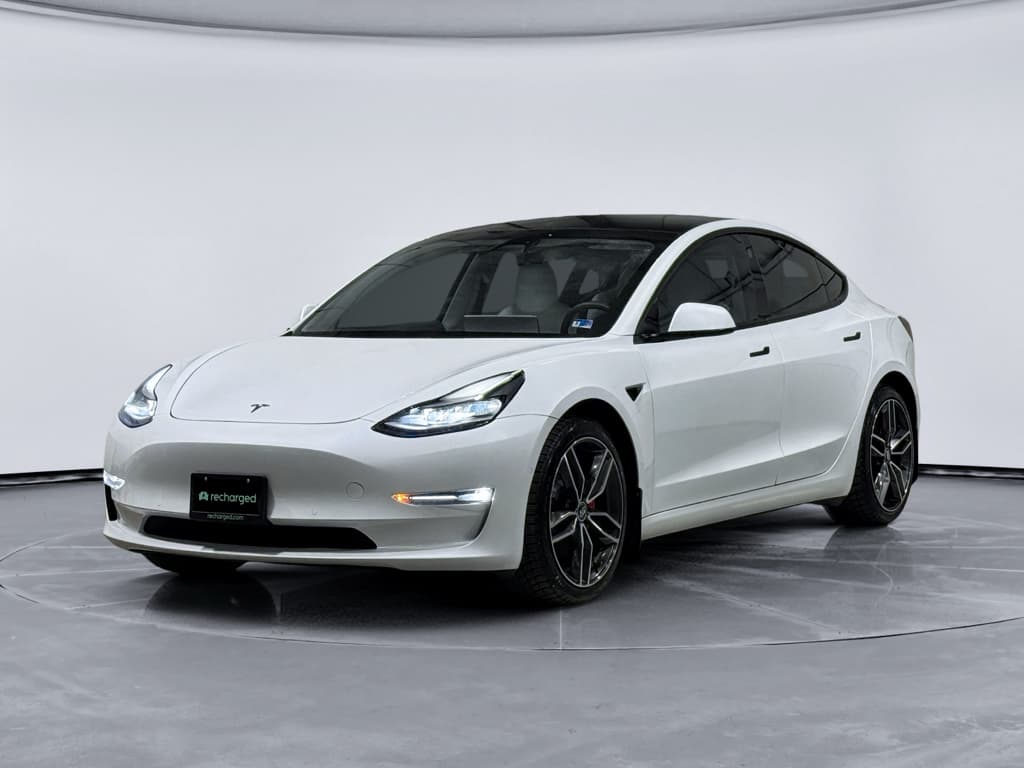
Best all‑around commuter EV: Tesla Model 3 (RWD or Long Range)
The Model 3 remains a benchmark commuter: excellent efficiency, broad Supercharger access, and strong used availability. Rear‑wheel‑drive trims keep costs down while still offering ample real‑world range.
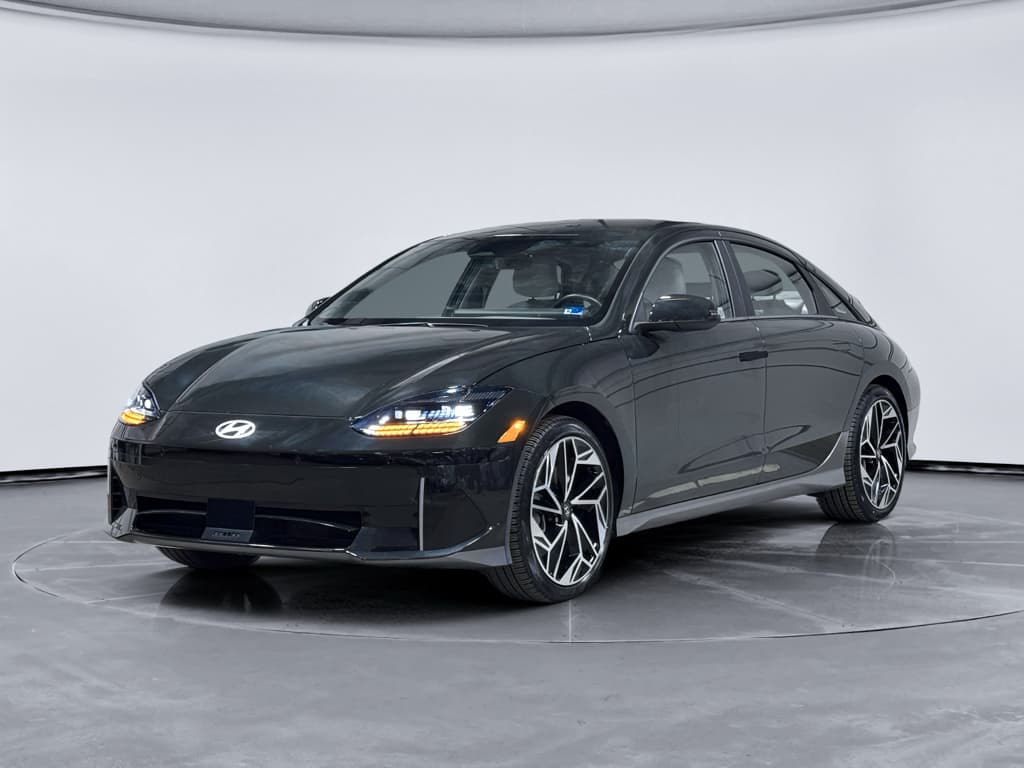
Best highway commuter: Hyundai Ioniq 6
Sleek aerodynamics and high efficiency make the Ioniq 6 ideal for longer, higher‑speed commutes. Well‑chosen trims deliver 300+ miles of rated range without luxury‑car pricing.
Best city/suburban hatchback: Hyundai Kona Electric & Kia Niro EV
Compact footprints, good cargo space, and strong efficiency. Great picks if you split time between crowded streets and suburban errands.
Best budget used commuter: Nissan Leaf (2nd gen)
One of the most affordable used EVs on the market. Not a road‑trip star due to charging limitations, but a very sensible daily commuter when you understand its range and battery health.
Where Recharged fits in
Ready to find your next EV?
Browse VehiclesTop new electric commuter cars for 2026
If you’re shopping new in 2026, you have more electric commuter options than ever, especially in compact sedans and crossovers. Here are models that consistently rise to the top for daily use.
New 2026 commuter‑friendly EVs at a glance
Approximate specs and price bands; always verify latest numbers and local incentives.
| Model (2026 or current) | Type | Est. EPA range* | Ballpark price new (before incentives) | Why it works for commuters |
|---|---|---|---|---|
| Tesla Model 3 RWD / Long Range | Compact sedan | 270–340 mi | Mid $30Ks–mid $40Ks | Excellent efficiency, Supercharger access, strong driver‑assist features. |
| Hyundai Ioniq 6 | Midsize sedan | 305–360 mi | Mid $30Ks–low $40Ks | Sleek, efficient, comfortable for longer highway slogs. |
| Hyundai Kona Electric | Subcompact crossover | 240–260 mi | Upper $20Ks–mid $30Ks | Easy to park, good cargo space, strong efficiency for mixed driving. |
| Kia Niro EV | Compact crossover | 240–255 mi | Low–mid $30Ks | Practical hatchback shape with commuter‑friendly range and features. |
| Chevrolet Equinox EV | Compact SUV | 250–300+ mi | Low–mid $30Ks | Family‑friendly footprint with realistic range and mainstream pricing. |
| Volvo EX30 | Subcompact premium SUV | 210–275 mi | Low–mid $30Ks | Small outside, upscale inside; great if you want a premium feel on short‑to‑medium commutes. |
Representative trims that balance price, range, and commuting comfort.
About those ranges
Best used electric cars for commuters
For many commuters, a used EV is the smartest play in 2026. You trade cutting‑edge styling for a dramatically lower payment, while still getting more than enough range for your weekday routine.
Used EVs that shine as commuter cars
Mainstream choices with solid track records and good availability
Nissan Leaf (2018–2024)
• Best for: Short‑to‑medium urban/suburban commutes
• Strengths: Low used prices, simple tech, easy to drive and park.
• Watch for: Battery health on older 24–30 kWh packs and models without active cooling.
Chevy Bolt EV / EUV
• Best for: Value hunters wanting 200+ miles of range.
• Strengths: Excellent efficiency, spacious interior for size, aggressive used pricing as the new Bolt arrives.
• Watch for: Completed recall battery replacements, and confirm DC‑fast‑charging habits of previous owners.
Hyundai Kona Electric (2019–2023)
• Best for: Drivers who want range and efficiency in a compact footprint.
• Strengths: Strong real‑world efficiency, hatchback practicality, solid reliability record.
• Watch for: Warranty status on the high‑voltage battery.
Kia Niro EV (2019–2023)
• Best for: Suburban commuters who need a bit more cargo room.
• Strengths: Crossover stance, comfortable ride, decent range for long weekdays.
• Watch for: Older infotainment quirks and tire wear, many were used heavily for commuting already.
Tesla Model 3 (2018–2023)
• Best for: Mixed driving with frequent highway miles.
• Strengths: Supercharger access, strong efficiency, wide service network, constant software updates.
• Watch for: Wheel and tire damage on cars from harsh climates and accurate battery‑health readings.
Hyundai Ioniq Electric (discontinued)
• Best for: Short‑range city commuters who want maximum efficiency on a budget.
• Strengths: Extremely efficient drivetrain, low used prices, simple and light.
• Watch for: Limited range and availability, and confirm charging options fit your routine.
Why used makes sense for commuting
When you shop used through Recharged, every vehicle comes with a Recharged Score battery assessment, pricing comparisons, and EV‑specialist support. That level of transparency matters when your vehicle’s main job is to show up every weekday without drama.
What your commute costs: Electric vs. gas
The appeal of a commuter EV isn’t just avoiding gas stations. It’s the math. Electricity is typically cheaper per mile than gasoline, and commuter‑style driving, predictable routes, frequent stops, plays to an EV’s strengths.
Example: 40‑mile daily commute
Let’s assume:
- 40 miles per weekday, 5 days a week (about 10,400 miles per year)
- Efficient EV using ~27 kWh per 100 miles
- Gas car averaging 30 mpg
This is a pretty typical suburban American commute in 2026.
Rough annual fuel cost comparison
- EV: ~2,808 kWh/year. At $0.14/kWh (national ballpark), that’s about $390/year.
- Gas car: 10,400 / 30 ≈ 347 gallons. At $3.50/gal, that’s about $1,215/year.
That’s roughly $800+ per year in energy savings alone, before maintenance.
Don’t forget maintenance
How to choose the right commuter EV for you
The “best” electric car for commuters in 2026 depends on your route, housing, climate, and budget. Instead of chasing a single winner, walk through these questions and narrow your field to the cars that fit your life.
- What’s your realistic worst‑case daily mileage, including detours and errands?
- Do you have overnight home charging, workplace charging, or public stations nearby?
- Is most of your driving city‑speed, mixed, or 70‑mph highway?
- How much space do you actually need, just you and a laptop bag, or kids and gear?
- Are you buying new or used, and what’s your total monthly budget including insurance?
- How long do you plan to keep the car, three years, or a decade of commuting?
Bring your commute to the test drive
Commuter EV checklist: Features that matter most Monday–Friday
Must‑have and nice‑to‑have commuter features
Enough real‑world range with a buffer
Aim for at least **3× your one‑way commute** in winter conditions. If your round‑trip is 40 miles, a 200‑mile rated EV gives you breathing room.
Comfortable seats & quiet cabin
An efficient EV that leaves you sore or fatigued after 45 minutes in traffic isn’t a good commuter. Prioritize seat support and noise levels on the highway.
Simple, reliable charging setup
A basic 240‑volt Level 2 charger at home turns most EVs into perfect commuters. If you can’t install one, make sure workplace or public charging is genuinely convenient.
Useful driver‑assist tech
Adaptive cruise control and lane‑keeping can take the sting out of stop‑and‑go traffic, especially on predictable highway routes.
Phone integration and infotainment
Seamless Apple CarPlay/Android Auto (or a solid native system) matters when you’re relying on maps, podcasts, and calls every day.
Good visibility and easy parking
A huge SUV may feel safe but can be stressful in tight city parking or dense garages. Compact EVs are often better commuter tools.
Battery health and range fade on commuter EVs
Commuters rack up miles quickly, which makes battery health a key part of picking the best electric car for daily driving, especially in the used market.
How commuting affects EV batteries
- Lots of shallow daily cycles (20–80%) are generally healthy for batteries.
- Frequent DC fast charging, especially to 100%, can accelerate wear.
- Extreme heat and cold, common in outdoor parking lots, also affect degradation.
A former commuter car isn’t a red flag by itself; **it’s all about how it was charged and stored.**
What to look for when buying
- Ask for a recent battery‑health report rather than guessing from the dash.
- Compare displayed range at a given state of charge with the original spec.
- Review service records for high‑voltage system work.
Every vehicle sold through Recharged includes a Recharged Score Report with verified battery diagnostics, so you know what you’re getting into before you depend on it for your commute.
Red flags on a used commuter EV
FAQ: Best electric car for commuters in 2026
Frequently asked questions about commuter EVs
Bottom line: The best electric car for commuters in 2026
There isn’t a single best electric car for commuters in 2026, but there *is* a best one for your commute. If you drive longer distances or rely on highway miles, a **Tesla Model 3** or **Hyundai Ioniq 6** rises to the top. If you mainly bounce between city streets and nearby suburbs, a **Hyundai Kona Electric**, **Kia Niro EV**, or well‑sorted **Chevy Bolt EV/EUV** can be a cheaper, more efficient tool for the job.
Focus on **real‑world range, simple charging, comfort, and verified battery health**, especially if you’re buying used. And if you want help translating your specific commute into the right EV, Recharged can pair you with specialists, transparent pricing, and a battery‑health report so you’re not guessing about the one part of the car you can’t see.