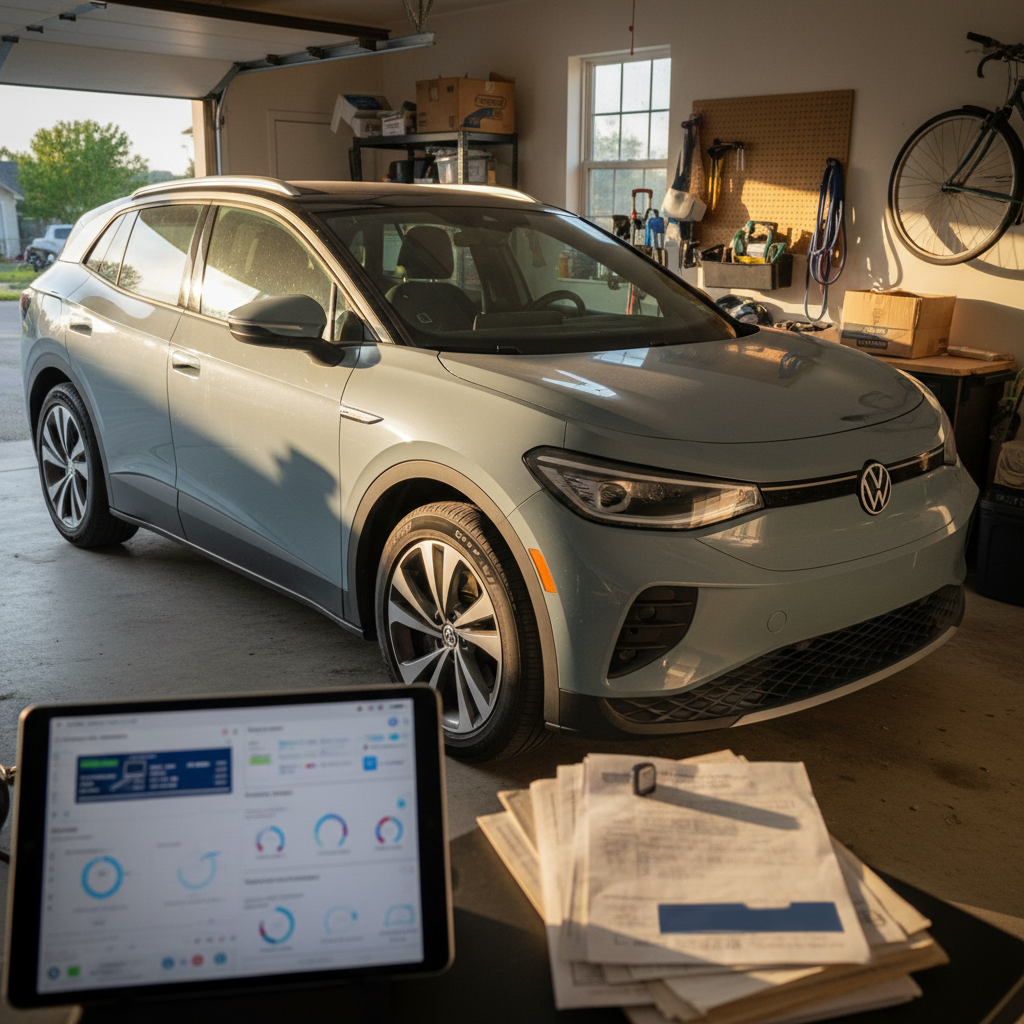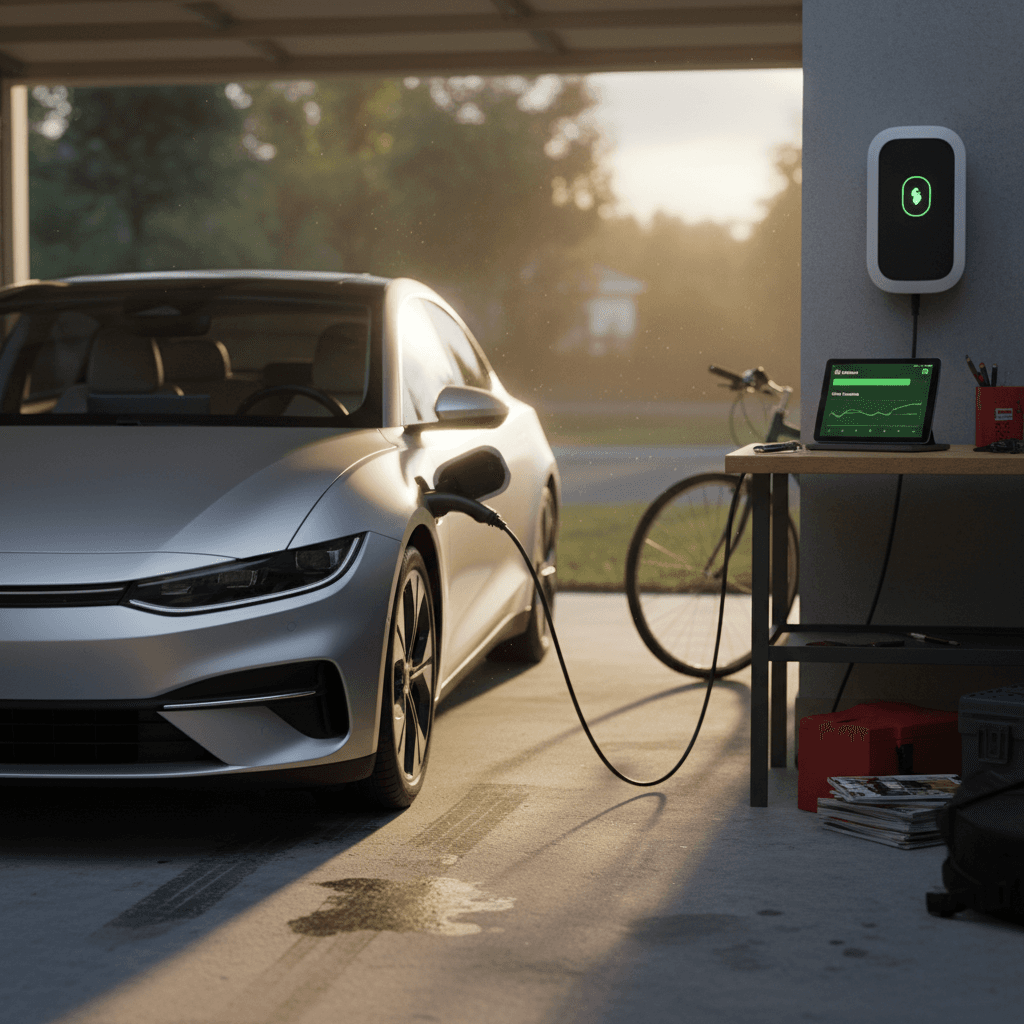
If you drive around 75 miles a day, you’re well past the U.S. average commute and firmly into “long‑commuter” territory. The good news is that for a 75‑mile commute, the best electric car is usually not the one with the biggest battery, it’s the one that balances range, efficiency, comfort, and total cost of ownership, especially if you’re buying used.
Why 75 miles is a sweet spot for EVs
How far is a 75‑mile commute in EV terms?
First, let’s translate that 75‑mile commute into what it means for an electric car. Most people mean 75 miles round‑trip (for example, 35–40 miles each way). A smaller group means 75 miles each way, or 150 miles per day. The right EV looks a little different for each case.
Daily driving needs for 75‑mile commutes
For a 75‑mile round‑trip commute, almost any late‑model EV with 180+ miles of real‑world highway range will work comfortably, especially if you can plug in at home every night. If you’re driving 75 miles each way, you’ll want something with at least 240–260 miles of dependable highway range so you’re not running the battery down into the single digits every day.
Mind the weather penalty
Key features you actually need for a 75‑mile EV commute
What matters most in a commuter EV (and what doesn’t)
Focus your budget on the stuff that affects you every single day.
1. Real‑world range
You want enough range that your normal 75‑mile day uses no more than 50–60% of the battery.
- 75 mi round‑trip: Aim for 180+ mi EPA rated range.
- 75 mi each way: Aim for 240–260+ mi EPA range.
2. Easy home charging
Daily commuters thrive when they can charge at home.
- Access to a 240V Level 2 outlet is ideal.
- Overnight top‑ups mean you start every day near 100%.
3. Comfort & noise
Two to three hours a day in the car makes seat comfort, noise levels, and driver‑assist tech more important than 0–60 mph times.
4. Efficiency
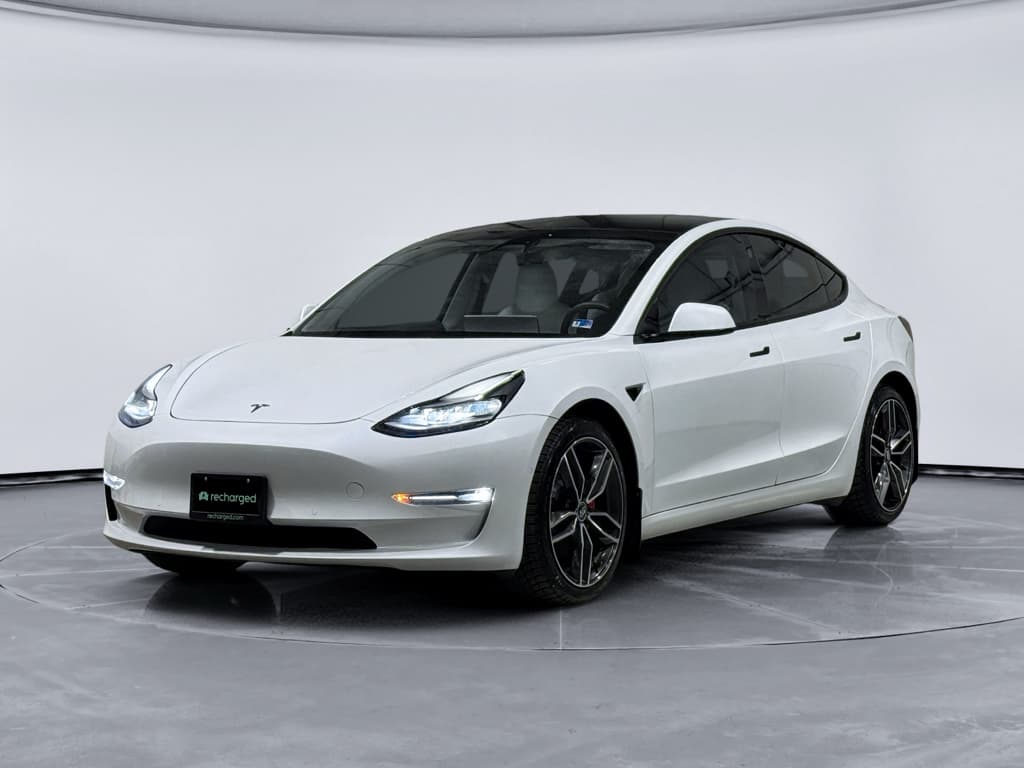
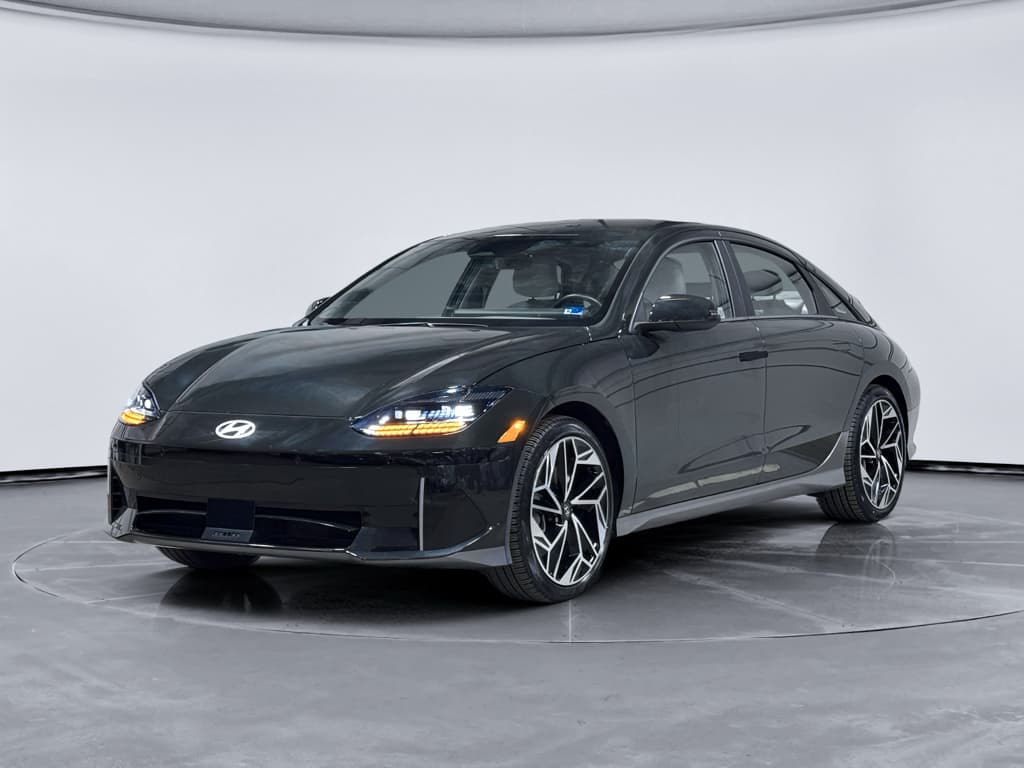
An efficient EV (more miles per kWh) means fewer charging stops and lower electricity bills. Aerodynamic sedans like the Hyundai Ioniq 6 or Tesla Model 3 shine here.
5. Battery health
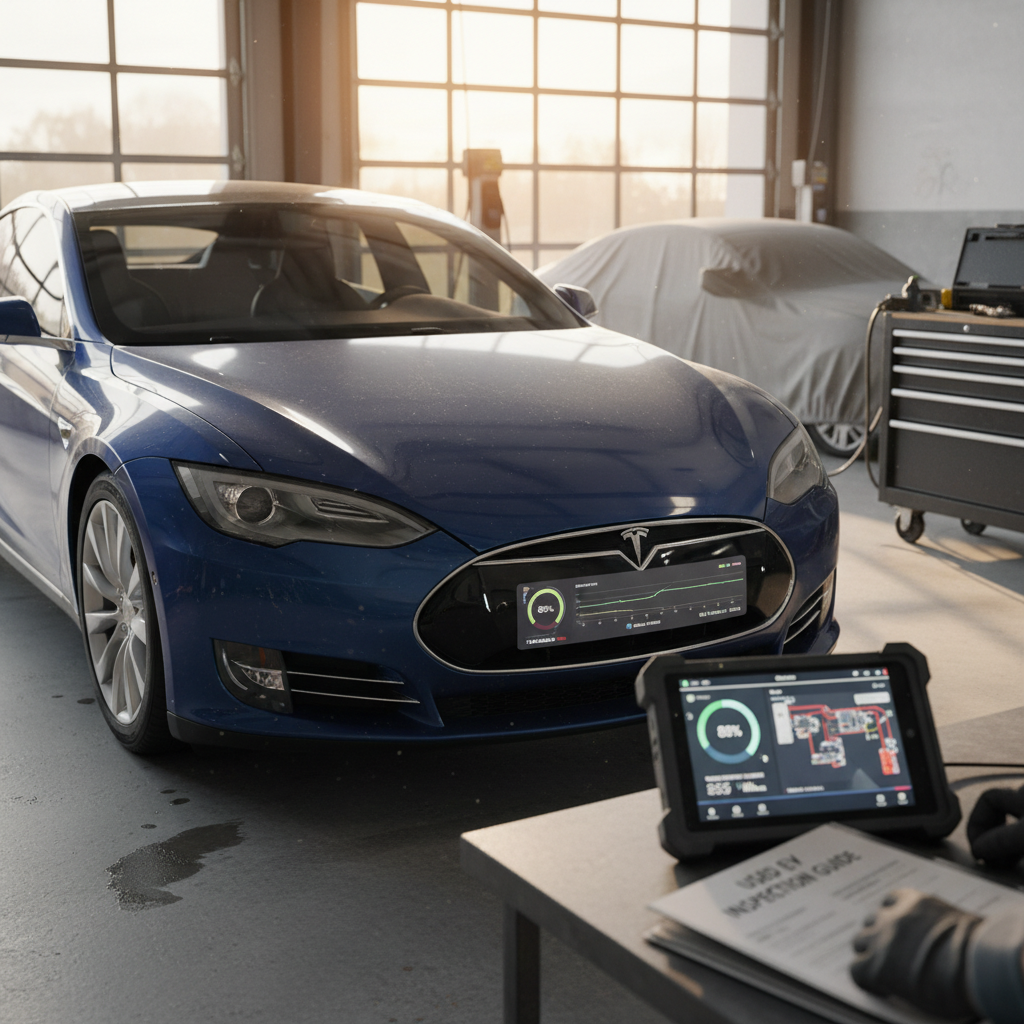
For used EVs, verified state of health (SoH) is crucial. Two cars with the same odometer reading can have very different remaining range.
6. Driver assistance
Adaptive cruise control, lane‑keeping assist, and good headlights are fatigue‑reduction tools for long commuters. They’re worth prioritizing over raw performance.
7. DC fast‑charging speed
Less critical if you always charge at home, but important if you occasionally stretch your commute into road‑trip territory or can’t install home charging.
Don’t overpay for range you never use
Best electric cars for a 75‑mile commute
There’s no single “best electric car for a 75‑mile commute,” because budgets and use‑cases vary. Below are strong options broken down by scenario, with an emphasis on models that are widely available used in the U.S. and have solid real‑world range.
Top EV picks for a 75‑mile commute
Prioritizing real‑world range, comfort, and used‑market value.
Best overall: Hyundai Ioniq 6 (Long Range RWD)
If you want a modern, efficient EV that feels built for long commutes, the Hyundai Ioniq 6 is hard to beat.
- EPA range up to the mid‑300‑mile range depending on trim.
- Sedan body and aero design = excellent highway efficiency.
- Comfortable seats and good driver‑assist tech for long days.
For a 75‑mile each‑way commute, it leaves plenty of buffer even in winter, and you’ll typically only charge once a day at home.
Best value new: Tesla Model 3 Long Range
The refreshed Tesla Model 3 Long Range remains a benchmark commuter EV.
- EPA range in the low‑to‑mid‑300‑mile zone depending on configuration.
- Access to Tesla’s Supercharger network, which is handy if your worksite is far from home.
- Very efficient on highway runs; many owners comfortably commute 100–150 miles daily.
Budget‑friendly used EVs ideal for 75‑mile round‑trip commutes
Great if your daily drive is 75 miles round‑trip and you can charge at home.
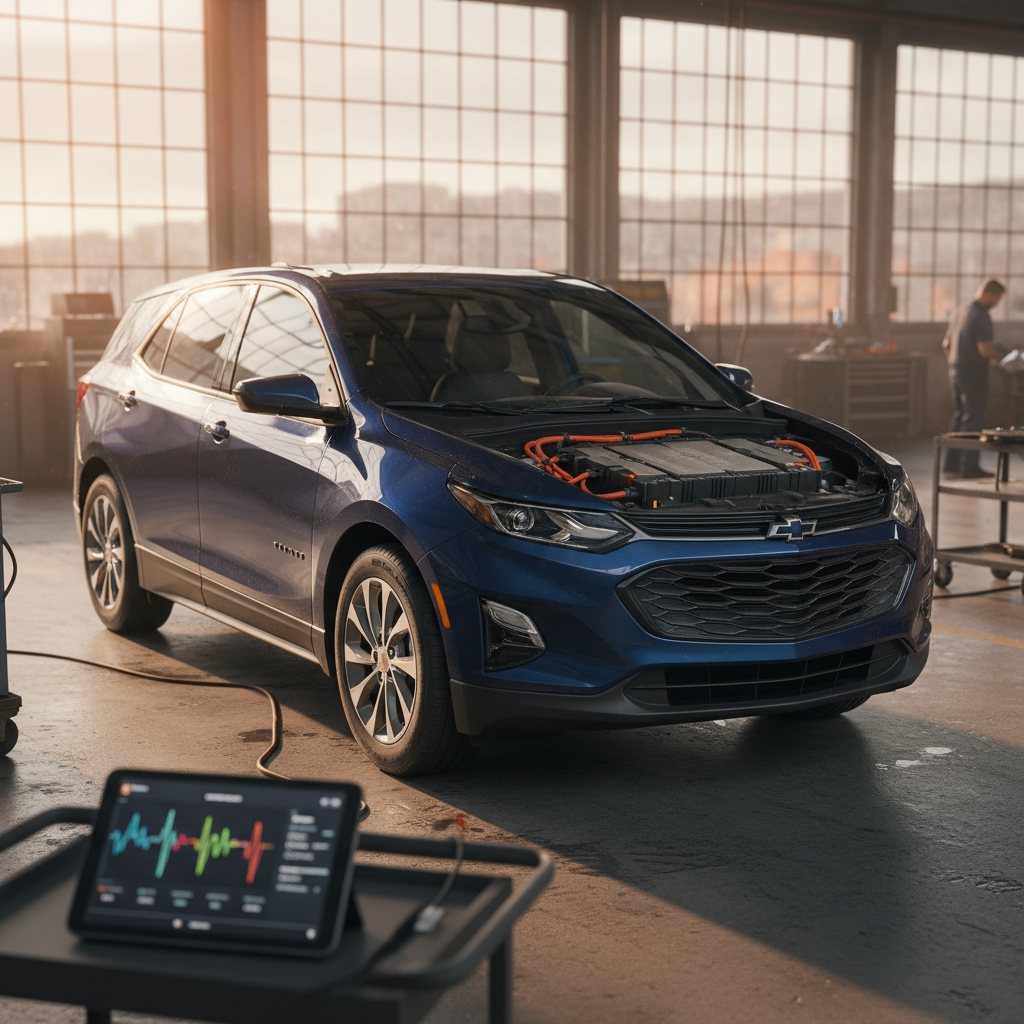
Chevy Bolt EV / Bolt EUV
One of the best budget EVs ever made for commuters.
- Later‑model Bolts offer around 250 miles of EPA range when new.
- Compact, efficient, and cheap to run.
- Great for 75‑mile round‑trip with home charging, even with some battery degradation.
Nissan Leaf Plus (62 kWh)
Overlooked, but effective if your route isn’t DC fast‑charge heavy.
- EPA range around 215–226 miles when new for the larger battery.
- Best suited for commuters who primarily charge at home or work.
- Factor in more degradation on older high‑mileage examples.
Tesla Model 3 RWD (used)
A used Model 3 RWD often hits the sweet spot between cost and range.
- Early Long Range trims easily cover 150‑mile days.
- Later RWD/LFP‑battery cars tolerate daily full charges well.
- Excellent efficiency and strong driver‑assist capability.
When to step up to a long‑range luxury EV
Used vs. new EVs for long commutes
A 75‑mile commute piles miles on quickly, which makes the economics of a used EV especially compelling. You let the first owner eat the steepest depreciation, then you capitalize on low running costs while the battery still has plenty of life.
Used vs. new EVs for a 75‑mile commute
How the trade‑offs shake out when you’re putting 20,000–30,000 miles a year on the odometer.
| Factor | Used EV | New EV |
|---|---|---|
| Upfront price | Much lower, especially 3–6 year old models | Highest cost, but often with incentives |
| Battery health risk | Varies; needs verification | Known starting point, full warranty |
| Depreciation impact | You’re past the steepest drop | You absorb the largest value drop |
| Feature set | May lack newest driver‑assist tech | Latest safety, range and infotainment |
| Best fit for 75‑mile commute | Great if SoH is documented and range needs are modest | Great if you want maximum buffer and long warranty |
For high‑mileage commuters, used EVs with verified battery health often deliver the best value.
How Recharged reduces used‑EV guesswork
Charging strategies that make a 75‑mile commute painless
The right charging setup often matters more than squeezing out an extra 20 miles of rated range. With a sensible plan, even a modest‑range EV can handle a long commute with zero drama.
Build a no‑stress charging routine
1. Install (or access) Level 2 at home
A 240V Level 2 charger can usually refill 25–35 miles of range per hour. Even if you arrive home with only 20–30% battery left, you’ll easily be back at 80–100% by morning.
2. Schedule charging for off‑peak hours
Most utilities offer cheaper overnight rates. Set your car or charger to start around midnight so you’re saving money while you sleep.
3. Keep a comfortable buffer
Avoid planning to roll into your driveway with 1–2% remaining every night. For a 75‑mile round‑trip commute, design your routine so you rarely go below 20% state of charge.
4. Map out backup chargers
Use apps like PlugShare or your car’s built‑in navigation to identify DC fast‑chargers and Level 2 stations along your route in case of power outages or detours.
5. Charge at work if available
Even a few hours on a shared Level 2 charger at work can dramatically increase your daily buffer, especially in winter.
6. Adjust for seasons
In cold months, start the car pre‑conditioned while still plugged in so you’re using grid power to warm the cabin and battery, not cutting into your range.
Highway + winter = worst‑case range
Battery health when you rack up commuter miles
Driving 20,000–30,000 miles a year in an EV isn’t inherently bad for the battery, but it does magnify whatever habits you build. A 75‑mile commute can be extremely battery‑friendly, or unnecessarily hard on it, depending on how you charge and drive.
- Avoid frequent DC fast‑charging unless you truly need it for time‑sensitive trips.
- Whenever possible, keep daily charging between roughly 10–80% for older nickel‑based battery chemistries.
- If your EV has an LFP battery (common in some newer Tesla RWD trims and a few others), it’s generally fine to charge to 100% daily, check your owner’s manual.
- Use scheduled departure or pre‑conditioning in cold weather so the battery is warm and efficient when you start driving.
- Don’t panic about normal degradation: a few percent loss in the first years is expected, not a sign of imminent failure.
Why a third‑party battery report matters
What a 75‑mile EV commute really costs vs. gas
Let’s put some rough numbers on the table. Suppose you drive 75 miles a day, five days a week, for 50 weeks a year. That’s about 18,750 miles annually, not counting weekend use. Here’s how that looks in energy costs.
Approximate annual energy cost: EV vs. gas for a 75‑mile commute
Simplified example assuming U.S. average electricity and fuel prices. Your local math will vary, but the relationship between EV and gas costs is similar.
| Vehicle type / assumption | Energy use | Energy price (example) | Annual commute cost |
|---|---|---|---|
| Efficient EV sedan (e.g., Ioniq 6, Model 3) | ~3.5 mi/kWh → ~5,360 kWh/year | $0.15/kWh (home electricity) | ≈ $800/year |
| Compact gas car (~35 mpg) | 18,750 mi ÷ 35 mpg ≈ 536 gal | $3.50/gal gasoline | ≈ $1,875/year |
| Midsize SUV (~25 mpg) | 18,750 mi ÷ 25 mpg = 750 gal | $3.50/gal gasoline | ≈ $2,625/year |
These rough numbers illustrate why long‑distance commuters see outsized savings in an efficient EV.
Even with conservative assumptions, a long commute is where EVs shine. You might save $1,000–$1,800 per year on energy alone, before counting reduced maintenance and potential HOV or toll perks in some states.
Checklist: choosing your 75‑mile commuter EV
Pre‑purchase checklist for long‑distance EV commuters
Confirm your true daily distance
Track a typical week with a trip‑log app or your current car’s odometer. Include detours, school runs, and errands so you’re not underestimating your daily miles.
Decide if 75 miles is round‑trip or each way
Your required range is very different at 75 round‑trip vs. 150. Be honest about which bucket you’re in before you start shopping.
Set a minimum comfortable range
For 75 round‑trip, target at least 180–200 miles of real‑world range. For 75 each way, look for something in the 240–260+ mile range with buffer for weather and degradation.
Verify battery health on used EVs
Ask for a recent battery health report or SoH measurement, not just the dash’s guess. On Recharged, you get a Recharged Score Report with this data baked in.
Plan your home charging setup
Confirm whether your parking spot can support a 240V outlet or wallbox. Factor installation into your budget, it’s part of owning an EV, just like a spare tire is part of owning a gas car.
Test drive your actual route profile
During your test drive, prioritize comfort, noise, and driver‑assistance behavior at the speeds you actually commute, not 0–60 sprints.
Look at total cost per mile, not just price
Divide your projected five‑year cost (purchase, electricity, insurance, maintenance) by miles driven. High‑mileage commuters often come out ahead with slightly nicer EVs than they expected.
FAQ: best electric car for a 75‑mile commute
Frequently asked questions
Bottom line: matching an EV to your 75‑mile commute
A 75‑mile commute is exactly where electric cars start to look like a no‑brainer. The key is not chasing the biggest battery, but choosing an EV with enough real‑world range, solid efficiency, and the right charging setup for your life. For many drivers, that means an efficient sedan like the Hyundai Ioniq 6 or Tesla Model 3, or a well‑vetted used Chevy Bolt EV, Bolt EUV, or Nissan Leaf Plus backed by a trustworthy battery‑health report.
If you’re shopping used, focus on verified battery health and honest range rather than glossy window‑sticker numbers. That’s exactly what the Recharged Score Report is built to surface, alongside fair pricing and expert support. With the right match, your 75‑mile commute stops being a grind at the gas pump and turns into predictable, low‑cost electric miles, day in, day out.