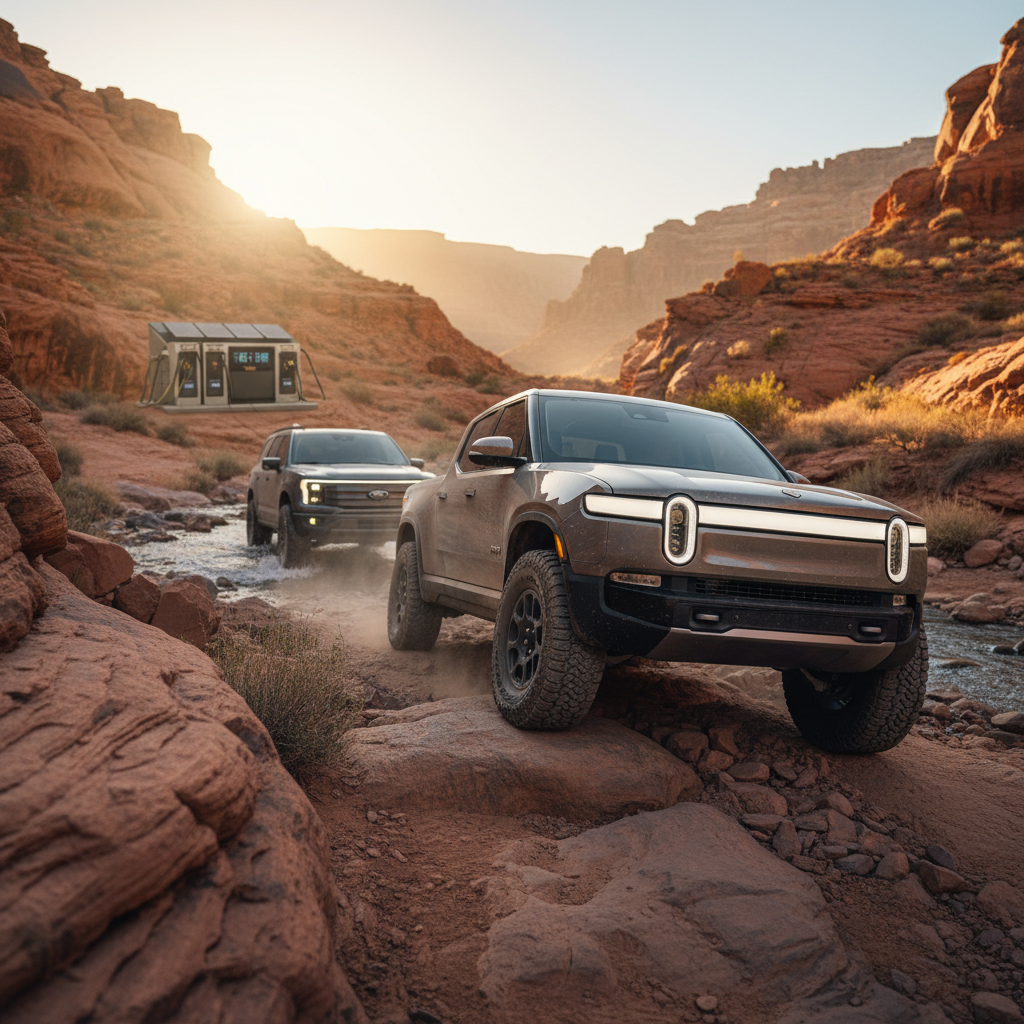
If you’re driving about 100 miles a day, you’re exactly the kind of driver modern electric cars were built for. The best electric car for a 100-mile commute combines strong real-world range, low running costs, and a battery that will stay healthy after years of daily use. The good news is that you don’t need a 400‑mile luxury EV, smart choices in the 225–320 mile range can fit this routine easily, especially if you’re open to a used EV.
Who this guide is for
Why a 100-Mile Commute Is Perfect for an EV
At first glance, a 100‑mile round trip sounds like a lot. In a gasoline world, it is, you feel every mile at the pump. In an electric world, though, daily predictability is your friend. EVs are at their best when you repeat the same trip every day, charge in the same place every night, and rarely need to fast‑charge.
Why long commuters love EVs
Four big wins once you switch from gas
Lower fuel cost
Smooth performance
Less maintenance
Cleaner commute
Think in “usable” range, not marketing range
How Much Range You Really Need for a 100-Mile Commute
Start with the basics: your 100‑mile commute is the round‑trip distance. Add errands, detours, and bad‑weather losses, and it’s wise to assume 120–140 miles on rough days. From there, apply a simple rule: try not to arrive home below 15–20% battery on normal days, and don’t plan to charge to 100% every single morning.
Rule-of-thumb numbers for a 100-mile commute
Be careful with 200-mile cars
Top New EVs for a 100-Mile Commute
New EVs from 2024–2025 have pushed efficiency and range forward. You don’t need the longest‑range models on the market, but the most efficient ones let you rack up miles with less wear on the pack and fewer charging stops on the occasional road trip.
New commuter EV standouts
Efficient, comfortable, and realistic on price
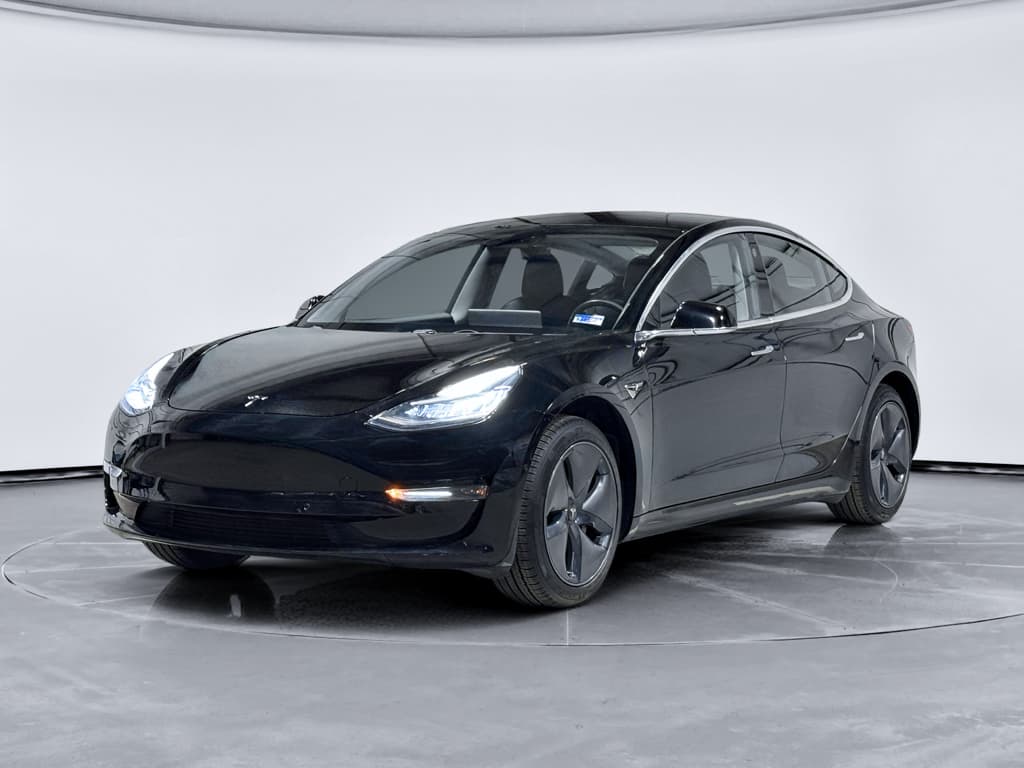
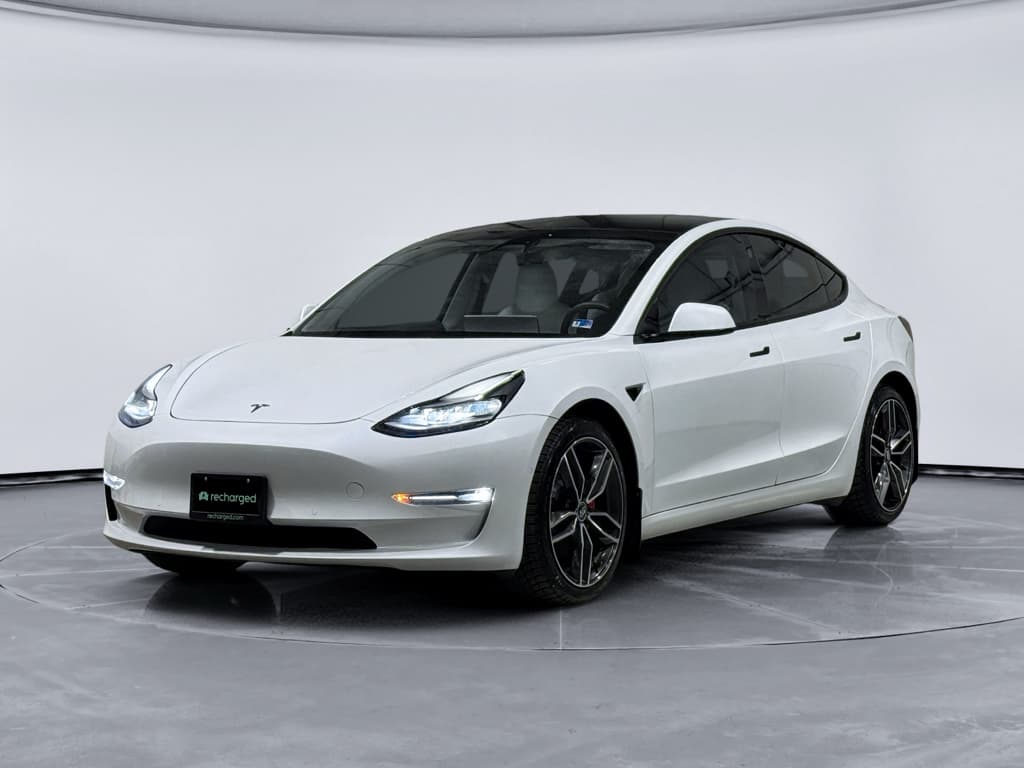
Tesla Model 3 RWD or Long Range
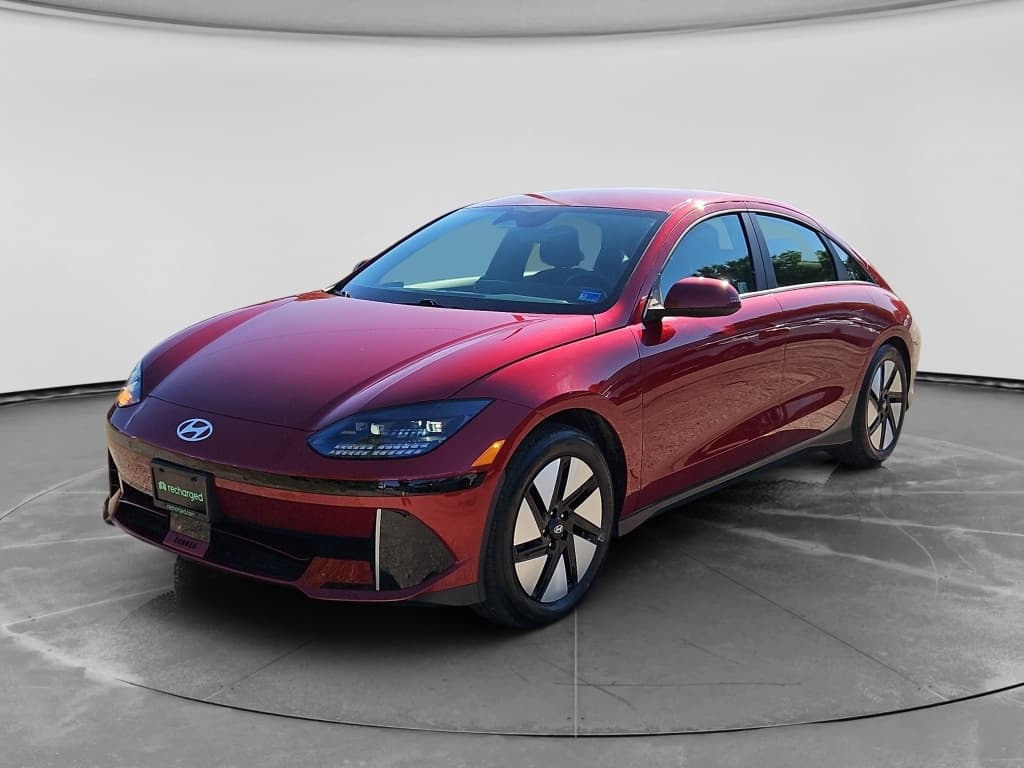
Hyundai Ioniq 6
Hyundai Kona Electric / Chevy Equinox EV
Sweet spot for new commuter EVs
Best Used EVs for a 100-Mile Commute
A long daily commute actually favors buying a used EV. You’ll pile on miles quickly, so letting the first owner absorb the biggest depreciation hit can make a lot of financial sense. The key is to pick models with strong efficiency and good battery durability, and to verify health before you buy.
Used EVs that work well for 100-mile commuters
Approximate EPA ranges when new; expect some reduction on higher‑mileage cars.
| Model (Used) | Approx. EPA range when new | Why it works for 100-mile commutes |
|---|---|---|
| Tesla Model 3 (Standard Range / Long Range) | 240–330 mi | Excellent efficiency, strong DC fast‑charging network, and robust thermal management. Even with some degradation, most trims still leave comfortable buffer for a 100‑mile day. |
| Chevrolet Bolt EV / Bolt EUV | 247–259 mi | Compact, efficient, and very affordable on the used market. Ideal if you have home charging and don’t need DC fast‑charging performance for frequent road trips. |
| Hyundai Kona Electric (1st gen) | 258 mi | One of the efficiency leaders among earlier EVs. Great for drivers who prioritize low operating costs over size and luxury. |
| Nissan Leaf Plus | 215–226 mi | Just enough range for a 100‑mile commute with Level 2 home charging. Look for the "Plus" (larger‑battery) versions and prioritize cars with cooler‑climate histories. |
| Kia Niro EV (1st gen) | 239 mi | Crossover practicality with solid range. Comfortable seats and straightforward controls make it easy to live with for long daily drives. |
Always have actual battery health checked, Recharged includes this in every Recharged Score report.
How Recharged helps with used commuter EVs
Comparison Table: Best Commuter EV Picks
To make this practical, here’s a simplified look at how popular commuter‑friendly EVs stack up for a 100‑mile daily drive. Numbers are rounded from EPA figures and real‑world testing; think of them as ballpark guidance, not lab results.
Commuter-focused EV comparison
Approximate values for commonly discussed trims; actual range varies with options, weather, and driving style.
| Model | Type | EPA range (mi, approx.) | Est. real range at 75 mph (mi, approx.) | Comfort buffer on 100-mi commute |
|---|---|---|---|---|
| Tesla Model 3 Long Range (new/late-model) | New or lightly used | 340 | 290–300 | Very comfortable, even in winter |
| Hyundai Ioniq 6 RWD | New | 360 | 300+ | Very comfortable, road‑trip friendly |
| Chevy Equinox EV FWD | New | ~300 | 250–260 | Comfortable most of the year |
| Hyundai Kona Electric (2025) | New | 260 | 220–230 | Adequate with home L2 charging |
| Chevy Bolt EUV (used) | Used | 247 | 200–210 | Adequate with home L2 and some winter planning |
| Nissan Leaf Plus (used) | Used | ~220 | 180–190 | Tight in winter; best with shorter detours and reliable home L2 |
Any of these cars can do a 100‑mile commute, the bigger question is how much margin you want and what you’re willing to spend.
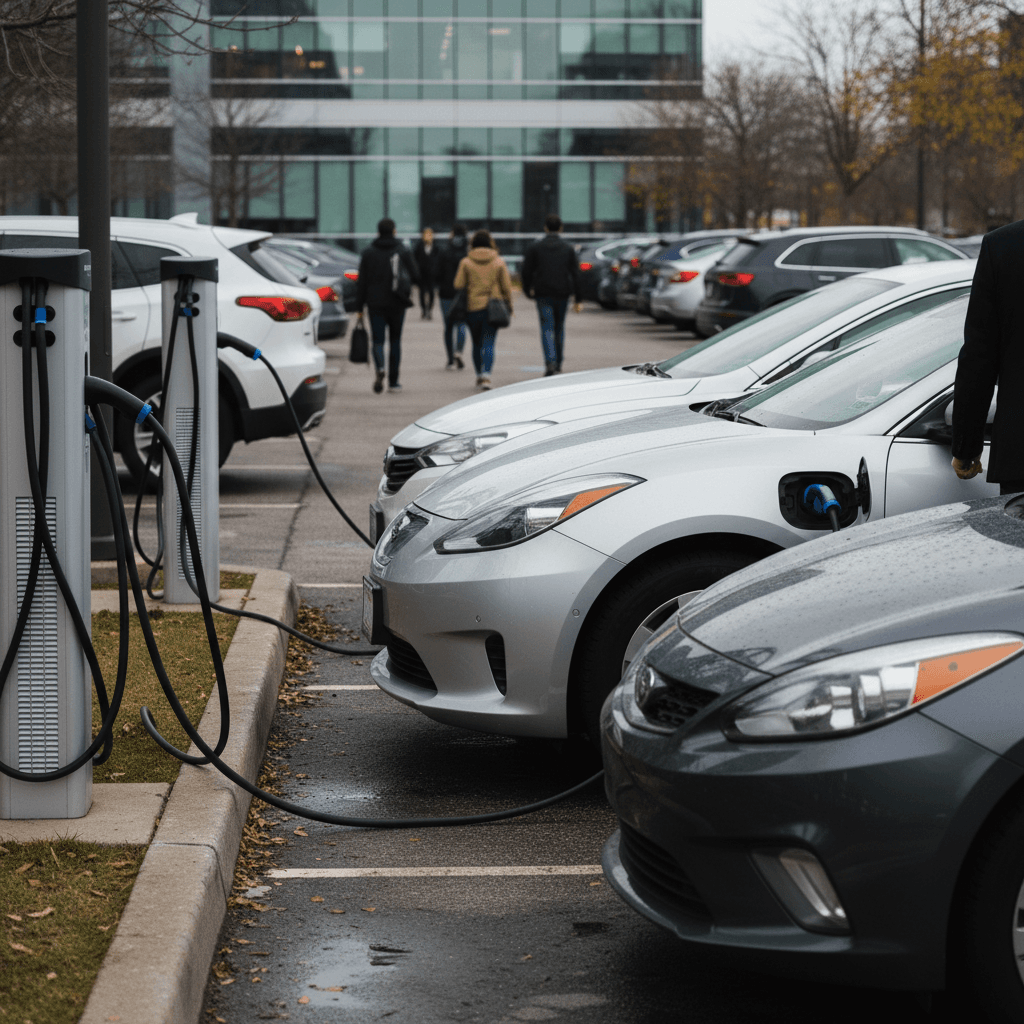
Charging Strategy for a 100-Mile Daily Drive
Range is only half the story. To make a long commute painless, you need a charging pattern that fits your schedule and doesn’t force you to babysit public chargers after a long day at work.
Best case: Home Level 2 charging
A dedicated 240‑volt Level 2 charger at home is the gold standard for a 100‑mile commute. Even a modest 32‑amp unit can add roughly 25–30 miles of range per hour, fully replenishing your daily use in 4–5 hours.
- Charge mostly overnight when rates are lowest.
- Set a charge limit of 70–85% for daily use to protect the battery.
- Use scheduled charging so you finish shortly before departure, especially in cold climates.
Good case: Workplace charging
If your employer offers Level 2 charging, you can split your daily energy needs between home and work. That opens the door to owning a shorter‑range EV without anxiety.
- Top up at work on heavy driving days or in winter.
- Arrive at home with a bigger buffer, so you can skip charging some nights.
- Consider taking advantage of free or subsidized power if your company offers it.
Try not to live at DC fast chargers
Battery Health When You Drive 100 Miles a Day
Putting 25,000–30,000 miles a year on any car raises fair questions about long‑term durability. The upside with EVs is that modern packs are holding up better than many early skeptics expected, especially when they’re kept in the right temperature window and not charged to 100% every night.
- Avoid living at 100%: Charge to 70–85% for daily commuting and reserve 100% for road trips or rare heavy‑use days.
- Don’t run to 0%: Try to arrive home with at least 10–15% remaining most days.
- Use preconditioning: In cold climates, warm the battery and cabin while plugged in before you leave.
- Watch fast‑charging habits: Occasional fast charging is fine; daily DC fast charging will age the pack faster.
- Keep tires properly inflated: Under‑inflation hurts efficiency, which means you’re cycling the battery more for the same trip.
How Recharged checks high‑mileage batteries
Cost of a 100-Mile Commute: EV vs Gas
When you’re driving 100 miles a day, the fuel math adds up quickly. Instead of debating pennies at the pump, let’s zoom out and use simple, realistic assumptions to compare an efficient EV with a typical gasoline commuter.
Back-of-the-envelope cost math
Don’t forget depreciation
Checklist: How to Choose Your Commuter EV
9-point checklist for picking the right EV
1. Confirm your true daily distance
Map your actual round trip, then add errands, school runs, and seasonal detours. If your 100‑mile commute can turn into 130 on bad days, buy for the longer number.
2. Target an appropriate EPA range
For mostly home‑charged drivers, aim for at least 240–260 miles of original EPA range. If you live in a cold climate or do frequent highway driving, more range buys comfort and flexibility.
3. Decide new vs used
If you’ll stack up miles quickly, a <strong>used EV with a healthy battery</strong> often delivers better value. New might make sense if you want the latest driver‑assist tech or plan to keep the car a very long time.
4. Match the car to your roads
If most of your drive is highway, prioritize aerodynamic sedans like the Model 3 or Ioniq 6. If you’re in traffic or rough weather, a small crossover like a Kona Electric or Niro EV may feel more secure.
5. Lock in your charging plan
Before you buy, confirm whether you can install Level 2 at home or rely on workplace charging. Your available charging will determine how much range you really need.
6. Look closely at seat and ride comfort
Three hours a day in an uncomfortable seat is misery. Plan an extended test drive on your actual commute route if possible, road noise, seat padding, and visibility all matter.
7. Check battery health on used cars
Ask for battery health documentation, not just a dashboard percentage. On Recharged, this is built into the Recharged Score so you can compare vehicles confidently.
8. Consider warranty coverage
Most EVs carry 8‑year / 100,000‑mile (or more) battery warranties from new. For high‑mileage commuters, verify how many years and miles remain, or whether a vehicle has already passed those thresholds.
9. Run the total cost of ownership
Include insurance, electricity vs gas, maintenance, and expected depreciation. A slightly more expensive, more efficient EV can be cheaper to own than a bargain model that guzzles electrons.
FAQ: 100-Mile Commutes in an Electric Car
Frequently asked questions
Bottom Line: Picking the Right EV for Your 100-Mile Commute
A 100‑mile round‑trip commute might sound like a job for a 500‑mile electric flagship, but in practice, the best electric car for a 100‑mile commute is usually a well‑priced, efficient sedan or small crossover with 240–320 miles of range and solid charging support. Models like the Tesla Model 3, Hyundai Ioniq 6, Kona Electric, Chevy Equinox EV, and well‑chosen used Bolts, Leafs, and Niro EVs turn that long daily drive into something predictable and inexpensive to fuel.
Start by nailing down your true daily distance, your home and workplace charging options, and how much buffer you need to feel relaxed on a bad‑weather day. Then focus on battery health and comfort, especially if you’re shopping used. On Recharged, every EV comes with transparent pricing, a Recharged Score battery report, and EV‑specialist support so you can pick a car that will make your 100‑mile commute feel like a short hop for years to come.