If you’ve been car‑shopping lately, you’ve probably noticed the sting: the average new vehicle in the U.S. is hovering close to $50,000. Yet your goal isn’t to spend the most money, it’s to find the best car for the money: something that fits your life, holds its value, and doesn’t quietly drain your bank account over the next decade.
What “best for the money” really means
Why “best cars for the money” matters more than ever
The 2025 value landscape at a glance
With prices high and loan terms stretching out, you can’t afford to treat this as a one‑number decision. The best cars for the money in 2025 are the ones that combine reasonable pricing with long life, strong reliability, and manageable running costs, whether they’re gas, hybrid or electric.
Think in cost‑per‑year, not just price
How experts define the best cars for the money
1. Quality and longevity
Rankings like U.S. News’ Best Cars for the Money blend crash‑test scores, reliability data and expert road tests. Separate studies from firms like iSeeCars look at millions of vehicles to estimate how long each model tends to stay on the road.
2. Value and ownership costs
The same rankings then factor in transaction prices and five‑year ownership costs, depreciation, fuel or electricity, insurance, maintenance and fees. A car “wins” its class when it strikes the best long‑term balance.
The upshot for you: when you search for the best cars for the money, you’re really looking for cars that do three things at once, stay reliable, stay affordable to run, and avoid catastrophic depreciation. That lens looks a little different for traditional gas cars, hybrids and EVs, so let’s break it down.
Standout new cars for the money in 2025
Several models keep showing up across 2025 value rankings. You don’t have to buy new to benefit from this, high‑value new cars usually become high‑value used cars, too, but it’s useful to know which nameplates are setting the benchmark.
Core 2025 “best for the money” winners (non‑EV)
These models repeatedly appear in 2025 rankings for combining low list price with long life and low operating costs.
| Segment | Model (2025) | Why it’s a value standout |
|---|---|---|
| Compact car | Honda Civic | Low purchase price, long predicted lifespan, strong safety and resale value. |
| Midsize car | Honda Accord | Roomy, efficient, historically excellent reliability and high satisfaction scores. |
| Compact SUV | Hyundai Tucson | Feature‑rich, long warranty, competitive pricing vs. rivals. |
| Hybrid car | Hyundai Elantra Hybrid | Repeated “best hybrid for the money” winner with impressive mpg. |
| Hybrid SUV | Kia Sportage Hybrid | Family‑friendly space with hybrid efficiency and reasonable pricing. |
| 3‑row SUV | Kia Telluride | Near‑luxury feel, strong resale and family‑friendly practicality. |
| Minivan | Honda Odyssey | Proven durability, low cost per year of life for large families. |
| Midsize pickup | Toyota Tacoma | Legendary reliability and resale, especially on simpler trims. |
| Full‑size pickup | Ram 1500 | Refined ride, strong efficiency for its class, and high owner satisfaction. |
If you want a safe bet on value and reliability, these are the usual suspects.
Quick rule of thumb
Best value EVs and hybrids for the money
Hybrids and EVs complicate the value conversation. They often cost more up front but can save you a lot on fuel or electricity over time. In 2025, hybrids often sit in a sweet spot: they deliver big fuel savings without the higher insurance and depreciation that some EVs still carry.
High‑value EVs and hybrids to put on your list
Models that balance efficiency, price and everyday usability.
Hyundai Kona Electric
Awarded Best Electric SUV for the Money in 2025, the Kona Electric pairs usable range with a reasonable price, a long warranty and compact‑SUV practicality, especially compelling on the used market.
Hyundai Tucson Plug‑In Hybrid
Acts like an electric car around town while still giving you gas range for road trips. It’s consistently ranked as a best plug‑in hybrid SUV for the money.
Toyota & Honda hybrids
Cars like the Honda Civic Hybrid, Honda Accord Hybrid and Toyota Camry Hybrid offer near‑EV efficiency without charging anxiety, and they tend to be long‑term value plays.
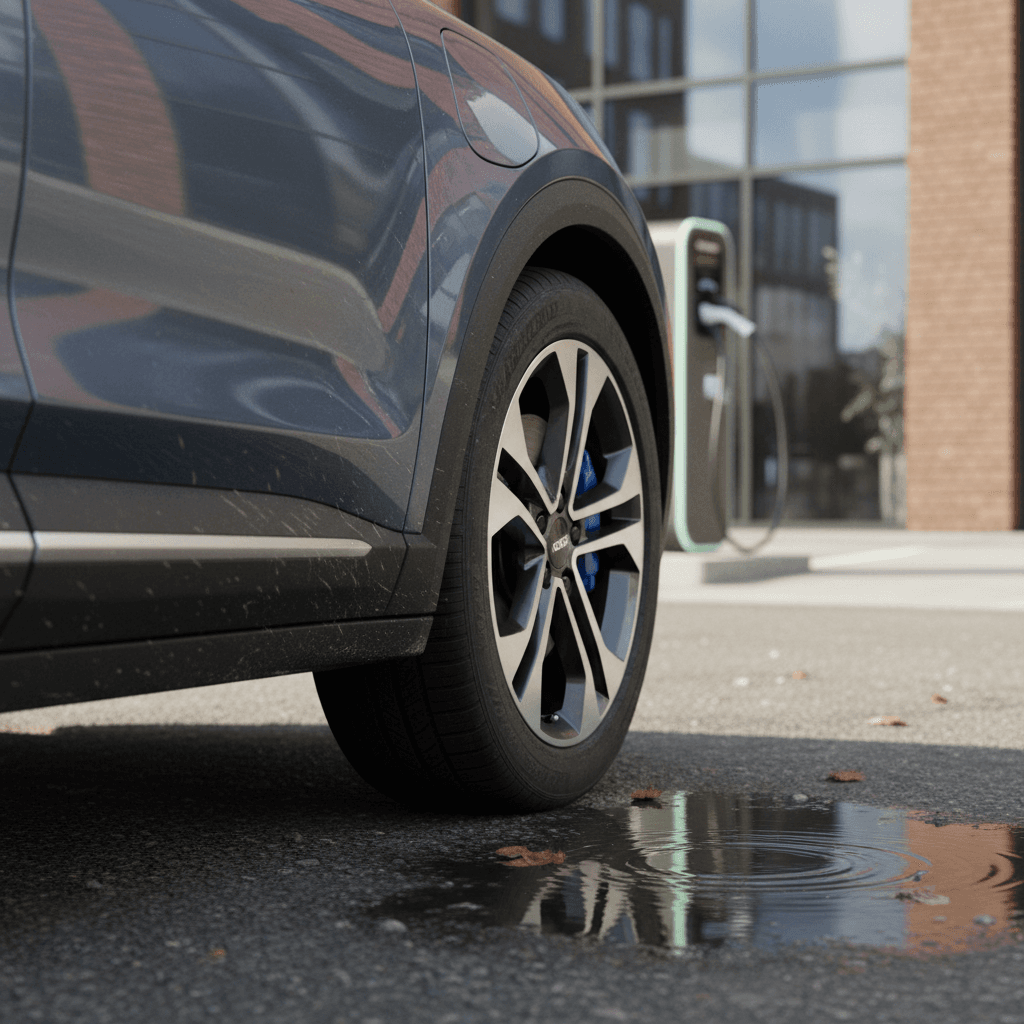
Don’t forget charging access
Why used EVs can be the best cars for the money
Here’s where things get interesting. Because new EVs are still relatively expensive and can depreciate faster than comparable gas cars, the used EV market is full of bargains, if you know how to separate the gems from the question marks.
- Many 2–4‑year‑old EVs sell for a fraction of their original price, even with low mileage.
- Battery tech has improved quickly; newer packs can handle more cycles with less degradation.
- Over‑the‑air software updates mean you may inherit new features without paying new‑car prices.
- EVs have fewer moving parts (no oil changes, transmissions, exhaust systems), which can lower maintenance costs.
The catch: battery health
This is exactly the gap companies like Recharged are built to address. Every used EV on the Recharged marketplace comes with a Recharged Score battery health report, pricing benchmarked to current market data, and EV‑specialist support so you’re not guessing about the most expensive component on the car.
How to evaluate a used EV’s real value
Used EV value checklist
1. Get a real battery health report
Don’t rely on an in‑car range estimate alone. Look for a third‑party or marketplace‑provided diagnostic, like the <strong>Recharged Score</strong>, that measures usable capacity vs. the original battery size.
2. Understand DC fast‑charging history
Excessive high‑power fast charging can accelerate degradation. Ask the seller for charging history or telemetry if available, and be wary of ride‑hail or fleet vehicles with heavy DC‑fast‑charge use.
3. Check warranty coverage
Most EV battery warranties run 8 years or around 100,000 miles. A car still under battery warranty can be worth more than a similar one just outside that window.
4. Factor in software and support
Some older EVs lose software support or connectivity over time. Confirm that important features, navigation, charging integration, remote app functions, are still supported and updateable.
5. Compare price to remaining range
Think in terms of dollars per mile of real‑world range. A slightly more expensive EV with a healthier battery can be the better deal over 5–10 years.
6. Use a transparent marketplace
Buying through a platform that specializes in EVs, like <strong>Recharged</strong>, with nationwide delivery, trade‑in support and EV‑savvy advisors, can reduce the risk of expensive surprises.
Ownership costs: looking beyond the sticker price
Whether you’re eyeing a Civic, a Kona Electric or a used Tesla Model 3, the best car for the money is the one with manageable monthly and yearly costs after you drive off the lot. That means paying attention to total cost of ownership, not just MSRP.
The five pillars of car value
Run through these before you sign anything.
1. Depreciation
How quickly will the car lose value? Mainstream models from Honda, Toyota, Hyundai and Kia often hold value better than niche vehicles, and clean‑title used EVs with healthy batteries can be depreciation sweet spots.
2. Fuel or electricity
Compare real‑world mpg (or kWh/100 miles) to your driving pattern. If you drive 15,000+ miles per year, the savings from a hybrid or EV can easily outweigh a slightly higher payment.
3. Insurance & taxes
Insurance quotes can vary by hundreds per year between models. Get real quotes before you fall in love. Also check how your state taxes EVs, hybrids and gas cars differently.
4. Maintenance & repairs
Some brands have higher parts and labor costs. EVs skip oil changes and many wear items, but out‑of‑warranty battery or electronics repairs can be costly, another reason battery health and warranty status matter.
5. Financing costs
In a high‑rate environment, the interest portion of your payment is non‑trivial. A slightly cheaper car or a shorter term can save you thousands over the life of the loan.
Bonus: Charging infrastructure
For EVs, map out home, work and public charging. A cheap EV that forces you into expensive DC fast charging every week won’t feel like a bargain for long.
Run the numbers over 5 years
Financing, trade‑ins and getting a fair deal
Even the best car for the money can become a bad deal if the financing is lopsided or your trade‑in is undervalued. Treat the structure of the deal with the same scrutiny you give to the car itself.
Smarter financing moves
- Shop interest rates with your bank or credit union before you visit a dealer, so you know what “good” looks like.
- Aim for the shortest term you can comfortably afford. 72–84‑month loans can trap you in negative equity.
- Be wary of add‑ons (extended warranties, coatings, extras) rolled into the loan; they increase both your principal and the interest you pay.
Leveraging your trade‑in or sale
- Get multiple trade‑in or instant‑offer quotes so you’re not guessing at your car’s value.
- For EVs, make sure your battery health is documented; a clean report can boost your offer.
- On Recharged, you can trade in, get an instant offer, or consign your EV, with transparent pricing and nationwide buyer reach.
Why pre‑qualification helps
Ready to find your next EV?
Browse VehiclesCommon mistakes when chasing the “best car for the money”
- Focusing only on the monthly payment and stretching the loan to make the number work.
- Ignoring insurance, registration and fuel/electricity costs when comparing cars.
- Buying an EV without verifying battery health or checking local charging options.
- Overvaluing optional tech or luxury features that don’t affect long‑term value.
- Skipping independent research and relying solely on dealer pitches or a single review.
Value trap: cheapest isn’t always best
Best cars for the money: FAQ
Frequently asked questions about the best cars for the money
Bottom line: the best car for the money is the one that fits you
When you cut through the marketing, the best cars for the money in 2025 share the same DNA: reasonable pricing, strong safety and reliability, and predictable costs over the long haul. Compact standouts like the Honda Civic, value‑packed SUVs like the Hyundai Tucson and Kia Sportage Hybrid, and carefully chosen used EVs with documented battery health are all smart starting points.
Your job is to align those proven value plays with your own life: how far you drive, where you can charge, how long you plan to keep the car and what kind of payment really fits your budget. If you’re leaning toward an EV and want help cutting through the noise, browsing battery‑verified vehicles on Recharged, with transparent pricing, financing, trade‑in options and nationwide delivery, can turn a high‑stakes decision into a clear, data‑driven choice.