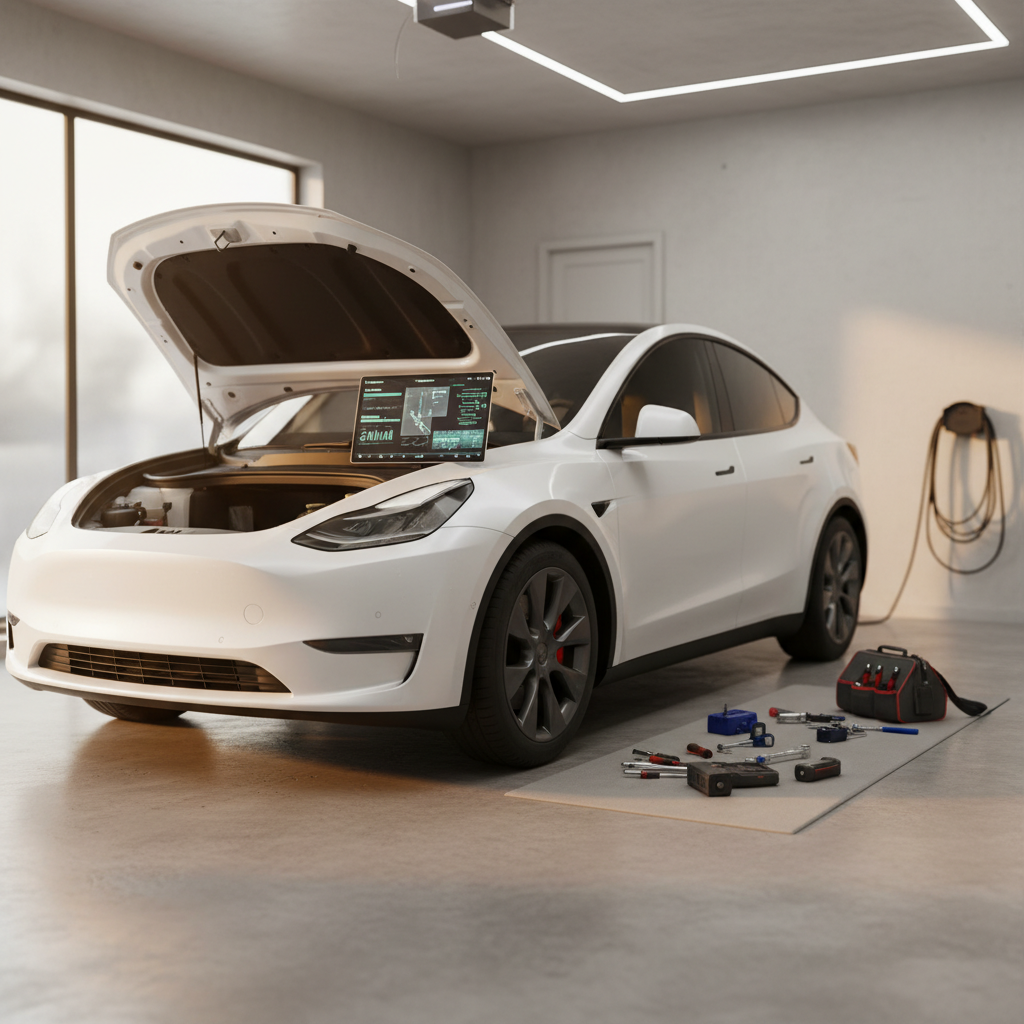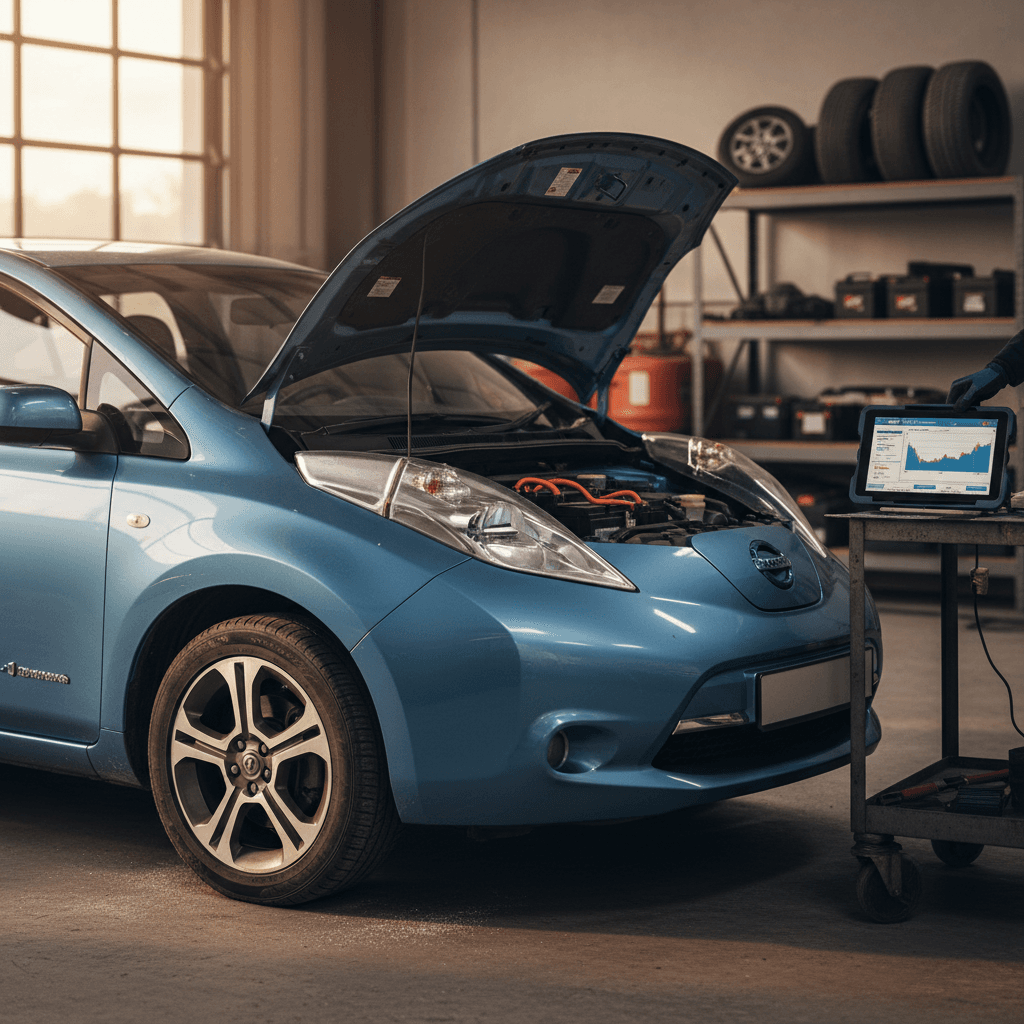
When people search for the best battery vehicle, they usually mean one of three things: the longest range, the longest‑lasting battery, or the best overall value. The truth is, no single electric car wins in every category. Instead, the smart move is to match the battery and vehicle to how you actually drive, especially if you’re considering a used EV.
Key takeaways
What does “best battery vehicle” really mean in 2025?
Ask ten EV owners what the best battery vehicle is and you’ll get ten different answers. Some will point to record‑setting range numbers. Others care more about how the battery holds up after 100,000 miles, or how fast they can charge on a road trip. To make sense of it, it helps to break “best” into a few clear dimensions:
- Range per charge – how far you can realistically drive on a full battery.
- Longevity – how well the battery resists degradation over years and miles.
- Charging performance – how quickly you can add useful range at DC fast chargers and at home.
- Efficiency – miles per kWh; how much driving you get from each unit of energy.
- Value – purchase price, incentives, and total cost of ownership.
Match the battery to the job
Battery basics: range, lifespan, and charging
Before we name specific models, it’s worth grounding ourselves in how EV batteries work in the real world. Modern EVs use large lithium‑ion packs made of many individual cells, managed by a battery management system (BMS) that controls temperature, charging, and discharging to maximize life.
Three pillars of a great EV battery
Range is only one part of the story
Real‑world range
Degradation resistance
Charging speed
Cold‑weather reality check
Long‑range leaders: best battery vehicles for range
If range is your top priority, a handful of modern EVs stand out for squeezing the most miles from each charge. Remember, EPA estimates are usually more conservative than WLTP or CLTC numbers you see from overseas models.
Long‑range battery vehicle standouts (2025, U.S. focus)
Representative models known for strong battery range and efficiency. Always confirm current EPA ratings before you buy, as trims and wheels change numbers.
| Model | Type | Approx. EPA range (mi) | Battery size (kWh, usable approx.) | Highlights |
|---|---|---|---|---|
| Lucid Air Grand Touring | Luxury sedan | ≈ 500+ | ≈ 112 | Exceptional efficiency and ultra‑long range; record‑setting single‑charge drives in real‑world testing. |
| Tesla Model 3 Long Range (updated) | Compact sedan | ≈ 340–360 | ≈ 75–80 | Very efficient with strong DC fast‑charging network access via Superchargers. |
| Hyundai Ioniq 6 RWD | Midsize sedan | ≈ 320 | ≈ 77 | Sleek aero design that prioritizes efficiency over height and size. |
| Kia EV6 RWD | Crossover | ≈ 300 | ≈ 77 | 800‑V architecture enables very fast charging with solid real‑world range. |
| Tesla Model Y Long Range | Compact SUV | ≈ 300 | ≈ 75–80 | Family‑friendly packaging with strong charging network coverage. |
| Chevrolet Equinox EV FWD (higher trims) | Compact SUV | ≈ 300 | ≈ 85 | Targets mainstream price point while offering competitive range and practicality. |
These examples illustrate how different body styles and price points stack up on range. They are not exhaustive of the market.
Range vs. price
How much range do drivers really need?
Best battery vehicles by category
The best battery vehicle for a city commuter isn’t the same as the best choice for a family that road‑trips cross‑country. Here’s how the standouts shake out by use case, with an eye toward U.S. availability and practicality.
Category winners: matching battery to your life
Examples, not endorsements of one specific trim
Best for commuting and urban driving
Compact sedans and hatchbacks with 55–70 kWh packs shine here. Think updated Tesla Model 3 or similar efficient sedans.
- Easy to park, light on energy use.
- 200–300 miles of range is more than enough for daily driving.
- Lower battery replacement risk if you keep mileage modest.
Best for families
Compact and midsize crossovers like Kia EV6, Hyundai Ioniq 5, or Tesla Model Y balance range and space.
- Comfortable seating for kids and cargo.
- Fast‑charging on road trips.
- Battery sizes in the 70–85 kWh range hit a sweet spot.
Best for road‑trip warriors
If you regularly cross states, long‑range sedans and larger SUVs stand out.
- Lucid Air‑type sedans for maximum range and efficiency.
- Larger pack SUVs trade efficiency for space and capability.
- Look closely at DC fast‑charge curves, not just the peak kW number.
Best value picks
Emerging mainstream EVs from Chevrolet, Hyundai, Kia, and others aim for sub‑$40k pricing with 250–300 miles of range.
- Smaller batteries that are cheaper to replace out of warranty.
- Often qualify for federal and state incentives.
- Used examples can offer exceptional value if the battery is healthy.
Don’t sleep on used EVs
Ready to find your next EV?
Browse VehiclesBattery tech showdown: LFP vs NMC vs next‑gen
Under the skin, not all EV batteries are created equal. The chemistry inside the cells affects cost, range, charging behavior, and how the pack ages. The main flavors you’ll see in today’s best battery vehicles are LFP, NMC, and a handful of emerging chemistries.
LFP (Lithium Iron Phosphate)
- Strengths: Excellent cycle life, very stable, generally cheaper per kWh, and tolerant of regular 100% charges.
- Trade‑offs: Slightly lower energy density, so range for a given pack size can be lower than NMC.
- Best for: City‑focused EVs, fleet vehicles, and value‑oriented trims where longevity and cost beat maximum range.
NMC (Nickel Manganese Cobalt) and relatives
- Strengths: Higher energy density and strong fast‑charging capability when well‑cooled.
- Trade‑offs: More expensive, and packs typically prefer not to sit at 100% for long periods.
- Best for: Long‑range sedans and crossovers where every mile of range counts.
Next‑gen and jumbo PHEV batteries
How to choose the best battery vehicle for you
Choosing the best battery vehicle isn’t about reading spec sheets until your eyes glaze over. It’s about a short list of practical questions you can answer honestly. Once you know those answers, you can quickly narrow the field to a handful of great fits.
Quick checklist: narrowing down your best battery vehicle
1. Map your real range needs
List your longest regular trips and how often you take them. If you drive 250 miles a day once or twice a year, you don’t need a 400‑mile EV, you need one that charges quickly on the highway.
2. Decide how you’ll charge
If you have access to a 240‑V Level 2 outlet at home, almost any EV will be convenient. If you rely on public charging, prioritize vehicles with fast‑charging hardware and good access to dense networks like Tesla Superchargers.
3. Set a realistic budget
Decide your comfortable payment or cash price, then work backward. A slightly smaller battery with lower monthly payments may be a better fit than stretching for the biggest pack on the market.
4. Prioritize longevity vs. performance
If you plan to keep the car a long time, a chemistry known for long cycle life and a conservative charging routine matter more than 0–60 mph times.
5. Think beyond the spec sheet
Test drive candidates back‑to‑back. Check seating position, visibility, and cargo space. The best battery in the world won’t save you from a vehicle you don’t enjoy driving.
Use range calculators, then add a buffer
Buying a used EV: why battery health matters most
With new EV prices still relatively high, many shoppers are rightly looking at used electric vehicles. In that world, the best battery vehicle isn’t necessarily the one that left the factory with the biggest pack, it’s the one whose battery has aged gracefully and been treated well.
What can go wrong with an EV battery?
- Capacity loss: Over time, you lose a slice of usable kWh, which means fewer miles per charge.
- Cell imbalances: A few weak modules can drag down the entire pack, causing odd behavior or early shutdown at low states of charge.
- Thermal issues: A damaged cooling system can accelerate degradation or limit fast‑charging speeds.
What you want in a used EV
- Documented battery health: A report showing current usable capacity and pack condition.
- Clear fast‑charging history: Occasional DC fast charging is fine; constant high‑rate use may age the pack faster.
- Software up to date: The latest BMS calibrations often improve range estimates and longevity.
How Recharged helps on the used side
Used EV battery checklist before you buy
Ask for a recent battery health report
Don’t settle for vague assurances like “the battery seems fine.” You want real numbers on remaining capacity and any error codes.
Confirm warranty coverage
Many EV batteries carry 8‑year / 100,000‑mile (or similar) warranties. Check the in‑service date and mileage to see how much protection remains.
Test a full‑to‑low drive
If possible, drive the vehicle from a high state of charge down to 10–20% and compare the miles traveled to the displayed range. Huge mismatches can signal issues.
Inspect charging behavior
Plug into a DC fast charger and see whether the car reaches a reasonable peak and holds a healthy charging curve. Sudden throttling can point to cooling or cell problems.
Battery, cost of ownership, and resale value
The best battery vehicle doesn’t just drive well, it protects your wallet over time. Batteries are the single most expensive component in an EV, so how they age directly affects resale value and cost of ownership.
Operating costs
- Electricity vs. gas: Even with regional variations, per‑mile energy cost for EVs is typically lower than gasoline, especially if you can charge at home off‑peak.
- Maintenance: No oil changes, fewer moving parts, and regenerative braking usually mean lower routine service costs.
- Battery health: A healthier pack keeps efficiency high and avoids expensive repairs or replacements.
Resale value
- Range sells: All else equal, EVs with more remaining real‑world range command higher prices.
- Transparency helps: Documented battery health boosts buyer confidence and resale value.
- Market perception: Models with strong reliability records and good charging support tend to hold value better over time.
Beware of the “cheap but tired” EV
Frequently asked questions about the best battery vehicles
Frequently Asked Questions
The bottom line on the best battery vehicle
When you strip away the marketing buzz, the “best battery vehicle” is simply the EV whose battery pack matches your life: enough range for your longest regular trips, charging that fits your routine, and a track record of durability that protects your wallet over the long haul. For some, that’s a cutting‑edge long‑range sedan; for many others, it’s a practical crossover with 250–300 miles of honest range and strong fast‑charging support.
If you’re shopping used, the real differentiator isn’t the badge on the hood, it’s the verified health of the battery underneath. That’s why platforms like Recharged focus on transparent battery diagnostics, fair market pricing, and expert EV guidance from start to finish. Get that piece right, and you’re far more likely to end up with the best battery vehicle for you, not just the best‑sounding specs on paper.