Buy an EV

  • EVs for sale
  • Learn about EVs
  • Articles
  • Charging

Sell or trade

  • How it works

Financing

  • Get pre-qualified
  • Credit application

Contact us

  • Book a consultation
  • Call us at (804) 390-5910
  • Email us at hello@recharged.com
  • Visit our Experience Centers
    • Richmond, VA
    • Fairfax, VA
    • Charlotte, NC

© 2025 Recharged. All Rights Reserved.

7-Day Return Policy·Privacy Policy·SMS Opt-In·Do Not Sell or Share My Information·
TikTokYouTubeInstagramLinkedInFacebook
    Best Auto Loans for Used EVs in 2026: Rates, Lenders & Smart Strategies
    Financing·10 min read·By Recharged Editorial Team

    Best Auto Loans for Used EVs in 2026: Rates, Lenders & Smart Strategies

    used-ev-financingauto-loansev-loan-ratescredit-union-loansonline-auto-lendersrecharged-scoreused-ev-buying-guideloan-preapprovalev-refinance

    Table of Contents

    • Why used EV loans are different in 2026
    • Current used EV loan rates and terms
    • Best places to get a used EV loan in 2026
    • How to compare auto loans for used EVs
    • Financing a used EV through Recharged
    • Using EV‑specific loans, discounts, and incentives
    • Loan strategies by credit score band
    • How loan terms affect the true cost of your used EV
    • Step‑by‑step checklist for used EV financing
    • Common pitfalls to avoid with used EV loans
    • Best auto loans for used EV 2026: FAQ
    • Key takeaways on used EV loans in 2026

    If you’re shopping for a used electric vehicle in 2026, the loan you choose will matter just as much as the car itself. With higher interest rates than a few years ago and federal EV tax credits for used cars now gone, finding the best auto loans for a used EV in 2026 is how you keep your payment, and your total ownership cost, under control.

    2026 used EV financing at a glance

    Average used auto APRs in 2025 hovered around the high‑single digits, and many lenders still price used EVs like any other used car. The big opportunity in 2026 isn’t a single magic lender, it’s knowing which types of lenders favor EVs, how to structure your loan, and how to use tools like the Recharged Score to negotiate from a position of strength.

    Why used EV loans are different in 2026

    On the surface, a used‑EV loan looks just like any other used‑car loan: same application, same credit pull, same monthly payment. Under the hood, a few 2026 realities make used‑EV financing its own category, and they should shape how you shop for money, not just metal.

    • No more federal used‑EV tax credit. As of October 2025, the federal credit of up to $4,000 for qualifying used EVs has been eliminated, so you can’t count on the IRS to buy down your financed amount anymore.
    • New auto‑loan interest deduction. A new federal provision allows some buyers to deduct interest on qualifying auto loans for U.S.‑assembled vehicles purchased from 2025 onward. Not every used EV will meet the criteria, but if yours does, it can partially offset higher rates when you file taxes.
    • Battery health matters to lenders. A used EV with documented battery health and strong resale data is an easier sell to an underwriter than one with unknown history. That’s where something like the Recharged Score Report becomes a real advantage.
    • Rapid technology cycles. Because EV tech is improving quickly, lenders pay close attention to model‑year, range, and demand. A well‑known used Tesla Model 3 may get better loan terms than a little‑known low‑range EV, even at the same price.

    Think like a lender

    When you apply for a used‑EV loan, the bank isn’t just evaluating you, they’re evaluating the car. Choosing a model with strong resale demand, a clean history, and verified battery health will usually open more doors and better rates.

    Current used EV loan rates and terms

    Used EV loan landscape in early 2026

    ≈9–11%
    Typical APR range
    Rough band many borrowers with solid credit see on used‑car loans in 2025–26, before EV discounts or relationship perks.
    48–72 mo
    Common terms
    Most used‑EV loans stretch 4–6 years; longer terms lower payment but raise total interest cost.
    +0.25%
    EV discounts
    Some credit unions shave around a quarter‑point off your auto rate when you finance a hybrid or full EV.
    130% LTV
    High LTV allowed
    Many lenders will finance tax, fees, and add‑ons on top of the vehicle price, tempting, but risky on a fast‑depreciating asset.}]},{
    EVs on Recharged

    See all →
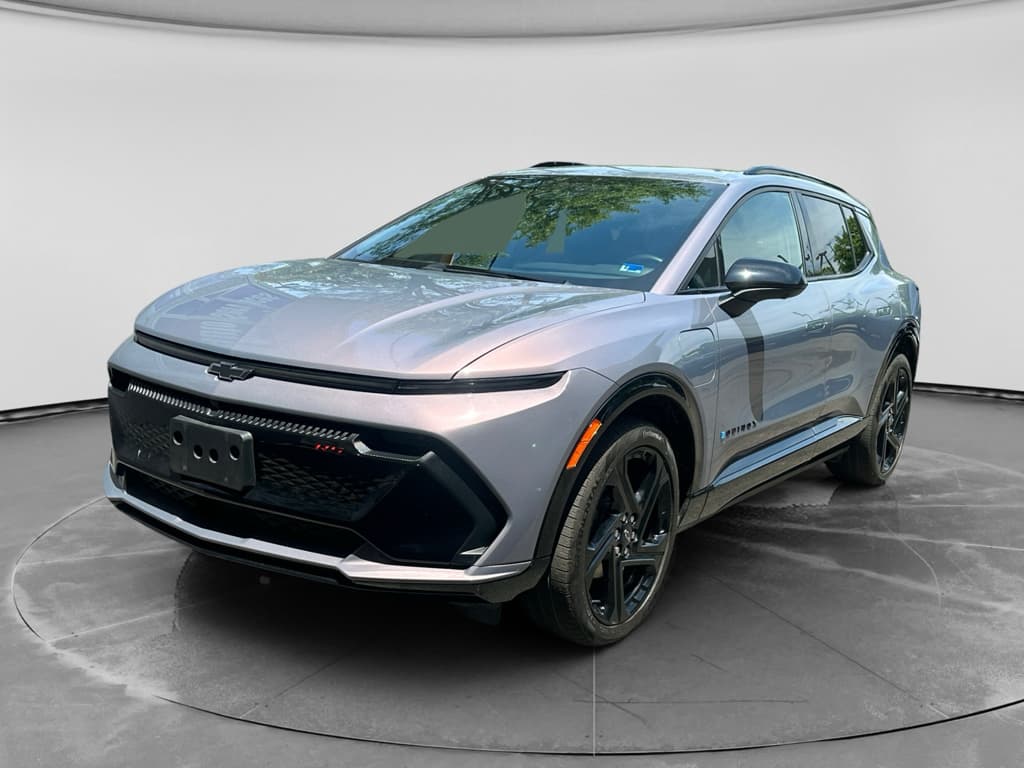
    2024 Chevrolet Equinox EV

    2024 Chevrolet Equinox EV

    RS•28K mi•319 mi range
    Pending Recharged Score
    $25,599
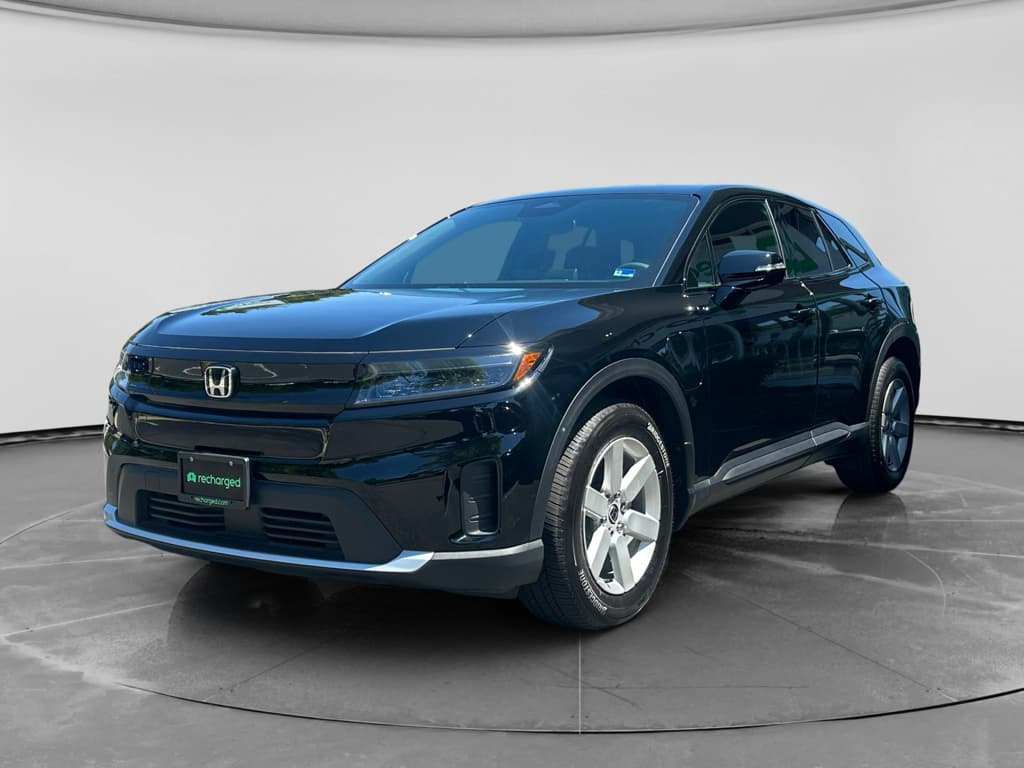
    2024 Honda Prologue

    2024 Honda Prologue

    EX•1K mi•281 mi range
    Pending Recharged Score
    $25,999
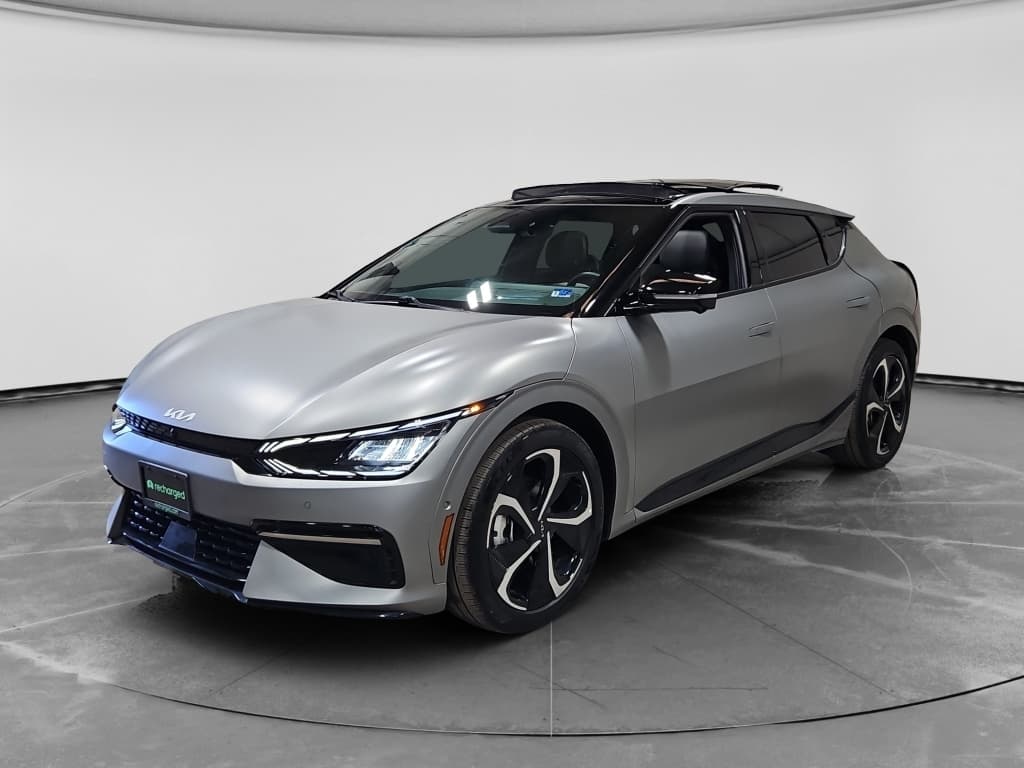
    2023 Kia EV6

    2023 Kia EV6

    GT-Line•30K mi•239 mi range
    4.8/5Recharged Score
    $29,599

    Related Articles

    North Carolina EV Tax Credit 2026: What Still Exists (And What Doesn’t)
    Incentives & Tax Credits·9 min

    North Carolina EV Tax Credit 2026: What Still Exists (And What Doesn’t)

    Wondering about the North Carolina EV tax credit in 2026? Learn what federal and state incentives still exist for EVs, chargers, & home upgrades, and what ended.

    north-carolinaev-tax-creditev-incentives
    How Much Does It Cost to Own a BMW i7 Per Year? 2025 Guide
    Ownership & Costs·10 min

    How Much Does It Cost to Own a BMW i7 Per Year? 2025 Guide

    See what it really costs to own a BMW i7 per year, payment, insurance, charging, maintenance, depreciation & more, with numbers tailored to U.S. EV shoppers.

    bmw-i7luxury-evev-ownership-costs
    Kia Niro EV Winter Range Loss: What to Expect & How to Fix It
    Battery & Range·10 min

    Kia Niro EV Winter Range Loss: What to Expect & How to Fix It

    Worried about Kia Niro EV winter range loss? Learn how much range you really lose in cold weather and the best tips to protect range on daily drives and road trips.

    kia-niro-evwinter-rangecold-weather-driving