Type “the best auto body shops near me” into your phone after a crunch in traffic and you’ll get a wall of choices, sponsored ads, star ratings, big franchise names, and mom‑and‑pop shops you’ve never heard of. The stakes are high: the wrong choice can mean unsafe repairs, insurance headaches, and lost resale value, especially if you drive an electric vehicle.
Quick takeaway
Why finding the best auto body shop near you matters
Modern cars, especially EVs, are rolling computers built from a mix of high‑strength steel, aluminum, plastics, sensors, and cameras. A collision repair today is about far more than pulling dents and spraying paint. Done right, the repair restores your car’s crash performance, advanced driver‑assistance systems (ADAS), and resale value. Done wrong, it can leave you with hidden structural damage, mis‑calibrated cameras, and a Carfax report that scares off future buyers.
For used EV shoppers and owners, this matters even more. Battery packs sit low in the vehicle, and impact damage or improper lifting can quietly shorten battery life or trigger expensive future issues. At Recharged, every vehicle’s history and condition, including prior body work, feed into the Recharged Score, so we see the difference between quality repairs and corner‑cutting every day.
What actually makes an auto body shop “the best”?
4 pillars of a truly great auto body shop
Use these as your mental checklist when you search "best auto body shops near me."
Safety first
Quality & equipment
Training & certifications
Transparency & warranty
Pro tip
Average auto body repair costs in 2025
Before you compare “cheap” vs “expensive,” it helps to know what typical auto body repair costs in 2025 look like across the U.S. These are ballpark ranges, not quotes, but they’ll keep you from being totally in the dark when estimates hit your inbox.
Typical 2025 auto body repair ranges
Auto body repair cost breakdown by job type (2025 national averages)
Use this to sanity‑check quotes from local shops. EVs and luxury vehicles often sit toward the higher end of each range.
| Repair type | Typical 2025 cost range (USD) | What drives the price |
|---|---|---|
| Paintless dent repair (PDR) | $75 – $400 | Dent size, depth, and access behind the panel. |
| Scratch repair (single panel) | $200 – $600 | Depth of scratch, color matching, and blending to adjacent panels. |
| Bumper repair / replacement | $300 – $1,600+ | Plastic vs. metal, built‑in sensors or cameras, repainting and blending. |
| Panel repair or replacement | $500 – $2,500 | Aluminum vs. steel, panel size, and whether OEM or aftermarket parts are used. |
| Frame straightening / structural | $600 – $3,000+ | Severity of damage, time on the frame machine, and alignment checks. |
| Full vehicle repaint | $1,000 – $5,000+ | Paint quality, prep work, vehicle size, and whether color is changed. |
These are non‑binding ranges, but if a quote is far outside them, ask the shop to explain why.
Watch the “too good to be true” estimate
How to search for the best auto body shops near me
3 reliable ways to find great local body shops
Use more than one method, you’re building a short list, not choosing yet.
1. Map apps & search
2. Word‑of‑mouth referrals
3. Insurance & OEM tools
- Build a short list of 3–5 shops within a reasonable drive.
- Confirm they repair your vehicle type (EV, aluminum body, luxury, etc.).
- Check their websites or Google profiles for certifications and before/after photos.
- Make one quick phone call to each, how they treat you on the phone is often how they’ll treat you during the repair.
Must‑have certifications and training to look for
You don’t need to become a body‑shop engineer. You just need to recognize a few key logos and what they roughly mean for you and your car.
Certification cheat sheet
I‑CAR Gold Class
Indicates the shop invests in structured collision‑repair training across estimators, body techs, refinishers, and welders. It’s widely regarded as a baseline for modern, safe repairs.
ASE certifications
ASE‑certified technicians have passed independent tests on automotive repair knowledge. You’ll often see this more for mechanical work, but it’s a good sign of professionalism.
OEM collision certification
Many brands (Ford, GM, Tesla, Hyundai, etc.) run collision‑center programs. Certified shops have the equipment, training, and facility standards the automaker requires, and often access to specialized parts and procedures.
EV‑specific or aluminum training
Look for mentions of <strong>aluminum structural repair</strong>, <strong>high‑voltage safety</strong>, or specific EV programs. This is crucial if you drive an electric vehicle or an aluminum‑intensive car or truck.
Do certifications really matter?
EV owners: how to choose a safe, EV‑ready body shop
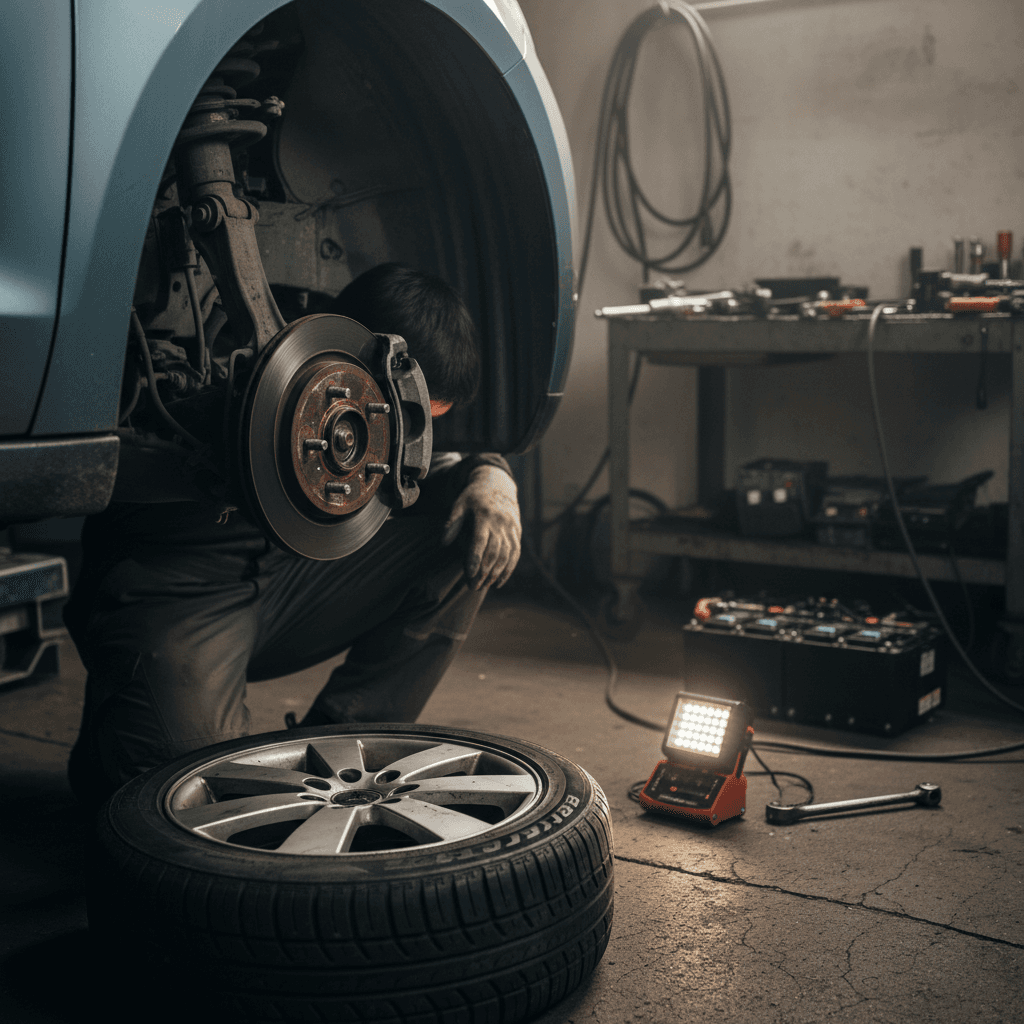
If you drive a used or new EV, your checklist gets a little longer. A shop that’s excellent with conventional cars may still be learning the ropes on battery‑electric models. That learning curve shouldn’t happen on your vehicle.
What an EV‑ready body shop should be able to explain
Ask these questions up front, over the phone is fine.
High‑voltage safety procedures
Battery & underbody inspection
Weight & alignment considerations
Post‑repair scans & calibrations
Where Recharged fits in
How to compare estimates like a pro
1. Insist on itemized estimates
An estimate should break down labor hours, parts, materials, and taxes. If you only see one big number, ask for more detail. It’s the only way to compare apples to apples across multiple shops.
Pay attention to line items labeled “mechanical,” “structural,” and “calibration”, that’s where many of the real safety‑critical tasks live.
2. Look at more than just price
When you place estimates side by side, look at:
- OEM vs. aftermarket vs. used (recycled) parts
- Whether they plan to repair or replace key components
- How much time is allowed for structural work and paint prep
- Notes about scans and calibrations for ADAS
Sometimes a higher quote simply reflects better parts and more thorough procedures.
Green flag
Working with insurance without losing control
After a crash, it’s easy to feel like the insurance company is in the driver’s seat. Remember: in most states, you have the right to choose the body shop, even if your insurer has a “preferred” network.
Insurance & body shop: how to stay in control
1. File the claim quickly
Report the accident promptly and get a claim number. You’ll need it for estimates, rentals, and any supplemental approvals.
2. Get at least two estimates you trust
You’re not required to use the shop your insurer suggests. Pick shops you feel confident in, then let the insurer compare.
3. Ask how supplements are handled
Once the car is torn down, shops often find additional damage. Ask how your shop communicates supplements to you and the insurer so there are no surprises.
4. Clarify rental coverage and timelines
Know how many rental days your policy covers and what happens if repairs take longer. Good shops will help you plan around parts delays.
5. Keep everything in writing
Confirm approvals, changes, and completion dates in email or text threads. It makes disputes much easier to resolve later.
Don’t let anyone say “we’ll just bend that back”
Red flags when choosing a body shop
- Won’t discuss or show OEM repair procedures, everything is “we’ve always done it this way.”
- No mention of I‑CAR, OEM, or EV‑specific training anywhere on the walls or website.
- Reluctance to provide a written estimate or warranty.
- Pressure to skip insurance and “just do it cheap for cash.”
- Paint booth or shop space looks dirty, disorganized, or full of overspray on cars waiting for delivery.
- They talk down to you for asking questions. A great shop respects an informed owner.
How body repair affects resale value, especially for EVs
Any significant collision will show up in vehicle history reports, and buyers will notice. What they can’t see from a report is the quality of the repair. Clean panel gaps, consistent paint texture, properly working driver‑assist features, and thorough documentation all help protect the car’s future value.
For EVs, the stakes go up again. A hard hit near the floor, battery, or suspension that’s poorly repaired can lead to uneven tire wear, range issues, or electronic gremlins later. That’s exactly why Recharged leans on both physical inspections and battery health diagnostics when evaluating used EVs, because not all “fixed” cars are created equal.
“The best body repairs are the ones you can’t see, and the ones that restore the car to crash‑ready condition, not just driveway‑ready shine.”
Step‑by‑step checklist to pick the right shop
Your 10‑step plan to choose the best auto body shop near you
1. Document the damage
Take clear photos of all visible damage, the scene (if safe), and the VIN sticker. This helps with both estimates and insurance.
2. Search locally and build a short list
Use search terms like <strong>“the best auto body shops near me”</strong>, then filter by strong recent reviews and photos of similar repairs.
3. Check certifications and EV readiness
Look for I‑CAR Gold Class, OEM programs, EV or aluminum training, and modern equipment in photos and descriptions.
4. Call and ask 3 key questions
Can you repair my specific make/model (and EV if applicable)? What certifications do you hold? Do you follow OEM repair procedures and perform scans/calibrations?
5. Visit top contenders in person
A quick walk‑through tells you about cleanliness, organization, and how staff interacts with customers. Trust your gut here.
6. Get written, itemized estimates
Request estimates from at least two shops, including parts type (OEM/aftermarket/used), labor hours, and any calibration work.
7. Compare more than price
Weigh quality indicators, parts choice, procedures, warranty, communication, alongside the bottom line.
8. Confirm insurance cooperation
Make sure your chosen shop works smoothly with your insurer and explains how supplements and rental coverage will work.
9. Get the warranty in writing
Ask how long the shop guarantees paint and structural repairs. Lifetime warranties on workmanship are common from high‑quality shops.
10. Stay in the loop during repairs
Ask for photo updates or milestone check‑ins. A good shop communicates; a great one makes you feel like a partner in the process.
Frequently asked questions about finding the best auto body shops near you
Best auto body shops near me: FAQ
The bottom line on finding the best body shop near you
When you’re shaken up from a crash, it’s tempting to pick the first shop that pops up under “the best auto body shops near me” and be done with it. But a few extra steps, checking certifications, asking smart EV‑specific questions, and comparing detailed estimates, can be the difference between a car that’s simply shiny again and one that’s truly safe, structurally sound, and ready for years of driving.
If you’re on the other side of the process and looking for a used EV that’s already been vetted, Recharged is built for that moment. Every vehicle includes a Recharged Score Report with verified battery health, transparent condition history, and expert guidance, so you’re not guessing how past body work might affect your next car. Whether you’re repairing the EV you love or replacing one that wasn’t so lucky, you deserve clear information and craftsmanship you can trust.