In 2025, the phrase best affordable cars feels almost like a contradiction. The average new car price in the U.S. has blown past $48,000, and some data puts it over $50,000, while monthly payments north of $800 are increasingly common. Yet if you’re smart about what you buy and how you buy it, there are still genuinely good, attainable cars out there, including some excellent used EVs that can slash your running costs.
Quick takeaway
Why “affordable cars” are hard to find in 2025
The 2025 car affordability crunch in numbers
Automakers have spent the last decade chasing high-margin trucks and large SUVs. That’s where the profits are, and it’s a big reason why the “average” new vehicle has drifted so far away from what a typical household can easily afford. At the same time, interest rates climbed, loan terms stretched, and more buyers ended up rolling negative equity from one car into the next.
The danger of chasing the payment
What “affordable” actually means today
1. Monthly payment that fits your life
A classic rule of thumb is to keep all car costs under 10% of take-home pay. In practice, many households are closer to 15%. When you’re shopping the best affordable cars, work backward from a total monthly budget that includes:
- Loan or lease payment
- Insurance
- Fuel or electricity
- Maintenance and repairs
2. Total cost of ownership, not just price
An “expensive” car with low running costs can be more affordable over five years than a cheap sticker-price car that drinks fuel and needs constant repairs. That’s why hybrids and used EVs often punch way above their price tag: you pay a bit more up front but much less every month after.
Set your personal affordability line
Best affordable gas cars and small SUVs
Let’s start with the simplest path: efficient, compact gas cars and small SUVs. If you just want reliable transportation with a manageable payment and decent features, these are the workhorses of affordability.
Standout affordable gas cars and small SUVs
Median prices are for typical equipment, not the absolute base stripper trim.
Nissan Sentra
Why it’s here: Compact sedan that keeps prices and running costs in check.
- Starting price around the low-$22,000s
- EPA combined fuel economy in the mid‑30s mpg
- Modern safety tech and a comfortable ride
If you’re okay with a sedan instead of an SUV, the Sentra is a classic value play.
Nissan Kicks
Why it’s here: One of the most budget-friendly small SUVs.
- Entry pricing in the low‑$22,000s
- Compact footprint, tall driving position
- Excellent fuel economy for an SUV
Great for city dwellers who want SUV shape without SUV thirst.
Chevrolet Trax
Why it’s here: A dramatically better new-generation small SUV that stayed cheap.
- Starts in the low‑$20,000s
- Surprising interior space for the size
- Simple, up-to-date tech
The Trax is a reminder that you don’t need a big crossover to have a practical family car.
Sedan vs. small SUV for affordability
Best affordable hybrids for fuel savings
If you log serious miles each year, the best affordable car for you may quietly be a hybrid. You’ll pay a bit more up front than a pure gas equivalent, but the fuel savings stack up quickly, and hybrids tend to be mechanically simple and durable.
- Compact hybrid sedans and hatchbacks can easily deliver 45–50 mpg in real-world driving.
- Maintenance schedules look a lot like gas cars, oil changes, tires, brakes, with fewer major repairs than many turbocharged engines.
- For commuters putting 15,000–20,000 miles a year on the clock, fuel savings alone can be $600–$800 annually compared with a 30‑mpg car.
When a hybrid is the most affordable choice
Best affordable electric cars (new)
New EVs still tend to cost more up front than gas cars, but a growing group of models sit in the low‑to‑mid‑$30,000s before incentives. Factor in lower fuel and maintenance costs and, in the right use case, these can belong on any list of the best affordable cars.
New EVs that keep prices (relatively) in check
Approximate starting prices shown before incentives and destination charges; actual dealer pricing and availability will vary.
| Model | Type | Approx. Starting Price | Approx. Range | Why it’s affordable |
|---|---|---|---|---|
| Nissan Leaf | Compact hatchback | ~$29,000 | ~150–214 miles | Among the lowest EV MSRPs; best for shorter commutes and home charging. |
| Mini Cooper Electric | Subcompact hatchback | Low‑$30,000s | ~200 miles (est.) | Fun-to-drive small EV that undercuts many larger electric crossovers. |
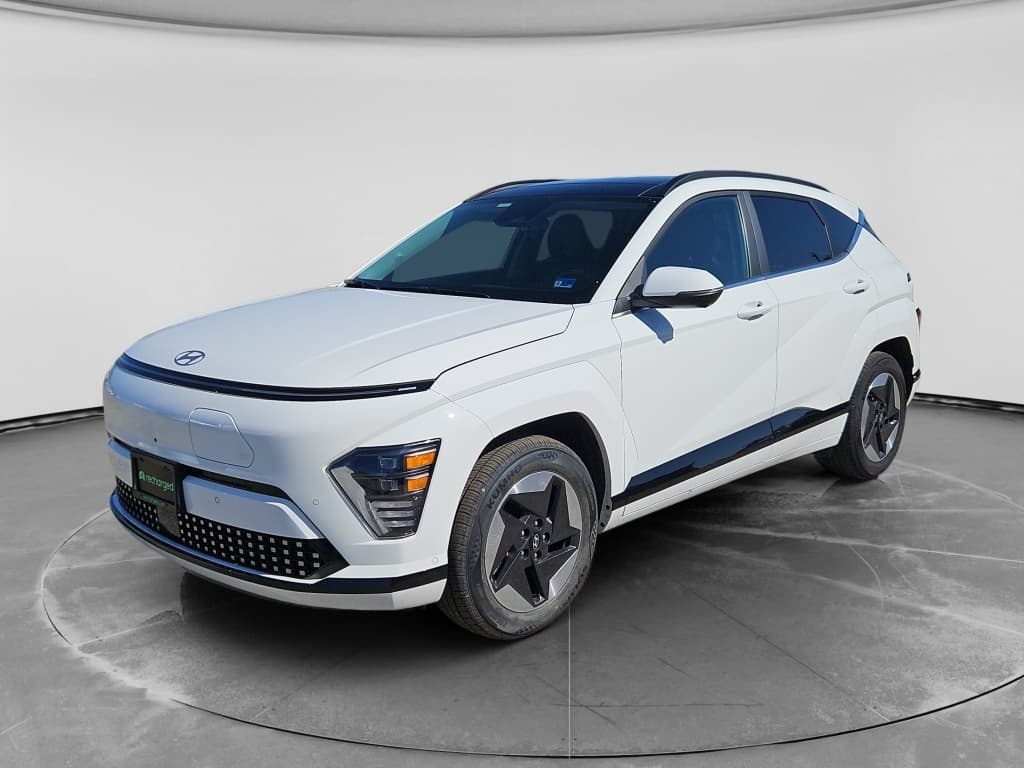
| Hyundai Kona Electric | Small SUV | Mid‑$30,000s | ~200–260 miles | Redesigned recently with more range and tech while staying price-competitive. |
| Chevrolet Equinox EV | Compact SUV | Mid‑$30,000s | ~300+ miles | Family-size range and space at a price far below premium EVs. |
| Hyundai Ioniq 6 | Midsize sedan | High‑$30,000s | ~240–340 miles | Streamlined sedan that pairs strong range with sedan-like pricing. |
Ranges are EPA estimates where available; always check current specs when you shop.
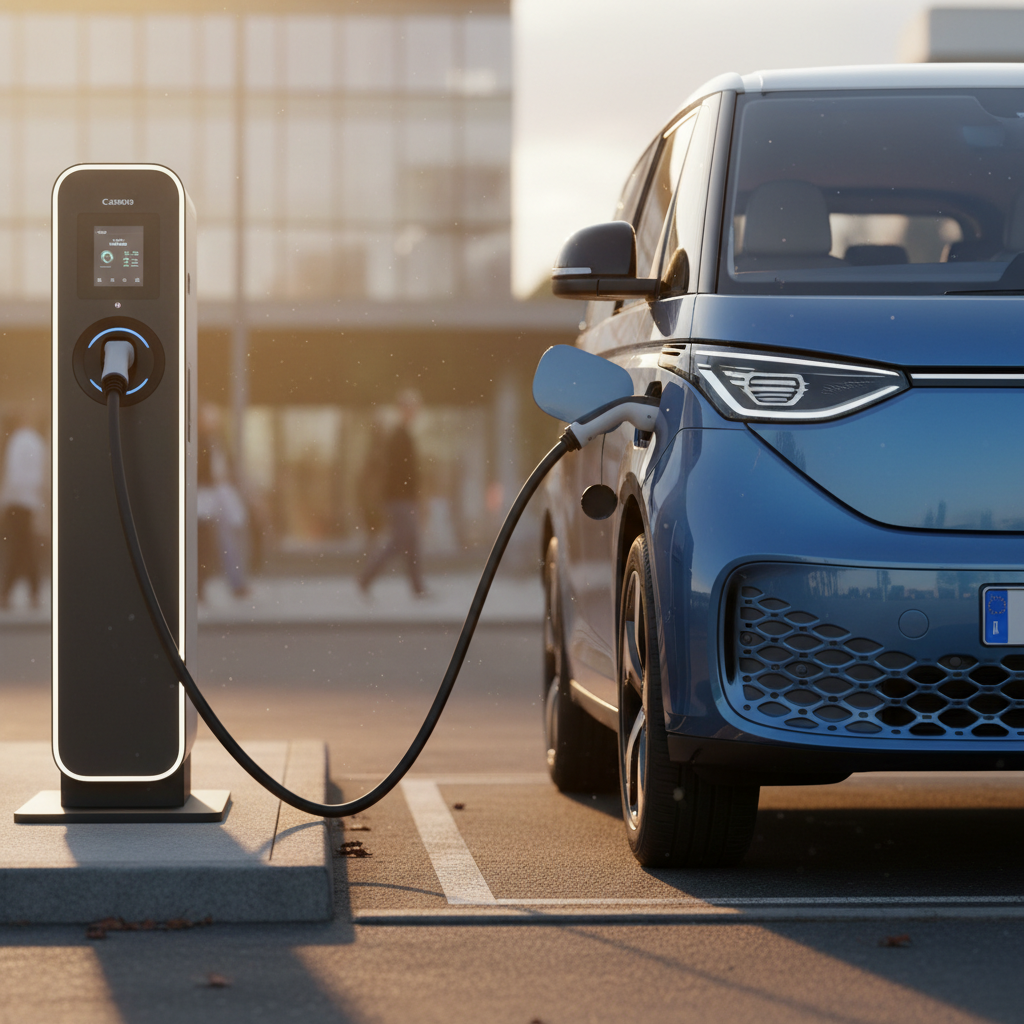
Watch the charging standard
Why used EVs are often the best affordable cars
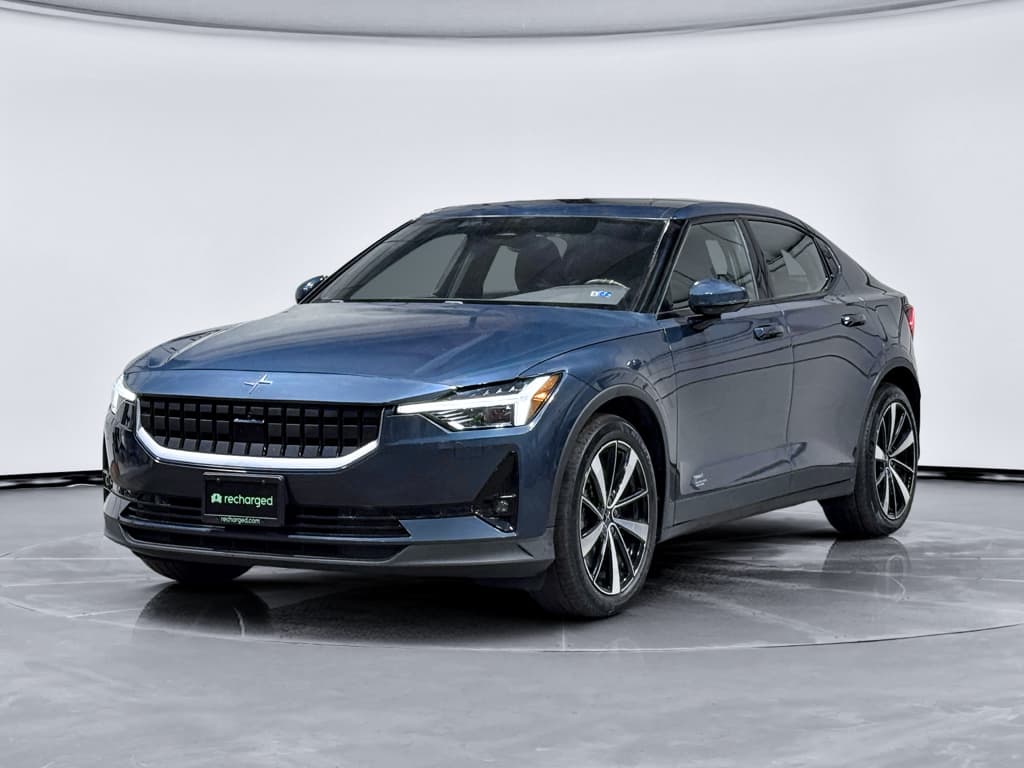
Here’s the twist that a lot of shoppers miss: because new EVs were priced so high for so long, they’ve often depreciated faster than comparable gas cars. That means a three- or four-year-old EV can give you modern tech, serious performance, and low running costs at a price that undercuts many new compact gas cars.
How used EVs can beat new “affordable” cars
Why Recharged focuses on late‑model used EVs instead of chasing the bottom of the new‑car market.
You skip the steepest depreciation
Many EVs drop sharply in value in the first 3–4 years. Buying used lets the previous owner eat that loss, so you pay a fraction of the original MSRP for the same battery and hardware.
Fuel and maintenance are cheaper
Electricity is typically cheaper per mile than gasoline, and EVs don’t need oil changes, timing belts, or exhaust systems. Over five years, those savings can rival the price difference to a “cheaper” gas car.
Examples of strong-value used EVs
Actual availability and pricing will vary by mileage, trim, and region.
Hyundai Kona Electric (used)
Earlier‑generation Kona Electrics often show up on the used market well below new EV prices but still offer ~250 miles of range and a practical footprint.
Chevrolet Bolt EV/ EUV (used)
The Bolt’s strong range and compact size make it an ideal budget commuter. Used examples can cost less than many new gas compacts while delivering EV running costs.
Tesla Model 3 (used)
In many markets, early Model 3s have fallen into the high‑$20,000s or below, giving you access to fast charging and over‑the‑air updates at compact‑SUV money.
How Recharged helps with used EV affordability
How to shop affordably: new vs. used vs. EV
New gas or hybrid
- Pros: Full warranty, latest safety tech, predictable costs.
- Cons: Highest purchase price, steep early depreciation.
- Best for: Buyers who prioritize warranty coverage and simple ownership over rock‑bottom price.
Used gas or hybrid
- Pros: Lower purchase price, lots of choice.
- Cons: Maintenance costs can spike as vehicles age; fuel costs add up.
- Best for: Shoppers who can evaluate condition carefully or work with a trusted mechanic.
Used EV
- Pros: Lower fuel and maintenance costs, strong tech, often heavily depreciated.
- Cons: Battery health varies, charging access matters.
- Best for: Commuters with home or workplace charging and stable daily driving patterns.
A simple rule of thumb
Financing and trade-ins without getting upside down
Finding the best affordable car doesn’t help much if the financing buries you. The good news: a few simple guardrails can protect you from the worst of today’s auto‑finance excesses.
Healthy financing rules for affordable cars
1. Aim for 60 months or less
Longer loans lower the payment but keep you underwater longer. If a car only fits with a 72‑ or 84‑month loan, it’s probably not truly affordable for your budget.
2. Keep total car costs under 15% of take-home pay
Add up your payment, insurance, fuel/electricity, and average maintenance. If that total is more than ~15% of your monthly net income, look for a cheaper car or a bigger down payment.
3. Avoid rolling negative equity forward
If you owe more on your current car than it’s worth, be very careful. Rolling that debt into a new loan is how people end up paying luxury‑car money for an ordinary compact.
4. Use pre-qualification to set your ceiling
Getting <strong>pre-qualified</strong> (like you can with Recharged) lets you see realistic payment ranges without a hard credit pull, so you can shop cars that actually fit your budget.
5. Compare EV vs gas monthly costs
Ask the seller or use an online calculator to estimate fuel vs electricity and maintenance. A slightly higher EV payment can still be the cheaper choice overall.
How Recharged fits in
Ready to find your next EV?
Browse VehiclesAffordable car buying checklist
Step-by-step: finding your best affordable car
1. Set a realistic budget first
Decide your max monthly cost and target loan length before you look at a single car. This stops you from rationalizing a payment that will hurt later.
2. Define your real needs, not your wishlist
Write down how many miles you drive, how many people you haul, and how often you road‑trip. A compact car or used EV may be more than enough for your actual life.
3. Shortlist 3–5 segments, not just models
Instead of fixating on a single model, consider categories: compact sedan, small SUV, hybrid, used EV. This widens your options and gives you leverage when negotiating.
4. Compare 5-year total cost, not just price
Include payment, fuel or electricity, insurance, and maintenance. A used EV or hybrid can win here even if the sticker price is higher than a basic gas car.
5. Inspect and test thoroughly
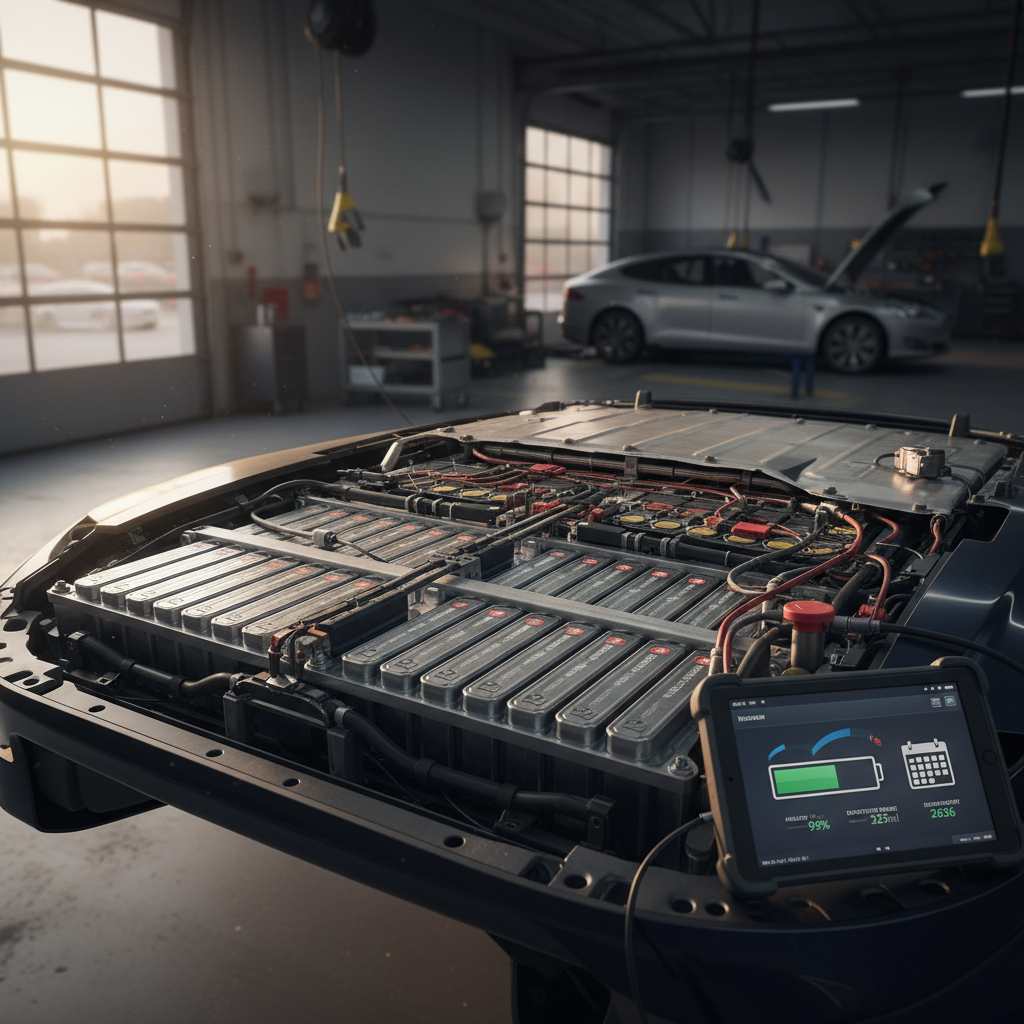
For used cars, get a pre‑purchase inspection; for used EVs, insist on battery‑health data (Recharged includes this with every car). Test drive the car where you actually drive, highways, hills, or stop‑and‑go traffic.
6. Sleep on it
If a deal has to be signed “right now,” walk away. Affordable decisions still feel good after a night of sleep.
Best affordable cars: FAQ
Frequently asked questions about the best affordable cars
Bottom line: best affordable cars for different buyers
If you want the cheapest possible new car
Look at compact sedans and subcompact SUVs in the low‑$20,000s. Think Sentra, Kicks, Trax and their peers. Skip big options packages, avoid long loans, and focus on safety and reliability over bells and whistles.
These aren’t glamorous, but they do exactly what affordable cars are supposed to do: get you where you’re going without wrecking your budget.
If you want the lowest total cost of ownership
Consider a late‑model used EV or hybrid. A used Kona Electric, Bolt, Ioniq, or similar EV, especially one with verified battery health, can cost less to own over five to seven years than a brand‑new “cheap” gas car.
That’s exactly the problem Recharged was built to solve: making it simple and transparent to buy a used EV that fits your life and your wallet.
Affordable cars haven’t disappeared, they’ve just moved away from the flashy end of the market. Whether your best move is a no‑nonsense compact sedan, a thrifty small SUV, or a carefully chosen used EV, the key is to define affordability on your terms and run the numbers over the full life of the car. If a used EV is on your radar, browsing battery‑verified cars on Recharged can be a smart first step toward an ownership experience that’s both modern and genuinely affordable.