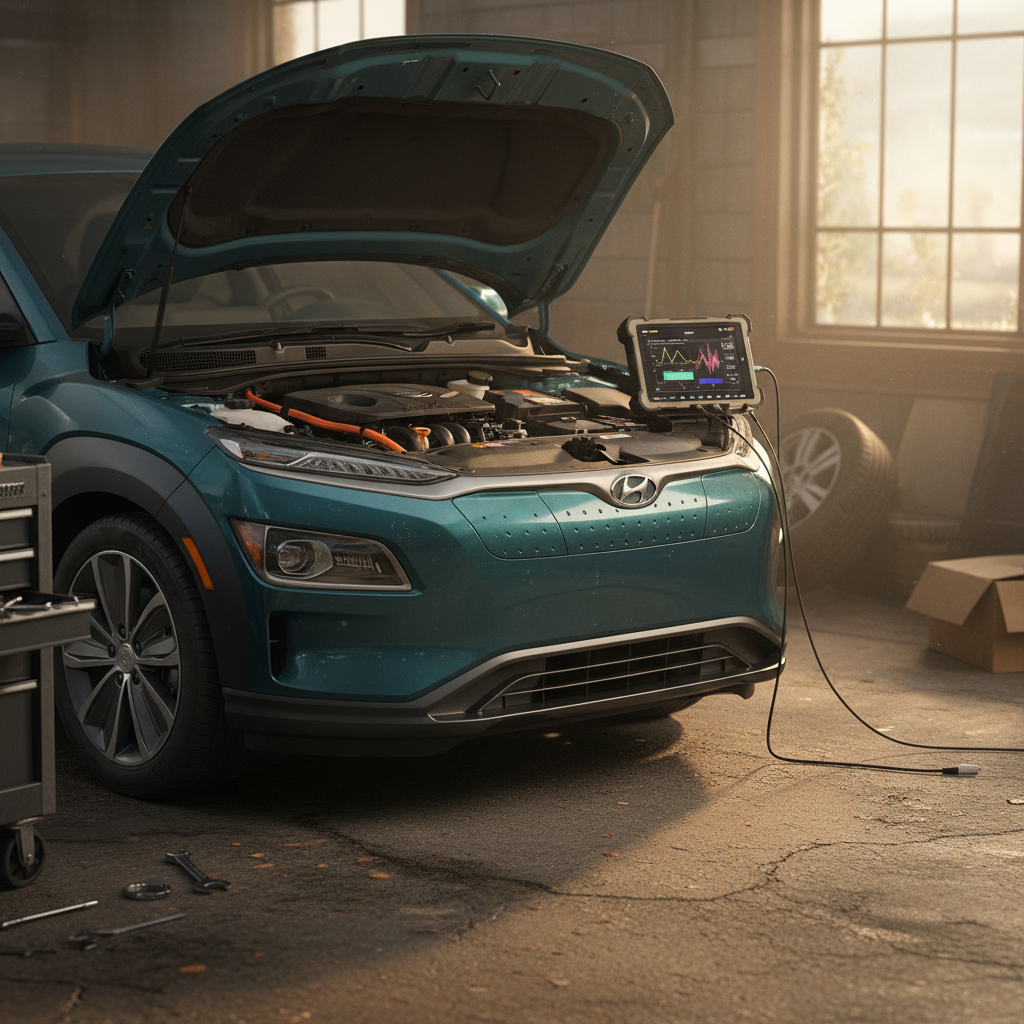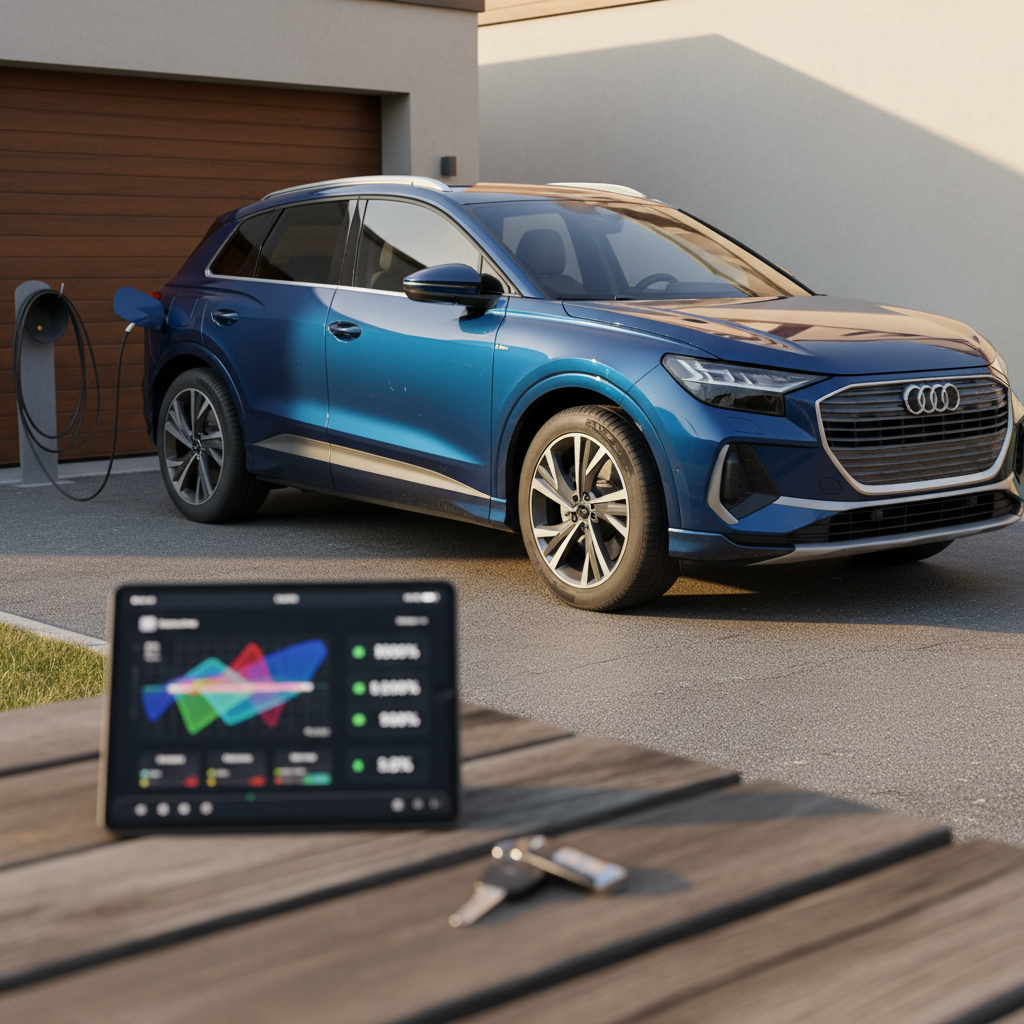
Open the hood of a modern electric vehicle and you won’t see pistons or spark plugs, you’ll see cabling, power electronics, and, hidden away, a battery pack that’s worth as much as a small car. Keeping that pack in its comfort zone is the job of the battery cooling system, and it has more to do with your EV’s range, charging speed, and safety than most drivers realize.
Quick definition
What is a battery cooling system in an EV?
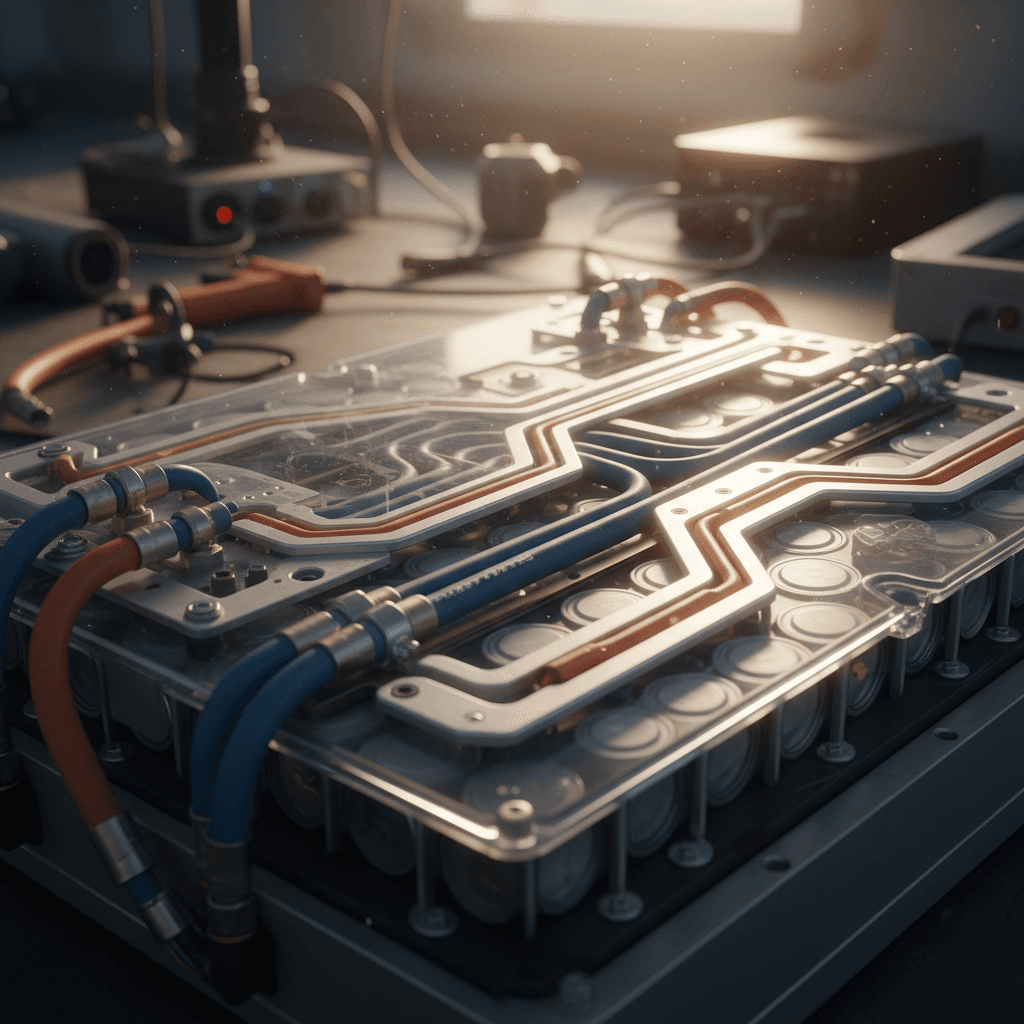
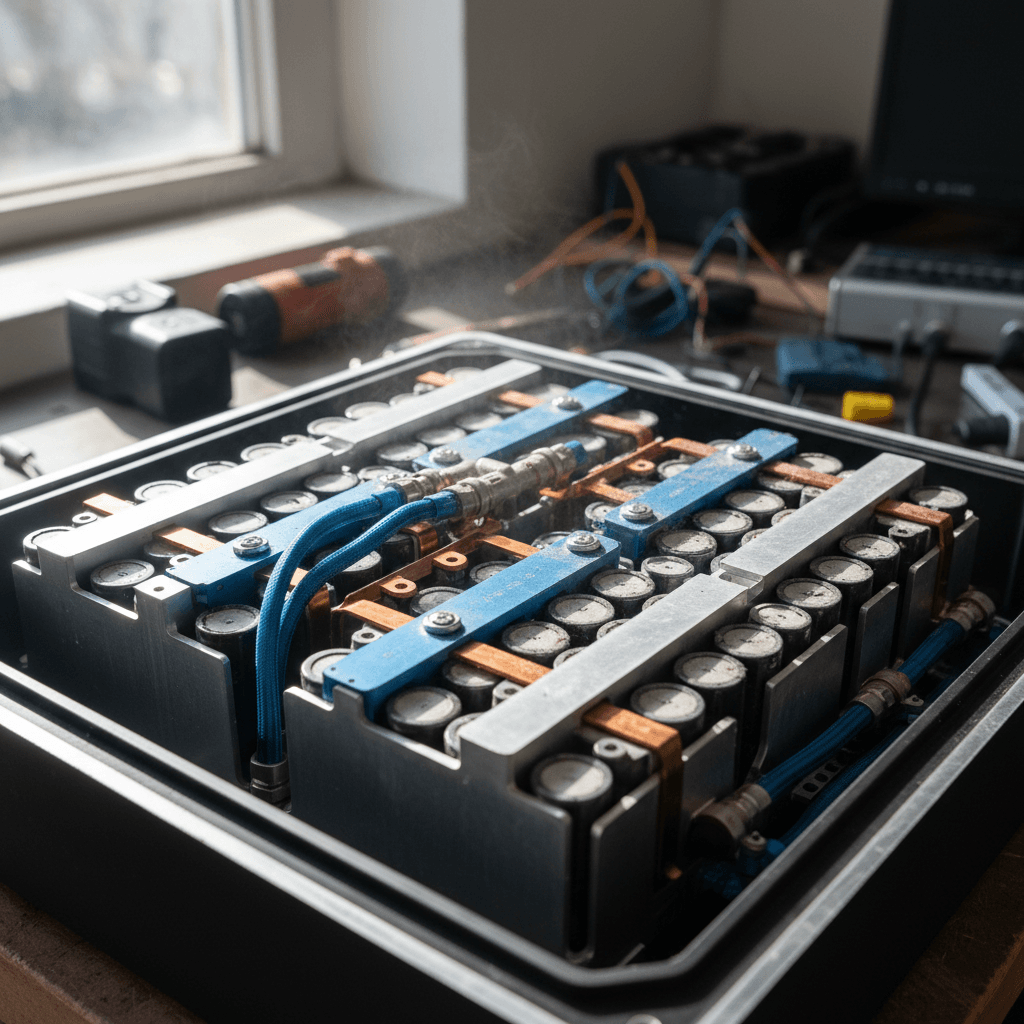
Every lithium-ion battery cell has a temperature range where it’s happiest, usually around 15–30°C (60–86°F). A battery cooling system is the hardware and software that keep thousands of those cells in that range. It can include coolant channels or plates in the pack, pumps, valves, heat exchangers or radiators, fans, sensors, and software algorithms inside the battery management system (BMS).
- Sensors constantly measure temperatures across the pack.
- The BMS decides when to cool, when to heat, and by how much.
- Pumps or fans move coolant or air to pull heat out of the cells.
- Heat is dumped to the outside air through a radiator or shared HVAC loop.
Think of it like a cooling system for a whole house
Why EV battery temperature matters for range, speed, and safety
Temperature is the invisible hand behind how your EV feels to drive. Too cold and the battery becomes sluggish; too hot and chemistry starts to break down. A well-designed battery thermal management system keeps you in the sweet spot, which shows up in three ways you’ll notice: range, performance, and peace of mind.
How temperature impacts your EV
What your battery cooling system is protecting you from
Range & efficiency
At low temperatures, internal resistance rises and your EV needs more energy to move. The BMS may also limit power to avoid lithium plating during charging. Good thermal management warms the pack so you get closer to rated range.
Charging speed
Fast charging shoves a lot of energy into the pack quickly, which generates heat. If the pack gets too hot, software will cut power and your advertised "150 kW" session can look more like 40–60 kW.
Safety & degradation
High, uneven temperatures accelerate chemical breakdown and can, in extreme cases, contribute to thermal runaway. Cooling keeps temperatures lower and more even, extending battery life and reducing fire risk.
Battery cooling by the numbers
Main types of EV battery cooling systems
Engineers have tried several ways to keep batteries comfortable. Early or low-cost EVs used simple air cooling, while almost all modern long-range EVs rely on liquid-based systems. A few cutting-edge designs even immerse the cells in coolant.
Common EV battery cooling system types
How air cooling, liquid cooling, and immersion cooling compare in everyday use
| Cooling type | How it works | Strengths | Limitations | Typical use |
|---|---|---|---|---|
| Passive air | Heat escapes naturally through the pack case and underbody airflow. | Simple, light, low cost, no pumps or coolant. | Limited heat removal; struggles with fast charging, hot climates, and large packs. | Small batteries, early EVs, some plug-in hybrids. |
| Active air | Fans push air through channels around the cells; sometimes tied into cabin HVAC. | Less complex than liquid; no coolant leak risk. | Still relatively weak at moving heat; noisy fans; uneven temperatures. | Older BEVs, moderate pack sizes, mild climates. |
| Indirect liquid cooling | Water–glycol or refrigerant flows through plates or tubes touching cell modules. | High heat-transfer rate; good temperature uniformity; supports fast charging and high power. | More parts, cost, and weight; needs careful design to avoid leaks. | Most modern BEVs from major brands. |
| Immersion cooling | Cells sit directly in a dielectric liquid that bathes surfaces. | Excellent, uniform cooling and very fast heat removal; strong for high-power or safety-critical packs. | Expensive specialty fluids; more complex sealing; still emerging in road cars. | High-performance packs, bus & commercial trials, some energy storage systems. |
Most current EVs on U.S. roads use indirect liquid cooling; air-cooled packs are mainly found in older or budget models.
Air-cooled packs age faster in tough conditions
How battery cooling affects fast charging performance
Fast charging is where a battery cooling system earns its keep. Pushing 150 kW or more into a pack generates serious heat. Without strong cooling, battery temperature shoots past its comfort zone, and the car has no choice but to throttle power or risk damage.
What happens during a fast charge
- Battery internal resistance turns part of charging power into heat.
- Pack temperature can rise rapidly, several degrees per minute if unmanaged.
- The BMS constantly watches cell temperatures and state of charge.
- Once temps approach limits (often around 45–50°C), charging power is reduced.
How cooling keeps speeds high
- Liquid or refrigerant cooling pulls heat out of modules and into a radiator loop.
- Some EVs pre‑cool the pack as you navigate to a fast charger.
- Good cooling keeps cells in the 15–25°C target band, so the car can hold higher kW for longer.
- Result: shorter stops and more consistent fast‑charging curves on road trips.
Use preconditioning when it’s offered
On the flip side, if cooling can’t keep up, you see what owners sometimes call "Rapidgate", a charge curve that looks great at first, then drops sharply as the pack heats up. That’s not the charger being stingy; it’s the thermal management system protecting the battery.
Safety, thermal runaway, and real-world recalls
Battery fires make headlines, but the engineering work that prevents them happens quietly in the cooling system and software. Thermal management is one of your EV’s main safety systems.
How cooling systems protect battery safety
From everyday heat management to rare failure events
Prevent overheating
Keeping cells below their upper temperature limit reduces the chance of internal damage that can lead to short circuits or gas buildup.
Limit hot spots
Uneven cooling can create pockets of higher stress. Liquid plates and smart flow paths aim to keep temperature spread across the pack within a few degrees.
Mitigate failures
Emerging designs like immersion cooling and advanced venting are focused on slowing or containing thermal runaway should a cell fail.
When cooling goes wrong
Thermal management isn’t just about comfort or performance. For modern EVs, it’s a primary safety system on par with brakes and airbags.
What your battery cooling system is doing in daily driving
On a normal Tuesday commute, you may not hear pumps and fans over road noise, but they’re working. Your EV’s battery cooling system is constantly balancing temperature, often sharing hardware with the cabin HVAC and power electronics cooling loops.
- On a hot day in traffic, the system pulls heat out of the pack even at low speeds when there’s little airflow under the car.
- On a cold morning, it may actually heat the battery using waste heat from power electronics or a dedicated heater so you get decent performance and regen.
- On the highway, it uses forward motion to help cool radiators more efficiently, reducing pump and fan power draw.
- When parked after a fast‑charge or spirited drive, it may keep running briefly to bring the pack back into its resting temperature range.
You might hear it after you walk away
Ownership tips to help your battery cooling system
You can’t see coolant channels inside the pack, but your habits have a big influence on how hard the battery cooling system has to work, and how long your pack stays healthy.
Simple habits that make life easier for your cooling system
1. Avoid repeated back‑to‑back fast charges
Hammering DC fast chargers several times in a row on a hot day forces the cooling system to work flat-out. When you can, mix in slower AC charging or longer breaks so the pack can cool.
2. Park in the shade when it’s hot
Starting a drive or charge from a lower battery temperature gives the cooling system more headroom before it has to throttle performance or charging speed.
3. Use charge limits for daily driving
Keeping daily charge targets around 70–80% reduces the time the pack spends at high state of charge, where heat is more damaging and fast charging is harder to manage safely.
4. Don’t ignore warning lights or odd noises
If you see battery temperature warnings, notice the car suddenly limiting power, or hear new, loud fan or pump noises, get it checked. That’s the thermal management system asking for attention.
5. Keep software up to date
Automakers regularly tweak thermal strategies with over‑the‑air updates, improving preconditioning, fan logic, and charge curves. Updates are often free performance and longevity.
Battery cooling systems and used EV shopping
If you’re shopping the used market, the battery cooling system is part of the car’s invisible history. Two identical models can age very differently depending on climate, charging habits, and how well thermal management did (or didn’t) protect the pack.
Questions to ask or research
- Does this model use air cooling or liquid cooling? Air‑cooled packs often show more degradation in hot regions.
- Has the car lived in a very hot or very cold climate?
- Does the seller mention frequent DC fast charging (especially to 100%)?
- Have there been recalls or service campaigns related to battery cooling or software updates?
How Recharged helps de‑mystify it
Every used EV listed on Recharged comes with a Recharged Score Report that includes verified battery health and data‑driven pricing. Our EV specialists can walk you through what that score means for that car’s thermal history, expected range, and fast‑charging performance today, not just when it was new.
If you’re trading in or selling, our instant offer and consignment options factor in real battery condition so you’re not penalized for a pack that’s been well cared for.
Why this matters when you buy used
FAQ: Battery cooling systems in electric cars
Frequently asked questions about battery cooling systems
Key takeaways for EV owners and shoppers
You don’t have to be an engineer to appreciate what your EV’s battery cooling system is doing. If it’s working well, you simply get predictable range, strong acceleration, and fast charging that feels, well, fast. If it’s undersized or neglected, you get slow sessions, warning lights, and a car that doesn’t age gracefully.
- Temperature is as important to battery life as mileage and age, cooling systems exist to keep that temperature in check.
- Liquid‑cooled packs dominate modern EVs for good reason: they support bigger batteries, faster charging, and better safety margins.
- Your driving and charging habits can either work with the cooling system or fight against it; small changes like using preconditioning and avoiding back‑to‑back fast charges go a long way.
- When buying used, pay attention to battery health reports, climate history, and whether the model uses air or liquid cooling, those details explain a lot about how the car will feel in five years.
If you’re curious how a specific model’s battery cooling system stacks up, or how a particular car has aged, Recharged can help. From our Richmond, VA Experience Center to our fully digital buying and selling experience, we combine real battery diagnostics with expert guidance so your next EV feels as dependable on a summer road trip as it does on a frosty Monday morning.