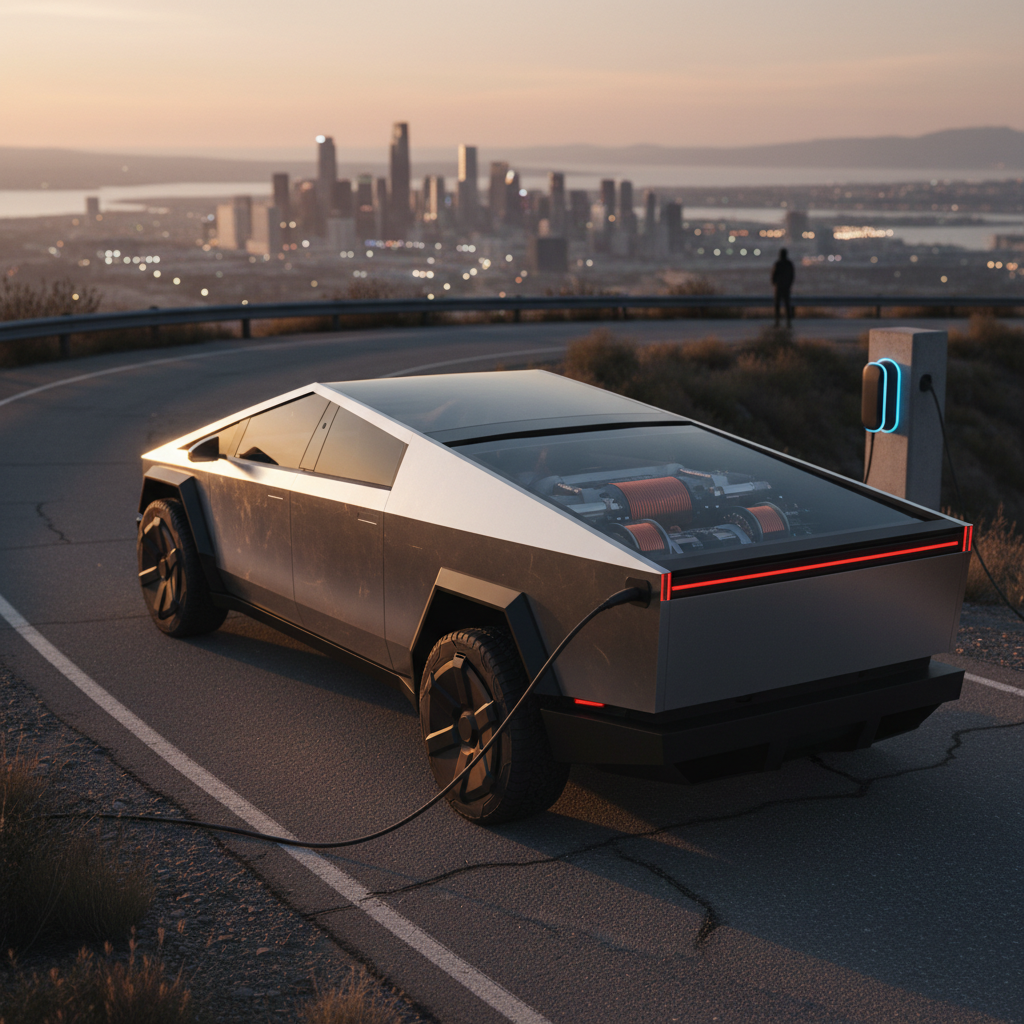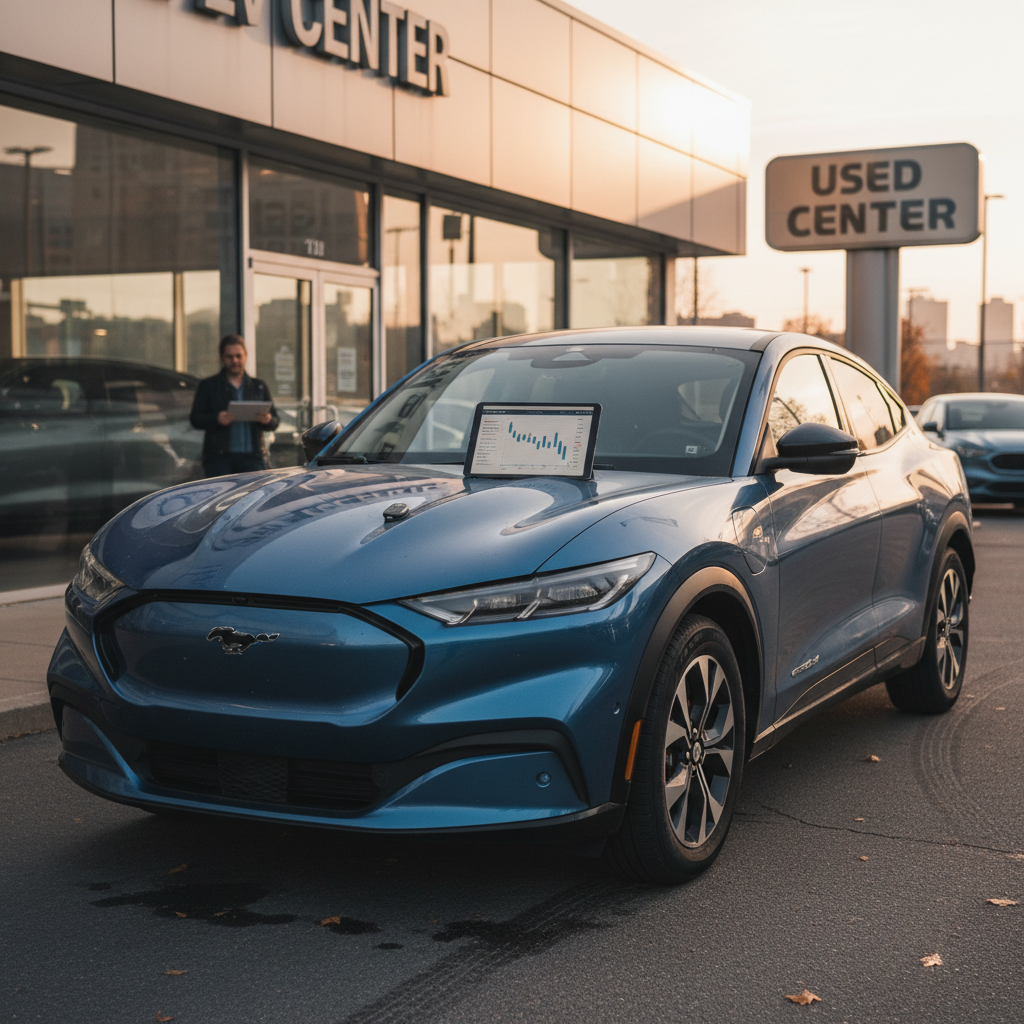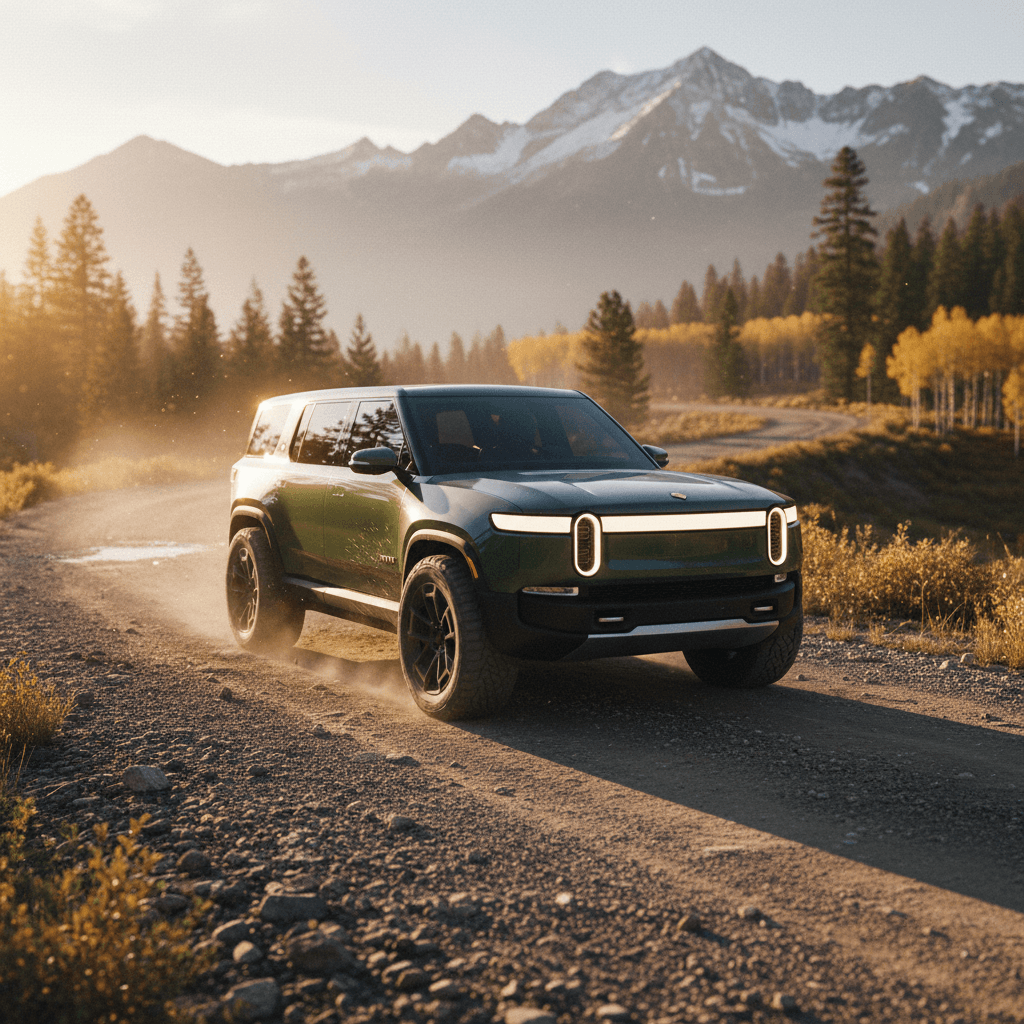
If you live with snow, rain, gravel, or just like a confident launch from a stoplight, it’s no surprise you’re searching for AWD EV cars. Automakers have been rolling out electric SUVs and crossovers with dual-motor all-wheel drive at a blistering pace, and in 2025 you can find everything from budget-friendly AWD crossovers to seven-seat luxury electric SUVs.
Quick take
Why AWD EV cars are so popular now
In gasoline cars, traditional all-wheel drive adds weight, complexity, and cost. In an EV, the packaging works in your favor: engineers can simply bolt an extra electric motor to the unused axle and let software handle the rest. That’s why so many electric SUVs and crossovers now offer optional or standard AWD.
AWD is quickly becoming the default for EV SUVs
The surge in AWD EVs also comes down to what buyers want: crossovers with a higher seating position, confidence in bad weather, and strong performance. That’s pushed brands from Subaru to Mercedes-Benz to make dual‑motor AWD standard or widely available on their electric SUVs.
How electric all-wheel drive actually works
The short version
In most AWD EV cars, you get:
- One electric motor driving the front axle
- One motor driving the rear axle
- Software that constantly decides how much torque to send to each axle
There’s no center differential or transfer case. Power is blended electronically in milliseconds.
Why it feels different on the road
- Instant response: Motors can ramp power much faster than a gasoline engine and transmission.
- Predictive traction: Stability control watches wheel slip and steering angle, then shuffles torque before you feel drama.
- Smart efficiency: Many EVs run mostly on a single axle, then wake up the second motor only when needed.
Look for drive modes
Pros and cons of AWD EVs
Is AWD in an EV worth it for you?
Here’s how the trade-offs usually shake out.
Advantages of AWD EV cars
- All-weather traction: Huge confidence boost in rain, snow, and on dirt or gravel.
- More power: Dual motors usually mean much stronger acceleration and easier highway passing.
- Better stability: Torque vectoring can help the car feel more planted in corners.
- Higher tow ratings: Many AWD EVs are rated to tow more than their 2WD versions.
Downsides to consider
- Higher price: Expect several thousand dollars more than a comparable single‑motor trim.
- Less range: Extra weight and motor drag typically cost you 10–30 miles of EPA range.
- Higher tire wear: Extra power and weight can eat through tires faster, especially on performance models.
Range reality check
Best AWD EV cars and SUVs in 2025
There are dozens of all-wheel‑drive EVs on sale now, and more arriving for the 2026 model year. Instead of listing every niche model, here are standouts that represent how the market looks, from mainstream crossovers to full‑luxury SUVs.
Standout AWD EV SUVs and crossovers (2025 U.S. market)
Representative examples to help you benchmark price, range and character. Specs are approximate and can vary by trim.
| Model | Type | Approx. AWD Range | Powertrain notes | Why it stands out |
|---|---|---|---|---|
| Tesla Model Y Long Range AWD | Compact SUV | ~310 mi | Dual‑motor AWD, very efficient | Huge charging network access and strong value on the used market. |
| Hyundai Ioniq 5 AWD | Compact SUV | ~260 mi | Dual‑motor AWD, 800‑V fast charging | Excellent fast‑charging speeds and a roomy, retro‑modern cabin. |
| Kia EV6 AWD | Compact SUV | ~270 mi | Dual‑motor AWD; GT model much quicker | Sportier feel than most crossovers, with strong performance options. |
| Subaru Solterra AWD | Compact SUV | ~250–285 mi (updated) | Standard dual motors and Subaru-tuned AWD | Aimed squarely at snow‑belt drivers and light off‑road use. |
| Volvo EX30 Twin Motor | Subcompact SUV | ~265 mi | Small footprint, big punch | Quick, Scandinavian‑chic, and one of the more affordable dual‑motor luxury badges. |
| Honda Prologue AWD | Mid-size SUV | ~275 mi | GM Ultium-based dual‑motor setup | Spacious, straightforward, with Honda’s first serious U.S. EV effort. |
| Chevrolet Blazer EV AWD | Mid-size SUV | ~280 mi | Ultium dual‑motor AWD | Sharply styled, lots of tech; shares bones with Acura ZDX and Honda Prologue. |
| Volvo EX90 Twin Motor | 3-row luxury SUV | ~300 mi | Dual‑motor AWD; 800‑V architecture | Family-size luxury with fast charging and advanced driver-assist tech. |
| Mercedes-Benz EQS SUV 4Matic | 3-row luxury SUV | ~310+ mi | Standard dual‑motor 4Matic | Quiet, plush, and tech‑heavy seven‑seater with strong range for its size. |
Always check the exact trim and wheel size you’re shopping, both affect power and range.
About exact numbers
Affordable AWD EVs worth a look
“Affordable” is a moving target, but if you’re hunting for AWD EV cars under or around $50,000 before incentives, a few models and trims routinely show up on shoppers’ shortlists.
Budget-friendlier AWD EV options
These aren’t the only choices, but they illustrate what you can expect.
Compact crossovers
- Tesla Model Y AWD: Often transacts in the mid‑$40Ks before incentives, and there’s a deep used market.
- Hyundai Ioniq 5 / Kia EV6 AWD: Well-equipped mid‑trims frequently land in the mid‑$40Ks to low‑$50Ks.
Smaller & stylish
- Volvo EX30 Twin Motor: A subcompact with big performance; pricing typically hovers around the high‑$40Ks for AWD.
- Chevy Equinox EV AWD (upcoming trims): Positioned as a value‑minded compact SUV with optional dual‑motor all‑wheel drive.
Used bargains
- 2021–2023 Tesla Model Y Long Range: Common on the used market and often thousands less than new.
- Early Ioniq 5/EV6 AWD models: Lease returns are starting to trickle into used‑EV marketplaces like Recharged.
Stack your savings
AWD EVs for families and long trips
If you’re hauling kids, dogs, and camping gear, or you’re planning winter road trips, AWD is about more than straight‑line performance. You’re buying confidence and capability, especially in a tall, heavy electric SUV.
What to prioritize in a family-friendly AWD EV
1. Cabin and cargo space
Don’t just count seats; look at how easy it is to install car seats, fold the second row, and pack luggage or strollers. Three-row EVs like the Volvo EX90 or Mercedes EQS SUV can be game‑changers for big families.
2. Real-world range at highway speeds
AWD plus a full load at 75 mph can shrink range faster than you expect. Aim for an EPA rating well above your longest typical round trip, especially if you live in a cold climate.
3. Charging network quality
For road‑trip duty, access to reliable DC fast charging is just as important as AWD. Tesla Model Y owners benefit from the Supercharger network; more brands are adding NACS ports or adapters for those same stations.
4. Ride comfort and noise
Some performance‑tuned AWD EVs ride firmly. If your life is carpools and interstate drives, prioritize comfort and cabin quiet over the absolute quickest 0–60 time.
5. Towing and roof-load ratings
If you’ll tow a small camper or use a roof box, check the official tow rating and maximum roof load. AWD versions usually tow more, but towing can dramatically cut range.
Do you really need AWD in an EV?
Here’s the honest answer: plenty of drivers don’t need AWD, especially given how competent modern stability control and traction systems have become. A rear‑wheel‑drive or front‑wheel‑drive EV with good all‑season, or better yet, winter, tires can be surprisingly capable.
You’ll appreciate AWD if…
- You regularly drive in snow, slush, or on unpaved roads.
- You want maximum traction when pulling away from wet intersections or steep driveways.
- You tow, carry heavy loads, or live in a hilly area where grip is often marginal.
- You value quick acceleration and confident highway passing.
You may be fine with 2WD if…
- You live in a warm or mild climate and rarely see snow or ice.
- Your driving is mostly city and suburban streets at moderate speeds.
- Range and price matter more to you than performance.
- You’re willing to invest in a dedicated set of winter tires if you occasionally visit snowy areas.
Tires matter more than badges
Buying a used AWD EV: what to check
Because AWD trims are popular and often more expensive when new, they’re starting to appear in large numbers on the used market. That’s great for shoppers, but you’ll want to be a little more careful, because many AWD EVs have lived hard lives in harsh weather or been driven enthusiastically.
Key checks for a used AWD electric vehicle
Use this as your short list when evaluating a used dual‑motor EV, especially one from a snow‑belt state.
| What to inspect | Why it matters | How Recharged helps |
|---|---|---|
| Battery health and range | Frequent fast‑charging and cold‑weather use can age packs faster; you want to understand real remaining capacity. | Every vehicle on Recharged comes with a Recharged Score Report, including verified battery health and range estimates. |
| Front & rear motor behavior | Unusual noises, vibrations, or warning lights under acceleration could point to motor or inverter issues. | EV‑specialist inspectors look and listen for drivetrain issues that general shops might miss. |
| Underbody corrosion | AWD EVs in snowy regions see more salt and slush; check suspension arms, fasteners, and high‑voltage cabling shields. | Recharged’s partners put vehicles on a lift and document underbody condition with photos. |
| Tires and alignment | Dual‑motor torque can accelerate tire wear; uneven wear suggests alignment or suspension issues. | We evaluate tread depth and wear patterns and factor tire condition into pricing guidance. |
| Software and recalls | AWD behavior is software‑controlled; you want the latest updates and any recall work completed. | Recharged checks VINs for open recalls and helps coordinate software updates where possible. |
A structured inspection protects you from surprises and helps you compare multiple used AWD EVs on equal footing.
Why shop used AWD EVs with Recharged
Ready to find your next EV?
Browse VehiclesFAQ: AWD EV cars
Frequently asked questions about AWD EV cars
The bottom line on AWD EV cars
AWD EV cars blend the smooth, instant power of electric motors with the security of all‑weather traction. For drivers in snowy states, families who road‑trip year‑round, and anyone who values confident acceleration, dual‑motor electric SUVs and crossovers are hard to beat. Just remember that the AWD badge comes with trade‑offs in price and range, and it’s only as good as the tires you bolt to the wheels.
If you’re ready to move from research to test‑drive, consider exploring Recharged for used AWD EVs with verified battery health. Whether you end up in a thrifty compact crossover or a three‑row luxury SUV, choosing the right drivetrain, and understanding how it fits your real life, will make your first (or next) electric vehicle feel like it was built just for you.