Buy an EV

  • EVs for sale
  • Learn about EVs
  • Articles
  • Charging

Sell or trade

  • How it works

Financing

  • Get pre-qualified
  • Credit application

Contact us

  • Book a consultation
  • Call us at (804) 390-5910
  • Email us at hello@recharged.com
  • Visit our Experience Centers
    • Richmond, VA
    • Fairfax, VA
    • Charlotte, NC

© 2025 Recharged. All Rights Reserved.

7-Day Return Policy·Privacy Policy·SMS Opt-In·Do Not Sell or Share My Information·
TikTokYouTubeInstagramLinkedInFacebook
    Average Price of an EV in 2025: What You’ll Really Pay
    Buying Guides·9 min read·By Recharged Editorial Team

    Average Price of an EV in 2025: What You’ll Really Pay

    average-ev-priceused-ev-buyingev-financingbattery-healthev-incentivestotal-cost-of-ownershipev-shopping-strategyrecharged-score

    Table of Contents

    • Why the average EV price matters more than a headline number
    • What is the average price of a new EV in 2025?
    • Average price of a used EV in 2025
    • EV price ranges by segment and use case
    • Key factors that move EV prices up or down
    • How tax credits and incentives change the “real” price
    • EV price vs gas car: looking beyond the sticker
    • How to get a good deal on an EV
    • FAQ: Average price of an EV
    • Bottom line: What you should budget for an EV

    You’ll see a lot of headlines about the “average price of an EV,” but if you’re actually trying to buy one, a single number doesn’t tell the whole story. In 2025, the average price of an EV depends heavily on whether you buy new or used, what segment you’re shopping in, and which incentives you can tap into.

    Quick snapshot

    In late 2025, many mainstream new EVs sit in the mid–$40,000s before incentives, while used EVs commonly fall in the mid–$20,000s. With tax credits and smart shopping, the price gap between an EV and a comparable gas car is often smaller than it looks at first glance.

    Why the average EV price matters more than a headline number

    If you’re cross-shopping an EV against a gas car, the sticker shock can feel real. New EVs still tend to cost more up front, but that’s only part of the story. The number you’ll see quoted as the “average EV price” is typically a national average for new vehicles only. It doesn’t account for used EVs, local incentives, or what you’ll save on fuel and maintenance over time.

    • New EV averages mix luxury and mainstream models together, which can skew the number high.
    • Used EV prices have dropped faster than many gas cars as more off-lease vehicles hit the market.
    • Federal and state incentives can effectively trim thousands off the price you actually pay.
    • Owning an EV often means lower fuel and maintenance costs over several years.

    Think in monthly cost, not just sticker price

    When you run the numbers, compare EVs and gas cars on total monthly cost: payment, insurance, charging vs gas, and maintenance. That’s where EVs often become surprisingly competitive.

    What is the average price of a new EV in 2025?

    By late 2025, most mainstream sources put the average price of a new EV in the mid–$40,000s in the U.S., roughly on par with or slightly above the overall new-vehicle average. Luxury EVs and big three-row SUVs pull that number upward, while compact crossovers and sedans pull it down.

    New EV pricing at a glance (2025, U.S.)

    $45k–$50k
    Typical new EV average
    Many price indexes cluster new EV transaction prices in the mid–$40,000s, including luxury and mainstream models.
    $35k–$45k
    Mainstream EV sweet spot
    Think compact crossovers and sedans with usable range for most daily driving.
    250–300
    Miles of range
    Many new EVs in this price band offer 250–300 miles of EPA-rated range.
    $7.5k
    Potential tax credit
    If the vehicle qualifies and your tax situation allows, the federal clean vehicle credit can significantly reduce effective price.

    So should you budget $45,000 if you want a new EV? Not necessarily. Entry-level models can dip into the low–$30,000s before incentives, while well-equipped luxury EVs easily crest $60,000. The “average” is more of a mile marker than a rule.

    Average price of a used EV in 2025

    Here’s where things get interesting. The average price of a used EV has fallen faster than many people expect. As early adopters trade up and off-lease vehicles return to the market, there’s a growing supply of 3–6‑year‑old EVs with modern range and features at prices that land squarely in the mid–$20,000s.

    Used EV pricing at a glance (2025, U.S.)

    $22k–$30k
    Typical used EV range
    Many 3–5‑year‑old EVs with solid range fall into this price band, depending on brand and mileage.
    20%–40%
    Discount vs new
    Compared with a similarly equipped new EV, used pricing often comes in 20–40% lower.
    70%–90%
    Typical remaining capacity
    Modern EV batteries often retain a large share of their original capacity after several years when properly cared for.

    Battery health is the key variable

    Two used EVs with the same model year and miles can be priced very differently. The reason is usually battery health. A car with strong remaining capacity and a clean fast‑charging history can justify a higher price than one that’s been abused or heavily fast‑charged.

    This is where Recharged focuses hard on transparency. Every vehicle listed on Recharged includes a Recharged Score Report with verified battery health data, so you’re not guessing whether a seemingly great price hides a tired pack.

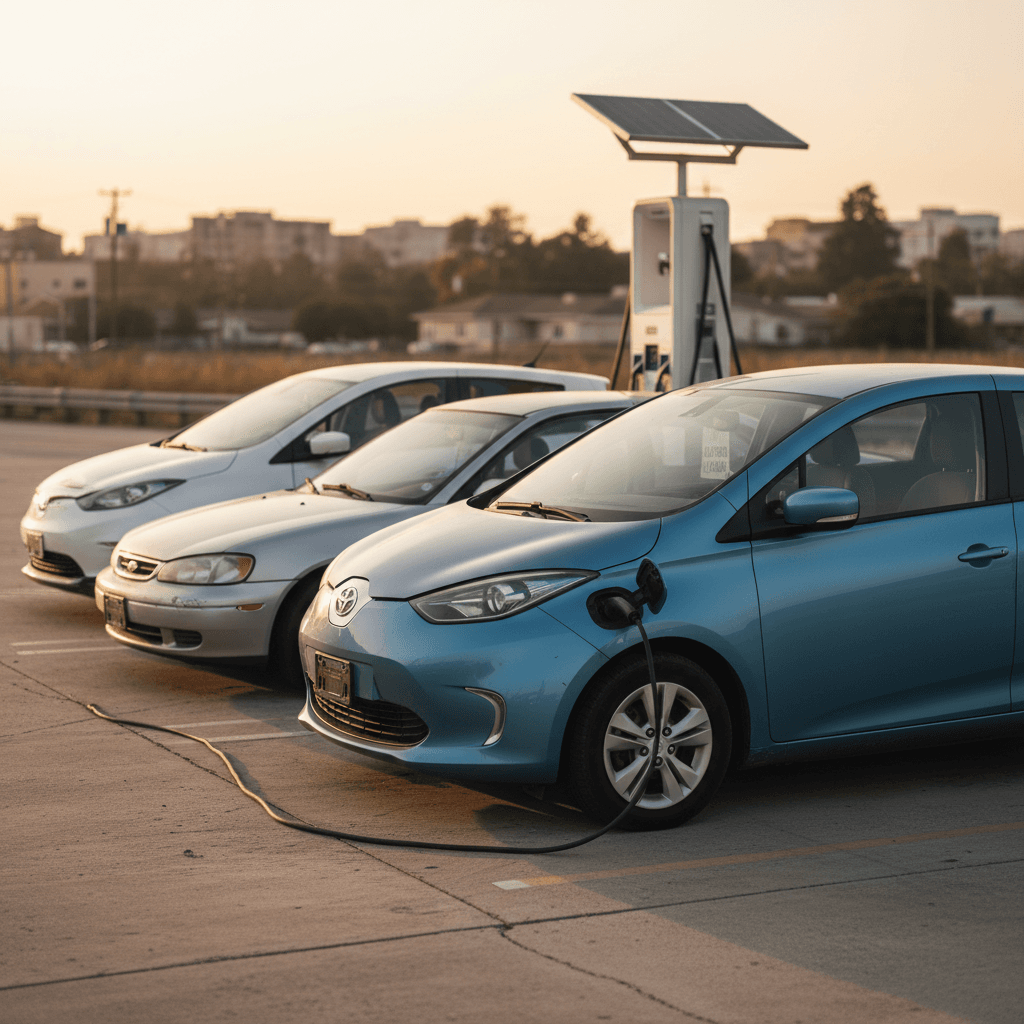
    Row of used electric vehicles on a lot with price stickers on windshields
    Used EV prices have become far more approachable as more off‑lease vehicles hit the market.

    EV price ranges by segment and use case

    Averages are helpful, but what you really need is a sense of price by segment. Here’s a high-level view of where EV pricing often lands in 2025. These are ballpark figures, not exact quotes, but they’ll help you set expectations.

    Typical EV price ranges by segment (2025)

    Approximate transaction-price ranges in the U.S. before incentives. Individual models and markets will vary.

    SegmentExample use caseNew EV price bandUsed EV price band
    Compact hatch / small sedanCity car, short commutes$30k–$38k$15k–$24k
    Compact crossoverDaily driver, small family$35k–$45k$22k–$32k
    Midsize sedan / crossoverLonger commutes, road trips$40k–$52k$25k–$35k
    Pickup / large SUVWork truck, big family$55k–$75k+$38k–$55k
    Luxury EVHigh-end features, performance$60k–$90k+$35k–$60k

    Use this as a starting point when budgeting; always check current local pricing.

    Why used EV bands are wide

    You’ll notice the used price ranges are wider. That’s because they’re shaped by more variables: battery health, mileage, option packages, charging history, and local demand. Two seemingly similar EVs can sit thousands of dollars apart for good reasons.

    Key factors that move EV prices up or down

    If you’re wondering why one EV is thousands more than another, start with these levers. Understanding them makes you a much tougher negotiator.

    What really drives EV pricing

    Beyond the window sticker, these details matter most.

    Battery size & health

    Bigger packs and stronger health scores usually mean higher prices. A long‑range pack with 90% of its original capacity is worth more than a similar car with noticeable degradation.

    Range & efficiency

    Range sells. A 300‑mile EV will usually command more than a 220‑mile one, even in the same model line. High efficiency (more miles per kWh) also boosts value for daily drivers.

    Charging speed

    Fast DC charging capability and strong peak charge rates add real-world convenience, and price. Shoppers planning road trips often pay more for quicker charging.

    Trim and options

    Heat pumps, premium audio, driver-assistance suites, and all-wheel drive push prices up. On the used side, well‑equipped trims often hold value better.

    Location & demand

    A used EV in a coastal metro with strong charging infrastructure may cost more than the same car in a region where EV adoption is slower.

    Model year & warranty

    Newer model years and remaining battery or bumper‑to‑bumper warranty coverage support higher prices and can reduce your long‑term risk.

    How Recharged helps

    At Recharged, every used EV is priced using fair‑market data plus an in‑depth Recharged Score battery health diagnostic. That way, the price you see reflects the real value of the car, not just its model year and mileage.

    Ready to find your next EV?

    Browse Vehicles

    How tax credits and incentives change the “real” price

    The sticker on the window rarely tells the whole truth. In 2025, federal and state incentives can significantly lower the effective price of both new and used EVs if you and the vehicle qualify.

    New EV incentives

    • Federal clean vehicle credit: Many new EVs can qualify for up to $7,500, subject to income limits, MSRP caps, and battery/assembly rules.
    • Point-of-sale application: For qualifying vehicles and buyers, the credit can often be applied at purchase, effectively lowering the financed amount.
    • State and utility rebates: Some states and power companies add their own rebates, further trimming your out-of-pocket cost.

    Used EV incentives

    • Federal used clean vehicle credit: Certain used EVs sold by dealers may qualify for a credit (often smaller than the new‑EV credit) if price and income limits are met.
    • Local incentives: A handful of regions offer extra perks for used EVs, such as reduced registration fees or HOV lane access.
    • Home charging rebates: Some utilities help cover the cost of a Level 2 home charger, lowering your overall ownership cost.

    Always check the latest rules

    Incentive programs and eligibility rules change frequently. Before you bank on a credit, confirm current requirements and make sure the specific EV you’re buying is on the latest eligibility list.

    EV price vs gas car: looking beyond the sticker

    A fair comparison between an EV and a gas car doesn’t stop at MSRP. To understand whether EV pricing makes sense for you, compare total cost of ownership over the years you plan to keep the car.

    Total cost items to compare

    1. Purchase price (after incentives)

    Start with the actual price you’ll pay after any tax credits, rebates, and dealer discounts, whether you’re shopping new or used.

    2. Financing and insurance

    Compare interest rates, terms, and insurance quotes. Some lenders and insurers offer EV‑friendly products that can improve the math.

    3. Energy cost: charging vs gas

    Estimate your annual miles and local electricity rates. For many drivers, home charging is significantly cheaper per mile than buying gas.

    4. Maintenance and repairs

    EVs don’t need oil changes and generally have fewer wear items. Factor in routine maintenance and the likelihood of big-ticket repairs on both vehicles.

    5. Resale value

    Consider how each vehicle is likely to depreciate over time. Well‑known EV models with strong range and charging support can hold value competitively.

    6. Home charging setup

    Include the cost of installing a Level 2 charger if you don’t have one already. Some owners recoup this over time through fueling savings.

    Run a simple monthly comparison

    If the EV payment is a bit higher but you’re saving $100+ a month on fuel and maintenance, the EV may still be the better financial choice. Look at the whole picture, not just the sticker.

    How to get a good deal on an EV

    You don’t control national averages, but you do control how you shop. These strategies can help you land on the right EV at the right price.

    Smart strategies to beat the average EV price

    You don’t have to pay top-of-market to get a great EV.

    Shop used with verified battery health

    Target 3–6‑year‑old EVs with strong battery reports. On Recharged, every car includes a Recharged Score Report so you can see how the pack has been treated over its life.

    Watch seasonal pricing

    Just like gas cars, EV pricing can soften at the end of the month, quarter, or model year. Being flexible on timing can save you real money.

    Leverage financing options

    Look for competitive EV‑friendly financing and consider pre‑qualification. At Recharged, you can pre‑qualify online with no impact to your credit to understand your budget before you shop.

    Be open to nearby markets

    If you’re in a high‑demand city, a similar EV may be cheaper a few hours away. With nationwide delivery options, expanding your search radius can pay off.

    Compare total out‑the‑door offers

    Always compare final, all‑in offers, including fees, not just advertised prices. What matters is the number you’ll actually write on the check or finance.

    Focus on condition, not just price

    The cheapest EV isn’t always the best value. A fairly priced car with documented battery health and a clean history can save you thousands over time.

    “The question isn’t just what an EV costs today, it’s what it costs you to own over the next five to seven years.”

    Automotive industry analyst, Consumer-focused EV ownership panel, 2025

    FAQ: Average price of an EV

    Frequently asked questions about EV prices

    Bottom line: What you should budget for an EV

    If you’re trying to simplify all the noise, here’s the short version: in 2025, the average price of a new EV in the U.S. typically lands in the mid–$40,000s, while the average price of a used EV often falls in the low‑ to mid‑$20,000s. Where you should land depends on your budget, range needs, and appetite for new vs used technology.

    For many shoppers, the smart play is a well‑vetted used EV with documented battery health and a price in that mid‑$20,000s sweet spot. That’s where you can get modern range and features without paying top dollar for the newest badge. If you’d like help finding that balance, Recharged offers a fully digital shopping experience, expert EV guidance, battery health diagnostics via the Recharged Score, financing, trade‑in options, and nationwide delivery, so you can focus less on chasing the perfect “average price” and more on finding the right EV for your life.
    EVs on Recharged

    See all →
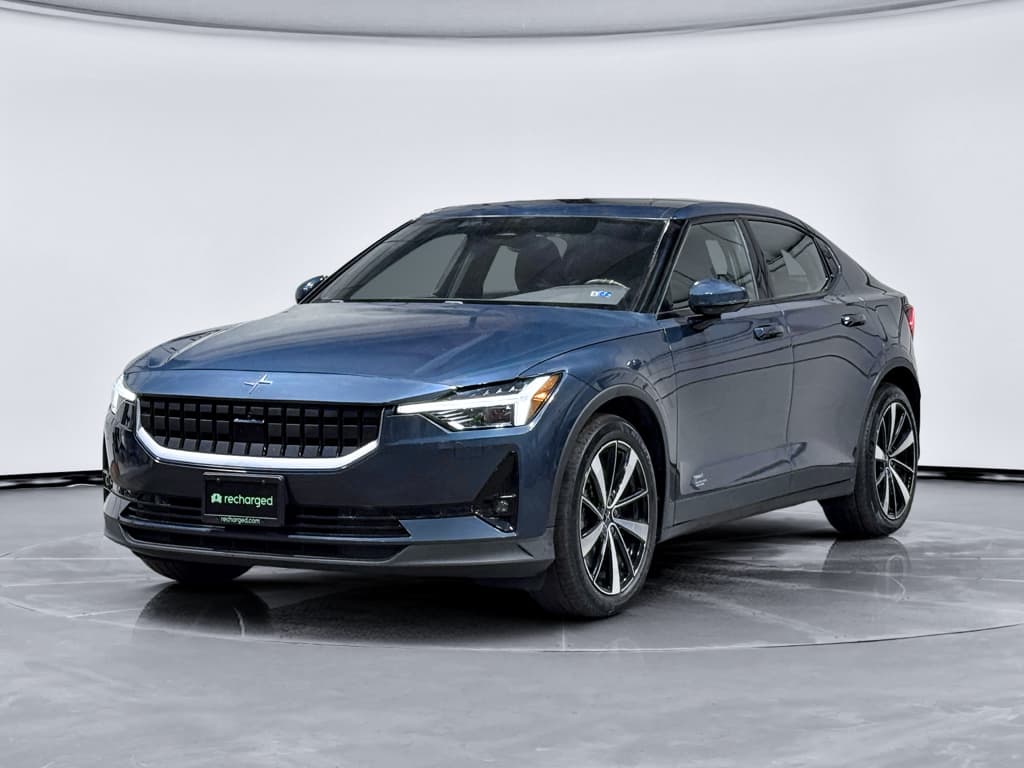
    2021 Polestar Polestar 2

    2021 Polestar Polestar 2

    Base•41K mi•217 mi range
    4.8/5Recharged Score
    $22,998
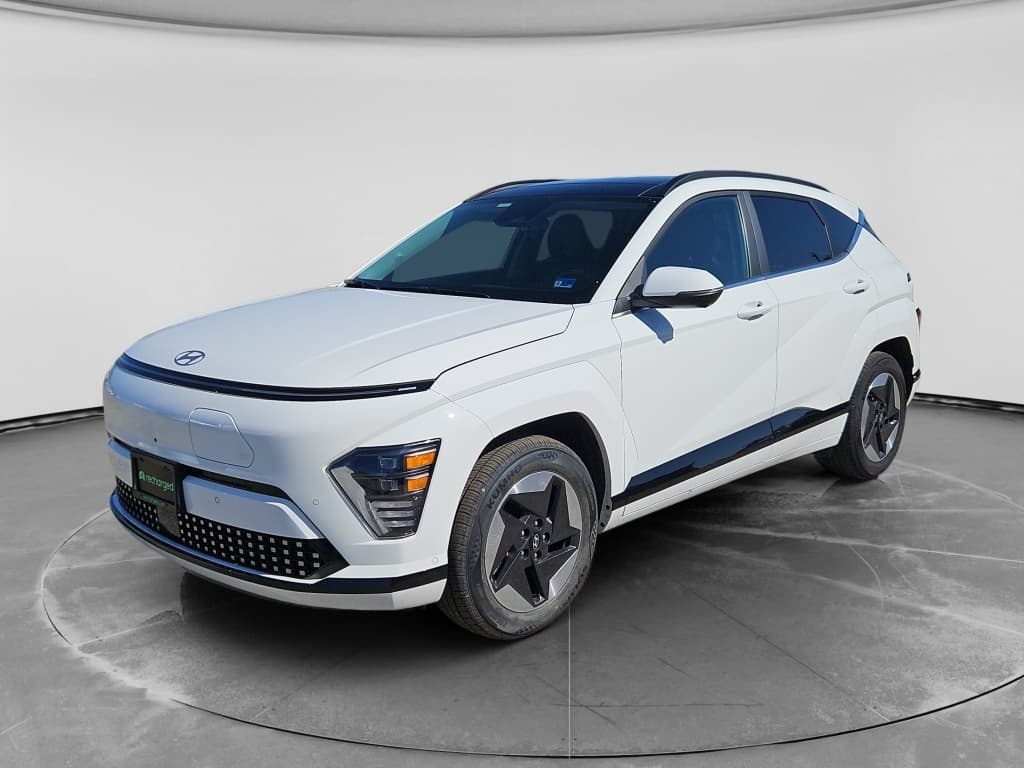
    2024 Hyundai Kona

    2024 Hyundai Kona

    Limited•31K mi•261 mi range
    4.9/5Recharged Score
    $25,597
    2023 Ford Mustang Mach-E

    2023 Ford Mustang Mach-E

    GT•24K mi•257 mi range
    4.8/5Recharged Score
    $36,597

    Related Articles

    2014 Nissan Altima Maintenance Schedule: Complete Guide
    Ownership & Costs·9 min

    2014 Nissan Altima Maintenance Schedule: Complete Guide

    See the recommended 2014 Nissan Altima maintenance schedule by mileage and time, including fluids, CVT care, and service costs so your Altima lasts longer.

    nissan-altima2014-altimamaintenance-schedule
    How to Sell Your Tesla Model Y in New Jersey for Maximum Value
    Selling·10 min

    How to Sell Your Tesla Model Y in New Jersey for Maximum Value

    Planning to sell a Tesla Model Y in New Jersey? Learn how to price it, handle NJ taxes, choose between trade‑in or private sale, and avoid common mistakes.

    tesla-model-yselling-evused-evs
    Polestar 3 Recalls List: Known Issues, Dates, and What Owners Should Do
    Used EVs·9 min

    Polestar 3 Recalls List: Known Issues, Dates, and What Owners Should Do

    See the complete Polestar 3 recalls list, what each recall covers, how to check your VIN, and what U.S. owners should do to stay safe and protect resale value.

    polestar-3ev-safetyev-recalls