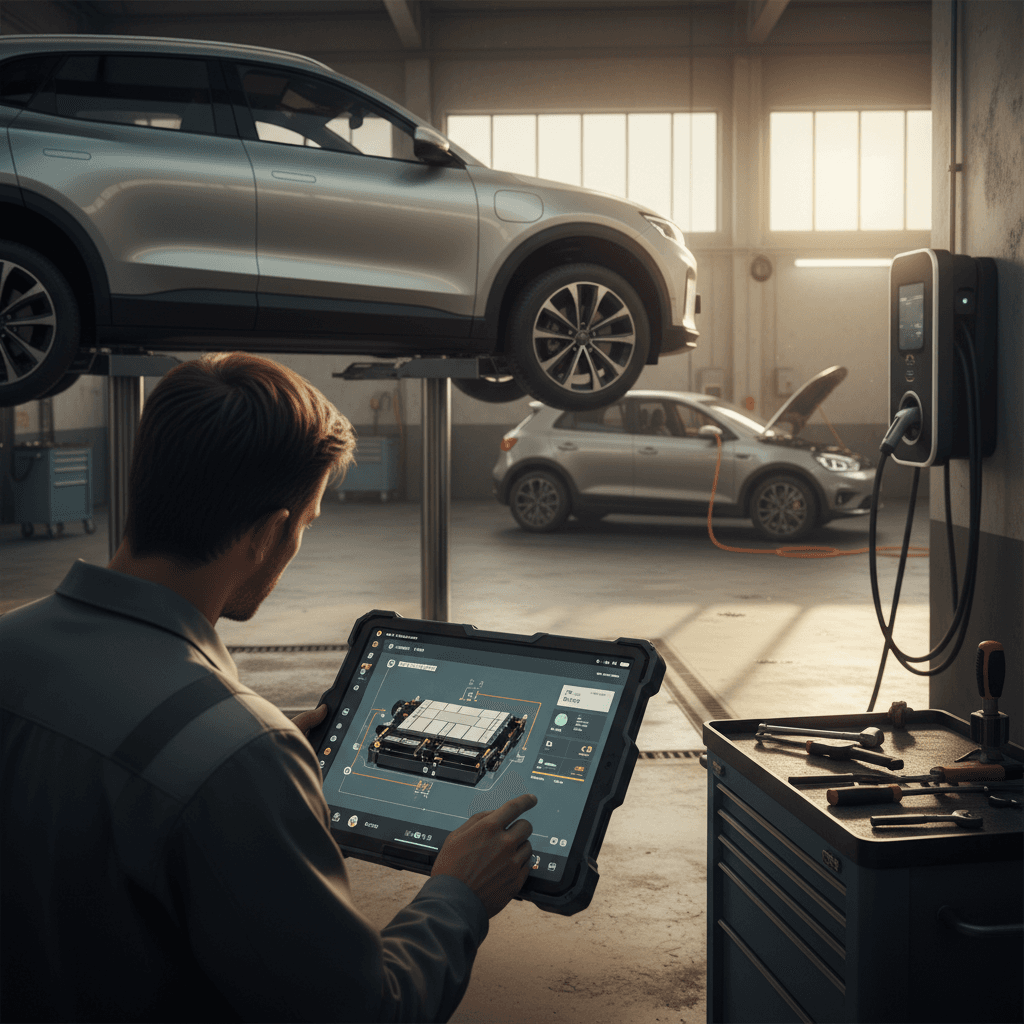
Type “auto service near me” into your phone as an EV owner and you’ll get a blizzard of oil-change coupons, muffler shops, and lube bays that your car will never need. Electric vehicles play by different rules. They need less service, but the service they do need matters more, and not every neighborhood shop is ready for that.
The EV service paradox
Why “auto service near me” looks different when you drive an EV
If you grew up timing your life by oil changes and timing belts, an EV rewires that mental calendar. There’s no engine oil, no spark plugs, no exhaust, no transmission fluid service in the old sense. Most routine visits labeled “auto service” simply don’t apply. Instead, your EV care revolves around tires, brakes, fluids, and software, plus occasional inspections of the high‑voltage system.
How EV service really compares in 2025
Where things get tricky is capacity. Surveys in 2024–2025 show EV owners wait longer for repairs than gas drivers because many dealers and shops are still ramping up EV expertise and tooling. So when you’re searching for “auto service near me,” you’re not just looking for proximity, you’re looking for the places that actually understand your car.
Don’t assume “we work on EVs” means high-voltage certified
What your EV actually needs for service
The maintenance list for a modern EV is refreshingly short, but it’s not zero. Ignore it and you’ll burn through tires, compromise safety systems, and potentially hurt resale value. Here’s what to prioritize when you look for EV‑friendly auto service near you.
Core EV service items (the stuff you actually need)
Use these as your checklist when you call any shop
Tires & alignment
EVs are heavy and deliver instant torque. That’s murder on tires.
- Rotate every 6,000–8,000 miles
- Get an alignment check yearly or after big pothole hits
- Ask for EV-rated tires when it’s time to replace
Brakes & fluid
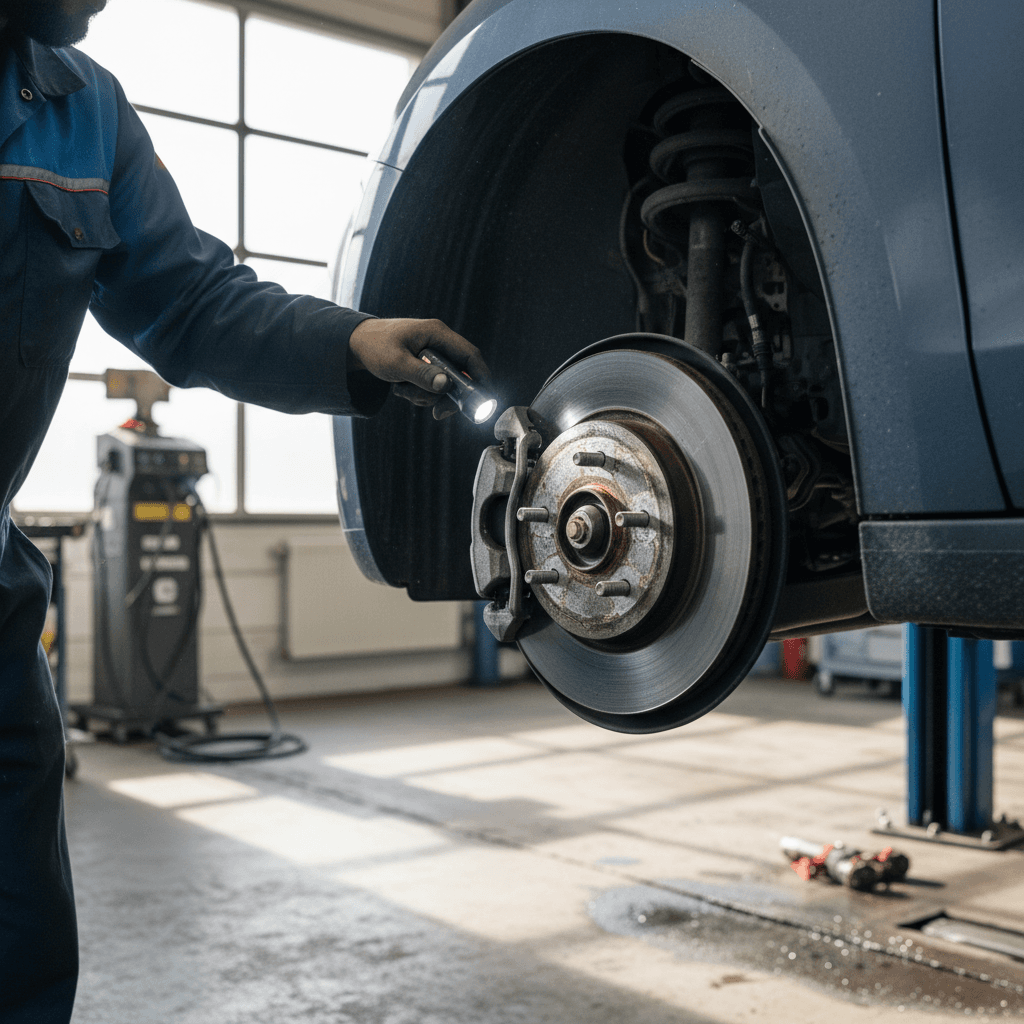
Regenerative braking means pads last longer, but they still age.
- Brake inspection at every service visit
- Brake fluid test every 2–3 years
- Caliper slide cleaning in salty climates
Cabin & filters
Small parts, big comfort.
- Cabin air filter every 15,000–30,000 miles
- Check for HVAC odors or weak airflow
- Keep vents and drains clear
Battery coolant
Your pack’s life depends on its thermal system.
- Coolant inspection about every 5–7 years
- Follow your owner’s manual intervals
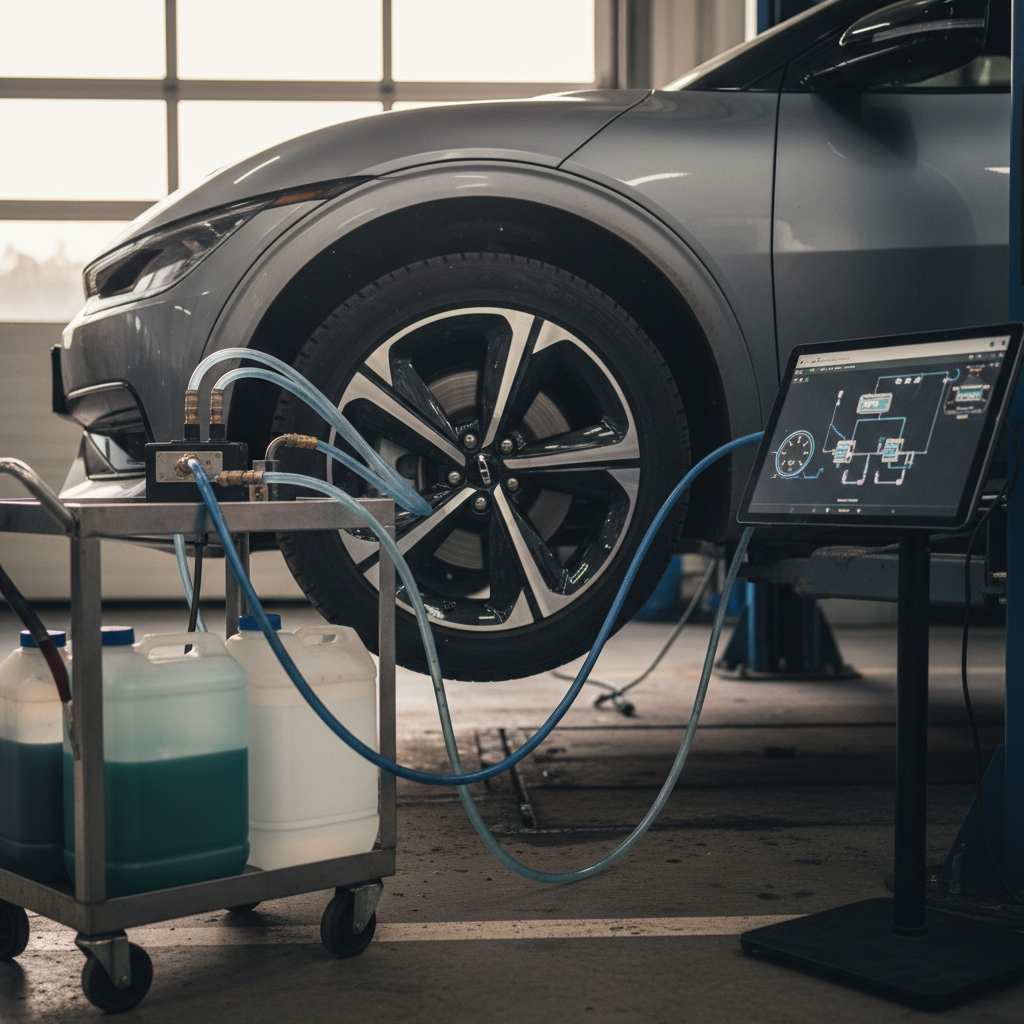
- Only let EV‑trained techs open the system
Software & recalls
Updates can fix bugs or unlock range.
- Install over‑the‑air (OTA) updates promptly
- Check for open recalls at least annually
- Update navigation & charging maps
Safety checks
Basic but vital.
- Lights, wipers, washer fluid
- Suspension & steering inspection
- 12V battery test every visit
One simple rule
Where to go for EV auto service near you
The old hierarchy, dealer for the hard stuff, quick‑lube for everything else, breaks down with EVs. Instead, think in terms of three tiers: factory service, independent EV‑literate shops, and specialty providers.
1. EV‑certified dealer service
If your car is still under warranty or you’re dealing with high‑voltage issues, start with the brand’s dealer network. They have factory tools, software access, and trained technicians.
- Best for software bugs, drive unit concerns, battery warnings
- Check whether the specific store is EV‑certified, many brands designate certain locations
- Downside: can be pricey and scheduling is often slow
2. Independent shops that “speak EV”
For day‑to‑day stuff like tires, brakes, and inspections, a good independent can be faster and cheaper.
- Look for shops advertising EV experience explicitly
- Ask what brands they see most often (Tesla, Hyundai, GM, etc.)
- Great for out‑of‑warranty cars and routine work
3. Tire & wheel specialists
Because tires are where most EVs get into trouble, lean on dedicated tire shops, but choose carefully.
- Confirm they can handle your EV’s weight and wheel size
- Ask about road‑force balancing for large-diameter wheels
- Make sure they know where the jacking points are, no guessing on battery packs
4. Mobile and concierge service
Some brands and independent networks offer mobile tire swaps, minor repairs, or pickup-and-dropoff service.
- Perfect if local options are limited or booked out
- Ask up front what work they won’t do in a driveway (usually high‑voltage)
- Verify that mobile techs are insured for EV work
How Recharged fits in
Ready to find your next EV?
Browse VehiclesHow to vet any auto shop for EV work
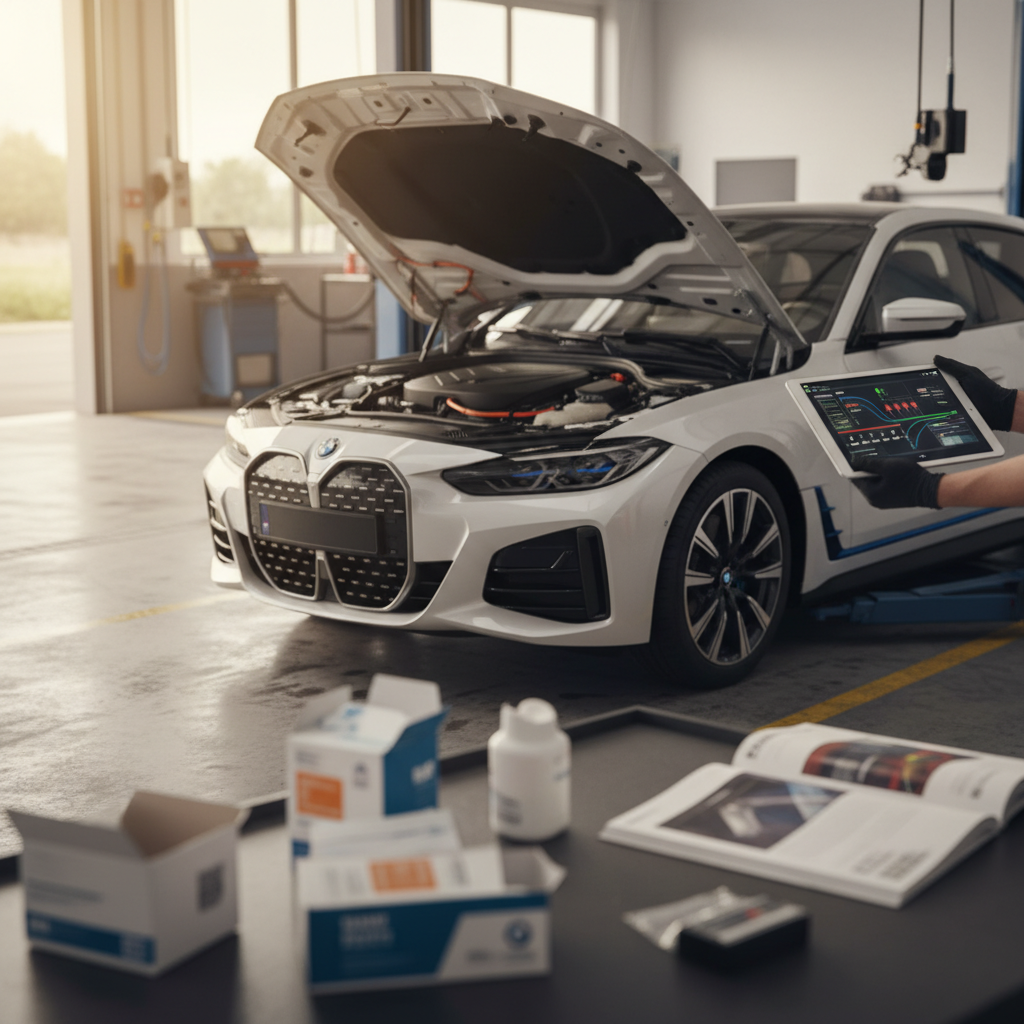
Before you trust a shop with a 400‑volt battery pack sitting under your seat, spend five minutes interviewing them. A good service advisor will welcome smart questions; a bad one will get defensive or vague. That tells you all you need to know.
6 questions to ask before you book
1. “How many EVs do you see each week?”
You’re listening for real numbers and specific models, not hand‑waving. “We see a couple of Teslas and ID.4s every week” is better than “Oh yeah, some electric stuff here and there.”
2. “Which services do you perform on EVs?”
A solid answer sounds like: tires, brakes, alignments, suspension, cabin filters, and basic inspections. If they mention opening battery packs or improvising repairs on high‑voltage components, be cautious.
3. “Are your technicians EV‑certified or trained?”
Ask whether techs have brand‑specific training or independent EV certifications. It’s reasonable to request that a trained technician oversees your car.
4. “What equipment do you use for lifting EVs?”
You want to hear about proper lift pads, jacking point diagrams, and wheel‑torque procedures. A battery pack is not a jack point, ever.
5. “Do you provide a detailed digital inspection?”
Modern shops should be able to text or email a multi‑point inspection with photos or videos. This is especially helpful for tracking tire wear and brake condition over time.
6. “Can I see a sample invoice for similar work?”
Seeing a real-world invoice (with personal details redacted) shows how they code EV jobs and what they actually charge.
Red flags you shouldn’t ignore
Service costs: EV vs gas, what to expect
The good news: as an EV owner, your service line on the household budget should shrink. The more nuanced truth: when things do go wrong, the repairs can be specialized and occasionally pricey. It’s about averages, not outliers.
Typical annual maintenance costs: EV vs gas (2025 snapshot)
Actual numbers vary by model and region, but the pattern is consistent: EVs spend less on scheduled maintenance, especially over five years.
| Item | EV (per year) | Gas car (per year) | Notes |
|---|---|---|---|
| Routine maintenance | $150–$300 | $900–$1,800 | EVs skip oil, exhaust, and many engine services. |
| Brake service | Lower, less frequent | Higher, more frequent | Regenerative braking extends pad life on EVs. |
| Tires | Slightly higher | Standard | EVs are heavier; poor rotation habits get expensive. |
| Unexpected repairs | Occasional, specialized | More frequent, varied | Gas cars have more moving parts that can fail. |
| 5‑year total | $750–$1,500 | $4,500–$9,000 | Typical estimates at 15,000 miles per year. |
Use these figures as ballpark guidance when you’re comparing shop estimates or debating a repair on your aging gas car vs switching to an EV.
Why “cheap oil change” coupons don’t apply to you
Common EV repairs, and how to avoid them
EVs break down less often than gas cars in many recent studies, but when they do, it’s usually for the same mundane reasons: tires, 12‑volt batteries, and neglected basics. The high‑voltage stuff is rarely the culprit, but it makes headlines when it is.
- Tire damage and premature wear: Heavy vehicles plus instant torque equals stressed sidewalls and fast‑wearing treads, especially on performance tires.
- 12‑volt battery failure: Even in EVs, that humble 12‑volt battery runs the computers and contactors. When it dies, the party’s over just like in a gas car.
- Charging‑port issues: Broken latch mechanisms, bent pins, or water intrusion from rough handling or poor design.
- Software gremlins: Infotainment crashes, charging‑session failures, or driver‑assist faults that need software updates rather than wrenches.
Four habits that prevent most headaches
When you’re buying used: EV service you should demand
Searching for “auto service near me” takes on a different meaning when you’re about to buy a used EV. You’re not just looking for a quick inspection; you’re trying to see into the car’s future. Battery health, charging history, and previous repairs matter much more than on a used gas sedan.
Pre‑purchase EV checks you shouldn’t skip
Ask the seller, or your inspector, for these reports
Battery health report
This is the main event on a used EV.
- State of health (SoH) percentage
- Fast‑charging vs home‑charging history
- Any battery‑related recalls or repairs
Service & recall history
You want a clean, documented paper trail.
- All warranty repairs, especially high‑voltage
- Proof of software updates
- Record of tire and brake service
Lift & underbody inspection
Essential for cars with big battery packs.
- Check pack housing for impacts or corrosion
- Inspect suspension and bushings
- Look for uneven tire wear patterns
How Recharged simplifies used‑EV inspections
FAQ: Auto service near me for EV owners
Frequently asked questions about EV auto service
Key takeaways: finding the right auto service near you
When you type “auto service near me” as an EV owner, your goal isn’t to find the nearest oil‑change bay. It’s to find the shop that understands your specific car, its software, and the handful of components that actually wear out. Prioritize EV‑literate providers for tires, brakes, and inspections, save high‑voltage and warranty work for certified centers, and don’t be shy about interviewing any shop before you hand over the key card.
If you’re at the point where your current car is becoming a service project, you can also step off the hamster wheel entirely. With Recharged, you can browse used EVs with transparent battery‑health reports, financing, trade‑in options, and nationwide delivery, all guided by EV specialists who live and breathe this stuff. Whether you’re keeping the EV you have or shopping for the next one, the right service isn’t just near you, it’s on your side.