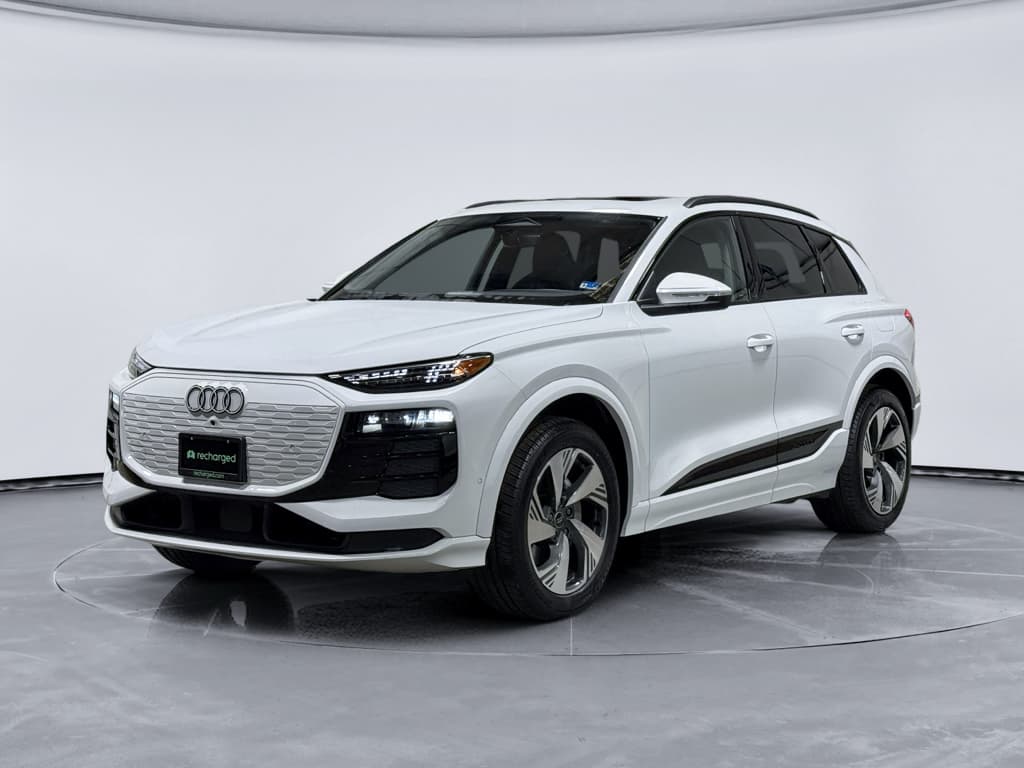
If you’re eyeing an Audi Q8 e-tron, you’re probably not just asking, “What’s the price?” You want to know the **Audi Q8 e-tron long term ownership cost**, how much this big luxury EV will actually set you back over 5–10 years once depreciation, charging, maintenance, and insurance are in the mix.
Quick takeaway
Audi Q8 e-tron long-term ownership cost: overview
To ground this in real data, Kelley Blue Book’s 5-year cost-to-own modeling for a recent Q8 e-tron generation comes in around **$97,000 over five years** for a new model, assuming average mileage and financing. That figure includes depreciation, electricity, maintenance, insurance, financing, and state fees. Depreciation alone accounts for roughly **half** of that total, with operating costs making up the rest.
Audi Q8 e-tron 5-year ownership at a glance*
Important context
5-year cost to own: what the numbers look like
Let’s unpack that roughly **$97,000** five-year figure for a new Audi Q8 e-tron. Using KBB-style cost-to-own data for a 2025 model as a guide, here’s a representative breakdown for 5 years, 15,000 miles per year, financed purchase:
Estimated 5-year Audi Q8 e-tron cost-to-own (new)
Illustrative breakdown based on recent cost-to-own modeling for a new Q8 e-tron. Actual numbers vary by configuration and region.
| Category | 5-year estimate | What it covers |
|---|---|---|
| Depreciation | ~$48,000 | Loss in value from new purchase price over 5 years. |
| Electricity ("fuel") | ~$4,700 | Home and public charging based on typical usage. |
| Maintenance | ~$3,700 | Tires, inspections, brake fluid, cabin filters, misc. service. |
| Repairs | ~$1,400 | Out-of-warranty or wear-related repairs beyond routine service. |
| Insurance | ~$23,000 | Full-coverage premium for a luxury EV SUV across 5 years. |
| Financing | ~$9,800 | Interest paid on a typical 60‑month loan. |
| Taxes & fees | ~$6,400 | Sales tax, registration, and assorted state/local fees. |
| Total 5-year cost | ≈$97,000 | Combined depreciation + out-of-pocket ownership costs. |
Depreciation and insurance are by far the largest ongoing expenses.
Why the number looks high
Depreciation: the biggest piece of the Q8 e-tron cost pie
For any modern EV, **depreciation is the single largest cost of ownership**, and the Audi Q8 e-tron is no exception. Independent resale analyses suggest the Q8 e-tron can lose **70%+ of its original value in the first five years**, leaving it with a residual value in the low‑ to mid‑20‑thousand‑dollar range. That’s materially steeper than the average SUV and even steeper than the luxury electric SUV segment as a whole.
How Q8 e-tron depreciation compares
Why buying new isn’t always the value play
Q8 e-tron
Recent resale tracking shows ~70–73% depreciation over 5 years for the Q8 e-tron, leaving roughly a quarter of its original MSRP.
That’s aggressive even by luxury EV standards.
Luxury electric SUVs (avg.)
Across similar luxury electric midsize SUVs, 5‑year depreciation typically falls closer to 60–65%.
The Q8 e-tron is on the higher‑loss side of the class.
All SUVs (gas & EV)
The broader SUV market tends to lose about 45–50% of value over 5 years.
Mainstream gas SUVs and popular Teslas often hold value better.
What this means if you buy new
The flip side: that very same depreciation is **good news for used buyers**. When someone else has eaten 60% or more of the original MSRP in the first few years, you get a sophisticated, comfortable Audi EV for the price of a well‑equipped mainstream crossover, if the battery and overall condition check out. That’s exactly where a marketplace like Recharged leans in, by pairing each used EV with a battery‑health‑driven Recharged Score and pricing benchmark so you can see how much value you’re actually getting.
Charging costs vs. gas: what you’ll actually spend
Day to day, your Audi Q8 e-tron is far cheaper to “fuel” than a gas Q7 or Q8. In KBB-style cost-to-own modeling, 5‑year electricity costs land around **$4,600–$4,800** at typical U.S. electric rates and average mileage. A gas-powered Q8 with similar usage can easily burn through **two to three times that** in premium fuel over five years.
Typical electricity costs
- Battery size: roughly mid‑90 kWh usable depending on model year and trim.
- Real-world efficiency: about 2.1–2.4 mi/kWh for mixed driving.
- Home charging: At $0.14/kWh, a full charge runs roughly $13–$15.
- Annual spend: For 12,000–15,000 miles/year, many owners land around $700–$1,000 in electricity.
Comparable gas SUV costs
- Think Audi Q8 or Q7 with a turbo V6.
- At 18–20 mpg and $4/gal for premium, 15,000 miles/year burns $3,000+ in fuel.
- Over 5 years, that’s $15,000+ in gas vs. ~$5,000 in electricity.
- Road‑trip DC fast charging at higher rates will narrow the gap but rarely erase it.
How to keep charging costs low
Maintenance and repairs: premium brand, EV-style schedule
One upside of an electric Audi is that there’s **no engine oil, spark plugs, or exhaust system** to worry about. But don’t confuse that with “maintenance‑free.” In cost-to-own projections, a Q8 e-tron runs about **$3,500–$4,000 in maintenance** and another **$1,000–$1,500 in repairs** over the first 5 years.
- Tire replacements (big 20–22" wheels are common and not cheap).
- Brake fluid service and inspections (even if pads last longer thanks to regen).
- Cabin air filters and general inspections as part of Audi’s service schedule.
- HVAC and battery‑cooling system checks.
- Out‑of‑warranty hardware repairs, suspension pieces, sensors, or charging equipment.
Service schedule reality
Spreading those estimates out, you’re likely looking at **$700–$900 per year** on average over the first 5 years, with some years lighter and some (major services or tire years) much heavier. By year 6–10, you should assume repairs rise as high‑tech components age, especially if the car is no longer under warranty.
Insurance and taxes: where costs creep up
Insuring a large luxury EV isn’t cheap. Recent nationwide rate surveys put **full‑coverage Audi Q8 e-tron insurance around $375 per month**, or roughly **$4,500 per year** for an average driver profile. That’s actually a bit cheaper than the gas Q8 for many drivers, but still noticeably higher than mainstream SUVs.
Recurring costs beyond charging and maintenance
Insurance
Plan for something in the neighborhood of $3,500–$4,500 per year for full coverage, depending on your driving record, location, and coverage limits.
Taxes & registration
At purchase, you’ll owe sales tax on the transaction price (unless offset by incentives). Then expect a few hundred dollars per year in registration and property/usage taxes where applicable.
Financing cost
With a typical 60‑month loan and current interest rates, it’s easy to spend $8,000–$10,000 in interest over 5 years on a new Q8 e-tron.
State incentives can change the math
Battery health and long-term risk
From a cost-of-ownership perspective, **battery health is the wild card**. Audi’s high‑voltage battery warranties typically run 8 years/100,000 miles against major degradation, and most owners will trade out before a catastrophic failure. But as these SUVs age into their second decade, pack condition will heavily influence resale value and repair risk.
Battery factors that affect long-term cost
1. Degradation over time
Even well‑cared‑for packs lose capacity. A 10‑year‑old Q8 e-tron with 20–30% less range will be less desirable and therefore worth less, even if it’s still perfectly usable for daily driving.
2. Charging habits
Frequent DC fast charging and habitually running the pack to 0–100% can accelerate degradation. Favor home Level 2 charging and moderate state‑of‑charge windows to protect long‑term value.
3. Warranty timing
Buying near the end of the 8‑year battery warranty? That can increase your risk of an expensive repair falling on your dime. On the other hand, a used Q8 e-tron with several warranty years left can be a sweet spot.
4. Verified battery health
A generic “it drives fine” test drive won’t tell you much. Objective diagnostics, like the <strong>Recharged Score</strong> battery report, give you an at‑a‑glance view of usable capacity and pack condition before you commit.
How Recharged reduces battery risk
Ready to find your next EV?
Browse VehiclesNew vs. used Audi Q8 e-tron: cost comparison
Given how sharply the Q8 e-tron depreciates, the long‑term cost picture looks very different depending on whether you buy new or step into a 2‑ to 4‑year‑old example. Here’s a simplified comparison to illustrate the tradeoffs over 5 years of your ownership.
Illustrative 5-year cost: new vs. used Audi Q8 e-tron
High-level comparison for someone who either buys new and keeps 5 years, or buys a 3‑year‑old used example and also keeps 5 years.
| Scenario | Starting point | 5-year depreciation (your tenure) | Other 5-year costs (energy, maintenance, insurance, etc.) | Estimated 5-year total |
|---|---|---|---|---|
| Buy new | Brand-new Q8 e-tron at ~$80k MSRP | ≈$45k–$50k | ≈$45k–$50k | ≈$90k–$100k |
| Buy used | 3‑year‑old Q8 e-tron at ~$35k | ≈$15k–$20k | ≈$45k–$50k | ≈$60k–$70k |
Exact numbers will vary, but the pattern, new is convenient, used is usually more cost‑efficient, is consistent.
Why used often wins
That’s precisely why **used luxury EVs are one of the few spots in the car market where the value-conscious buyer can have their cake and eat it too**. On Recharged, you can zero in on a Q8 e-tron with a strong battery score, transparent pricing tied to market data, and options like **trade‑in, financing, and nationwide delivery** to keep the process as painless as possible.
How to lower your Q8 e-tron ownership costs
You can’t control everything, macro EV resale trends and insurance pricing are bigger than any single buyer. But you can absolutely stack the deck in your favor. Here are practical levers to pull before and after you buy.
Smart ways to reduce long-term Q8 e-tron costs
1. Start with the right purchase price
Negotiate hard on new, or better yet, use transparent market data on a used Q8 e-tron. Platforms like Recharged benchmark every vehicle’s price against the broader used EV market so you can see whether you’re paying a premium or getting a deal.
2. Favor used with warranty coverage left
A 2–4‑year‑old Q8 e-tron with some factory battery and bumper‑to‑bumper coverage remaining hits a sweet spot of lower price and reduced repair risk.
3. Optimize your charging mix
Install or use Level 2 charging where you park most nights, and enroll in off‑peak utility rates if available. That keeps your “fuel” bill low and is easier on the battery than constant DC fast charging.
4. Shop insurance aggressively
Get quotes from multiple carriers and consider raising deductibles to drop monthly premiums. Ask specifically about EV and safety‑feature discounts; the Q8 e-tron’s advanced driver assistance tech can sometimes earn credits.
5. Stay ahead on tires and alignment
These SUVs are heavy and powerful. Keep an eye on tire wear, rotate regularly, and handle alignments promptly to avoid chewing through expensive 21–22" rubber faster than necessary.
6. Use objective battery diagnostics
Whether you’re shopping or preparing to sell or trade, a third‑party battery health report, like the Recharged Score, helps you avoid overpaying for a weak pack and gives you a leg up when it’s your turn to be the seller.
FAQ: Audi Q8 e-tron long-term ownership cost
Frequently asked questions
Is an Audi Q8 e-tron worth it long term?
From a pure dollars‑and‑cents standpoint, the Audi Q8 e-tron is not the cheapest way to move a family around. **Long-term ownership cost is high if you buy new and sell within 5 years**, thanks mainly to steep depreciation and premium‑brand running costs. But if you approach it like a savvy used‑EV buyer, letting someone else take the early hit, verifying battery health, and controlling your insurance and charging strategies, the Q8 e-tron can deliver flagship‑SUV comfort and technology for a surprisingly reasonable total cost of ownership.
If you’re considering one, start by deciding whether new or used actually fits your financial goals. Then look beyond the sticker price. Tools like the Recharged Score Report, transparent pricing, and expert EV guidance can help you choose a Q8 e-tron whose **real** long-term cost lines up with what you’re willing to spend, so you get the Audi experience you want without any expensive surprises.