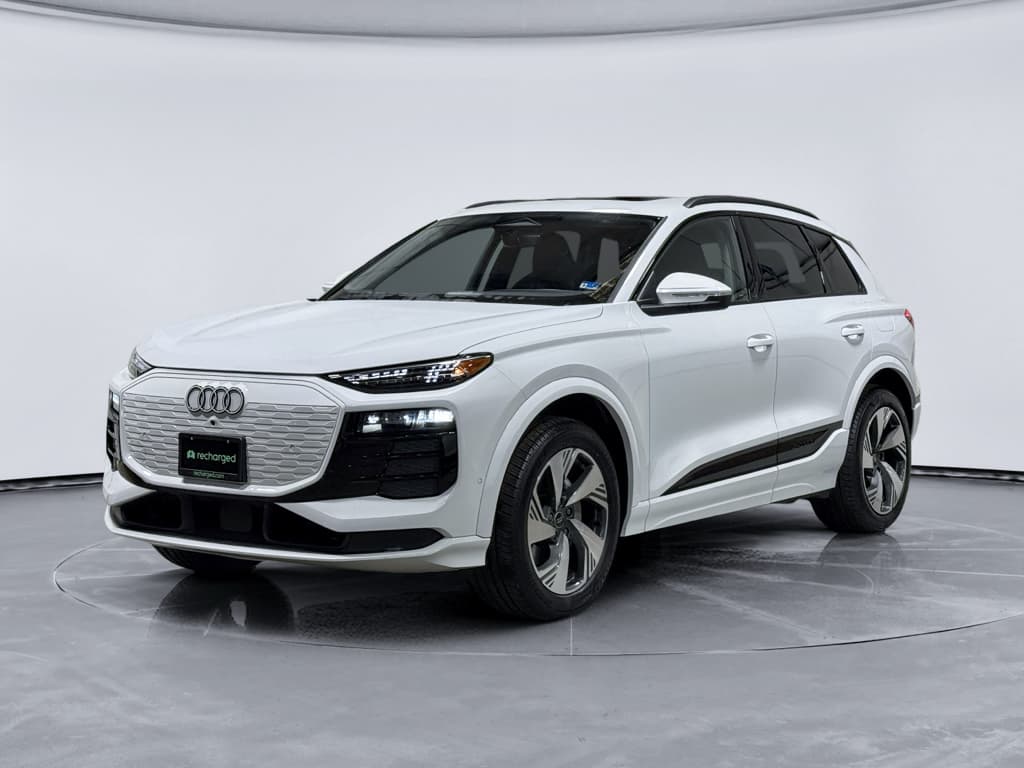
If you’re looking at an Audi Q8 e-tron, depreciation should be front and center in your decision-making. Luxury EV SUVs have delivered some of the steepest value drops in the market, and the Q8 e-tron is no exception. Understanding the Audi Q8 e-tron depreciation rate, backed by real data, not wishful thinking, is the difference between overpaying and getting a genuinely smart deal, especially on a used example.
Key takeaway up front
Overview: How the Audi Q8 e-tron Depreciates
On paper, the Q8 e-tron is a flagship luxury EV SUV with a premium badge, big battery, and a sticker price that can easily stretch into the $80,000s. In the used market, though, it behaves very differently than a gas Q8 or a well-optioned Q7. Like most luxury EVs, the Q8 e-tron sees fast early depreciation, then levels off once it hits used-buyer-friendly price points.
Audi Q8 e-tron Depreciation at a Glance
Reality check
The Hard Numbers: 3–5 Year Depreciation
Let’s start with data from major valuation guides that track total cost of ownership and real-world resale behavior for the Audi Q8 e-tron and its Sportback variant.
Recent Audi Q8 e-tron Depreciation Snapshots
Illustrative examples based on mainstream valuation data for recent Q8 e-tron model years.
| Model / Scenario | Timeframe | Original Price (approx.) | Current / Future Value | Total Depreciation | % Value Lost |
|---|---|---|---|---|---|
| 2024 Q8 Sportback e-tron (example) | ~3 years in | $83,395 | $37,300 resale | $46,095 | 55% |
| 2025 Q8 e-tron (modeled) | 5-year forecast | ~$76,000 | $27,653 residual | $48,442 | ~64% |
| Typical EV (all models, 5 years) | 5 years | , | Retains ~41% | Loses ~59% | ~59% |
| Typical new vehicle (all powertrains) | 5 years | , | Retains ~60%+ | Loses ~40% | ~40% |
Values are rounded and will vary by trim, options, region, mileage, and transaction timing.
- Very steep first 3 years: A late-model Q8 e-tron can lose more than half its value from MSRP in roughly three years.
- Above-average 5-year drop: Modeled 5-year depreciation on a Q8 e-tron is materially worse than the average new vehicle, and in line with broader EV trends.
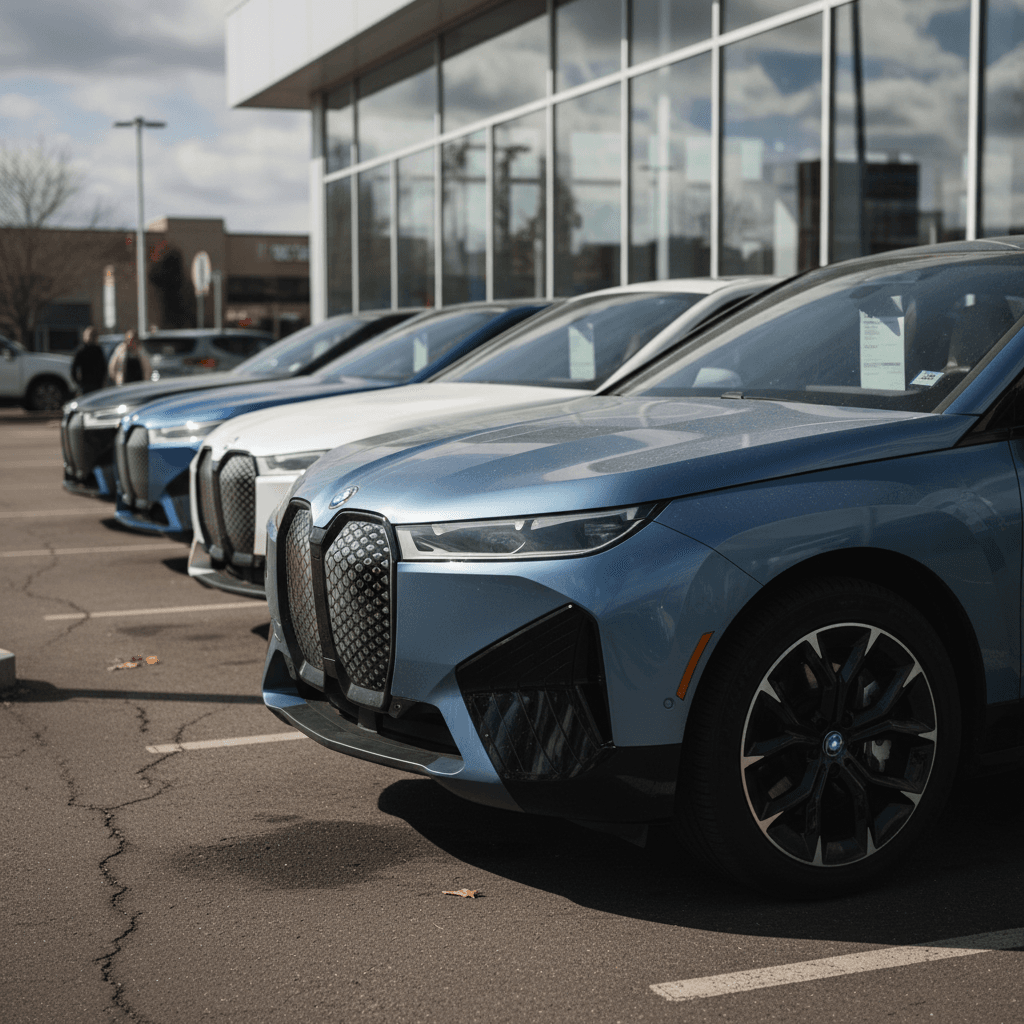
Why Luxury EV SUVs Like the Q8 e-tron Depreciate So Fast
The Q8 e-tron isn’t depreciating in a vacuum. It’s riding three overlapping waves: luxury-brand depreciation, SUV depreciation, and EV-specific headwinds. Stack those together and you get brisk value loss in the early years.
Main Drivers of Q8 e-tron Depreciation
Why such a sophisticated SUV can be such a bargain as a used EV
Rapid tech turnover
EV-specific incentives
High MSRP, small buyer pool
EVs vs. gas vehicles
How the Q8 e-tron Compares to Other EVs and Luxury SUVs
Versus other luxury EVs
Within the luxury EV space, the Q8 e-tron’s depreciation is on the high side but not an outlier. Early Audi e-tron SUVs and Jaguar I-Pace models also dropped hard as range and charging speeds improved on newer rivals.
Compared with a Tesla Model X or Mercedes EQE SUV, the Audi’s resale is generally weaker, but the gap narrows once you factor in equipment, mileage, and whether the battery pack has been carefully managed.
Versus gas luxury SUVs
Compared with a gas Audi Q8, BMW X5, or Mercedes GLE, the Q8 e-tron depreciates faster, especially in the first three years. Traditional SUVs benefit from broader demand and fewer questions from used buyers about battery health and charging infrastructure.
The upside is that a used Q8 e-tron can cost what a fairly basic gas SUV does, while still feeling every bit like a flagship Audi inside.
Where this becomes an opportunity
Factors That Make Your Q8 e-tron Worth More (or Less)
Depreciation curves are averages; your specific Audi can land well above or below that line. For EVs, especially big, expensive ones like the Q8 e-tron, battery health and usage pattern matter just as much as color or trim level.
Key Value Drivers for a Used Q8 e-tron
1. Verified battery health
For any used EV, a battery State of Health (SOH) report is non‑negotiable. A pack at 90% SOH is a very different asset than one at 78%. Recharged’s <strong>Score Report</strong> includes independent battery diagnostics so you’re not guessing about remaining range or long-term value.
2. Mileage and duty cycle
50,000 highway miles with gentle DC fast-charging use is often easier on the pack than 20,000 miles of short, hot-city trips with constant 0–100% charges. Ask how the vehicle was driven, not just how far.
3. DC fast charging habits
Heavy reliance on high-power DC charging can accelerate degradation. A Q8 e-tron that mostly lived on Level 2 home charging will typically hold value better than one used as a road-trip workhorse.
4. Software and service history
Up-to-date software, documented warranty work, and regular service at Audi or a reputable EV specialist gives buyers confidence, and helps your Q8 e-tron stand out among similar listings.
5. Options, trims, and colors
Desirable specs, Prestige trim, dual-motor Quattro, adaptive suspension, popular colors, tend to slow depreciation. Oddball colors, stripped trims, or unusual wheel combos usually soften demand.
6. Local charging and incentives
In regions with strong public charging networks and EV-friendly incentives, used Q8 e-trons are easier to live with and therefore easier to sell. In less EV-ready markets, buyers push harder on price.
Battery health is the new "mileage"
Buying a Used Audi Q8 e-tron: Smart Strategies
If you like the Q8 e-tron but not the idea of lighting $40,000 on fire in three years, the answer is simple: buy used, not new. The trick is separating a great value from a future headache.
How to Use Depreciation to Your Advantage
Turn the Q8 e-tron’s weak resale into a strong buying opportunity
Target the 2–4-year window
Insist on documentation
Compare against new, after incentives
Red flags to walk away from
Protecting Resale Value if You Already Own One
If you already have a Q8 e-tron in the driveway, you can’t change market headwinds, but you can absolutely influence where your individual vehicle lands within that depreciation band.
- Keep software and recalls current; buyers increasingly expect modern ADAS and charging behavior to be up to date.
- Favor Level 2 charging at home or work and avoid frequent 0–100% fast-charging sessions.
- Document everything: services, tire rotations, cabin filters, even charging habits if you use a logging app.
- Stay ahead on cosmetic issues, curbed wheels and scratched trim move a Q8 e-tron from “pristine” to “just okay” instantly.
- If you plan to sell, aim to do so before the factory battery warranty nears expiration; remaining warranty is a powerful resale lever.
Using Recharged when you’re ready to sell
Ready to find your next EV?
Browse VehiclesWhat Depreciation Means for Total Cost of Ownership
In cost-of-ownership studies, depreciation is consistently the single biggest expense of owning a new vehicle, often bigger than electricity, maintenance, insurance, or taxes combined. That’s even more true for pricey EVs like the Q8 e-tron.
5-Year Cost Picture: 2025 Audi Q8 e-tron (Example)
Modeled cost-of-ownership breakdown for a recent Q8 e-tron over five years.
| Cost Category (5 years) | Estimated Amount | Notes |
|---|---|---|
| Depreciation | $48,442 | Largest single cost, loss in value from new purchase price. |
| Out-of-pocket expenses | $49,135 | Electricity, insurance, finance charges, fees, maintenance, repairs. |
| Total 5-year cost to own | $97,577 | Roughly half of this total is depreciation alone. |
| Typical 5-year EV value loss | ~58.8% | Industry-wide average depreciation for EVs over 5 years. |
Figures are illustrative based on mainstream ownership-cost tools; your numbers will vary with region, financing, and driving profile.
If you buy new and sell around the three-year mark, you’re compressing most of that $48,000+ loss into a very short window. If you buy a 3‑year‑old Q8 e-tron instead and keep it another 4–5 years, your annual depreciation bill often drops dramatically, even though the vehicle is older, because you’re riding the flatter part of the curve.
How Recharged fits into this
FAQ: Audi Q8 e-tron Depreciation and Resale
Frequently Asked Questions
The Audi Q8 e-tron is a textbook case of how depreciation can punish first owners and reward informed second owners. As a new purchase with a short holding period, its depreciation rate is hard to justify. As a used purchase, backed by verified battery diagnostics, fair pricing, and expert guidance, it can be one of the most compelling ways to get into a truly premium EV SUV. If you’re considering one, let depreciation work for you, not against you, and lean on tools like the Recharged Score Report to make sure you’re buying the battery, not just the badge.