If you’re a single parent, your car isn’t a toy, it’s mission control. School runs, daycare drop-offs, late-night pharmacy trips, weekend sports, shared custody handoffs… it all has to work, every time. The best used electric car for single parents is the one that keeps your kids safe, your budget predictable, and your daily chaos under control.
What this guide covers
Why single parents shop for EVs differently
1. Your time is not flexible
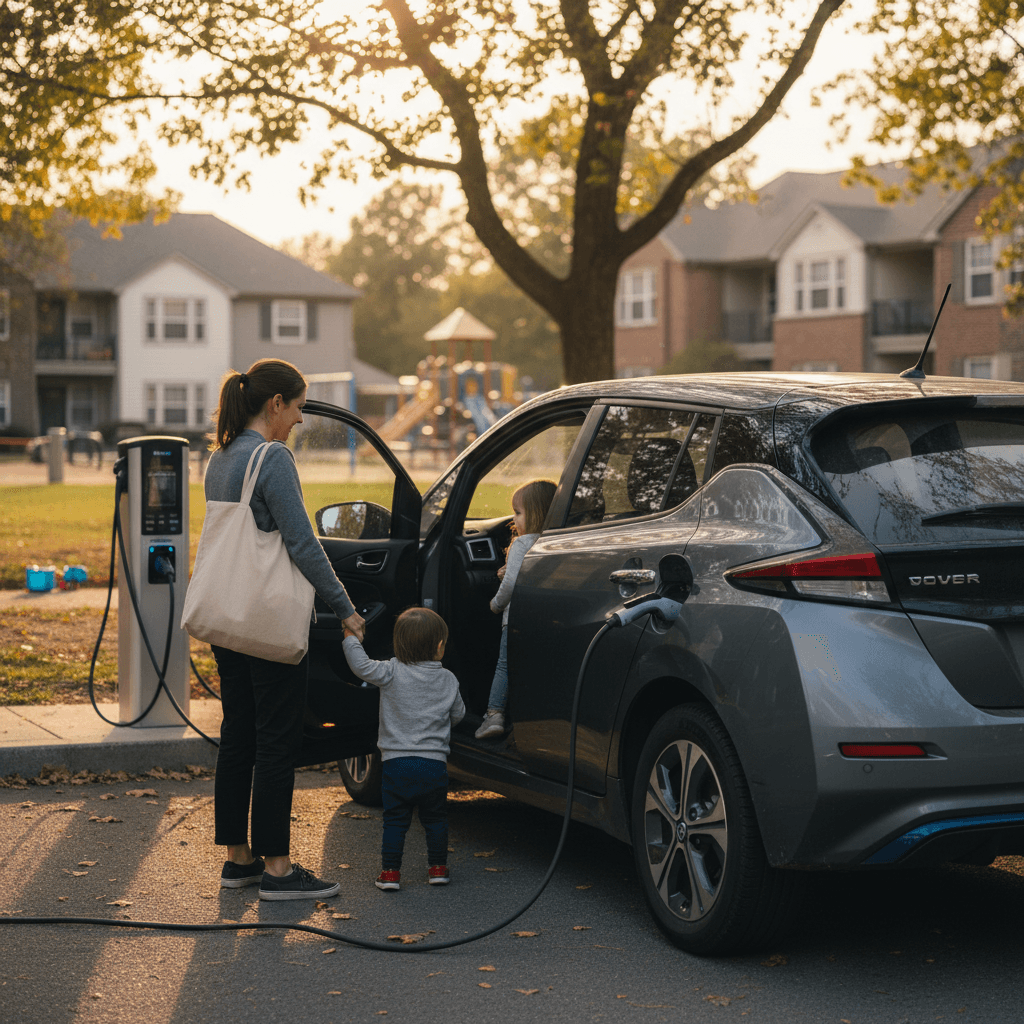
You can’t sit at a broken fast charger for 45 minutes with a cranky toddler. A good used EV for a single parent needs reliable range for the school-and-errands loop and, ideally, a predictable home charging setup so you start each day full.
2. Your car is your safety net
When you’re the only adult in the house, you need rock-solid reliability and safety. That means strong crash scores, modern driver-assistance tech, and a track record that won’t have you at the service bay every month.
On top of that, you’re probably juggling a strict budget. Used EV prices have come down sharply since 2022, which is good news: there are now genuinely solid, family-capable electric cars under $20,000, and very good ones under $30,000.
Why used EVs make sense for single-parent households
Quick picks: best used electric cars for single parents
Best used EVs for single parents by scenario
Start here, then dive into the details below
Best tight-budget commuter
Chevrolet Bolt EV / Bolt EUV (2017–2023)
- Often under $15k–$22k used
- Surprisingly roomy for one or two kids
- Low running costs, great for city/suburb life
Best all-rounder under $30k
Kia Niro EV (2019–2022)
- Crossover shape with good cargo space
- Strong safety scores and family-friendly tech
- Enough range for busy weeks and road trips with planning
Best for growing families
Volkswagen ID.4 (2021–2023)
- Loads of rear legroom and cargo
- Works better for strollers and older kids
- Great choice if you sometimes haul other kids, too
How Recharged can help
How much used EV can you really afford?
Before you fall in love with a specific model, it helps to back into a payment you can live with in a one-income household. A rough rule of thumb: your total car cost (payment, insurance, charging) shouldn’t eat more than 10–15% of your take-home pay.
Sample used EV budgets for single parents
Approximate U.S. examples assuming average credit; your actual numbers will vary.
| Monthly budget | Typical price range | Realistic EV examples |
|---|---|---|
| Under $275 | Up to ~$15,000 | Older Nissan Leaf, Chevy Spark EV in select markets, higher-mile Chevy Bolt EV |
| $275–$375 | $15,000–$22,000 | Chevy Bolt EV/Bolt EUV, 2nd-gen Nissan Leaf, early Hyundai Ioniq Electric |
| $375–$475 | $22,000–$30,000 | Kia Niro EV, VW ID.4, Tesla Model 3 (earlier years), Hyundai Kona Electric |
| $475+ | $30,000+ | Newer/bigger crossovers like Hyundai Ioniq 5, Kia EV6, higher-trim ID.4 |
Use this as a starting point, not a quote.
Watch the whole monthly picture
Key features single parents should prioritize
- Rear-seat space and car seat fit: Can you fit a rear-facing seat without shoving the front passenger into the dash? Bring your seat to the test drive and check latch anchors and belt paths.
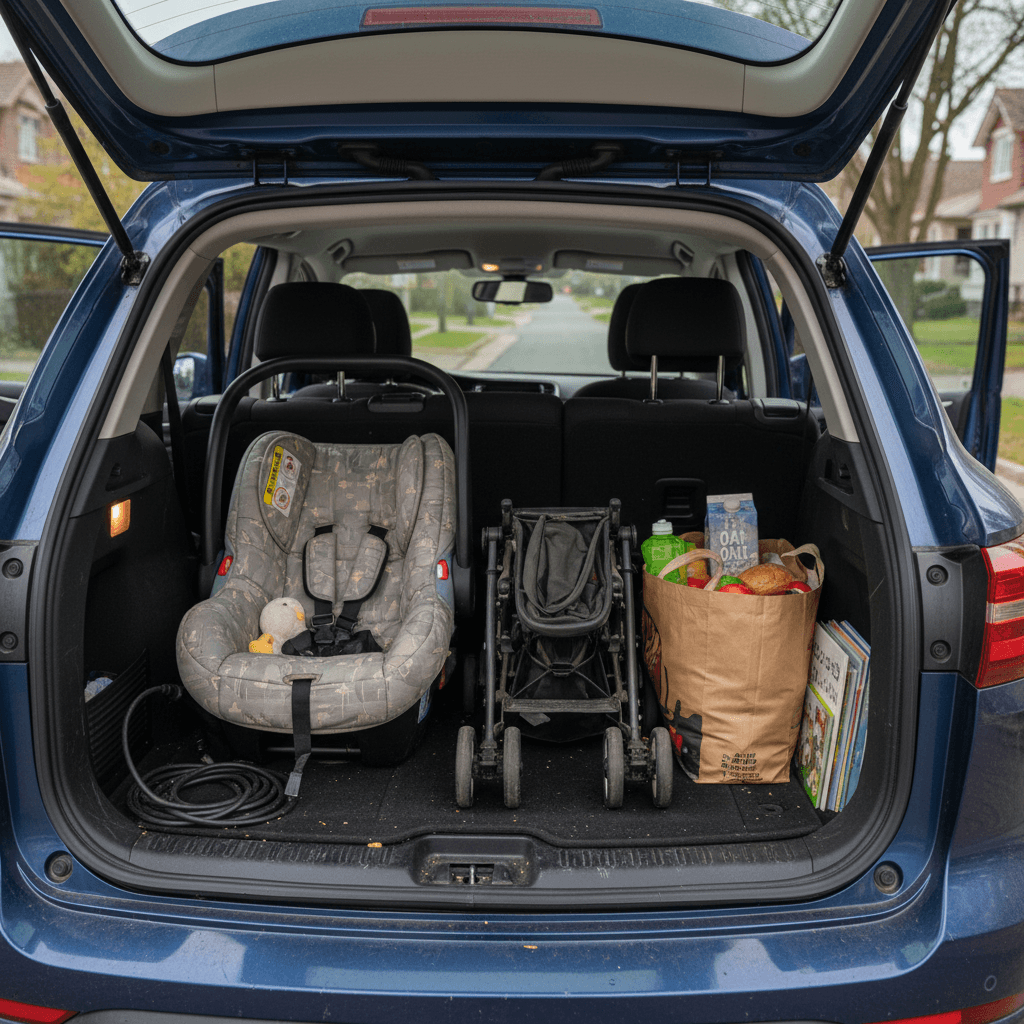
- Cargo that works in real life: A stroller plus groceries is the true test. Crossover-style EVs (Niro EV, ID.4) are easier than low-slung hatchbacks if you’re constantly lifting heavy seats and backpacks.
- Safety ratings: Look for good crash scores from the IIHS or NHTSA, plus active safety tech like automatic emergency braking and blind-spot monitoring.
- Battery health and realistic range: Especially if you share custody and drive longer stretches on weekends, you want a pack that still holds most of its original capacity.
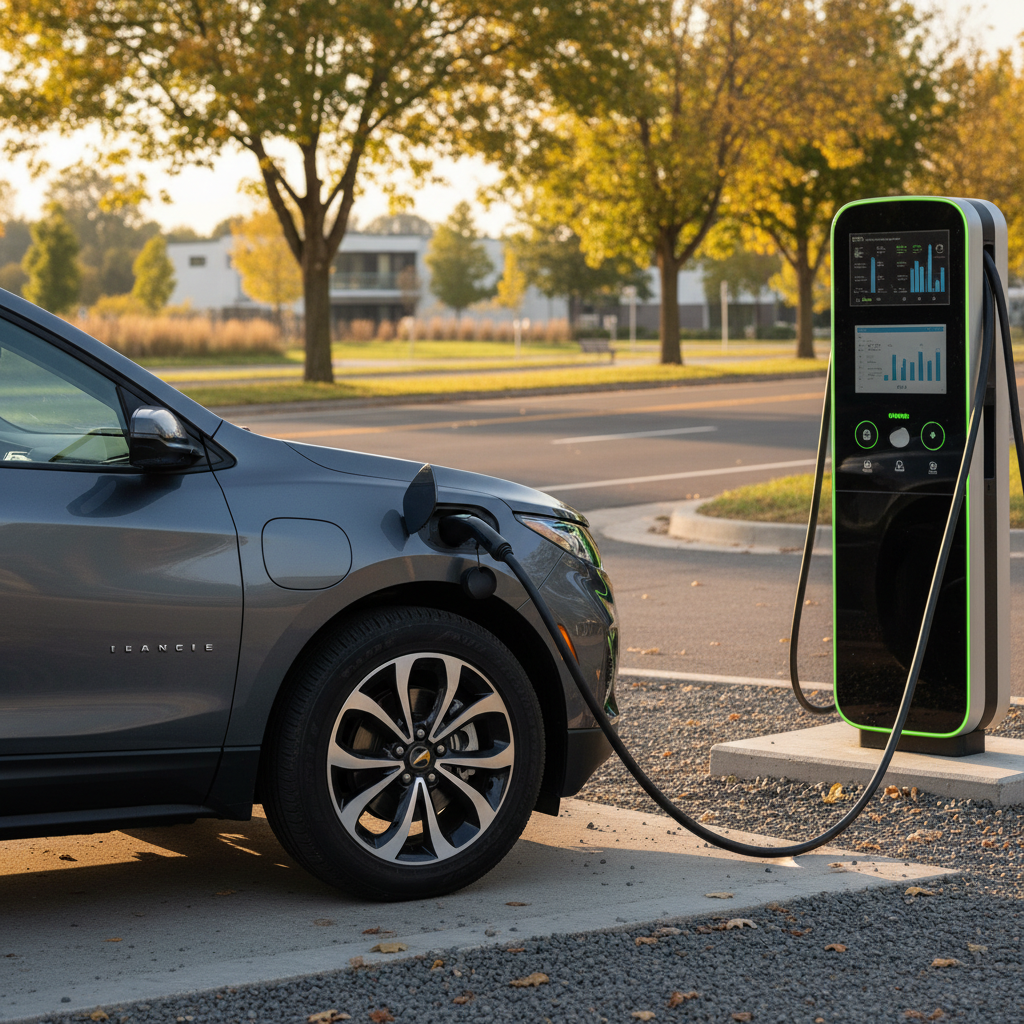
- Charging access: Home Level 2 charging is ideal, but if you rent, you may depend on workplace or public chargers. Some models are much better at DC fast charging than others.
Best used electric cars for single parents under $20,000
If your budget is tight, the good news is that used EV prices have fallen fast. In many regions, you can now find capable, safe electric hatchbacks and small crossovers under $20,000, especially 2017–2021 models coming off lease.
Top sub-$20k used EVs for single parents
Best for school runs, errands, and short commutes
Chevrolet Bolt EV (2017–2021)
Why it works
- Compact outside, surprisingly roomy inside for one or two kids.
- Early cars often list from the high teens; higher miles drop pricing further.
- Good range even when the battery has aged, so you’re not living at fast chargers.
Watch for
- Recall history, make sure battery recall work is complete.
- Rear seat is fine for one bulky car seat, tighter for two.
Nissan Leaf (2018–2022 “2nd gen”)
Why it works
- Gentle, easy-driving hatchback that’s great for new EV drivers.
- Back seat and cargo work well for smaller kids and urban life.
- Often one of the most affordable EVs on any lot.
Watch for
- Older Leafs use air-cooled batteries that can lose range in hot climates, battery health is critical.
- Limited DC fast-charging speed makes it less ideal for frequent long trips.
Be cautious with very early EVs
Best used electric cars for single parents: $20,000–$30,000
In the $20,000–$30,000 range, the used EV market opens up. You start seeing newer crossovers with serious cargo space, stronger safety tech, and enough range for weekend trips with the kids.
Family-friendly used EVs around $20k–$30k
Models commonly found in this price band as of 2025–2026, depending on mileage and trim.
| Model | Best for | Why parents like it | Potential downsides |
|---|---|---|---|
| Kia Niro EV (2019–2022) | One or two kids, city + highway mix | Crossover shape, good cargo, solid range, strong safety reputation | Not as quick to DC fast charge as newer models |
| Volkswagen ID.4 (2021–2023) | Growing kids, carpool duty | Excellent rear space and cargo volume, relaxed ride | Infotainment can be clunky; check software updates |
| Tesla Model 3 (2018–2021) | Older kids, long commutes | Great efficiency, strong charging network, fun to drive | Trunk opening smaller than a hatchback; check ride comfort on rough roads |
| Hyundai Kona Electric (2019–2022) | One child, tight parking | Small footprint, strong range for size, lots of safety tech for the money | Rear seat and cargo are tight if you have tall teens or bulky strollers |
Always verify pricing in your zip code, EV prices vary widely by region.
A sweet spot for many single parents
Roomier budgets: family-friendly used EVs worth stretching for
If you have a bit more to spend, or you’re replacing the minivan and this will be the only car, bigger used EV crossovers can make single-parent life much easier. You’ll load kids and gear at hip height instead of bending, and you’ll have enough room for friends, sports equipment, and the dog.
Larger used EVs with serious family space
Great if this is your do‑everything family vehicle
Volkswagen ID.4 (again)
The ID.4 really belongs in both sections. For many single parents, it’s the most affordable way into a truly roomy electric crossover.
- Flat floor and airy cabin.
- Rear-facing seats fit without front passengers suffering.
- Good cargo opening for strollers and sports gear.
Hyundai Ioniq 5
Prices are typically higher, but used Ioniq 5s bring fast DC charging, a lounge-like back seat, and a long wheelbase that makes road trips with kids more comfortable.
Check that the specific trim you’re eyeing has the features you care about, some safety and convenience items are package-dependent.
Kia EV6
A bit sportier than Ioniq 5, with good range and fast-charging hardware. Works well if your kids are out of bulky seats and you want something that’s still fun to drive when you’re alone.
Rear headroom can feel tighter for tall teens because of the swoopy roofline.
SUV or hatchback?
Battery health, range, and real-world family life
On paper, a car that started life with 250 miles of EPA range sounds perfect. Ten winters and 80,000 miles later, the story can be very different. As a single parent, you want fewer surprises, not more.
How to sanity‑check range on a used EV
1. Look beyond the original EPA number
Find out the <strong>current usable range</strong>, not just the when-new rating. A good inspection or battery health report will estimate how much capacity the pack has lost.
2. Think in worst‑case miles
Plan for winter, highway driving, and a full load of kids and gear. If you need 80 miles a day, aim for a car that can realistically do 140–160 miles now, not just on a perfect summer day.
3. Study the previous owner’s use
High‑mileage highway use isn’t automatically bad, especially for liquid‑cooled packs. Lots of DC fast charging, or sitting at 100% in heat, can be tougher on batteries.
4. Use tools, not guesses
At Recharged, the <strong>Recharged Score</strong> includes a battery health diagnostic, so you’re not negotiating in the dark. If you’re shopping elsewhere, ask for scan reports or third‑party inspections.
Don’t buy range you don’t need
Practical ownership tips for single parents
Charge like you pack school lunches
Do the prep when the kids are asleep. If you can install a 240V Level 2 charger where you live, your EV can quietly refill overnight. No waiting in line, no dragging kids to a sketchy charger at 9 p.m.
If you can’t install home charging, look for a used EV with strong DC fast‑charging and plan around reliable stations near daycare, school, or your workplace.
Use tech to reduce stress
Most modern EVs let you preheat or precool the cabin from your phone. On a January morning, that’s not a luxury, it’s the difference between a miserable daycare drop‑off and a calm one.
Driver-assist features like adaptive cruise and lane centering can also reduce fatigue on late‑night drives home after kids’ activities.
Think about custody schedules
Used EV checklist for single parents
Your single‑parent used EV buying checklist
Bring the kids’ gear to the test drive
Install your actual car seats, try buckling in a squirmy child, load the stroller and sports bag. If it’s a circus while you’re fresh at the dealership, it’ll be worse in the rain at 7 a.m.
Check safety and recall history
Look up crash ratings, then run the VIN for open recalls. Confirm major recall work (like Bolt batteries) is already done and documented.
Demand a battery health snapshot
Ask for a recent battery diagnostic or a vehicle health report. At Recharged, this is baked into the Recharged Score, so you know what you’re getting.
Drive your real route
If possible, test the car on your actual commute, highway stretch, rough local roads, that weird left turn by school. Pay attention to ride comfort and visibility with car seats in place.
Run the payment backward
Add financing, insurance, registration, and estimated charging. If the total leaves you anxious before you even buy, look for a slightly cheaper model or trim.
Plan your charging life
Before you sign, know exactly where and how you’ll charge most days. If you rent, talk with your landlord or property manager; if that’s a dead end, map nearby public or workplace options.
FAQ: best used electric car for single parents
Frequently asked questions
Bottom line: choosing the best used EV as a single parent
There isn’t a single “perfect” best used electric car for single parents. There’s the one that fits your kids, your streets, your custody schedule, and your nerves. For many single parents on a budget, that looks like a Chevy Bolt EV or second‑gen Nissan Leaf. If you can stretch a bit, crossovers like the Kia Niro EV and Volkswagen ID.4 deliver the space and comfort that busy family life demands.
Whatever you choose, don’t shop spec sheets alone. Buckle your kids in, fold up the stroller, and live with the car for a test drive that mirrors your real day. And if you’d rather not decode battery reports or haggle across multiple lots, Recharged can pair you with a used EV that’s already been through a battery health check, fairly priced, and delivered to your driveway, so you can get back to the job that matters most: raising your kids.