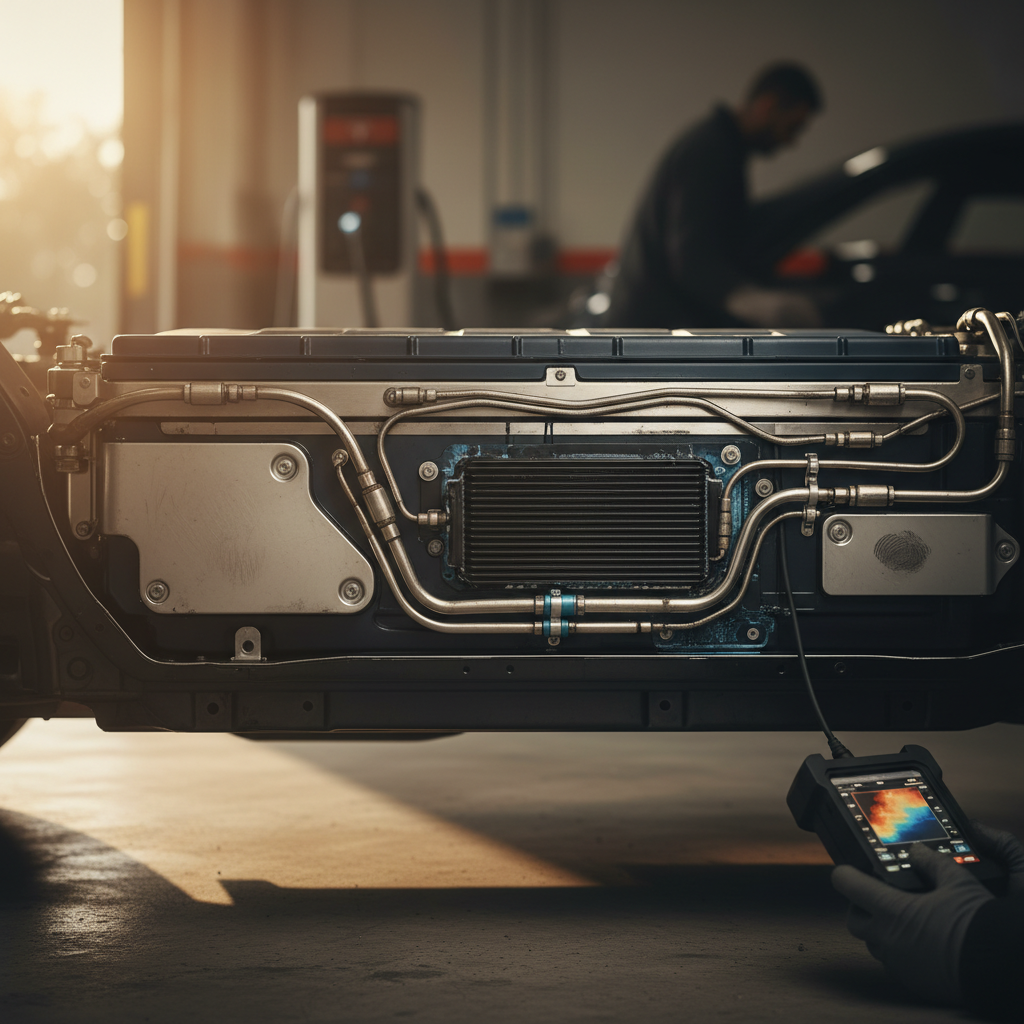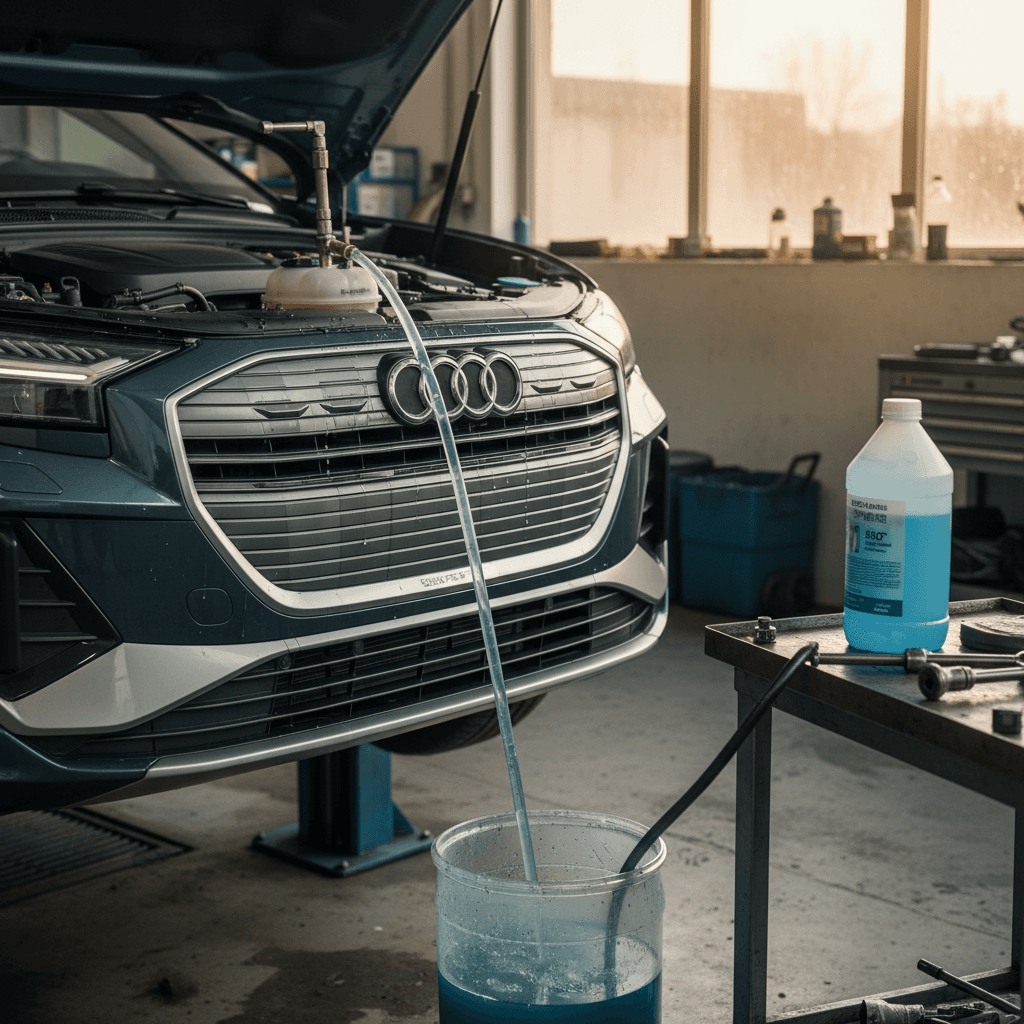
If you’ve ever seen “coolant service” or “coolant flush” on an Audi Q4 e-tron estimate, you’re not alone in wondering whether it’s necessary, or just dealer upsell dressed in EV clothing. The cooling system on an Audi Q4 e-tron is critical for battery health, but the coolant flush cost, timing, and even what the job includes look very different from a traditional gas car.
Quick takeaway
Why coolant matters on the Audi Q4 e-tron
Even though there’s no engine under the hood, the Audi Q4 e-tron still uses liquid coolant to keep several expensive components in their happy temperature window:
- High‑voltage battery pack (thermal management and longevity)
- Front and rear electric drive units (motors and inverters)
- On‑board charger and DC fast‑charge hardware
- Cabin heat pump / HVAC components on some trims
Audi’s official materials talk about “cooling system for electrical components” checks and high‑voltage coolant circuits, but they don’t list a short-interval coolant drain like you’d see on a combustion engine. Instead, coolant service shows up at longer intervals or when a component is replaced (for example, a rear coolant cartridge on some e‑tron models).
Don’t open that tank yourself
What a “coolant flush” actually means on an EV
When a service advisor says “coolant flush” on a gas Audi, you probably picture a machine pushing old coolant out of the radiator and engine and refilling it. On a Q4 e-tron, the language is often the same, but the work behind the line item can be very different:
Coolant service: EV vs. gas Audi
Same word, very different job under the skin
Traditional Audi (gas)
- Single main cooling circuit for the engine
- Flush machine hooks into radiator hoses
- Coolant spec is relatively generic across models
- DIY and quick‑lube shops are common options
Audi Q4 e-tron (EV)
- Multiple coolant loops for battery, motors, power electronics
- High‑voltage safety procedures and bleed routines
- Model‑specific coolant and strict fill procedures
- Requires EV‑trained techs and scan tools
Depending on the complaint or mileage, “coolant service” on a Q4 e-tron can mean anything from a simple level check during a Standard Service, to draining and refilling specific reservoirs, to replacing a coolant cartridge or pump. That’s why prices vary so widely, and why you want the estimate to spell out exactly what’s being done.
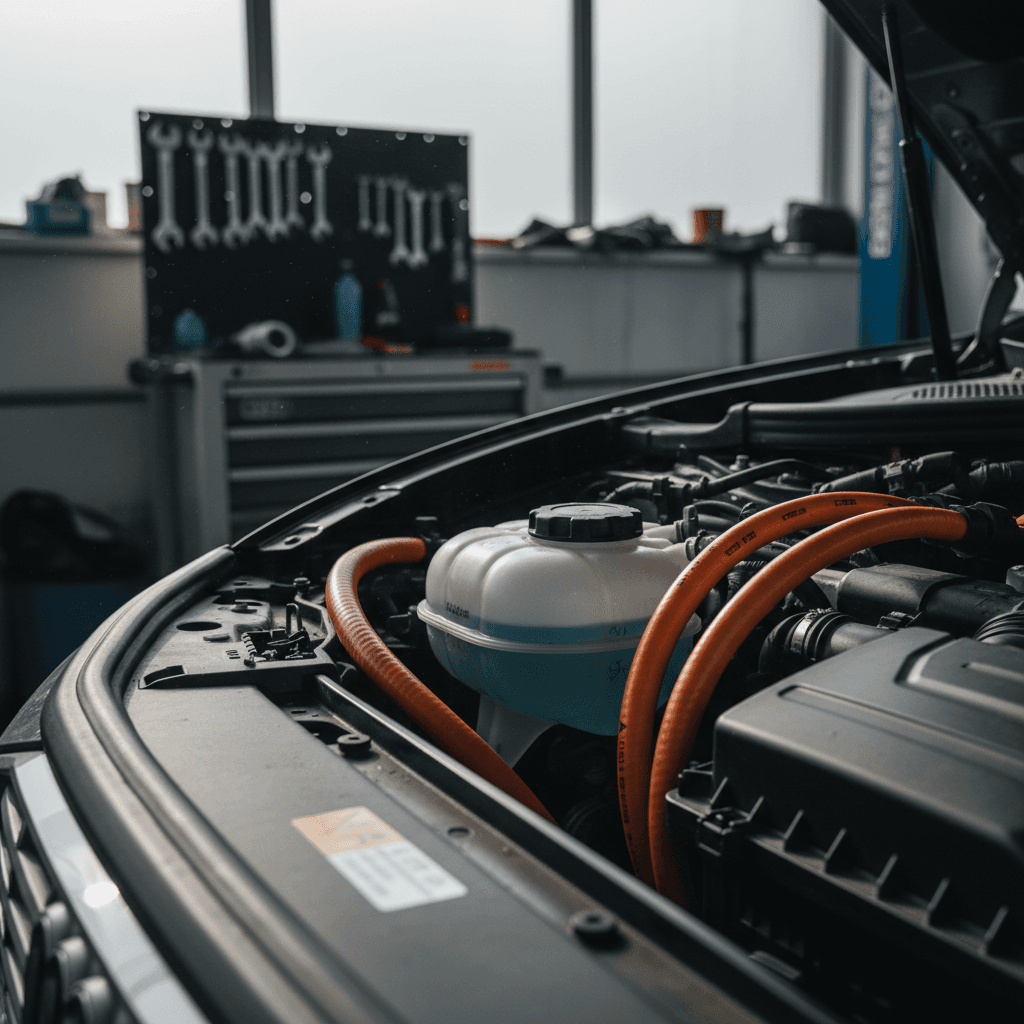
Audi Q4 e-tron coolant flush cost breakdown
Because there’s no single Audi line item called “Q4 e-tron coolant flush” in the U.S. maintenance schedule, real‑world pricing comes from dealer quotes, EV labor guides, and owner bills. For a U.S. owner in 2024–2026, here’s a realistic snapshot of what you’re likely to see.
Typical Audi Q4 e-tron coolant-related service pricing (U.S.)
Approximate out‑of‑pocket costs at retail rates. Actual numbers vary by dealer, region, and whether work is bundled with a larger service visit.
| Service scenario | What’s usually included | Typical dealer cost | Typical independent EV shop cost |
|---|---|---|---|
| Basic coolant inspection (part of 20k/40k service) | Visual check of coolant reservoirs and lines, top‑off only if allowed, leak check, scan for related faults | Bundled into $400–$800 service visit | Bundled into $250–$600 service visit |
| Targeted coolant drain/refill on one circuit | Drain and refill of a specific reservoir or loop (for example, after minor component replacement), bleeding system, scan tool checks | $250–$450 | $200–$350 |
| Coolant cartridge or component replacement plus refill | Replace a coolant cartridge or pump on an e-tron‑family vehicle, drain/refill several liters of coolant, high‑voltage checks | $500–$900+ depending on labor hours | $400–$750 |
| Major HV coolant service at high mileage or after repair | Multiple circuits drained and refilled, extensive bleeding, diagnostics, possible hose or valve replacement | $800–$1,500+ | $650–$1,200+ |
These are directional estimates, not official Audi pricing. Always request a written estimate that breaks out labor and parts.
Why the spread is so wide
Coolant & cooling-related costs in context
Dealer vs. independent EV shop pricing
What to expect at an Audi dealer
- Higher hourly rate (often $180–$250/hr in major U.S. metros).
- Techs have direct access to Audi’s service procedures, software, and TSBs.
- Coolant work is usually bundled into 20k/40k visits with brake fluid and inspections.
- Good option during warranty or if a high‑voltage leak or battery fault is present.
What to expect at a good independent EV shop
- Hourly rates often $30–$70/hr lower than dealers.
- Best if they’re already familiar with VW Group EVs (Q4 e‑tron, ID.4, etc.).
- More willing to quote the coolant work separately from inspections and software updates.
- Smart choice once you’re out of warranty and comfortable shopping around.
Ask this before you book
When does the Q4 e-tron actually need coolant service?
Audi doesn’t currently list a simple “flush coolant every 2 years” rule for the Q4 e-tron in U.S. owner maintenance guides. Instead, coolant shows up in three buckets:
Common coolant touchpoints on a Q4 e-tron
1. Routine inspections at 10k/20k/30k/40k+ miles
Every Audi Q4 e-tron visit includes checks of the high‑voltage cooling system, fluid level, visible hoses, connectors, and leaks. This usually doesn’t involve draining coolant unless an issue is spotted.
2. Component replacement or TSBs
If Audi updates a coolant cartridge, pump, valve, or drive unit under warranty or service campaign, part of the job is draining and refilling the affected loop. That can look like a pricey “coolant service,” but the real driver is the hardware work.
3. High mileage or fault‑driven repairs
At higher mileage, or if you have a coolant leak, overheating warnings, or battery thermal fault codes, technicians may drain and refill more of the system while diagnosing and repairing the root issue.
4. Regional variations in guidance
Some markets and dealers are more aggressive and suggest HVAC refrigerant or coolant work every 2 years. In the U.S., the written schedule is more conservative, focused on inspection unless a problem is detected.
Good news for most owners
Signs your Q4 e-tron may have a coolant issue
Coolant in an EV is less visible than in a gas car, you don’t have steam out of the hood or a temp gauge pegging red in the same way. Instead, the Q4 e-tron relies heavily on sensors and software to protect the battery and power electronics.
- Coolant warning light or specific coolant-level message in the cluster or MMI
- HV battery or drive system overheating warnings, especially under DC fast charging or heavy loads
- Reduced DC fast‑charging speed that can’t be explained by cold weather or station limits
- Visible coolant under the car or around the rear axle area after parking
- HVAC cabin performance that suddenly changes, along with cooling system warnings
Don’t clear the warning and keep driving
How to avoid overpaying for coolant service
Smart ways to keep Q4 e-tron coolant costs in check
You can’t DIY the high‑voltage side, but you can control the bill.
1. Insist on a line‑item estimate
2. Get at least two quotes
3. Tie it to actual symptoms
Use maintenance plans strategically
Planning coolant costs when buying a used Q4 e-tron
Cooling‑system health is one of the quiet levers in the total cost of ownership for any EV. A Q4 e-tron that’s been overheating, fast‑charged hard on a damaged loop, or poorly repaired after a minor crash can quietly shift risk and cost onto the next owner.
Questions to ask the seller or dealer
- “Have you had any coolant or overheating warnings?”
- “Has the battery pack, drive units, or coolant system ever been repaired or replaced?”
- “Can I see invoices for high‑voltage or coolant work?”
- “Was Audi Care or Signature Care used, and are any prepaid services left?”
How Recharged approaches this
Every EV sold on Recharged includes a Recharged Score Report that evaluates battery health and surfaces service history when available. Our specialists know what to look for on Q4 e-trons, coolant‑related warnings, thermal throttling, or patterns in DC fast‑charge behavior, and we’re happy to walk you through how that impacts long‑term cost.
Buying with cooling in mind
FAQ: Audi Q4 e-tron coolant flush cost & service
Common questions about Q4 e-tron coolant service
The bottom line is that “Audi Q4 e-tron coolant flush cost” is less about a fixed menu price and more about what’s actually happening under the car. For many owners, coolant will show up only as a quiet line item inside larger 20k–40k services or during rare component repairs. When it does appear as a standalone charge, smart questions and a second quote can knock real money off the bill, without compromising the battery that makes your Q4 e-tron worth owning in the first place. If you’re evaluating a used Q4 e-tron or any other EV, working with a platform like Recharged that surfaces battery and cooling‑system health up front is one of the easiest ways to keep those cooling‑related surprises from landing in your lap.