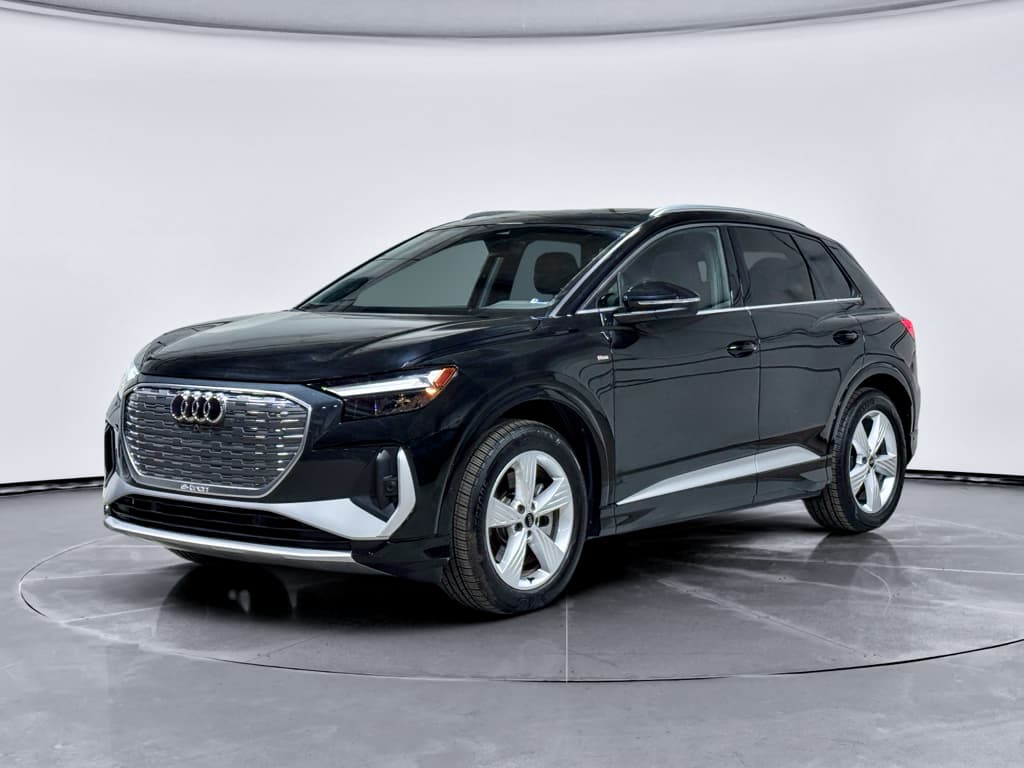
If you’re eyeing an Audi e-tron GT, you’ve probably already done the emotional math: it’s gorgeous, it’s *fast*, and it’s electric. But the financial math matters just as much, and that starts with understanding the Audi e-tron GT value after 5 years, whether you’re buying new, leasing, or hunting a bargain on the used market.
One sentence takeaway
Why Audi e-tron GT value after 5 years matters
Depreciation is not just an abstract percentage, over five years, it can be the difference between a car that quietly costs you the price of a nice kitchen remodel, and one that lets you roll into your next EV without a financial hangover. The e-tron GT launches with six‑figure MSRPs in many trims, so even a “normal” 60% five‑year drop means tens of thousands of dollars vaporized. On the flip side, that same math is exactly why a carefully chosen, five‑year‑old e-tron GT can be one of the best performance EV deals in the country.
Current or future owners
If you’re buying or leasing new, 5‑year value tells you:
- How much equity you’re likely to have at the end of a loan or lease.
- Whether a shorter lease makes more sense than owning long‑term.
- How aggressively you should negotiate price or incentives up front.
Used buyers
If you’re shopping used, that same curve tells you:
- Where the real sweet spot of value is (often years 4–7).
- Why some six‑figure builds now live in the $50k–$60k range.
- Which examples (mileage, battery health, options) are actually worth a premium.
Quick answer: What is an e-tron GT worth after 5 years?
Audi e-tron GT 5‑year value snapshot (typical U.S. market)
Different valuation tools disagree on exact dollar amounts, one forecast pegs a 5‑year resale value for the e-tron GT at roughly 40% of original MSRP, while others land a bit higher or lower. But they all paint the same picture: this is a fast‑depreciating luxury EV, not a blue‑chip 911. That’s painful if you’re the first owner, and wonderful if you’re in the used market.
Don’t over-read 2‑year data
How the Audi e-tron GT typically depreciates
To understand the Audi e-tron GT value after 5 years, it helps to look at the whole curve, not just a single snapshot. Here’s a simplified, ballpark view for a well‑equipped Premium Plus that originally stickered around $115,000, assuming typical mileage and solid condition.
Illustrative 5‑year depreciation curve for Audi e-tron GT
Approximate U.S. retail values based on current market tools and luxury EV trends. These are estimates, not quotes for any specific VIN.
| Age | Typical Value | % of Original MSRP | What’s Happening |
|---|---|---|---|
| Brand new | $115,000 | 100% | MSRP or slightly discounted; factory fresh and fully warranted. |
| Year 1 | $80,000–$90,000 | 70–78% | Demo discounts, early incentive stacking, and first‑year depreciation bite hard. |
| Year 3 | $60,000–$70,000 | 52–61% | Used prices reset as more off‑lease cars hit the market; tech moves fast. |
| Year 5 | $40,000–$55,000 | 35–48% | Depreciation slows; values stabilize around performance, battery health, and desirability rather than hype. |
| Year 7 | $30,000–$40,000 | 26–35% | Past the warranty cliff for many items, but still compelling if the battery checks out. |
Depreciation is steepest in the first 3 years, then flattens as the car finds its true market value.
How this compares to other EVs
What really drives Audi e-tron GT resale value
Four levers that move e-tron GT value up or down
Depreciation isn’t random; it’s a reaction to very specific realities about the car and the market.
1. Performance & positioning
The e-tron GT shares much of its architecture with the Porsche Taycan and still feels properly exotic after five years. That halo effect helps it hold a bit more value than anonymous luxury EV crossovers, especially in RS e-tron GT guise.
2. Charging and tech relevance
Fast DC charging, OTA updates, and competitive driver‑assist systems keep an older e-tron GT from feeling obsolete. Shoppers are looking for cars that still slot cleanly into today’s charging landscape, not yesterday’s science project.
3. Battery health & range
A car that still delivers strong real‑world range, and has documentation to prove it, will sit at the top of the price band. Visible degradation or inconsistent charging behavior can knock thousands off the value of an otherwise identical car.
4. Demand for used luxury EVs
The used EV audience is growing, but still smaller and more price‑sensitive than the new‑car luxury crowd. That imbalance between high original MSRP and limited used demand is a big reason why five‑year‑old e-tron GTs feel like bargains.
Spec tip: avoid orphan builds
Battery health, warranty, and long-term confidence
Battery anxiety is the quiet variable behind every EV depreciation chart. For the Audi e-tron GT, the story is fairly reassuring: like most modern EVs, it carries a high‑voltage battery warranty of 8 years or roughly 100,000–160,000 km/100,000 miles equivalent (exact terms vary by region and model year). In the U.S., that means a five‑year‑old car is still squarely inside its battery warranty window.
- Anecdotal owner reports suggest 5–10% capacity loss in the first few years is common, not catastrophic, and tends to slow over time.
- Audi and independent shops can run diagnostic reports that show usable capacity, charge cycles, and fault codes.
- Dealers increasingly advertise battery test results when selling late‑model used e-tron GTs, because buyers demand it.
How Recharged handles battery risk
Ready to find your next EV?
Browse VehiclesHealthy battery, clean history
This is the car that lives at the top of the price range for its age:
- Consistent charging behavior on DC fast chargers.
- Documented service and software updates.
- No significant accident history or flood exposure.
On a 5‑year horizon, that car can easily be worth 20–30% more than a similar‑mileage car with a sketchy past.
Questionable pack, missing records
This is where “cheap” can be too cheap:
- Noticeable range loss vs. original EPA figures.
- Frequent rapid‑charging from 0–100% with no pre‑conditioning.
- No paperwork to back up claimed mileage or service.
On something as complex and expensive as an e-tron GT, buying the wrong example can erase all the value you thought you captured.
Beyond depreciation: True 5‑year cost of ownership
Depreciation is the single biggest cost over five years, but not the only one. For a performance EV like the e-tron GT, you should also budget for insurance, tires, maintenance, and charging. The good news: there’s no oil to change. The bad news: 21‑inch performance tires are not cheap, and neither are collision‑repair parts on a low‑volume German EV.
Where the money goes in 5 years
High-level view for a typical U.S. driver at 12,000–15,000 miles per year.
Depreciation
On a new car, expect depreciation to swallow $60,000–$80,000 over five years, depending on how hard the market corrects and how you bought it.
Energy & maintenance
Electricity is usually cheaper than gas per mile, and routine maintenance stays modest. The big swings come from tires and brakes if you drive it like the Audi marketing videos.
Insurance & repairs
Insurance on a six‑figure EV coupe is rarely cheap. Factor in higher comprehensive premiums and be honest with yourself about parking, weather, and where you live.
The real trap: overpaying up front
Is a 5‑year-old Audi e-tron GT a smart buy?
For the right buyer, a five‑year‑old e-tron GT is a kind of cheat code: Taycan‑level theater at well‑equipped‑Tesla‑Model‑Y money. But it’s not automatically a great idea for everyone.
When it makes a lot of sense
- You want a special‑feeling, long‑distance EV more than you want the newest tech toy.
- You have a predictable commute and access to home or workplace charging.
- You’re buying from a source that can show you real battery health data and accident history.
- You’re comfortable with premium‑car running costs (tires, insurance, etc.).
When you should think twice
- You’re stretching your budget to reach the car and counting on strong resale to bail you out later.
- You live in an area with weak charging infrastructure and no home charging.
- You’re risk‑averse about out‑of‑warranty repairs once the car is 7–10 years old.
- You actually care more about low running costs than about design and performance.
Where Recharged fits in

How to shop a used Audi e-tron GT like a pro
Seven steps to a smarter e-tron GT purchase
1. Start with the depreciation sweet spot
Target cars in the <strong>4–7 year</strong> window. By then, the brutal early‑years drop has already happened, but the car is still inside its battery warranty and feels modern.
2. Verify battery health with real data
Ask for a recent battery diagnostic, not just a photo of the range display. At Recharged, this comes built into the Recharged Score, but wherever you shop, insist on documentation.
3. Check DC fast‑charging behavior
On a test drive, stop at a DC fast charger if possible. Watch how quickly the car ramps up and whether it sustains a healthy charging curve. A pack that refuses to fast‑charge properly can be a red flag.
4. Look underneath the glam
Inspect tires, brakes, and underbody panels. A car driven hard or poorly repaired after an accident can saddle you with hidden costs that dwarf small differences in asking price.
5. Prioritize the right options
On the used market, <strong>driver‑assist features, adaptive dampers, and sensible wheels</strong> matter more than every last carbon trim piece. Don’t overpay for cosmetic bundles you don’t care about.
6. Compare to non‑EV alternatives
Before you commit, compare total 5‑year cost vs. an S7, RS5 Sportback, or similar ICE car: fuel, maintenance, insurance, and depreciation. Sometimes the numbers push you clearly toward one or the other.
7. Run the value forward
Ask what the car might be worth in another five years given typical mileage. A realistic exit number helps you decide if the monthly cost of ownership fits your life, not just your dreams.
Use market data, not vibes
Common mistakes that can destroy e-tron GT value
- Ignoring mileage inflation. A five‑year‑old car with 75,000+ miles will sit at the bottom of the value band, no matter how pretty the photos are.
- Skipping pre‑purchase inspections. On a six‑figure EV, a professional inspection and battery check are not optional; they’re cheap insurance.
- Assuming EVs are maintenance‑free. Suspension, brakes, and tires still wear, and performance EVs chew through rubber quickly.
- Overlooking charging realities. Buying a fast EV in a slow‑charging region can crush resale later when the second buyer faces the same headache.
- Financing too long. A 7‑ or 8‑year loan on a rapidly depreciating EV is a recipe for negative equity if you need to sell early.
FAQ: Audi e-tron GT value after 5 years
Frequently asked questions
Bottom line: Who should buy, who should lease, who should wait
Five years in, the Audi e-tron GT is still a rolling concept car, low, wide, and devastatingly quick, but its value has fallen back to Earth. If you buy new, you’re signing up for one of the most dramatic five‑year depreciation arcs in the luxury market. If you buy used, you’re harvesting that same arc for your benefit, getting six‑figure theater for middle‑manager money.
If you love the idea of the e-tron GT but hate the idea of owning bleeding‑edge tech during its most volatile years, consider leasing new or buying a 4–7‑year‑old example with a documented battery and clean history. And if you want someone in your corner while you navigate that used‑EV jungle, Recharged can help you find an e-tron GT with verified battery health, fair‑market pricing, and support long after the photos fade.