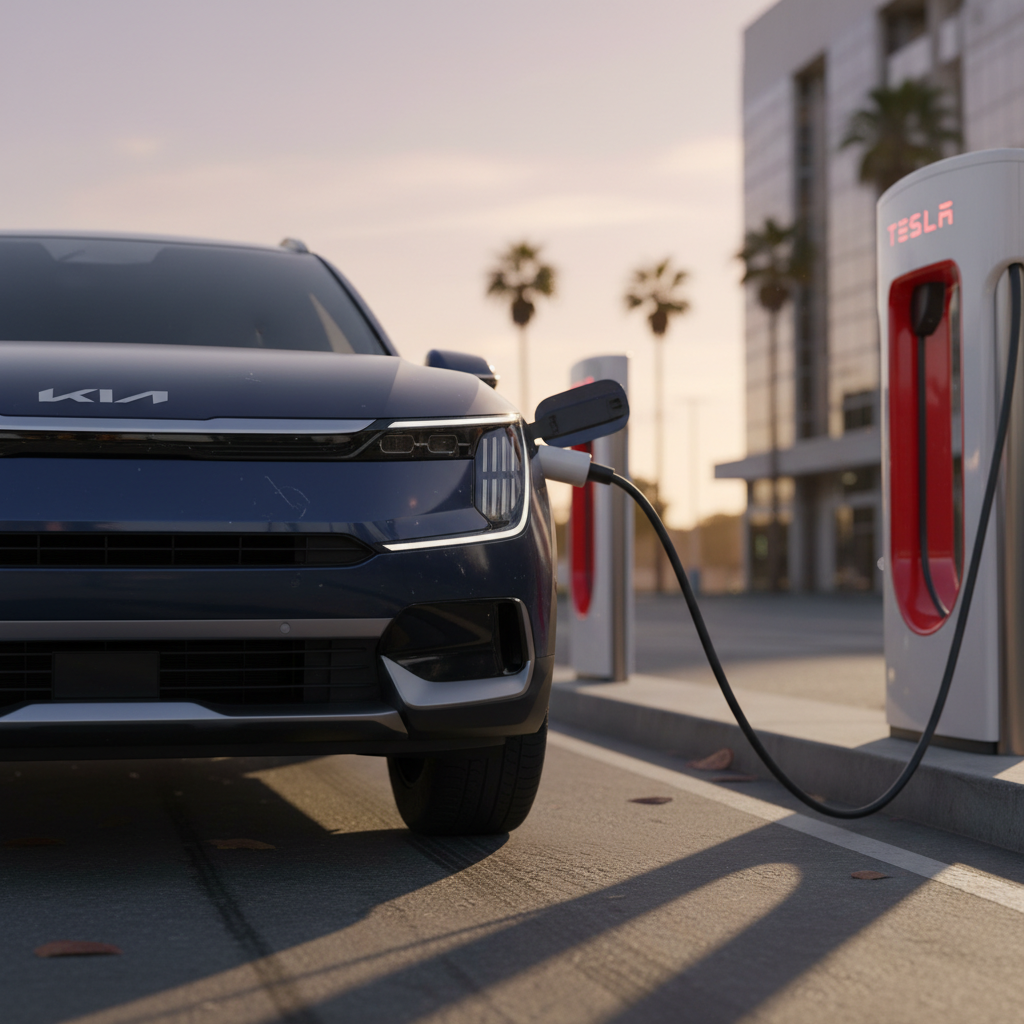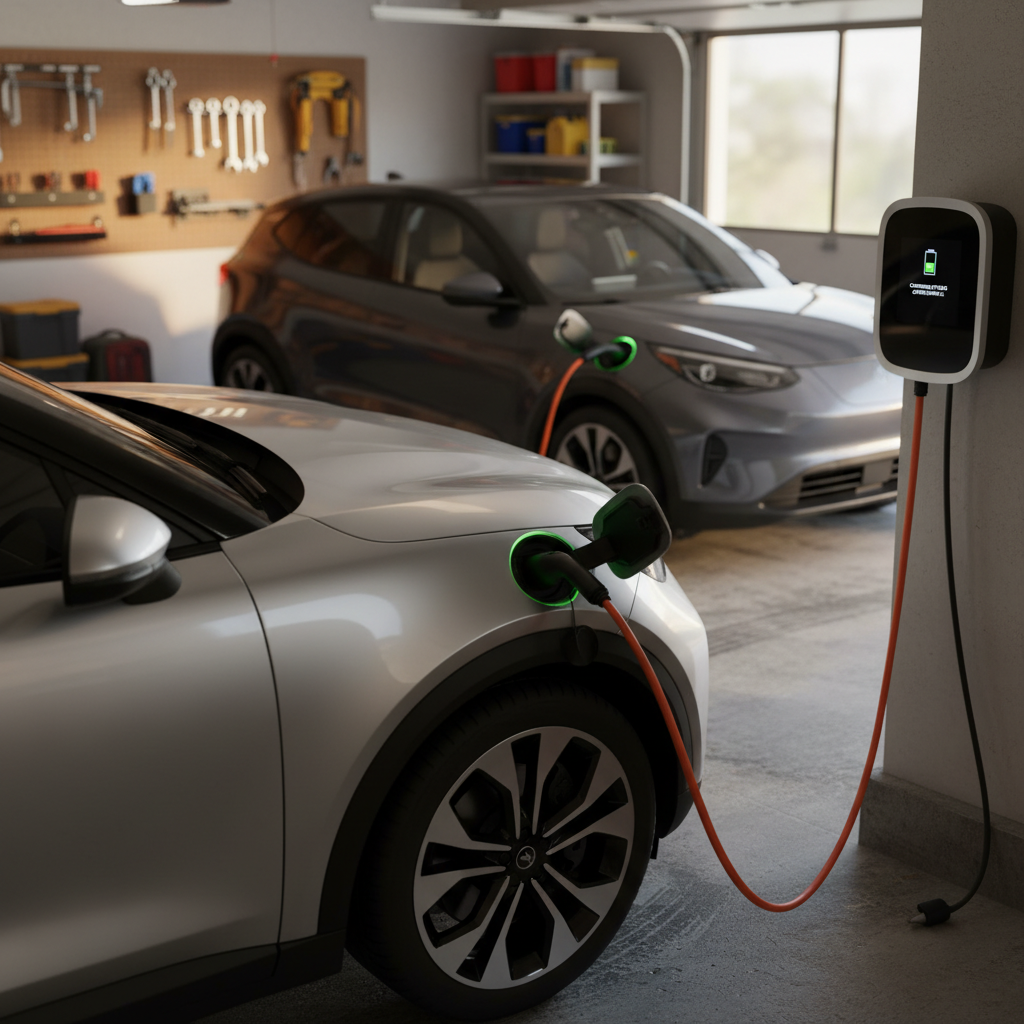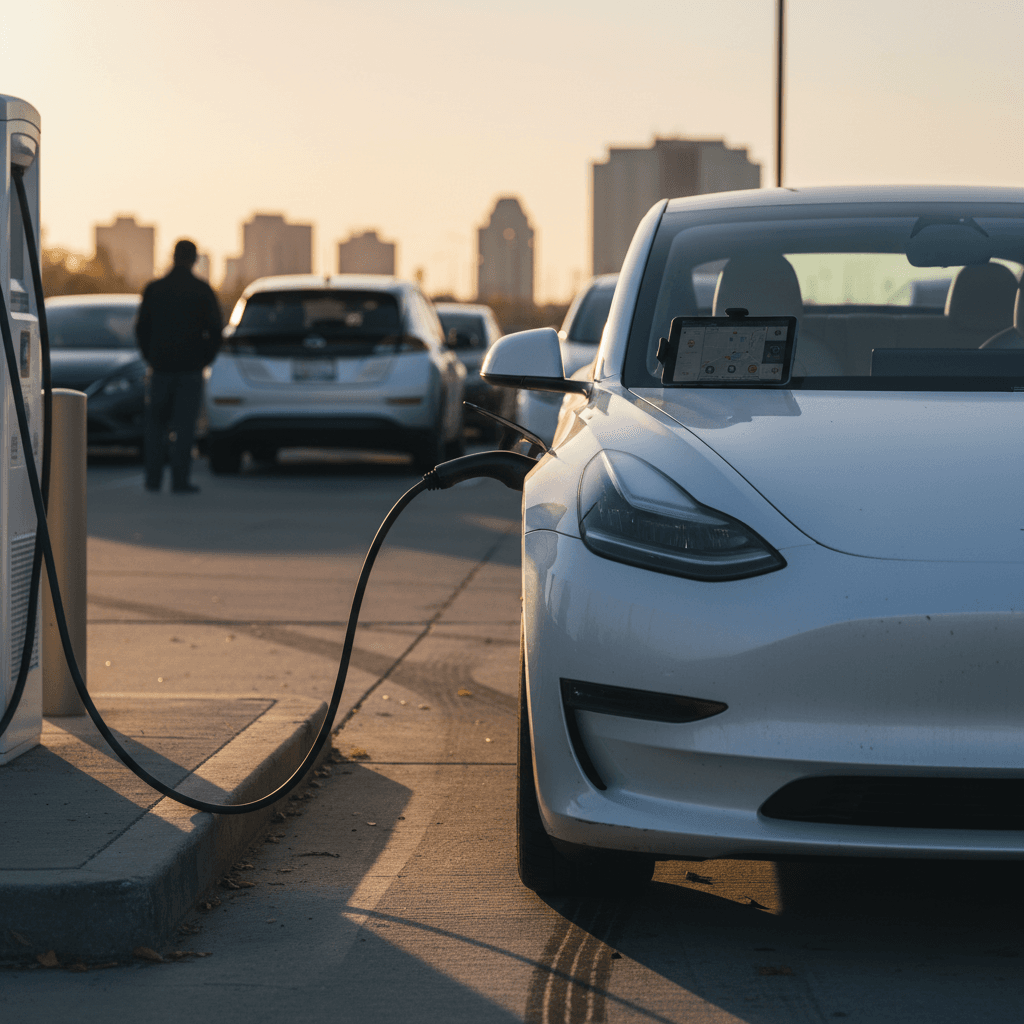
If you’re driving for Uber or Lyft in 2026, a used EV can turn stop‑and‑go traffic into money saved instead of fuel burned. The trick is picking the best used EV for Uber and Lyft, one that meets platform rules, keeps passengers comfortable, and won’t surprise you with a tired battery after a year of high‑mileage work.
Quick takeaway
Why used EVs make sense for Uber & Lyft
Rideshare driving is exactly the kind of work EVs were built for: lots of city miles, endless stop‑and‑go, and predictable daily routes. Electric motors are most efficient at low speeds, and regenerative braking turns every red light into free energy instead of wasted heat. That means far lower fuel costs per mile than a gas sedan, especially if you can charge at home or on cheaper off‑peak electricity.
Why more rideshare drivers are going electric
On top of fuel savings, EVs cut your maintenance bill. There’s no oil to change, no exhaust system, and far fewer moving parts. Brakes last longer because of regen. For full‑time drivers racking up 25,000–40,000 miles a year, those savings start to look like an extra week or two of pay.
Think like a fleet manager
Key Uber & Lyft requirements for EV drivers
Before you fall in love with any used EV, make sure it can actually go online. Uber and Lyft adjust rules by city, but a few themes are consistent in 2026.
- Most U.S. markets require cars to be no more than 8–10 model years old for basic UberX/Lyft rides; some big cities are stricter.
- Your car must have 4 doors and 5 seatbelts for standard UberX/Lyft, and 7+ seats for XL tiers.
- To qualify for Uber Electric / Uber Green and similar EV‑only categories, the car must be fully electric (not a hybrid), and usually just a few model years old.
- Premium tiers like Uber Comfort Electric and Lyft Lux Black require newer, higher‑end EVs such as Tesla Model 3/Y, Polestar, or Mustang Mach‑E, plus high driver ratings.
Always verify locally
How many miles you really drive, and why it matters
The right EV for a casual weekend driver is different from the right EV for a full‑time, 60‑hour‑a‑week pro. Your weekly mileage is one of the biggest levers in your decision.
Part‑time drivers
If you’re driving 10–20 hours a week, maybe 200–400 miles, almost any modern EV with 200 miles of original EPA range and access to home or workplace charging can work. You’ll likely charge overnight a few times a week and rarely need DC fast charging.
Here, comfort, purchase price, and reliability matter more than having the biggest battery on the block.
Full‑time drivers
If you’re running 30–60 hours a week, it’s easy to rack up 1,500–3,000 miles a month. That kind of duty cycle demands an EV with strong real‑world range, quick DC fast charging, and a proven battery chemistry.
You’ll want at least 230–250 miles of EPA range when new and a pack that hasn’t lost much capacity, otherwise you’ll spend too much time (and money) plugged in instead of earning.
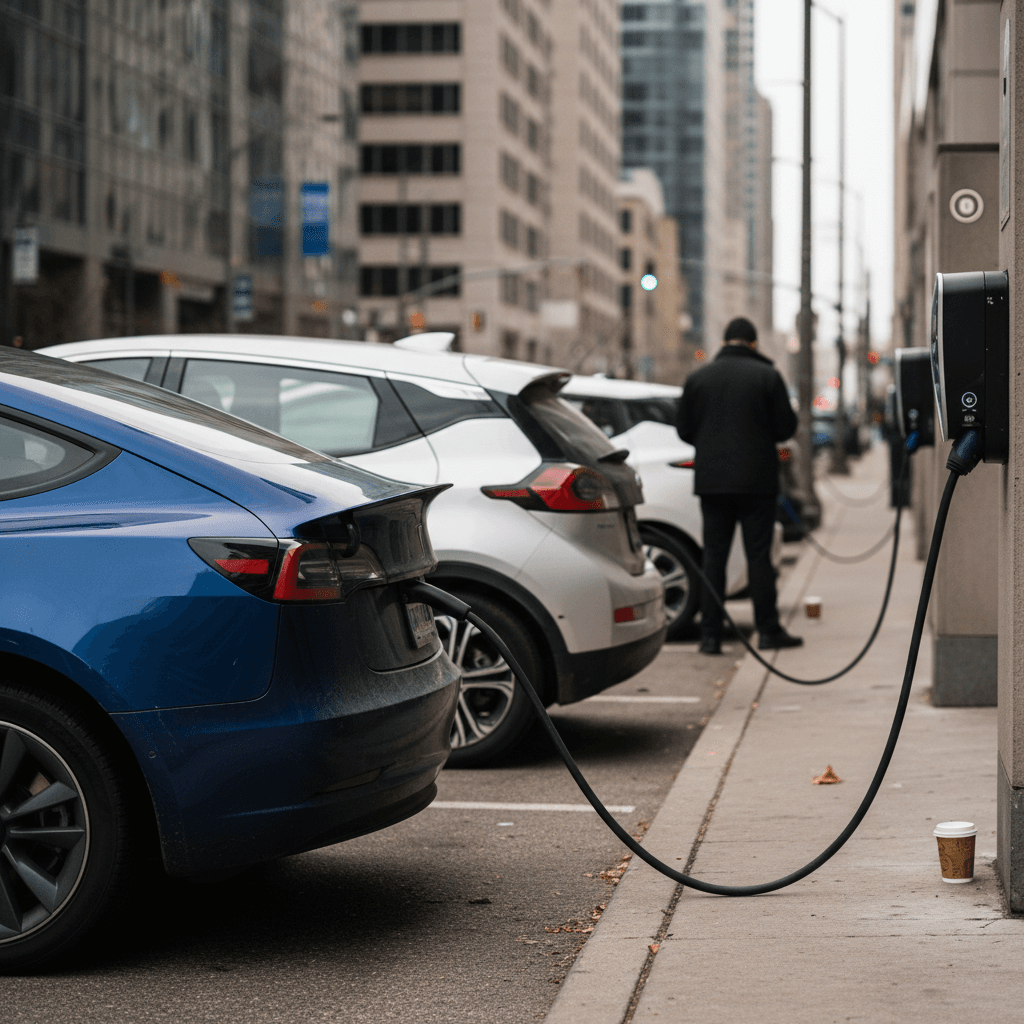
Best used EVs for Uber & Lyft: overall picks
There’s no single “best” EV for every driver, but a handful of models keep bubbling up in rideshare fleets because they blend range, comfort, and value. Below are strong used choices that meet most Uber/Lyft requirements in many U.S. markets, always double‑check for your city and model year.
Top used EVs for Uber & Lyft in 2026
Approximate specs for popular used EVs that work well for rideshare. Ranges are EPA ratings when new.
| Model | Strong for | EPA range (mi) | DC fast charge | Rear seat comfort | Typical used sweet spot* |
|---|---|---|---|---|---|
| Tesla Model 3 RWD/Long Range | All‑around, Uber Electric, Comfort Electric (select trims) | 260–358 | Yes (Supercharger + CCS/NACS public) | Good for 4 adults | 2018–2022, moderate mileage |
| Chevrolet Bolt EV / EUV | Low cost, city routes | 238–259 | Yes (up to ~55 kW) | Decent, EUV roomier | 2019–2023 post‑battery recall |
| Hyundai Kona Electric | Efficiency, range on a budget | 258 | Yes (up to ~75 kW) | Tight for tall riders | 2019–2022 |
| Hyundai Ioniq 5 / Kia EV6 | Long days, fast charging | 240–320+ | Ultra‑fast (800V, up to 230+ kW) | Very good | 2022–2024, lower mileage |
| Nissan LEAF 40/62 kWh | Short‑hop city driving | 149–226 | Limited (CHAdeMO, slower) | Comfortable but older tech | 2018–2022, low mileage |
| Tesla Model Y | UberX/XL in some markets, family trips | 279–330 | Yes (Supercharger + CCS/NACS public) | Spacious, high seating | 2020–2023, lower mileage |
Use this as a short list, then drill into battery health, price, and local charging before you buy.
About that asterisk
Best used EVs by rideshare use case
Match the EV to how, and where, you drive
Different rideshare patterns call for different strengths.
Urban, short‑trip specialist
Best fits: Chevy Bolt EV/EUV, Nissan LEAF 40 kWh, Hyundai Kona Electric.
Most rides are under 8 miles with plenty of downtime between trips. You can get away with a smaller pack if you can top up regularly. Focus on:
- Low purchase price
- Compact size for tight streets
- Easy in‑and‑out rear seats
Suburban & airport warrior
Best fits: Tesla Model 3 Long Range, Hyundai Ioniq 5, Kia EV6, Chevy Bolt EUV.
You’re chasing airport runs, long suburban legs, and highway work. You need:
- 250+ miles original EPA range
- Comfortable high‑speed manners
- Reliable DC fast charging near the airport
XL & family‑friendly trips
Best fits: Tesla Model Y, Kia EV9, 3‑row EVs (where eligible).
If your market pays well for XL, a roomy crossover can earn more per trip. Watch for:
- Higher purchase price and insurance
- Enough range even when fully loaded
- Third‑row comfort if you get it
Most flexible choice
Battery health on high‑mileage rideshare EVs
Rideshare is tough duty for any car. The big difference with EVs is that your “engine wear” shows up as lost range. A battery that’s down 20% from new EPA range might be fine for a short‑trip city driver but a deal‑breaker for airport work.
Battery questions to answer before you buy
1. How much range is left vs. original?
Look up the car’s original EPA range, then compare it to real‑world range today. A high‑quality battery health test, like the diagnostic used for the Recharged Score, estimates remaining capacity so you’re not guessing based on the dash display alone.
2. How was the car used?
A former commuting car that fast‑charged a few times a month is a safer bet than a previous rideshare or delivery car that supercharged three times a day. Ask for service records and, if possible, prior usage history.
3. How often was it fast‑charged?
DC fast charging is a lifesaver on long days, but years of heavy fast‑charging can speed up degradation on some packs. You don’t need to avoid it, just avoid cars that lived on it.
4. Has the pack been replaced or recalled?
Models like the Chevrolet Bolt had factory battery recalls and replacements that can actually make a used example <em>better</em> (newer pack) than a non‑recalled peer. Verify recall status by VIN and ask for proof of any pack replacement.
5. What’s the warranty situation?
Most EVs carried <strong>8‑year/100k‑mile or longer battery warranties</strong> when new. A 3–5‑year‑old EV may still have years of coverage left, which can be a safety net for a rideshare driver piling on miles.
Don’t buy blind
Running costs: what you’ll really spend vs. gas
Your bottom line isn’t just about what you pay for the car. It’s energy, maintenance, financing, and downtime. For a rideshare driver, the comparison that matters is cost per mile over the time you plan to keep the car.
Electric sedan example
Take a used Chevy Bolt EUV or Tesla Model 3:
- Home charging at $0.15/kWh
- Average efficiency: ~3.5 mi/kWh
Energy cost works out to roughly $0.04–$0.05 per mile. Even if you mix in some pricier DC fast charging, many drivers land under $0.08 per mile in electricity.
Routine maintenance is mostly tires, cabin filters, and the occasional brake service, often well under $1,000 a year for high‑mileage drivers.
Comparable gas sedan
A typical UberX‑class gas sedan getting 30 mpg at $3.50/gallon costs:
- About $0.12 per mile in fuel alone
- Plus oil changes, transmission fluid, exhaust work, and more frequent brake jobs
At 25,000 miles a year, that’s a fuel bill of roughly $3,000 versus maybe $1,000–$1,500 in electricity for the EV, before counting maintenance.
Stack incentives with smart financing
Inspection checklist before you buy a used EV for rideshare
Shopping as a rideshare driver is different from shopping as a weekend road‑tripper. You’re effectively buying business equipment, and your passengers will feel every corner you cut. Use this checklist while you shop.
FAQ: best used EV for Uber & Lyft
Frequently asked questions
So, should you buy a used EV for Uber or Lyft?
If you’re serious about Uber or Lyft, especially if you plan to drive more than a few evenings a week, the math increasingly favors a well‑chosen used EV. Lower fuel and maintenance costs, access to EV‑only ride categories, and looming zero‑emission rules all push in the same direction. The key is picking the right car for your routes and making sure the battery still has the stamina your schedule demands.
Start by being honest about how and where you drive, then build a short list of EVs that meet your range, comfort, and eligibility needs. From there, let battery health and total cost per mile be your tie‑breakers. And if you want a shortcut, Recharged can put you in front of inspected, battery‑verified used EVs that are ready for rideshare duty, with financing, trade‑in, and expert guidance built in, so you can spend more time earning and less time worrying whether you bought the right car.