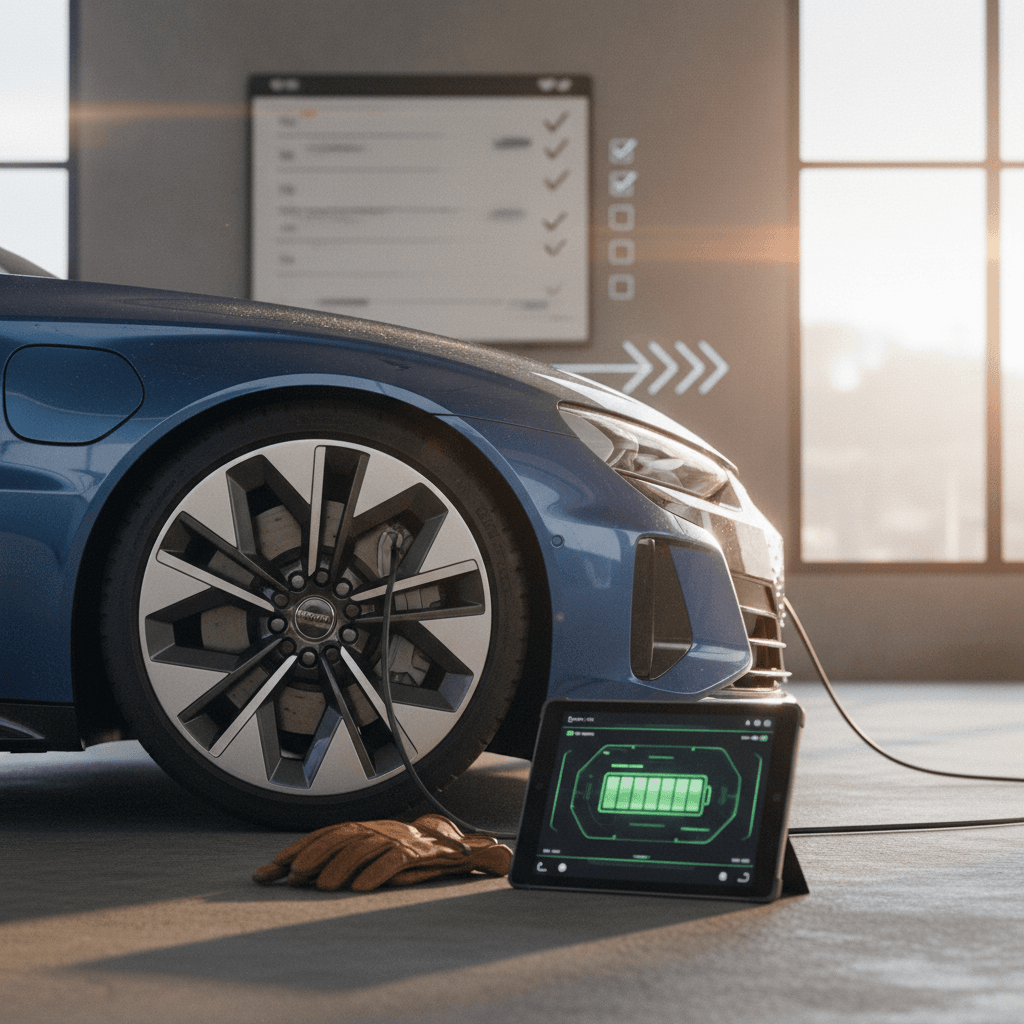
If you’re getting ready to sell your Audi e-tron GT, you’re dealing with more than a typical luxury sedan sale. You’re selling a six‑figure EV that depreciates quickly, has an expensive high‑voltage battery, and attracts a very specific kind of buyer. This Audi e-tron GT selling checklist walks you step by step through pricing, battery documentation, detailing, listing, and choosing the best way to sell so you don’t leave thousands of dollars on the table.
Who this checklist is for
Why you need an Audi e-tron GT–specific checklist
The Audi e-tron GT is not a typical used car. It’s a low‑volume, high‑performance EV with an 800‑volt architecture and a large battery pack that can represent a significant share of the car’s value. Early‑year depreciation can be steep, especially compared with gasoline Audis, so buyers are laser‑focused on battery health, remaining warranty, and repair history. A generic “used car” checklist won’t cover what serious EV shoppers now expect to see.
What makes selling an Audi e-tron GT different
These model‑specific factors should shape how you prepare and price your car
Battery health matters most
High performance, high repair costs
Steep early depreciation
Start your checklist early
Step 1: Know what your Audi e-tron GT is worth
Before you spend a dollar on detailing or repairs, you need a realistic value range for your e-tron GT. Values vary widely depending on model year, trim (e-tron GT vs S vs RS), mileage, options, and condition, plus local demand and EV incentives. In 2026, many 2021–2023 cars are trading well below their original six‑figure MSRPs, but clean, low‑mileage examples still command strong money.
Quick value snapshot for used e-tron GTs
How to research your Audi e-tron GT’s value
Confirm your exact spec
Write down your car’s <strong>model year, trim (e-tron GT, S, RS), key packages, mileage, and color combo</strong>. A well‑optioned RS e-tron GT in a desirable color will track differently than a base e-tron GT.
Check multiple valuation tools
Use at least two sources (for example, major pricing guides and online marketplaces) to see trade‑in vs private‑party ranges. Expect a big spread between the lowest and highest numbers.
Look at real‑world listings
Search nationwide listings for similar Audi e-tron GTs, same year, trim, and miles. Note <strong>asking prices, days on market, and discounts</strong> you see over time.
Review recent EV price trends
Luxury EV prices can move quickly with interest rates and incentives. Spend a few minutes checking recent <strong>used EV price trends</strong> for performance sedans like the e-tron GT.
Don’t anchor on original MSRP
Step 2: Collect key records, warranty and battery info
Paperwork is where EV shoppers separate serious sellers from everyone else. Before you list, assemble a digital and physical folder with everything a cautious buyer might ask for. That includes proof of remaining factory warranty and anything you can show about how the car has been used and maintained.
- Current title or payoff letter, registration, and driver’s license
- Full service history from Audi dealers or qualified independent shops
- Any recall, warranty, or campaign documentation related to the e-tron GT
- Charging history if your home charger/app tracks sessions (even high‑level summaries help)
- Window sticker or build sheet showing original options and MSRP
- All keys, owner’s manuals, wheel‑lock key, and charging cables/adapters
Understand your battery warranty window
Step 3: Evaluate and document battery health
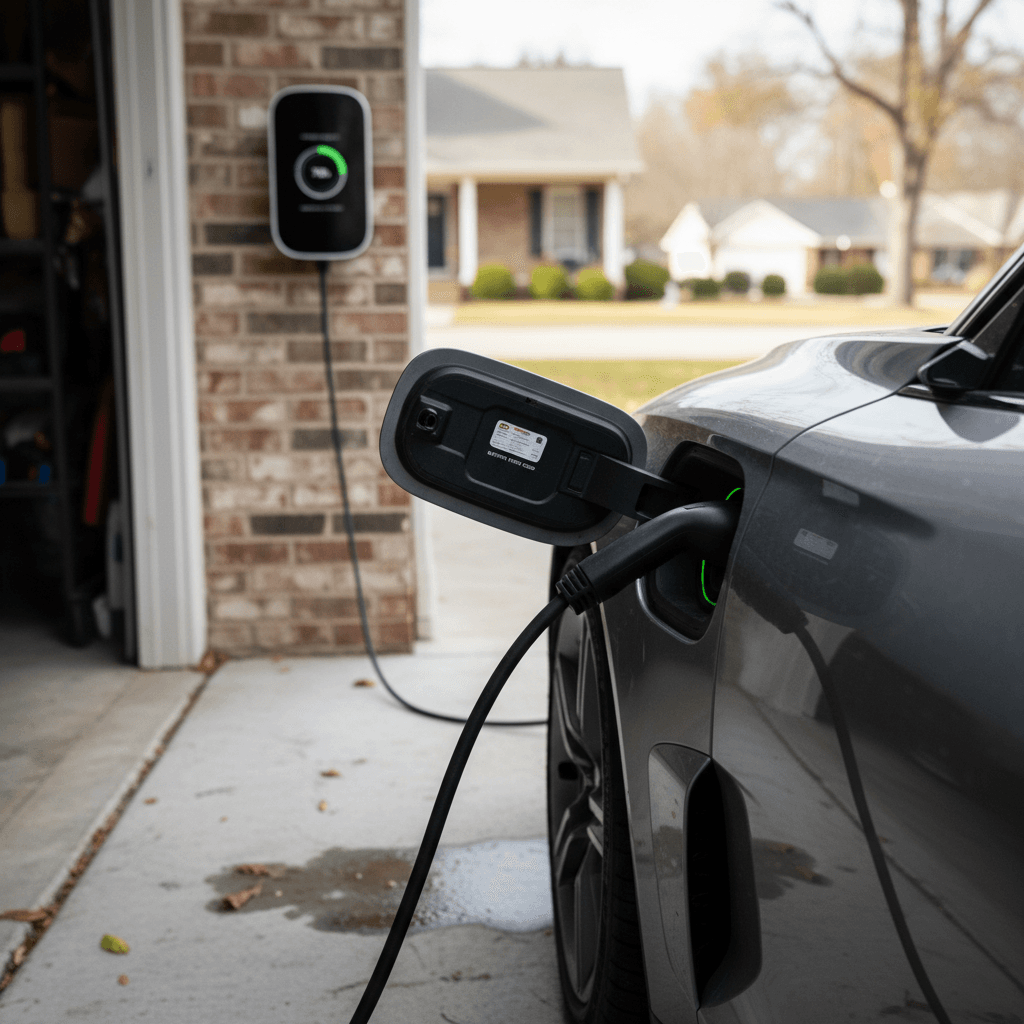
For many buyers, your e-tron GT’s battery health is the single biggest concern. They know that the high‑voltage pack is expensive, and they’ve seen stories about EVs with degradation issues. Simply pointing to the factory warranty isn’t enough anymore; shoppers want concrete information.
Ways to show Audi e-tron GT battery health
Mix what’s built into the car with independent verification when possible
On‑screen data & range
App & charger history
Independent battery health report
Aim for transparency, not perfection
Step 4: Handle maintenance, repairs and tires
Next, decide what work to do before listing. With a car like the e-tron GT, repairs, tires, and even brake rotors can be expensive. The right pre‑sale work can pay off; the wrong work can be money you never see again.
Repairs that usually pay off
- CPO‑style maintenance: Oil isn’t an issue, but cabin filters, brake fluid, and other time‑based services should be up to date.
- Warning lights and fault codes: Any dash lights, charging issues, or intermittent faults will scare off serious buyers and crush offers.
- Windshields, minor cosmetic fixes: Small chips, curb rash on wheels, or a cracked windshield are often worth addressing if the rest of the car is excellent.
Repairs to think twice about
- Major accident or structural repairs: If the car has big damage, you may be better off wholesaling or using a specialist marketplace than sinking cash into bodywork.
- High‑end rotor/brake jobs right before sale: Performance EV brakes can be pricey. If they’re near, but not at, end‑of‑life, disclose that and price accordingly.
- Cosmetic mods: Aftermarket wheels, wraps, or tunes rarely return anything close to what you spend.
Don’t ignore tires on a 500+ hp EV
Step 5: Detail your e-tron GT for photos and test drives
Presentation sells, especially in the luxury EV segment. A clean, well‑detailed Audi e-tron GT photographs better, test‑drives better, and signals to buyers that you’ve cared for the car.
Pre‑sale detailing checklist for Audi e-tron GT
Wash, decontaminate, and protect the paint
Give the car a thorough wash, remove bugs and tar, and consider a <strong>light polish or professional detail</strong> if you have noticeable swirls. A simple spray sealant or ceramic boost helps gloss in photos.
Deep‑clean the wheels and brake dust
Multi‑spoke EV wheels trap brake dust. Clean them thoroughly, including inner barrels if visible. Shiny wheels dramatically improve overall appearance.
Refresh the interior
Vacuum carpets and seats, clean the dash and center console, and wipe fingerprints from the piano‑black and screen surfaces. Pay extra attention to the steering wheel, driver seat bolsters, and door pulls.
Remove personal items and clutter
Take out kids’ seats, gym bags, and random accessories before photos. A minimalist, clean cabin makes the car look newer and more premium.
Charge to a photo‑friendly SoC
Aim for <strong>60–80% state of charge</strong> when photographing the car. It shows the EV is actively used and makes your interior screens look better in listing photos.
Step 6: Price and position your listing
Once you know your value range and the car is prepped, set a pricing strategy. The goal is to stay competitive, not desperate. Audi e-tron GT buyers are comparison‑shopping Taycans, Model S Plaids, and other high‑end EVs, so your number has to make sense in that landscape.
Example pricing strategies for an Audi e-tron GT
How different strategies might look for the same car in a stable market
| Strategy | Typical Use Case | Listing Price vs Private‑Party Market | Pros | Cons |
|---|---|---|---|---|
| Aggressive | Need quick sale or lots of similar cars listed | -3% to -6% | Faster responses, more serious inquiries | Less room to negotiate, leaves money on the table |
| Market‑correct | You’re not in a rush, car is clean and well‑documented | Around market average | Balanced time‑to‑sale and net price | Requires careful monitoring and small price adjustments |
| Aspirational | Low‑mile, rare spec, or heavily optioned RS e-tron GT | +3% to +7% | Captures buyers hunting for a specific build | Risk of sitting too long and needing bigger price cuts |
These are illustrative only, always use your real‑world comps and appraisal data.
Use a tight pricing band
Step 7: Choose how to sell, trade‑in, marketplace or private party
How you sell your e-tron GT can matter as much as how you price it. Each path, dealer trade‑in, instant‑offer site, EV‑focused marketplace, or old‑fashioned private sale, comes with different effort levels, risk, and net proceeds.
Ways to sell your Audi e-tron GT
Match the channel to your timeline, risk tolerance, and comfort level
Dealer trade‑in / instant offer
- Best for: Convenience, rolling equity into your next car.
- Pros: Fast, low hassle, tax benefits if trading toward another vehicle.
- Cons: Usually the lowest dollar outcome, especially on niche EVs dealers may not want to retail.
Specialist EV marketplace (like Recharged)
- Best for: Maximizing value without DIY hassle.
- Pros: EV‑savvy buyers, battery‑health reporting (via tools like the Recharged Score), help with pricing, financing, and nationwide reach.
- Cons: May involve selling fees or consignment structure, and not every car qualifies.
Private‑party sale
- Best for: Sellers comfortable with marketing, screening, and paperwork.
- Pros: Typically yields the highest sale price.
- Cons: Time‑consuming, requires vetting strangers and handling test drives, payment, and title work.
Auction / wholesaler
- Best for: Cars with issues, high miles, or unique stories.
- Pros: Quick resolution, transparent reserve options.
- Cons: Prices can be volatile; fees reduce your net.
How Recharged fits in
Step 8: Create a standout listing
Once the car is prepped and you’ve chosen how to sell, it’s time to build a listing that does the heavy lifting for you. A strong Audi e-tron GT listing is clear about spec, condition, battery health, and what makes your car different from the other fast EVs shoppers are cross‑shopping.
Must‑have ingredients for your Audi e-tron GT listing
Accurate headline and spec
Include <strong>year, trim, mileage, and a key option</strong> in the title: for example, “2023 RS e-tron GT • Carbon Optic • 12k miles.” Avoid vague headlines that could apply to any EV.
Clear, honest condition description
Describe interior and exterior condition, including any notable flaws. Mention wheel rash, small dings, or interior wear honestly; serious buyers appreciate transparency more than perfection claims.
Battery and charging story
Summarize charging habits (mostly home Level 2, occasional DC fast charging), any battery tests or diagnostics you’ve done, and remaining battery warranty coverage and dates.
Maintenance, recalls, and extras
List recent services, recall completions, and included extras such as <strong>winter wheels, OEM mats, chargers, and accessories</strong>. These can help close deals or justify your price.
High‑quality photos and (optionally) video
Aim for 20+ well‑lit photos: front, rear, sides, wheels, interior, screens, and close‑ups of any blemishes. A short walk‑around video highlighting the EV‑specific features can set you apart.
Step 9: Manage test drives and negotiate like a pro
With a high‑value EV, how you handle inquiries and test drives matters. You’re not just selling a car; you’re managing risk, your time, and the buyer’s confidence in a relatively complex product.
- Screen buyers with a few quick questions about financing and timing before scheduling a drive.
- Meet in a safe, well‑lit public place or at your bank; avoid handing over the keys until you’ve seen a valid license and proof of insurance.
- Have the car charged to at least 60% so the buyer can feel the performance and experience regenerative braking and one‑pedal driving.
- Demonstrate key EV features first, drive modes, charging port operation, charging speed expectations, and basic home‑charging needs.
- Stay calm on price; refer back to your comps and the documented condition, battery health, and maintenance when explaining your number. Be ready with a firm minimum you’ll accept.
Protect yourself during payment
Audi e-tron GT selling checklist at a glance
Condensed Audi e-tron GT selling roadmap
Before you list (2–4 weeks out)
Research current value using multiple tools and live listings.
Gather service records, warranty info, charging history, and accessories.
Address key maintenance items and any dash warning lights.
Schedule a detail and, if possible, a battery health assessment.
Decide how you’ll sell: trade‑in, EV marketplace like Recharged, or private‑party.
While your car is listed
Monitor competing Audi e-tron GT listings in your region.
Adjust price modestly if you’re getting views but no serious inquiries.
Respond quickly and professionally to questions about battery health and warranty.
Keep the car clean, charged, and ready for short‑notice test drives.
Have digital copies of records ready to text or email to qualified buyers.
Closing the deal
Agree on a price and confirm how payment will be made.
If there’s a lien, coordinate with your lender for payoff and title release.
Complete a bill of sale and title transfer based on your state’s rules.
Remove the car from your insurance only after the sale is finalized.
Keep copies of the signed paperwork for your records.
Selling your Audi e-tron GT with Recharged
If you like the idea of reaching EV‑savvy buyers but don’t want to personally manage every question about kilowatts, charging curves, and degradation, a specialist partner helps. Recharged is built specifically for used EVs like the Audi e-tron GT, with tools and services designed around the things buyers care about most.
How Recharged can simplify your e-tron GT sale
More transparency for buyers, less hassle for you
Recharged Score battery health report
Flexible selling options
Fully digital, EV‑specialist support
Ready to find your next EV?
Browse VehiclesAudi e-tron GT selling FAQ
Frequently asked questions about selling an Audi e-tron GT
Selling an Audi e-tron GT in 2026 isn’t just about snapping a few photos and picking a number. It’s about proving to the next owner that they’re getting a fast, capable EV with a healthy battery, clear history, and fair price. If you work through this Audi e-tron GT selling checklist, from valuation and records to detailing, listing, and the final handshake, you’ll be in a strong position whether you trade it in, sell it privately, or partner with an EV‑focused marketplace like Recharged.