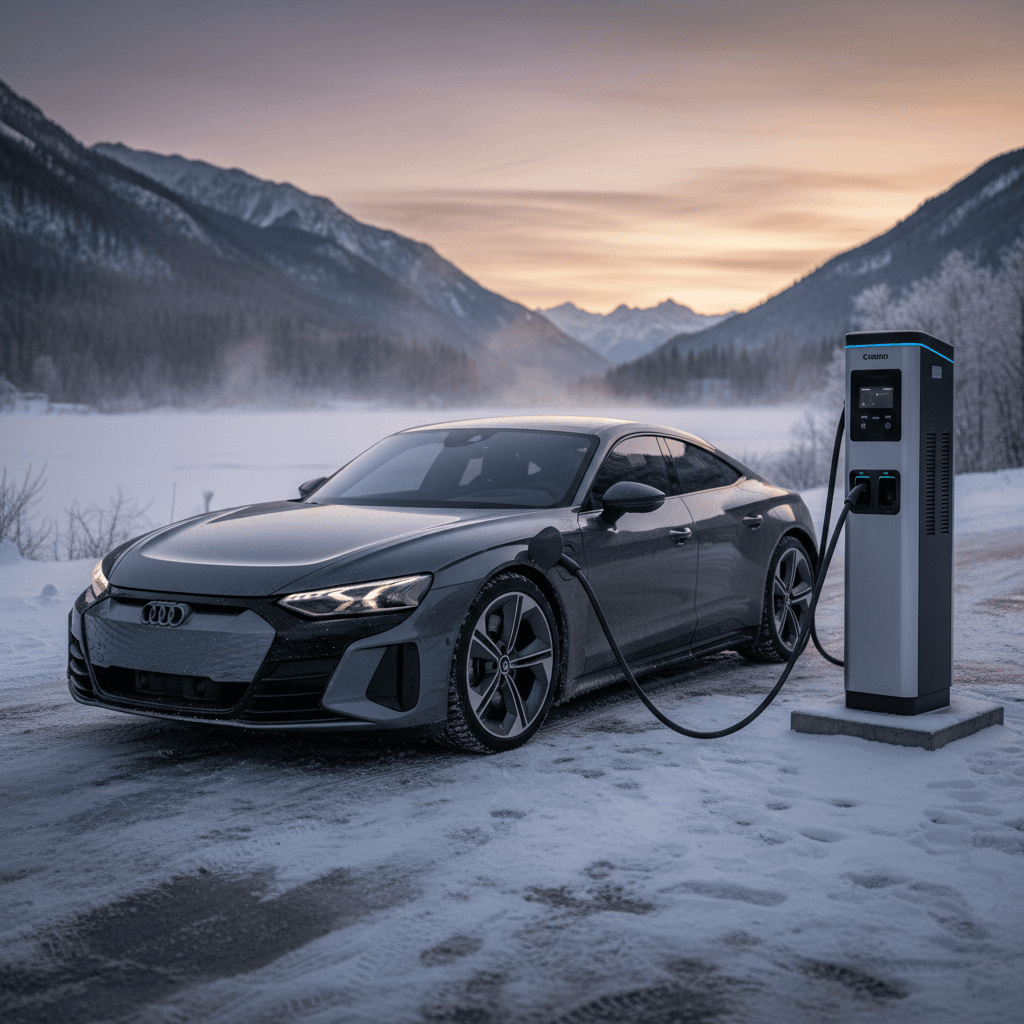
If you live where winters are long and cold, the big question isn’t just how quick the Audi e-tron GT is, it’s how far it will really go when the temperature drops. Understanding Audi e-tron GT range in cold weather is essential whether you’re already driving one or shopping for a used e-tron GT and want confidence on icy commutes and ski trips.
Quick winter range snapshot
Overview: Audi e-tron GT range and winter realities
- Most U.S. e-tron GTs have an EPA-rated range in the 230–250‑mile ballpark per charge, depending on model year, trim, and wheel size.
- Large luxury EVs like the e-tron GT are powerful but heavy, so they can see notable winter range loss if you drive fast and blast the heat.
- Real-world data across EVs suggests cold-weather driving often cuts range by about 20–30% in typical freezing conditions, and more in deep cold or at highway speeds.
- The e-tron GT includes battery thermal management and efficient heat-pump-based climate control (on many builds), both of which help it perform better in winter than some older or less sophisticated EVs.
The goal of this guide is to translate the lab numbers into realistic winter expectations and give you practical tactics to preserve range without freezing yourself, or your battery.
Audi e-tron GT EPA range vs. real-world
EPA-rated range for recent Audi e-tron GT models (U.S.)
Approximate EPA combined-range figures for popular e-tron GT variants. Exact numbers vary slightly by wheel/tire package and model year.
| Model / Trim | Model years (U.S.) | Battery (usable, kWh) | EPA range (mi, approx.) |
|---|---|---|---|
| e-tron GT quattro | 2021–2024 | ~84 | 235–250 |
| RS e-tron GT | 2021–2024 | ~84 | 230–235 |
| Updated S / e-tron GT (2025+) | 2025– | ~97–105 (est.) | Improved vs. prior years, EPA figures vary by trim |
Use these numbers as the starting point before adjusting for winter driving and your own habits.
In mild temperatures, think 60–70°F, and with mixed city/highway driving, many owners see real-world range close to EPA estimates. Push the car hard on the highway, run 21‑inch wheels with stickier tires, or drive mostly at 75–80 mph, and you may see a noticeable drop even in warm conditions.
High speed shrinks your “winter tank”
How much range the e-tron GT loses in cold weather
Typical Audi e-tron GT winter range expectations
Across all EVs, large studies have found that typical winter driving trims range to around 70–80% of the rated value once temperatures drop below freezing. The Audi e-tron GT generally lands in that band when driven sensibly, with range loss getting worse if you combine very low temperatures, high speed, short trips, and frequent cabin warm-ups.
- If your e-tron GT is rated around 240 miles, a realistic target on a cold, mixed‑driving day might be 170–190 miles.
- On deep‑winter highway runs in the teens (°F) without much preconditioning, that same car might only offer 130–160 miles before you want to recharge.
- Short trips, like 3–8‑mile errands with full‑blast heat, can briefly make the range estimate look much worse, because the car keeps burning energy to warm the cabin and battery without adding many miles.
Think in percentages, not just miles
Why cold weather hurts EV range
1. Battery chemistry slows down
Like any lithium‑ion pack, the e-tron GT’s battery is happiest in a moderate temperature window. As the pack cools, internal resistance rises and it becomes harder to pull energy out efficiently. You still have the same usable capacity, but it’s harder to access it quickly and cleanly.
The car responds by limiting power at very low temperatures and losing some efficiency per mile.
2. You’re powering a rolling space heater
In a gas car, engine heat is a by-product. In an EV, cabin heat comes straight from the battery. Crank the climate control from 20°F to a cozy 72°F and you’re diverting a meaningful chunk of your available energy to staying warm, especially at lower speeds.
Seat and steering‑wheel heaters are much more efficient, but the windshield still needs to be clear and the cabin safe and comfortable.
3. Short trips and repeated warm‑ups
Every time you start up in the cold, the e-tron GT spends energy warming the cabin and, when conditions call for it, the battery. If you’re making lots of short hops, you keep paying that initial warm‑up penalty without racking up enough miles to average it out.
4. Dense air and winter tires
Colder air is denser, which increases aerodynamic drag, especially noticeable at highway speeds. Add heavier winter tires with a grippier tread compound and rolling resistance goes up too. Both push consumption higher, which shortens range.
Good news: it’s predictable
Winter driving tips to maximize Audi e-tron GT range
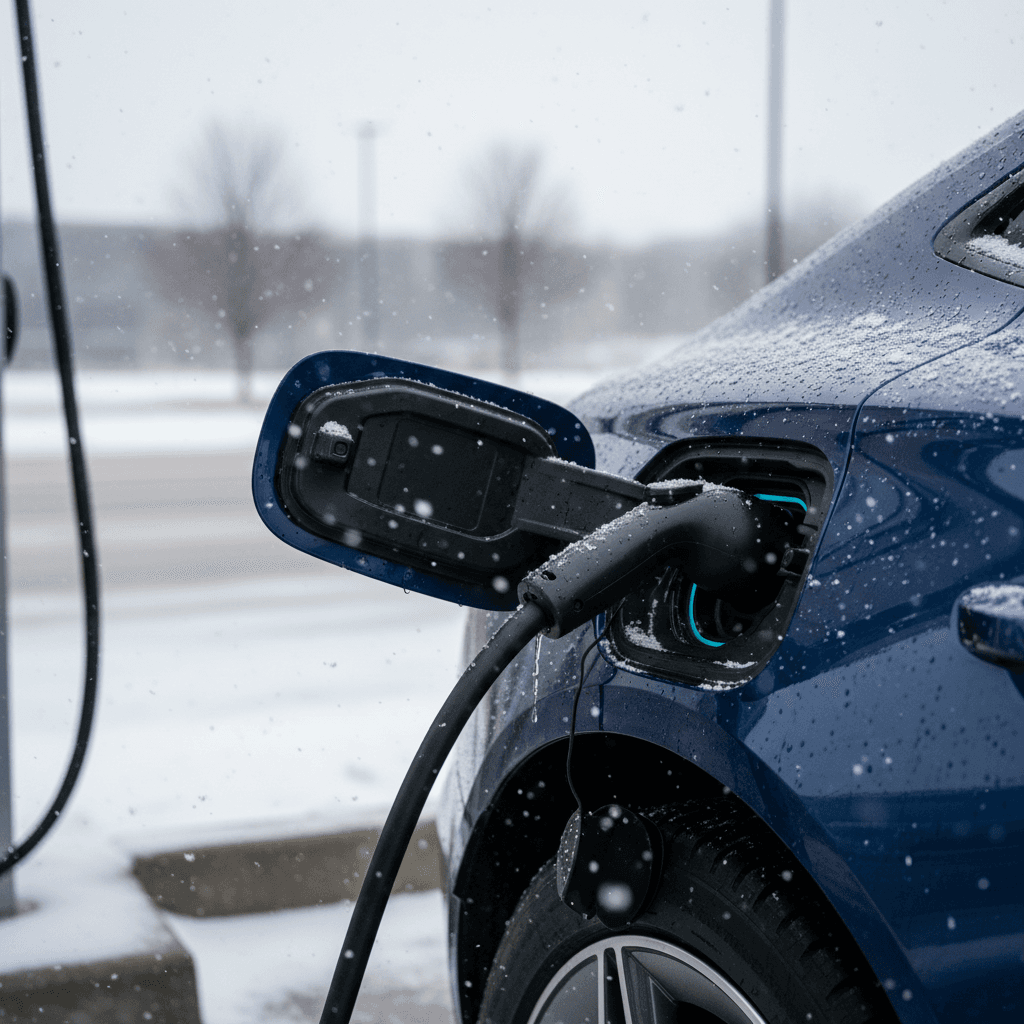
Practical steps to stretch winter range
1. Precondition while plugged in
Use the myAudi app or in‑car scheduling to warm the cabin and battery <strong>before</strong> you leave, while the car is still on the charger. This shifts much of the heating load to the grid instead of your battery.
2. Use eco cabin settings
Set the cabin temperature a bit lower (for example, 67–69°F instead of 73–75°F) and rely more on seat and steering‑wheel heaters. They use far less energy per mile than full‑blast cabin heat.
3. Moderate your speed
Dropping from 75 mph to 65 mph can save a surprising amount of energy in cold air. On long winter drives, that small speed change often buys you an extra <strong>20–30 miles</strong> of range on a full charge.
4. Choose an efficient drive mode
Audi’s efficiency‑oriented drive modes soften throttle response, tweak suspension and steering, and can optimize climate control. In winter, that helps keep consumption predictable instead of spiky.
5. Avoid deep discharges in extreme cold
Try not to arrive home or at your destination with a single‑digit state of charge when it’s near or below zero. Keeping the battery between roughly <strong>20–80%</strong> in very cold conditions is kinder to the pack and often more efficient.
6. Clear snow and ice before you drive
Snow on the car increases aerodynamic drag and adds weight. Clear off the roof, hood, lights, and around the charge port to reduce resistance and keep sensors working properly.
What “good” winter efficiency looks like
Charging your Audi e-tron GT in cold weather
Cold-weather charging habits that protect range and battery health
The e-tron GT’s thermal management can work with you, or against you, depending on how you charge in winter.
Time your fast charges
On long winter trips, use the built‑in navigation to route to DC fast chargers. The car will precondition the battery en route, improving both charging speed and efficiency once you plug in.
Lean on Level 2 at home
Overnight Level 2 charging in a garage or driveway lets the pack warm gradually. Finishing the charge shortly before departure keeps the battery in a healthier temperature zone for your morning drive.
Protect the pack long term
Frequently charging to 100% isn’t ideal in any EV, especially if it then sits in the cold. For daily use, target 70–90% most of the time and save 100% charges for trips.
Cold-soaked battery = slower fast charging
Planning trips and daily commutes in winter
Daily commuting and local errands
For most U.S. commutes, say 20–60 miles per day, the e-tron GT has enough winter range that cold weather is more about comfort and predictability than absolute capability. Even with a 30% winter hit, you’re typically well within the car’s usable range if you can plug in at home overnight.
The key is consistency: charge regularly, precondition when you can, and watch your energy‑use display over a week or two to learn your personal winter baseline.
Long highway trips in cold weather
For winter road trips, treat your e-tron GT like a performance grand tourer with a smaller “winter tank.” Plan legs 60–70% as long as you might in summer, and build in time for one or two extra charging stops on all‑day drives.
Use route planners that factor in weather and elevation, and don’t be afraid to top up earlier if a storm or headwind pops up, especially with passengers, gear, or a roof box on board.
Use your car’s range estimate, but sanity-check it
Cold-weather considerations when buying a used e-tron GT
If you’re shopping for a used Audi e-tron GT, winter performance isn’t just about the spec sheet, it’s about battery health, previous use, and how the car has been maintained. That’s where a data-backed assessment can save you from surprises once the thermometer drops.
What to check for winter-ready e-tron GT ownership
These questions help you understand how a particular car will behave when it’s 20°F and snowing, not just on a perfect test-drive day.
Battery health and history
Ask for objective battery‑health information, not just “it feels fine.” At Recharged, every vehicle gets a Recharged Score Report with verified battery diagnostics, so you know how much usable capacity is really left and how it compares to similar e-tron GTs.
Winter hardware and tires
Confirm what wheels and tires the car comes with. A set of quality winter or all‑weather tires dramatically improves cold‑weather safety, but can affect range slightly. Make sure they’re a good match for your climate and driving style.
Charging and maintenance records
Look for evidence of consistent Level 2 home charging and normal usage, not constant DC fast‑charging from near‑empty. Healthy habits matter more over time than any single winter road trip.
Support when questions pop up
Cold‑weather EV ownership comes with a learning curve. Recharged’s EV specialists can walk you through range expectations for your routes, help you compare similar used e-tron GTs, and plan home charging so winter doesn’t catch you off guard.
Red flags on a used winter EV
Audi e-tron GT range in cold weather: FAQ
Frequently asked questions about e-tron GT winter range
Bottom line: Is the Audi e-tron GT a good winter EV?
If you’re expecting summer‑like range in January, the Audi e-tron GT, or any EV, will disappoint you. But if you plan around using roughly two‑thirds to three‑quarters of the EPA range on the coldest days, the e-tron GT is a capable, confidence‑inspiring winter car with strong traction and predictable behavior.
For current owners, the playbook is straightforward: precondition while plugged in, moderate your speed, lean on efficient heating, and build a small buffer into longer trips. For shoppers, especially in colder states, focus on verified battery health, charging access, and honest winter expectations instead of just the brochure number. Recharged was built to make that easy: every used EV we sell, including performance models like the e-tron GT, comes with a Recharged Score battery report, transparent pricing, and EV‑specialist support so you know exactly what to expect when the next cold front rolls through.