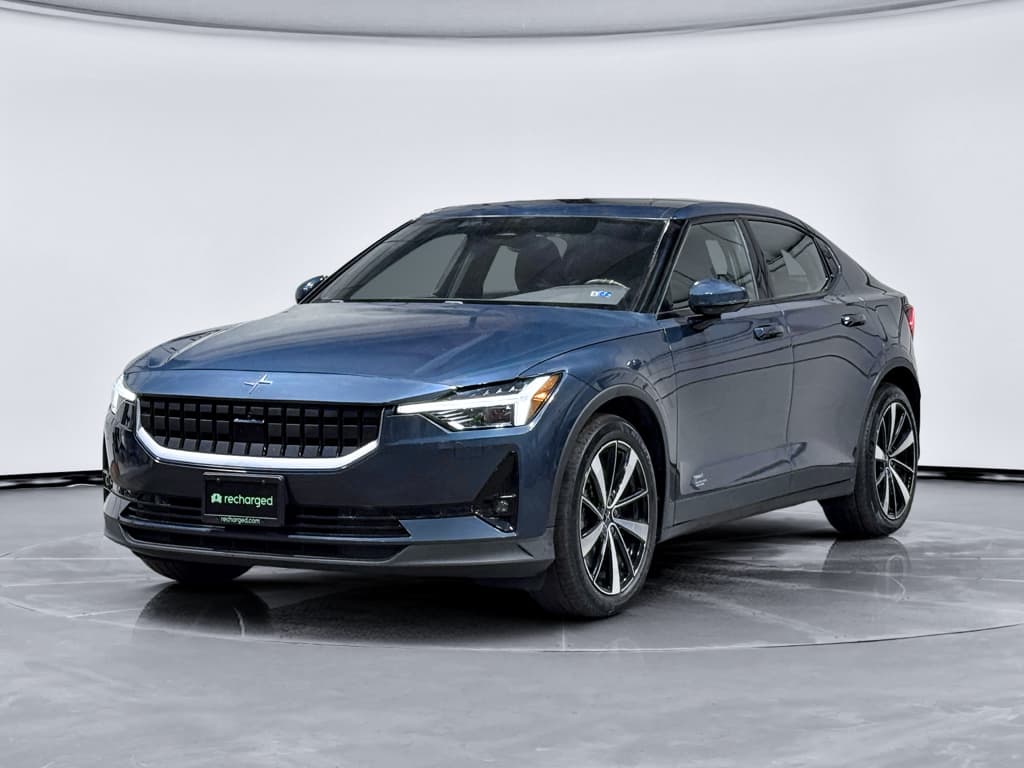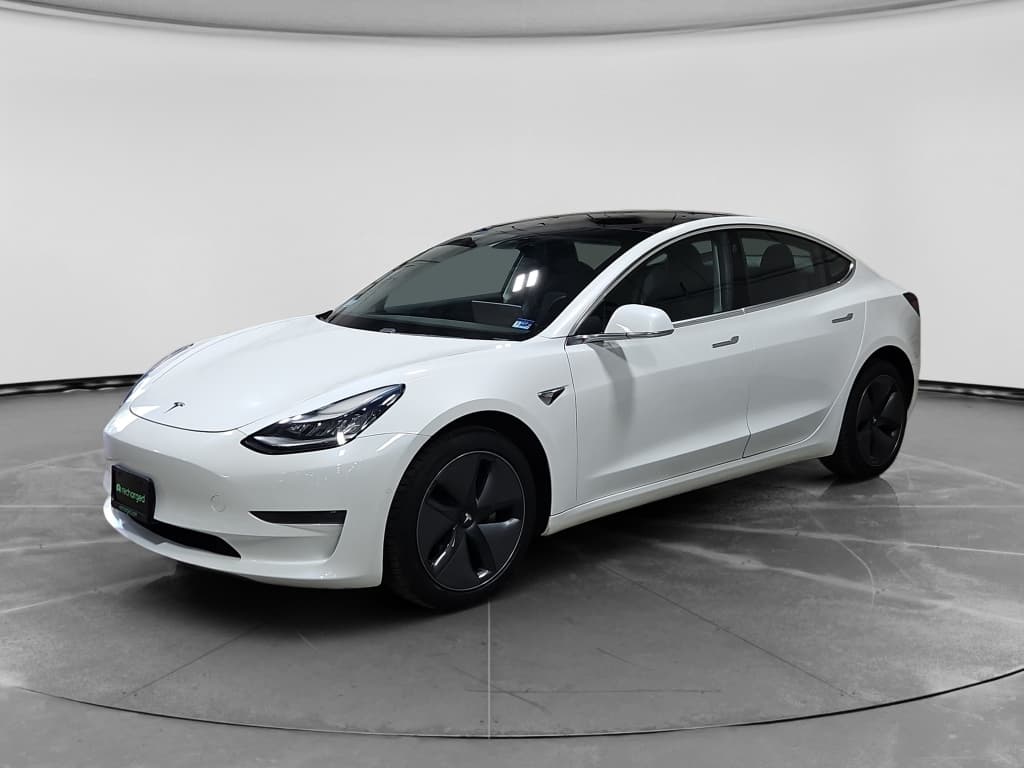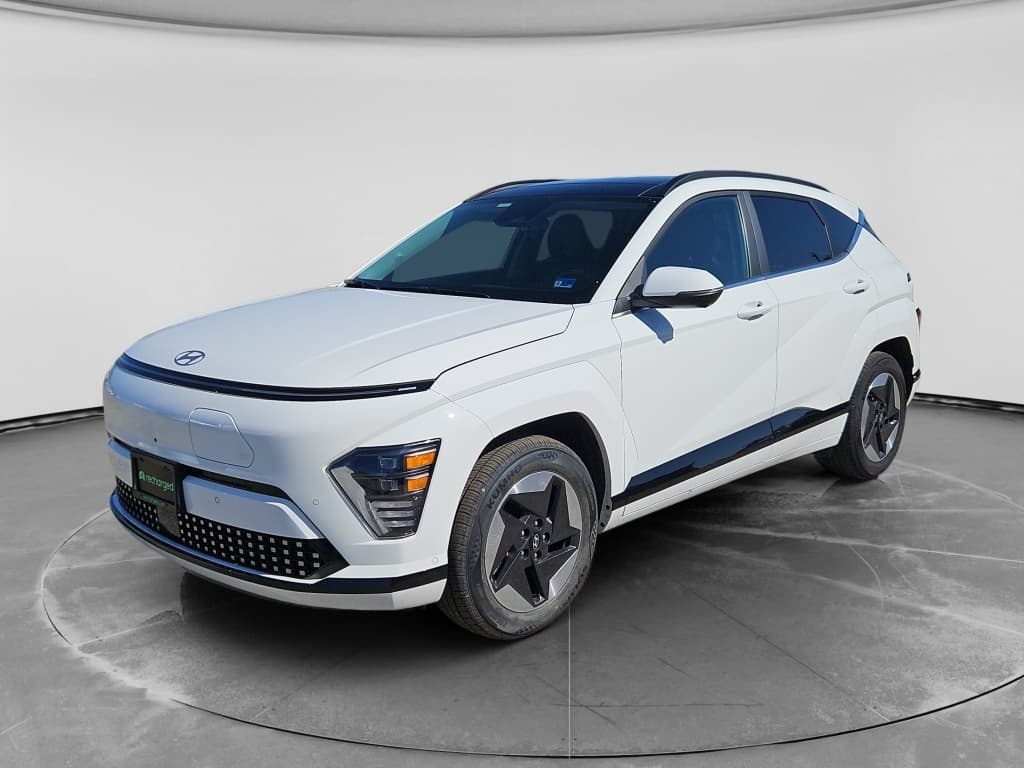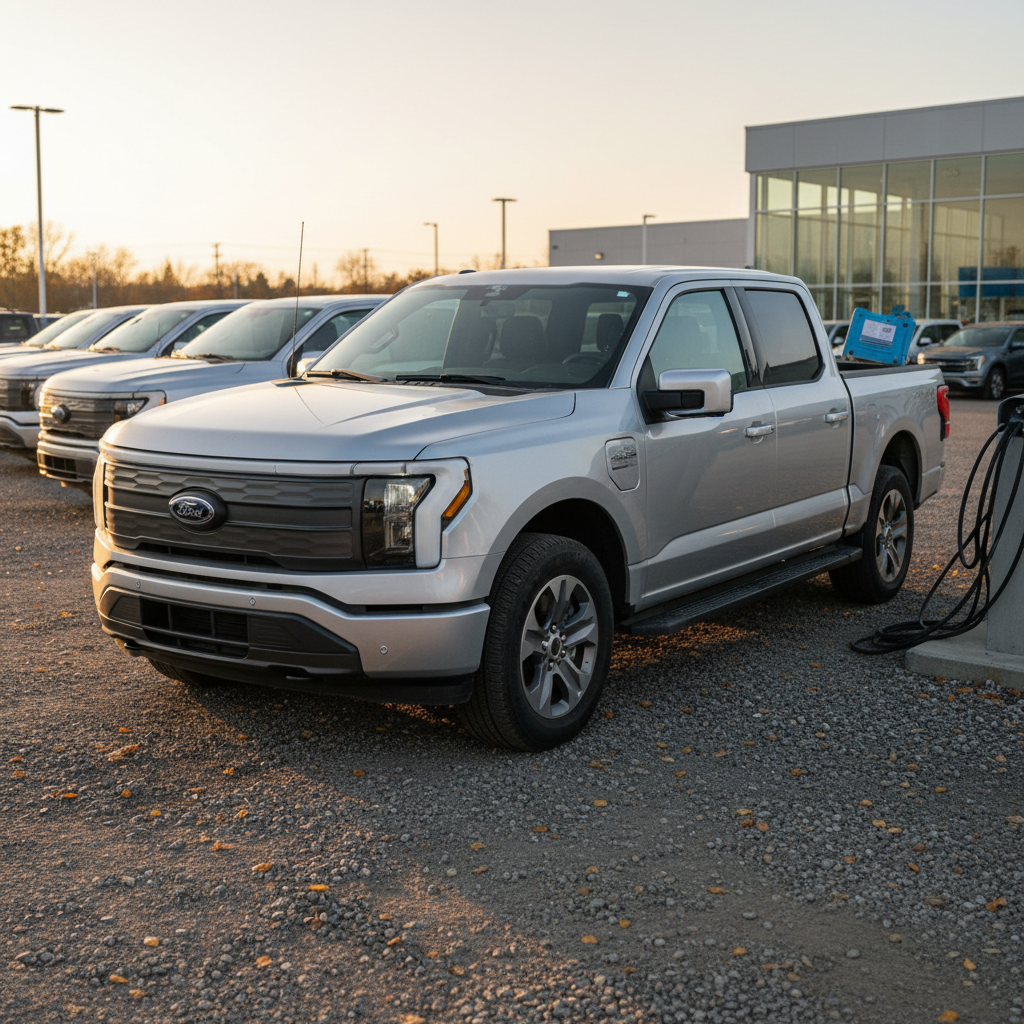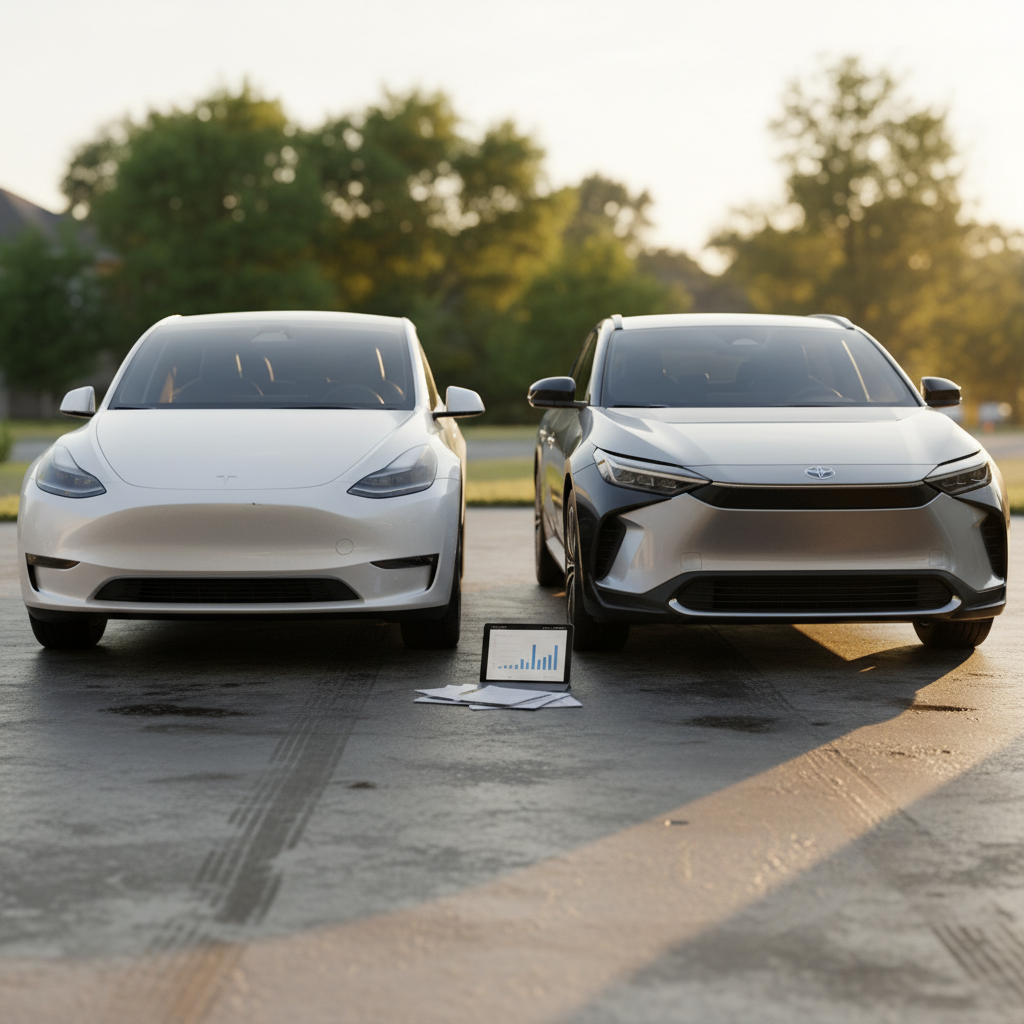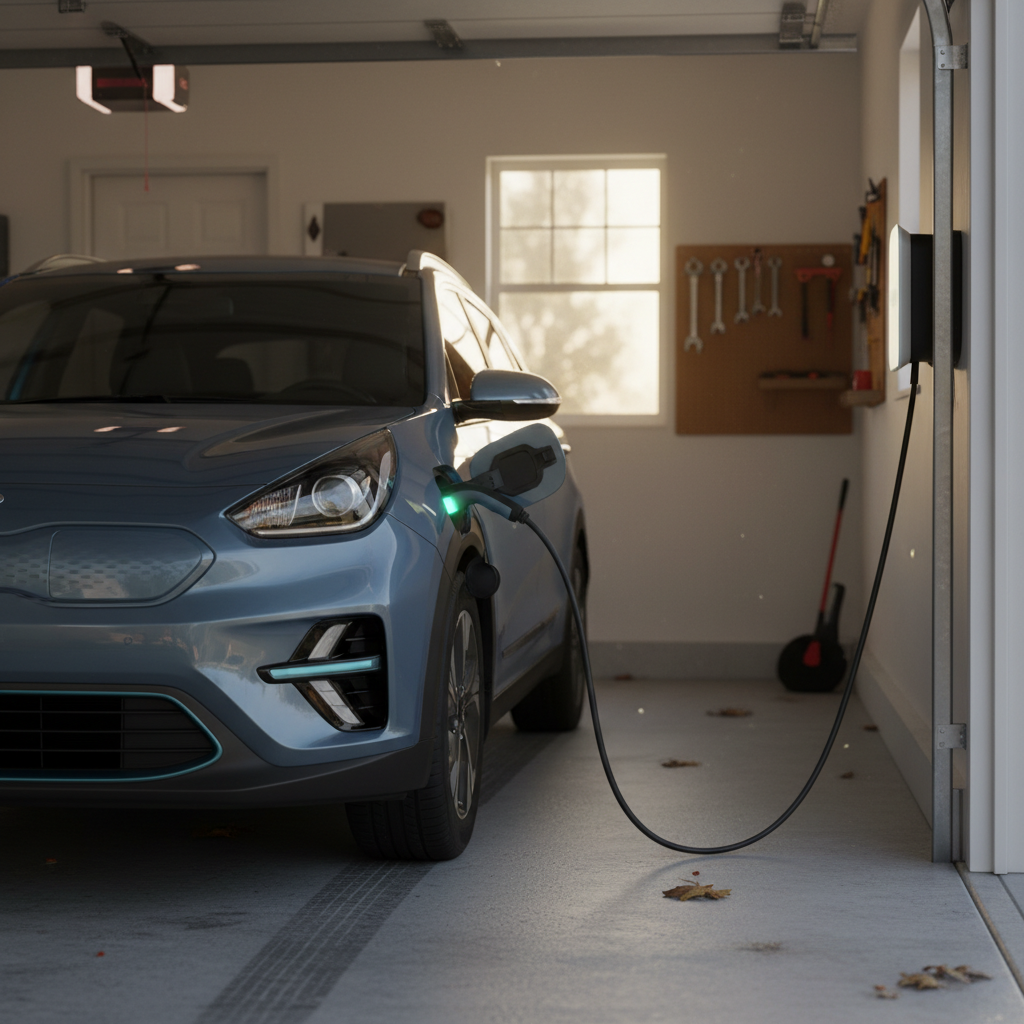
When people type “articles of electric cars” into a search box, they rarely want just one narrow answer. They’re really looking for the big picture: what kinds of electric cars exist, how they work, what they cost to run, how long the batteries last, and whether a used electric car is a smart buy. This guide pulls those “articles” together in one place so you can decide, with confidence, if an EV belongs in your driveway, and what to watch for if you’re shopping used.
Quick orientation
Why People Search for “Articles of Electric Cars”
Gas cars have been around long enough that most of us absorb how they work without trying. Electric cars are different. They use new hardware, new vocabulary and a new daily routine. When you look for articles of electric cars, you’re usually trying to answer a handful of big questions at once:
- Will an electric car actually fit my life, commute, family, weather, road trips?
- What are the different types of electric vehicles, and which makes sense for me?
- How complicated is charging at home and on the road?
- Are EVs really cheaper to own than gas cars?
- Can I trust the battery in a used electric car, or is it a ticking time bomb?
We’ll tackle each of those in turn, with a special focus on the used market, because that’s where many of the best values are today, especially in the U.S. used‑EV market, where prices dropped sharply through 2024 and into 2025 while gas‑car prices held steadier.
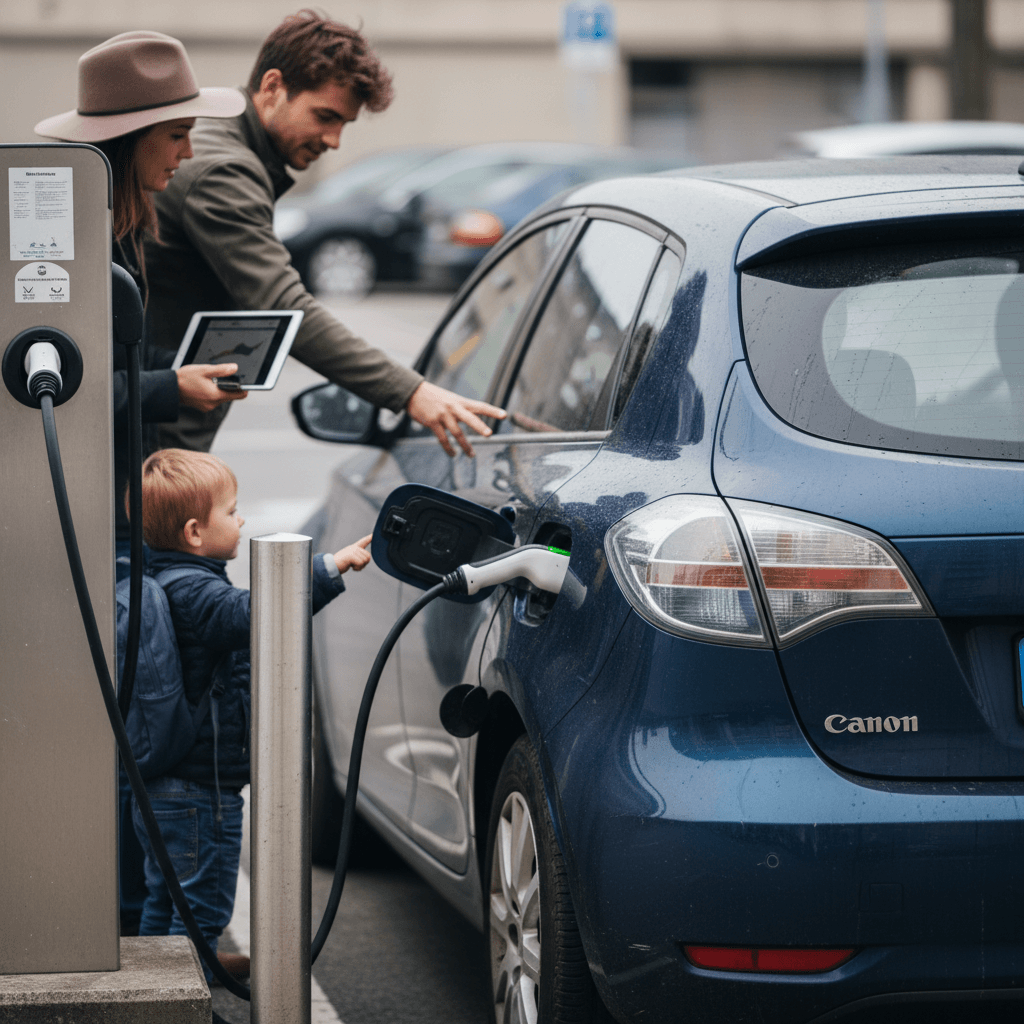
Types of Electric Cars: BEV, PHEV, HEV and FCEV
First, let’s sort out the alphabet soup. Not every “electric car” is the same. Understanding the main categories will help you match the technology to your lifestyle instead of buying on buzzwords alone.
Four Main Types of Electric Vehicles
All use electricity, but they don’t behave the same day to day.
BEV
Battery Electric Vehicle. Runs only on electricity; no gas engine at all. You plug in to charge.
Best for: Drivers who can charge at home or work and want the lowest running costs.
PHEV
Plug‑in Hybrid Electric Vehicle. Has a battery you can plug in plus a gas engine.
Best for: Mostly-short trips on electricity, with gas as backup for road trips.
HEV
Hybrid Electric Vehicle. Uses a small battery and electric motor to assist a gas engine; can’t be plugged in.
Best for: Drivers who can’t charge but want better fuel economy.
FCEV
Fuel‑Cell Electric Vehicle. Uses hydrogen to generate electricity on board.
Best for: Limited markets with hydrogen stations, still niche today.
Which type should you focus on?
How Electric Cars Work: Key Components Explained
Under the skin, an electric car is simpler than a gas car. There’s no multi‑gear transmission, no exhaust system, no spark plugs or oil changes. Instead, a few core components do most of the work.
1. Battery pack
The high‑voltage battery is the fuel tank of an electric car. Capacity is measured in kilowatt‑hours (kWh), think of this like the size of the gas tank. A 60 kWh battery is roughly comparable to a 14–16 gallon tank in terms of daily range for many drivers.
Modern EV packs use lithium‑ion chemistry and are managed by a battery‑management system (BMS) to protect against over‑charging and over‑discharging.
2. Electric motor and inverter
The electric motor turns electrical energy into motion. Many EVs put one motor on each axle; some use a single motor to drive either the front or rear wheels.
An inverter sits between the battery and the motor, converting DC battery power into AC power the motor can use, and controlling how much torque you feel when you step on the pedal.
3. On‑board charger
When you plug into AC power at home or at a slower public station, the on‑board charger converts AC from the grid into DC to store in the battery. Its power rating (for example, 7.2 kW or 11 kW) helps determine how quickly you can refill at Level 2 stations.
4. Thermal management
EV batteries like a narrow temperature window. A thermal management system (often liquid‑cooled) keeps the pack, power electronics and cabin comfortable. In very hot or cold climates, this system plays a big role in both performance and battery longevity.
Where does regenerative braking fit in?
Charging an Electric Car: Home, Public and Fast Charging
Charging is the part that feels most unfamiliar if you’ve spent years at gas pumps. The good news is that once you understand a few terms, Level 1, Level 2, DC fast charging, it becomes routine.
Common EV Charging Levels
How long it takes to add range depends on power level and your car’s efficiency.
| Charging type | Typical location | Power | Approx. speed | Best use case |
|---|---|---|---|---|
| Level 1 (120V AC) | Regular household outlet | 1–1.4 kW | 2–4 miles of range per hour | Overnight top‑ups for short‑range drivers |
| Level 2 (240V AC) | Home wallbox or public charger | 3.3–11 kW+ | 15–40+ miles of range per hour | Daily home charging and longer stops around town |
| DC fast charging | Highway stations, some urban sites | 50–350 kW | Up to ~200 miles in 20–40 minutes on newer EVs | Road trips and quick top‑ups on the go |
Charging times are approximate and vary by model, weather and starting charge level.
Watch your expectations
Home Charging: 5 Things to Sort Out Early
1. Where will the car live at night?
A private driveway or garage makes home charging much easier. If you park on‑street, you’ll likely rely more on public infrastructure.
2. Do you already have a 240V circuit?
Dryer or garage outlets can sometimes be repurposed, but a licensed electrician should confirm capacity and safety before you plug in a Level 2 charger.
3. How fast do you really need to charge?
If you drive 30–40 miles a day, a 7 kW Level 2 charger is usually plenty. Overspending on a higher‑power unit won’t make your car charge faster than its on‑board charger allows.
4. Will your utility reward off‑peak charging?
Many utilities offer cheaper nighttime rates. Scheduling your charging window can significantly cut your fuel cost per mile.
5. Are you allowed to install hardware?
Renters and condo owners may need permission from landlords or HOAs. Get that conversation started before you sign for the car.
Costs of Owning an Electric Car: Price, Charging and Maintenance
Sticker price is only part of the story. Electric cars often cost more up front than comparable gas cars but can be cheaper to run. The math looks different for new and used buyers, so let’s break it down.
Running‑Cost Realities for EV Owners
Up‑front price
New EVs are still generally pricier than comparable gas cars, although incentives can narrow the gap. The more interesting story right now is in the used EV market, where rapid depreciation and previous tax credits have pushed prices down sharply.
That means a lightly used EV can often cost the same as, or even less than, a similar gas car, especially for models that were in high demand when new.
Day‑to‑day costs
Where EVs really shine is in running costs. No oil changes, fewer fluids and filters, and far less wear on brakes thanks to regenerative braking.
If you can charge at home, your monthly “fuel” bill can drop dramatically compared with regular fill‑ups at today’s gas prices.
Think in total cost of ownership
Battery Life and Range: What Real Owners Are Seeing
Battery health is usually the make‑or‑break topic for shoppers reading articles about electric cars. The fear is understandable: the battery pack is the single most expensive component, and nobody wants to buy a car whose “fuel tank” is about to shrink.
- Real‑world studies of high‑mileage EVs routinely show packs retaining around 85–95% of their original capacity after 5–8 years, depending on model and usage.
- Only a small percentage of EV batteries have needed replacement outside of recalls, based on large owner‑survey datasets.
- Most automakers warranty their batteries to at least 70% capacity for eight years or more, giving buyers a performance floor.
What actually ages an EV battery?
Depreciation and Resale Value: Used EVs in 2024–2025
EV depreciation has been a tale of two stories. On paper, electric cars have lost value faster than gas cars over the last few years, in some cases dropping close to half their original price in five years. That sounds scary, until you flip the script and look at it from the buyer’s side.
Why EVs depreciated so fast
- Technology leapfrogging: Newer models deliver longer range and faster charging, making older ones feel dated sooner.
- Early incentives: Federal and state tax credits pumped up new‑car demand, then those subsidized cars hit the used market a few years later, increasing supply.
- Fleet off‑loads: Rental and corporate fleets cycling out early EVs added even more used inventory.
Why that’s good for used buyers
- You’re not the one absorbing that first big value drop.
- Many used EVs still have years of battery warranty left.
- Lower purchase prices plus low running costs can make a used EV a bargain for commuters.
In fact, analysts have been pointing out that the best EV deals today are on the used market, not the new‑car lot.
Don’t confuse price with quality
Buying a Used Electric Car: What to Check
Shopping for a used EV shares some DNA with any used‑car hunt, but the checklist is a little different. You’re still looking for clean titles and honest history, but you also need to think about charging hardware, software and battery health.
Used EV Buying Checklist
1. Battery health and range today
Ask for objective battery‑health data, not just “it seems fine.” A good report will estimate current capacity and projected range at various states of charge.
2. Charging history and habits
Frequent DC fast charging and lots of time at 100% don’t automatically kill a battery, but they can accelerate wear. If possible, learn how the previous owner charged.
3. Charging compatibility
Make sure the car’s charging port (CCS, NACS, CHAdeMO) matches the infrastructure in your area, and that any adapters you need are readily available and fairly priced.
4. Software and recalls
EVs are rolling computers. Confirm that over‑the‑air updates (or dealer updates) have been applied and that all battery‑related recalls or service campaigns are complete.
5. Thermal system health
Listen for unusual fan or pump noise and verify that the car can both heat and cool the battery and cabin. A failed thermal system can hurt performance and longevity.
6. Included charging equipment
Replacing missing portable charging cables or wallboxes isn’t cheap. Make sure everything that originally came with the car is present and working, or factor replacements into your budget.
Look for third‑party validation
How Recharged Helps Used EV Buyers
If you love the idea of lower running costs and a quieter drive but don’t love the idea of decoding battery data on your own, that’s exactly the gap Recharged is built to fill. Instead of treating a used EV like just another used car, Recharged evaluates it as the complex piece of electrical hardware it is.
What You Get When You Buy Through Recharged
Built from the ground up around used EVs, not gas‑car assumptions.
Recharged Score Report
Every car on Recharged comes with a Recharged Score that includes verified battery health diagnostics, charging performance and range estimates. You see how this specific car stacks up against similar EVs of the same age and mileage.
Fair pricing & trade‑ins
Recharged uses current market data to price cars fairly and transparently. You can also trade in your current vehicle or get an instant offer, which can roll straight into your EV purchase.
Financing & delivery
From pre‑qualification that doesn’t ding your credit, to EV‑savvy financing partners and nationwide delivery, the entire process is digital‑first. Prefer to see a car in person? Visit the Recharged Experience Center in Richmond, VA.
Ready to find your next EV?
Browse VehiclesNervous about your first EV?
FAQs About Electric Cars
Common Questions About Electric Cars
The Bottom Line on Electric Cars
Electric cars are no longer fringe science projects; they’re mainstream vehicles with their own strengths, quirks and learning curve. The essential articles of electric‑car knowledge boil down to this: understand the type of electrification you’re buying, get comfortable with how you’ll charge, run the numbers on total cost of ownership, and insist on clear battery‑health information if you’re buying used.
Do that, and an EV can be a quieter, cleaner and often cheaper companion than a gas car, especially if you lean into home charging. And if you’d rather not decode all of this alone, a used‑EV specialist like Recharged, with battery diagnostics, fair‑market pricing and EV‑savvy support, can turn a stack of confusing “articles of electric cars” into a single, confident decision about the car that’s right for you.