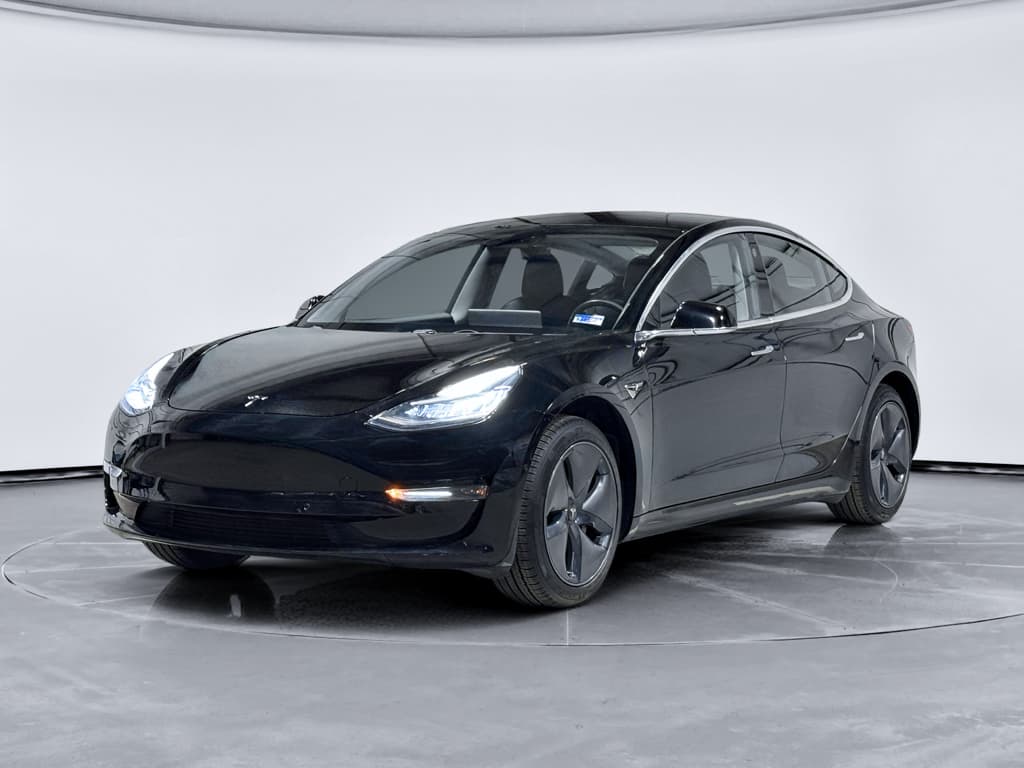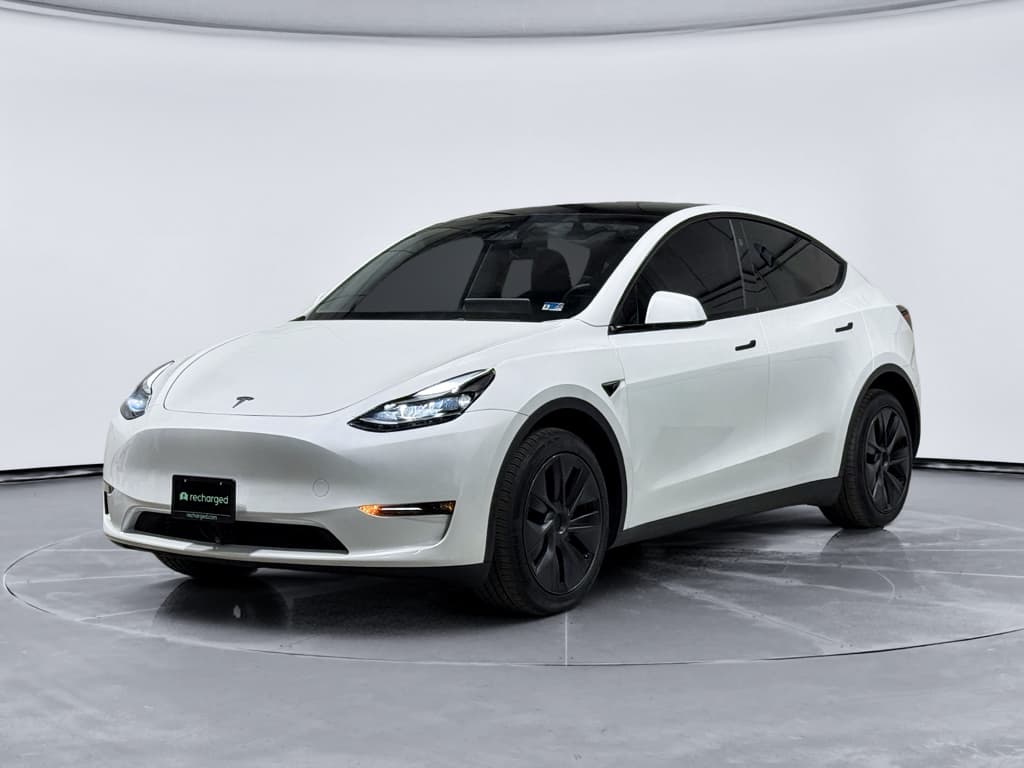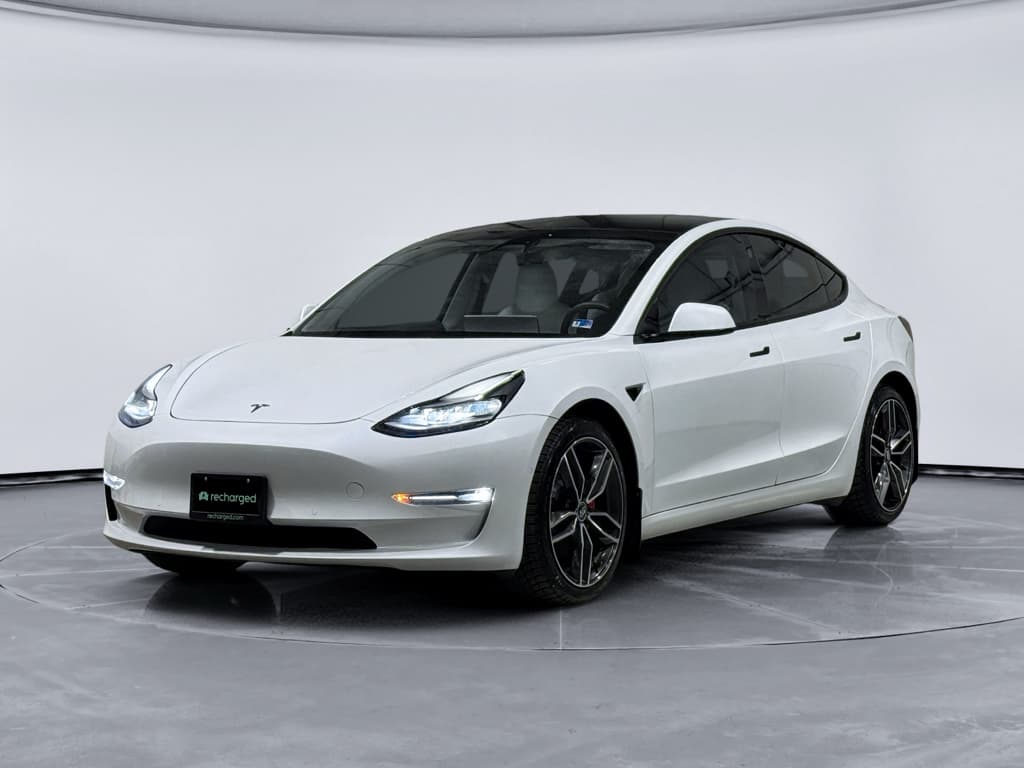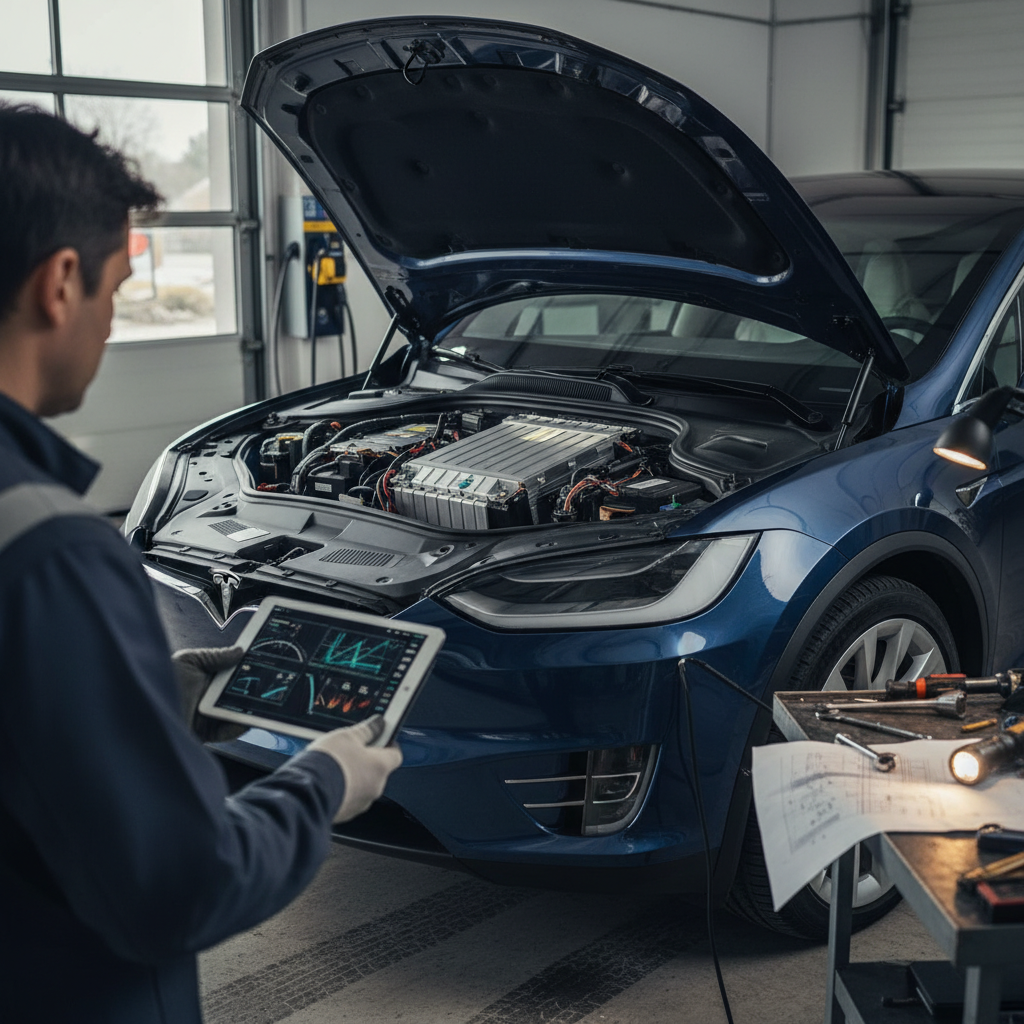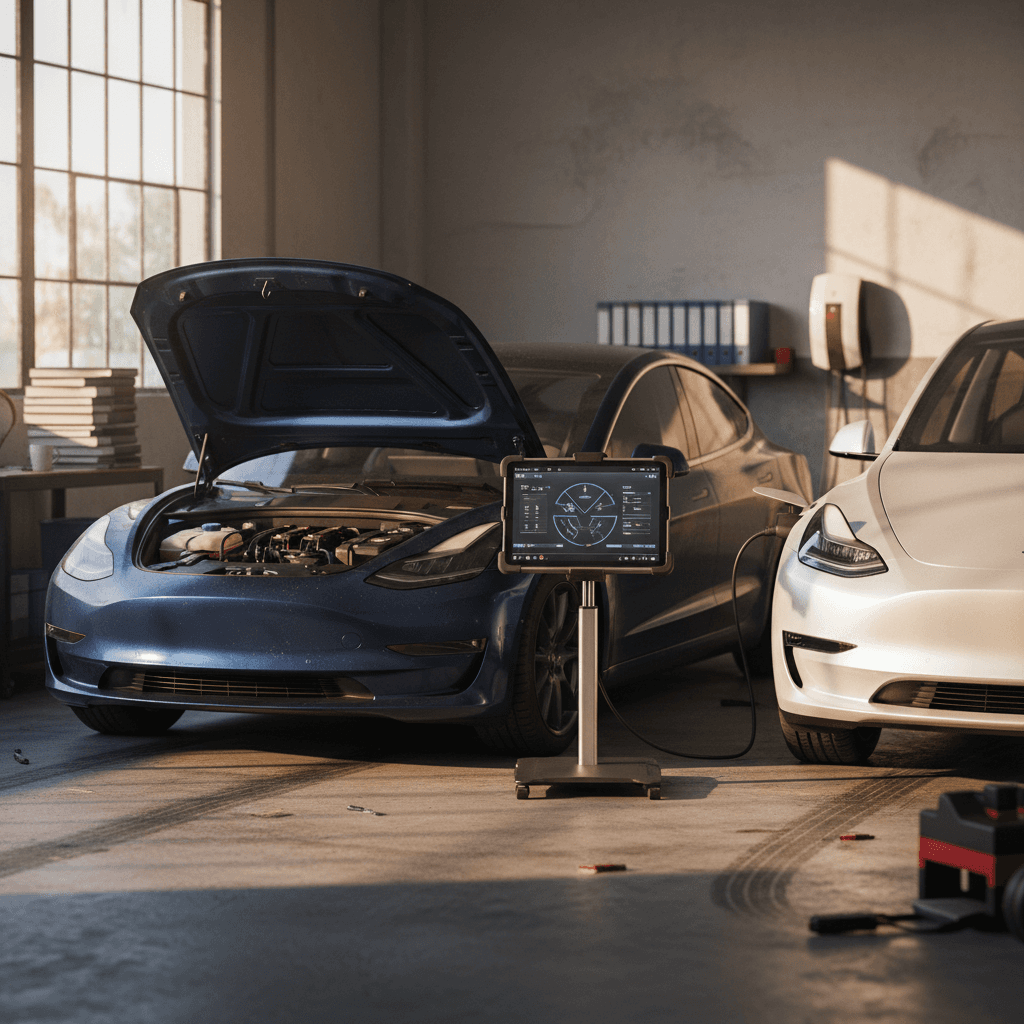
If you’re considering a Tesla, or a used Tesla in particular, it’s natural to wonder: are Tesla repairs expensive? The short answer is that routine upkeep is usually cheaper than a comparable gas car, but some repairs, especially collision and battery-related work, can be pricier and more complicated. The key is understanding where Teslas save you money and where costs can spike.
Bottom line up front
Do Teslas Cost More to Repair Than Other Cars?
How Tesla Upkeep Compares in 2025
From a pure maintenance and minor repair perspective, Teslas generally cost less to keep on the road than comparable gas cars. There’s no oil to change, no transmission to service, and far fewer moving parts to break. Independent analyses in 2024–2025 put typical Tesla maintenance at roughly $300–$600 per year, versus $1,000+ for many gas sedans and SUVs over similar mileage.
Where Tesla can feel expensive is in major, unexpected repairs, especially crash damage, complex electronics, and any work involving the high‑voltage battery or drive unit outside of warranty. Those items are rare but can run into the thousands of dollars if insurance doesn’t pick up the tab.
Maintenance vs Repairs: Where Teslas Save You Money
What Teslas Don’t Need
- No oil changes or oil filters, ever.
- No spark plugs, fuel injectors, or timing belts.
- No traditional multi‑speed automatic transmission service.
- Fewer fluids and filters overall.
- Less brake wear thanks to strong regenerative braking.
Over 5–10 years, skipping those services can save you thousands compared with a gas car.
What Teslas Still Need
- Tire rotations every ~6,000 miles (Teslas are hard on tires).
- Cabin air filter replacements every 2–3 years.
- Brake fluid checks every 4 years.
- Occasional alignment, suspension, and steering work.
- Software diagnostics or hardware replacements for sensors, cameras, or screens.
Those are similar in cost to other modern cars, though some software‑related repairs are Tesla‑specific.
Think in cents per mile, not per oil change
Typical Tesla Repair Bills in 2025
So what does a real‑world Tesla repair actually cost? Numbers vary by region and shop, but owner reports and shop estimates in 2024–2025 line up around these ranges for a Model 3 or Model Y out of basic warranty:
Common Tesla Repairs and Typical Price Ranges
Approximate out‑of‑warranty repair costs for popular Tesla models. Actual pricing depends on labor rates, parts availability, and insurance coverage.
| Repair type | Typical cost range (USD) | What drives the cost |
|---|---|---|
| Door handle / window regulator | $300–$800 | Labor to remove door panels, calibrate glass and sensors |
| MCU or display screen replacement | $1,000–$2,000 | High‑end infotainment hardware and programming time |
| Suspension components (control arms, links, bushings) | $600–$1,500 | Heavy EV curb weight and alignment work |
| Minor curb rash wheel repair | $150–$300 per wheel | Cosmetic refinishing vs full wheel replacement |
| Windshield replacement with cameras | $900–$1,800 | Special glass plus camera recalibration |
| Small bumper repair (no frame damage) | $1,500–$3,500 | Blending paint around sensors, radar, and cameras |
| Moderate collision with panel replacement | $4,000–$10,000+ | Aluminum body panels, structural checks, sensor replacement and calibration |
Use these as ballpark guides, not quotes. Always request a written estimate from a Tesla Service Center or certified body shop.
Why collision repairs can take longer
The Expensive Stuff: Batteries, Drive Units & Body Work
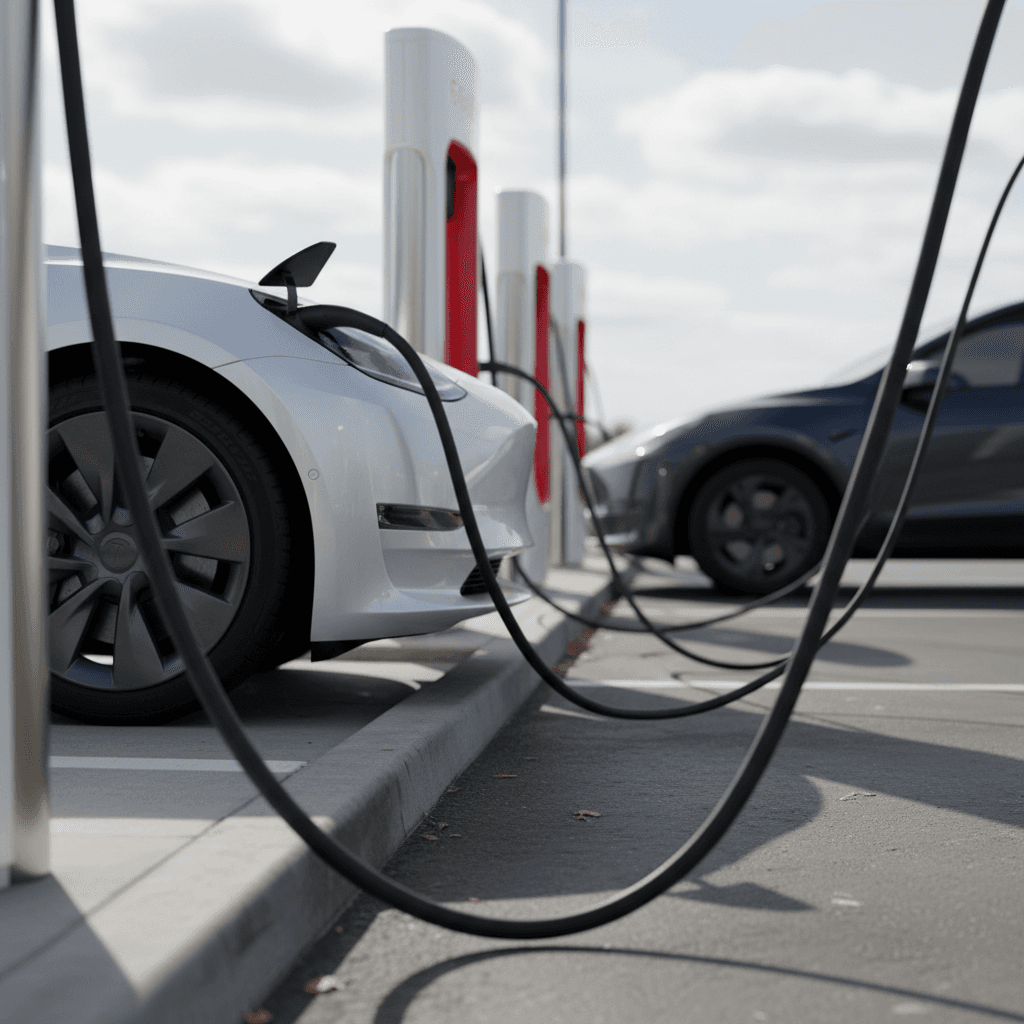
The scary headlines you see about $15,000 battery replacements are usually worst‑case scenarios, not the norm. Still, it’s smart to understand where Teslas can get truly expensive so you can protect yourself as a buyer or owner.
High-Cost Tesla Repairs You Should Know About
These are rare, but they’re where the big numbers come from.
High‑Voltage Battery
Most Tesla packs are covered by an 8‑year / 100,000–150,000‑mile battery warranty depending on model. Within that window, genuine failures are usually covered.
Out of warranty, a full battery pack replacement can still run well into the five figures, though prices have been trending down as cell costs fall and remanufactured packs become more common.
Drive Unit / Motor
Tesla’s electric motors are generally very durable, but a failed drive unit out of warranty can cost $3,000–$7,000+ depending on model and whether a remanufactured unit is used.
Again, these failures are relatively rare compared with major engine or transmission issues in aging gas cars.
Structural Body Damage
Major impacts to the front or rear structures, or side hits that disturb the battery enclosure, can get expensive quickly.
Repairs often require a certified body shop, specialized equipment, and careful checks to maintain crash performance and protect the battery pack.
Never compromise on high‑voltage safety
How Insurance Affects What You Pay for Tesla Repairs
Another reason people assume Tesla repairs are expensive: insurance premiums. Insurers know that parts and collision repairs on modern EVs can be costlier than on a basic gas sedan, and they price policies accordingly.
- For many drivers in 2025, insuring a Model 3 or Model Y still runs about 15–20% higher than a comparable gas sedan or crossover.
- Insurers point to expensive collision repairs, aluminum body parts, and complex electronics as key cost drivers.
- Tesla now sells its own insurance in some states, often priced competitively if you have a strong safety‑score driving profile.
- Higher insurance is effectively a “repair cost” spread out across your monthly premiums, especially for crash damage.
Shop insurance as carefully as you shop the car
Are Repairs More Expensive on a Used Tesla?
With used EV prices down sharply since 2024, a pre‑owned Tesla can look like a bargain. But how does that play with repair costs?
Used Tesla Repairs: Pros and Cons
Why buying used can be a deal, and when to slow down and check the numbers.
Where used Teslas shine
- Much lower purchase price than new, sometimes 30%+ off original MSRP.
- Battery and drive‑unit warranties often still active on 3–6‑year‑old cars.
- Most early bugs and recalls have already been addressed under warranty.
- Plenty of independent shops now have Tesla experience, which helps keep routine repairs affordable.
Where to be cautious
- Out‑of‑warranty cars can face higher costs if a big component fails.
- Hidden collision damage or poor repairs can drive future body‑shop bills higher.
- Fast‑charged or heavily‑used batteries may have more degradation, which affects long‑term range and value.
- Some older models may lack parts availability or have higher infotainment repair costs.
How Recharged helps with used Tesla risk
7 Ways to Keep Tesla Repair Costs Down
Practical steps any Tesla owner can take
1. Start with the right car
If you’re shopping used, prioritize a clean history (no major accidents), documented service, and a strong battery health report. Platforms like <strong>Recharged</strong> do a lot of this homework for you with detailed inspections and diagnostics.
2. Know your warranty coverage
Understand what’s left on the basic warranty, battery, and drive‑unit coverage. If your car is about to age out, consider whether an extended service plan or third‑party warranty makes sense for your risk tolerance.
3. Protect the battery and charging hardware
Avoid frequent 0–100% charge cycles, limit DC fast charging when you can, and keep the car plugged in at home. That reduces the chance you’ll ever face a big‑ticket battery repair.
4. Keep tires, alignment, and suspension in shape
Teslas are quick and heavy. Stay on top of tire rotations, alignments, and suspension checks. It’s cheaper to replace tires on your terms than after an uneven wear pattern trashes a set early.
5. Fix small body damage before it spreads
Address minor scrapes, chips, and cracks early. A small chip in a windshield with cameras can become a full replacement; a small rust spot around a repair can spread if ignored.
6. Use qualified shops, Tesla or independent
For high‑voltage or structural work, stick with Tesla Service or a certified EV shop. For simpler jobs like tires, brakes, and some suspension work, reputable independents can save you money without sacrificing quality.
7. Let software work for you
Pay attention to alerts in the Tesla app and on the screen. Catching a weak 12‑volt battery or sensor issue early is almost always cheaper than waiting until it fails completely.
When a Tesla Still Makes Financial Sense
By now, you’ve seen a pattern: while some individual Tesla repairs can be expensive, the overall cost to own, maintenance plus fuel, often comes out lower than a comparable gas car over several years. Lower scheduled maintenance, fewer moving parts, and cheaper electricity usually offset higher insurance and the risk of a pricey repair.
When a Tesla is financially smart
- You drive at least 10,000–15,000 miles per year, so fuel and maintenance savings really stack up.
- You can charge at home at reasonable electricity rates rather than relying on DC fast charging.
- You choose a car with good battery health and a clean history.
- You’re comfortable budgeting for higher insurance and the possibility of an occasional four‑figure repair.
When to think twice
- You drive very few miles per year, fuel savings won’t offset higher upfront cost.
- You can’t charge at home and will rely mostly on public fast charging.
- Your budget can’t absorb a major out‑of‑warranty repair, even if it’s unlikely.
- You’re looking at a high‑mileage Tesla with questionable maintenance or accident history.
Used Tesla plus verified battery health = sweet spot
Ready to find your next EV?
Browse VehiclesFAQ: Are Tesla Repairs Expensive?
Frequently Asked Questions About Tesla Repair Costs
So, are Tesla repairs expensive? They can be, but usually only when you’re dealing with collision damage or rare major component failures. For most owners, the lower day‑to‑day maintenance and fueling costs more than offset those risks. If you choose the right car, understand the warranties, and take a proactive approach to battery health and routine care, a Tesla, especially a well‑vetted used one, can be one of the most cost‑effective vehicles you’ll own.