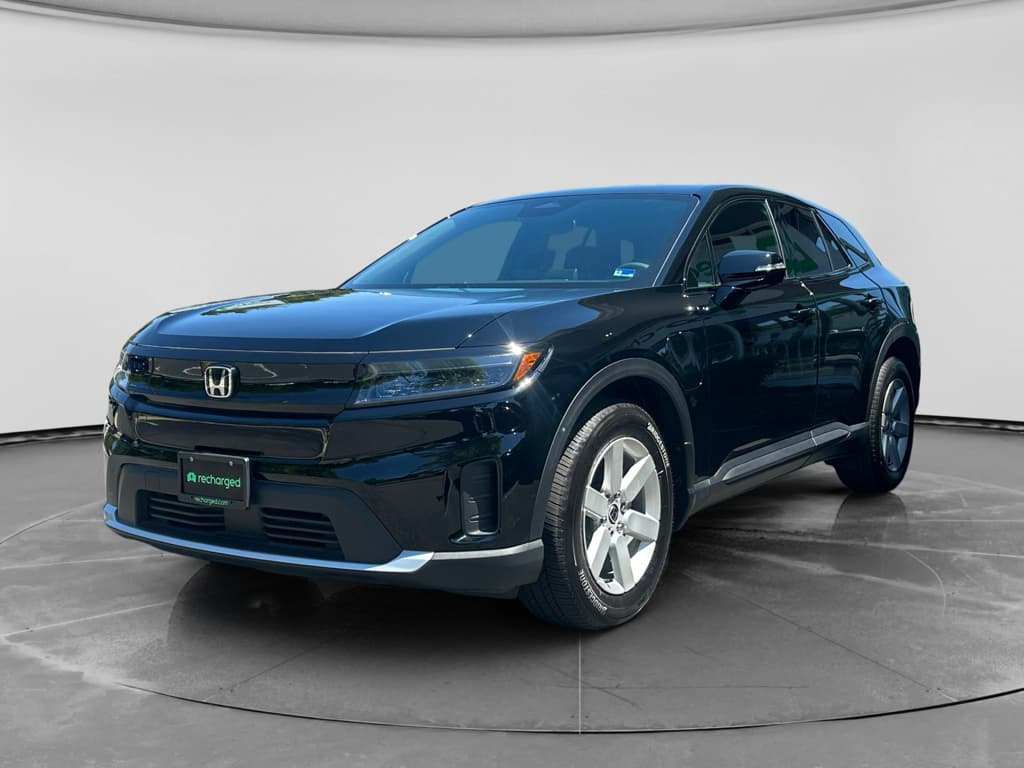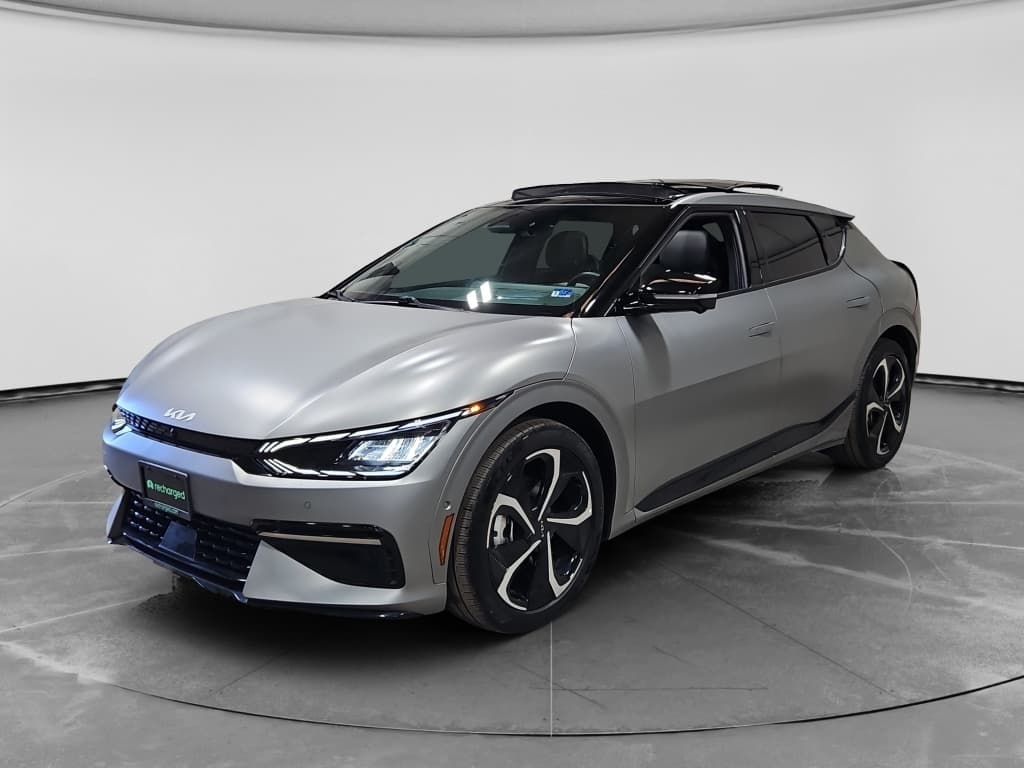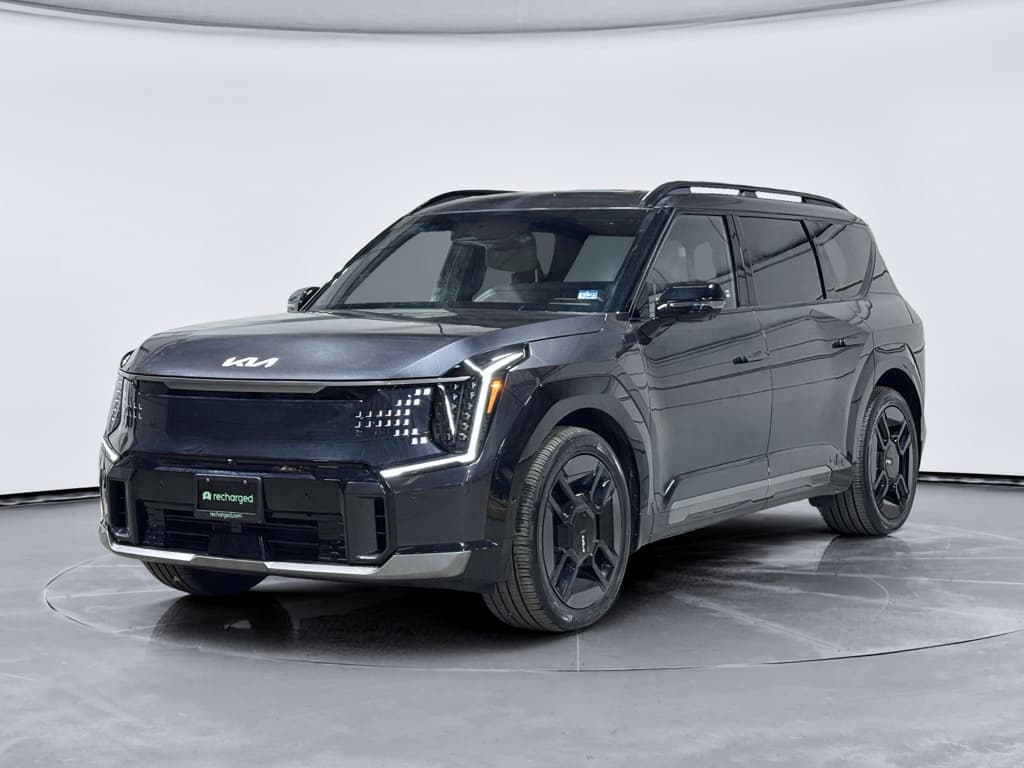
Are EVs safe? If you’ve scrolled past footage of an electric car fire, or worried about what happens to a big battery in a crash, you’re not alone. The reality in 2025 is that modern EVs are at least as safe as comparable gas cars on most measures, and genuinely safer on a few, while introducing some new risks you should understand.
Big picture
EV safety at a glance
EV safety snapshot for 2025
Safety vs. cost
Crash safety: how EVs protect you
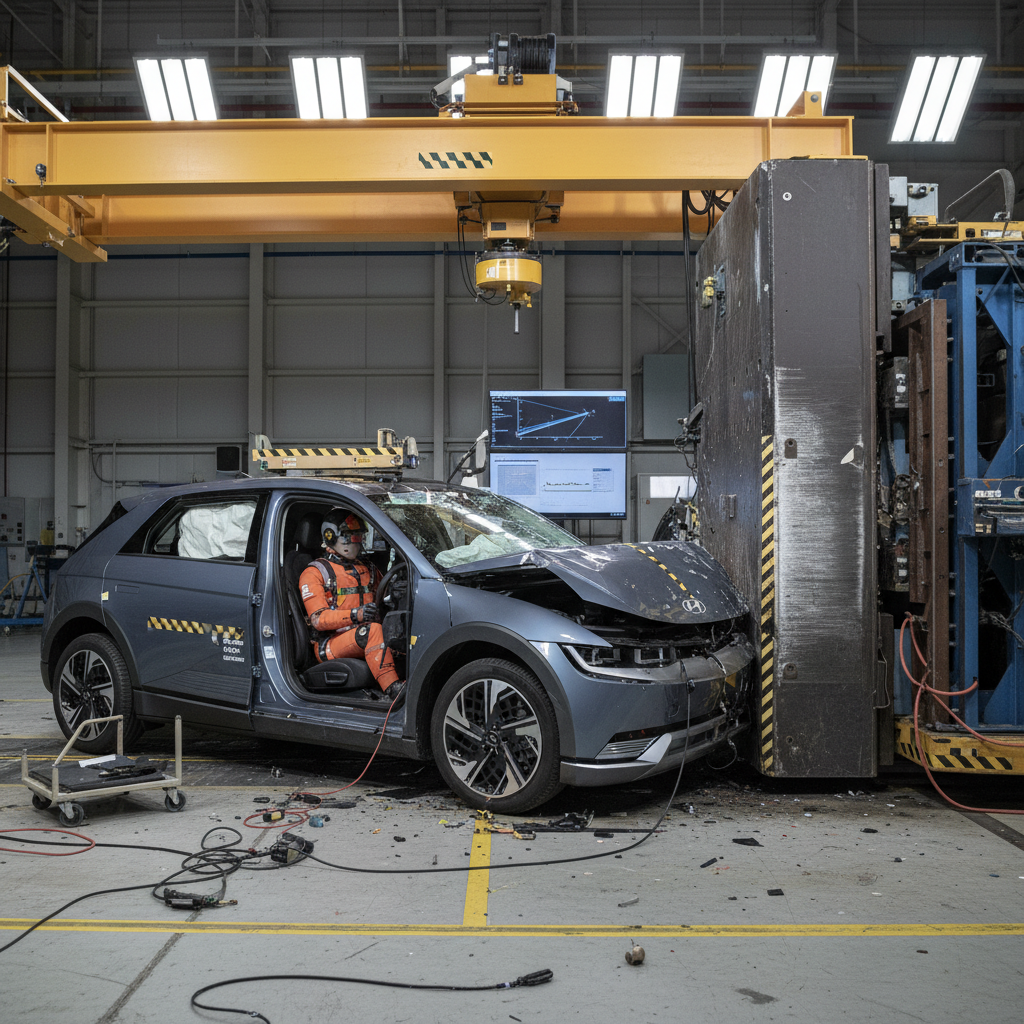
From the outside, an electric SUV and a gas SUV may look nearly identical in a crash test video. Under the skin, though, the structure is different. Most modern EVs use a “skateboard” battery pack mounted low in the chassis, with heavy use of high‑strength steel and aluminum to protect that pack and create strong crash structures around the cabin.
- A heavy battery pack lowers the car’s center of gravity, which helps resist rollovers and can improve stability in sudden maneuvers.
- EVs typically have large front and rear crumple zones because there’s no bulky engine block up front, allowing engineers to tune how the car absorbs energy in a crash.
- Because the floor is full of battery, side structures are heavily reinforced to prevent intrusion into the pack and passenger compartment.
Independent groups like the Insurance Institute for Highway Safety (IIHS) have awarded many EVs their top crash ratings. When you look up ratings for vehicles like the Tesla Model Y, Hyundai Ioniq 5, Kia EV6, and others, you’ll find they generally perform on par with or better than comparable gas models in front, side, and rollover tests.
EV structural advantages
- Low center of gravity thanks to the battery in the floor reduces rollover risk.
- Reinforced battery tunnels add stiffness and protect occupants in side impacts.
- No engine block to intrude into the cabin in some front crashes.
Shared safety tech
- EVs and gas cars share modern airbags, seatbelt pre‑tensioners, and crumple‑zone design.
- Most new EVs come standard with advanced driver‑assistance systems (ADAS) like automatic emergency braking and lane keeping.
- Federal crash standards apply equally to both powertrains.
What this means for you
Fire risk: are EVs more likely to catch fire?
This is the question that keeps a lot of people up at night. Lithium‑ion batteries are new territory for many drivers, and every viral video of an EV fire sticks in your brain. But when researchers stack the numbers, EVs are statistically less likely to catch fire than gasoline cars on a per‑vehicle basis.
- Recent analyses of global and US data put EV fire rates around 25–100 incidents per 100,000 vehicles in a year.
- Comparable data for gas cars routinely show well over 1,000 fires per 100,000 vehicles annually in many markets.
- Countries with high EV adoption, like Norway and Sweden, consistently report far more fires in gasoline and diesel vehicles than in EVs.
So why do EV fires look so scary?
Automakers and suppliers design EV packs to meet stringent safety standards like UN ECE R100/R136 and UL 2580, which involve brutal tests: crushing, puncturing, vibration, thermal shock, over‑charge, short‑circuit, and even direct flame exposure. The goal is that the pack either survives or fails in a controlled way, buying you time to exit the vehicle.

Real talk on recalls
Battery safety and longevity
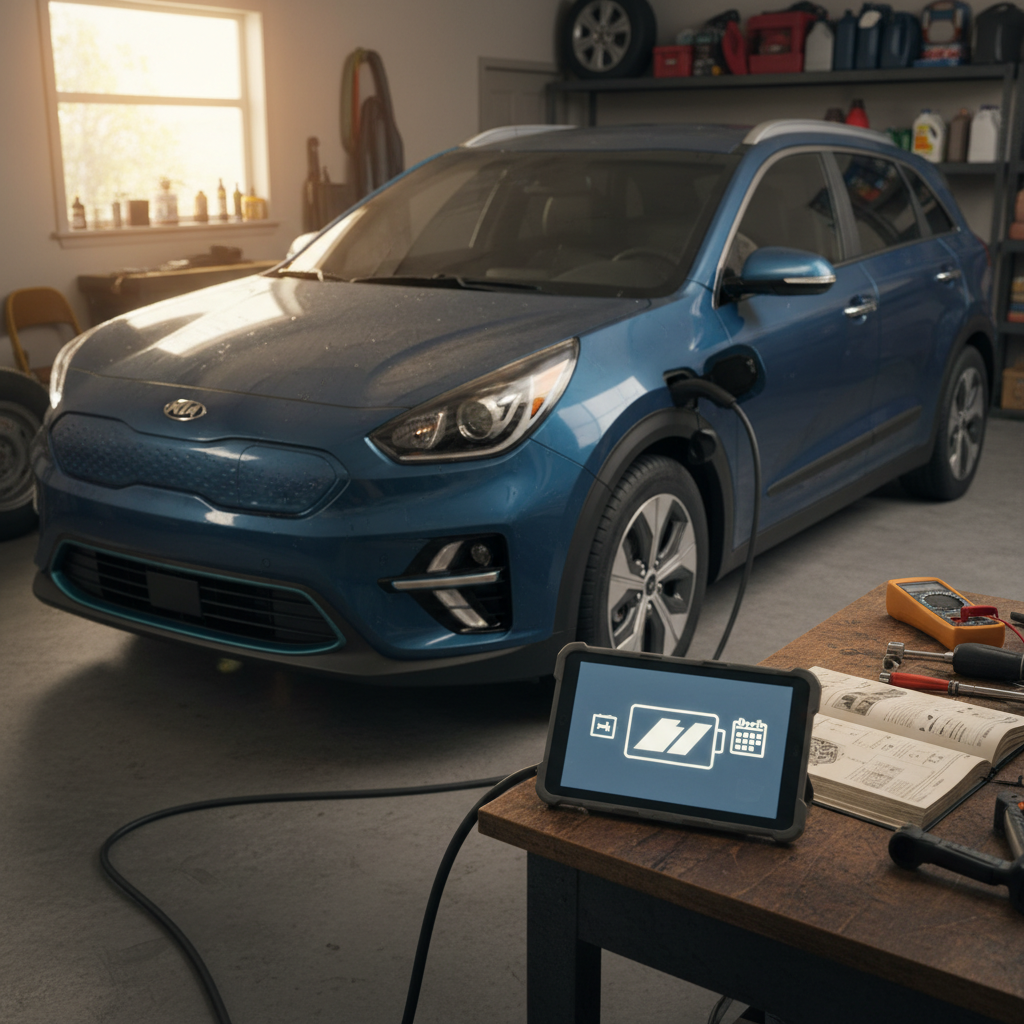
A traction battery pack has two jobs: move the car and keep you safe while doing it for many years. Modern EV packs are built as sealed structural components, often integrated into the car’s floor. They’re managed by a battery‑management system (BMS) that monitors temperature, voltage, and current down to the individual cell group.
- Most automakers keep a buffer at the top and bottom of the battery’s usable capacity so you can’t routinely over‑charge or over‑discharge the pack.
- Liquid cooling keeps cells in a healthy temperature window during fast charging or high‑speed driving.
- The BMS will slow charging or limit power if it senses conditions that could damage the pack or create unsafe temperatures.
Over time, all batteries lose some capacity. That’s largely a range and value question, not a safety one, as long as the pack remains intact and its management system is healthy. When you’re shopping for a used EV, you want to know both: how much range is left and whether the pack has ever been overheated, physically damaged, or poorly repaired.
How Recharged helps here
Pedestrian and “quiet car” safety
EVs are quiet, especially at low speeds. That’s delightful in a parking garage and a real problem for people walking or using mobility aids who rely on hearing a car coming. Regulators anticipated this years ago and created specific rules for electric and hybrid vehicles.
In the US, all new EVs must emit an artificial pedestrian warning sound at lower speeds, typically below about 19 mph, so people can detect that a vehicle is starting, stopping, or backing up. Similar rules exist in Europe and other regions. When automakers have shipped EVs that were too quiet or had mis‑calibrated warning sounds, they’ve been forced to recall and update them.
Your role as a driver
Crash rates, driver behavior, and instant torque
Crash severity and crash likelihood are different questions. Structurally, EVs protect occupants well once a crash happens. But how often do they end up in a crash in the first place?
Recent insurance and academic analyses have found that some EV models show slightly higher at‑fault crash claim rates than the average gas car. The likely culprit isn’t the battery, it’s the way EVs drive. Instant torque means even a modest electric hatchback can feel like a rocket if you’re used to a slushy automatic transmission.
Why some EVs show higher crash rates
It’s mostly about humans, not hardware
Instant torque
Quick 0–60 times
Distraction & novelty
How to keep the fun, lose the risk
Software, ADAS, and over-the-air updates
EVs tend to sit at the bleeding edge of software and driver‑assist technology. That cuts both ways. On the plus side, features like automatic emergency braking, lane‑keeping assistance, blind‑spot monitoring, and adaptive cruise control are widely available, and in some cases standard, on new EVs. Some brands, notably Tesla and others, offer advanced hands‑on driver‑assistance systems that can reduce certain kinds of crashes when used correctly.
On the downside, more software means more that can go wrong. Glitches can affect anything from infotainment to backup cameras and, in rare cases, safety‑critical systems. The good news is that most EVs support over‑the‑air (OTA) updates, so automakers can patch bugs, improve energy management, and even adjust safety features without a dealership visit.
Updates are part of EV safety
Are used EVs safe?
A used EV can be every bit as safe as a new one, or it can carry hidden baggage. The same things that make EVs robust in a crash also make them expensive to repair. That’s why some insurers are quicker to declare a damaged EV a total loss. In other cases, a car might be repaired, but not always with the factory’s recommended procedures or parts.
Main safety questions with a used EV
- Battery integrity: Has the pack ever been damaged, opened, or exposed to flood water?
- Structural repairs: Were previous crash repairs done at an EV‑certified shop that understands high‑voltage systems?
- Software & recalls: Are all safety‑critical updates and recalls complete?
Good news for second owners
- Battery packs are proving more durable than many early skeptics predicted.
- Most major EVs have strong crash‑test records that carry over as long as repairs are done correctly.
- Many software and charging‑curve improvements arrive late in a car’s life via updates, not just on brand‑new models.
How Recharged de‑risks used EVs
Ready to find your next EV?
Browse VehiclesHow to check an EV’s safety before you buy
Pre‑purchase EV safety checklist
1. Look up crash-test and safety ratings
Check IIHS and NHTSA ratings for the exact model and year you’re considering. Aim for top marks in frontal, side, and rollover tests, plus good headlight and crash‑avoidance scores where available.
2. Review standard and optional ADAS
Confirm which driver‑assist features are included on the specific trim, automatic emergency braking, lane keeping, blind‑spot monitoring, and rear cross‑traffic alert are high‑value safety adds.
3. Run a VIN history and recall check
Use a vehicle‑history service and the NHTSA recall lookup to see prior accidents, title status, and whether all safety recalls and campaigns are complete.
4. Inspect for structural and battery damage
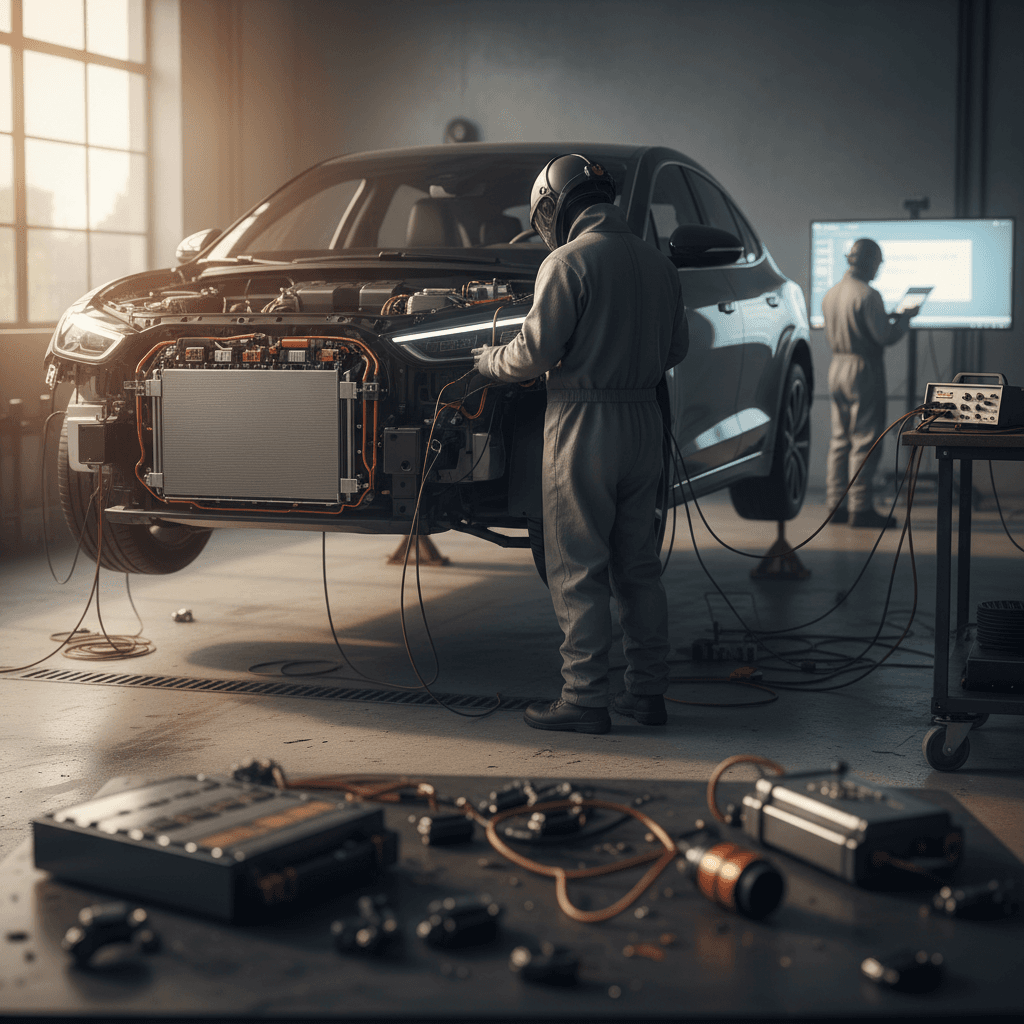
Have a trusted shop with EV experience put the car on a lift. Look for signs of underbody impacts near the battery, bent structural members, or mismatched paint that might suggest major collision repair.
5. Verify battery health and charging behavior
Ask for a recent battery health report or have one performed. On a test drive, note whether the car charges and discharges normally without unusual warnings, overheating, or sudden drops in range.
6. Confirm software and OTA update status
In the infotainment menus, check that the vehicle is on current software (or close) and that it’s capable of receiving updates, ideally over the air, not just at a dealer.
Leaning toward a used EV?
FAQ: are EVs safe?
Frequently asked questions about EV safety
The bottom line: are EVs safe?
When you strip away the headlines and look at the evidence, EVs are fundamentally safe vehicles. They’re engineered to withstand brutal crash and battery tests, their real‑world fire rates are lower than those of gasoline cars, and their standard driver‑assistance tech is often a step ahead of what you’ll find in equivalent gas models.
The trade‑offs are different, not necessarily worse. Repairs can be pricier, software plays a bigger role, and instant torque rewards smooth, thoughtful driving. If you factor those realities into your choice, and shop with good information about crash ratings, recalls, and battery health, you can drive an EV with confidence.
If you’re exploring a used EV, Recharged is built to make that process safer and simpler: verified battery diagnostics, transparent pricing, EV‑savvy support, and nationwide delivery from your couch. That frees you up to focus on what really matters: picking the electric car that fits your life, your budget, and your comfort level on safety.