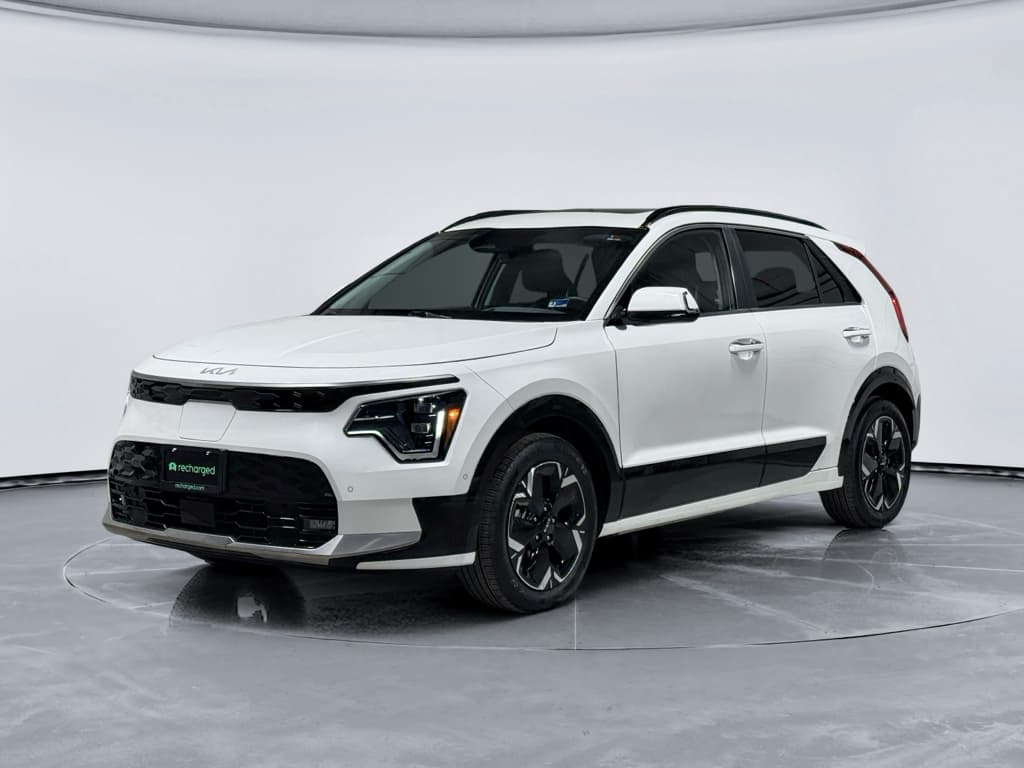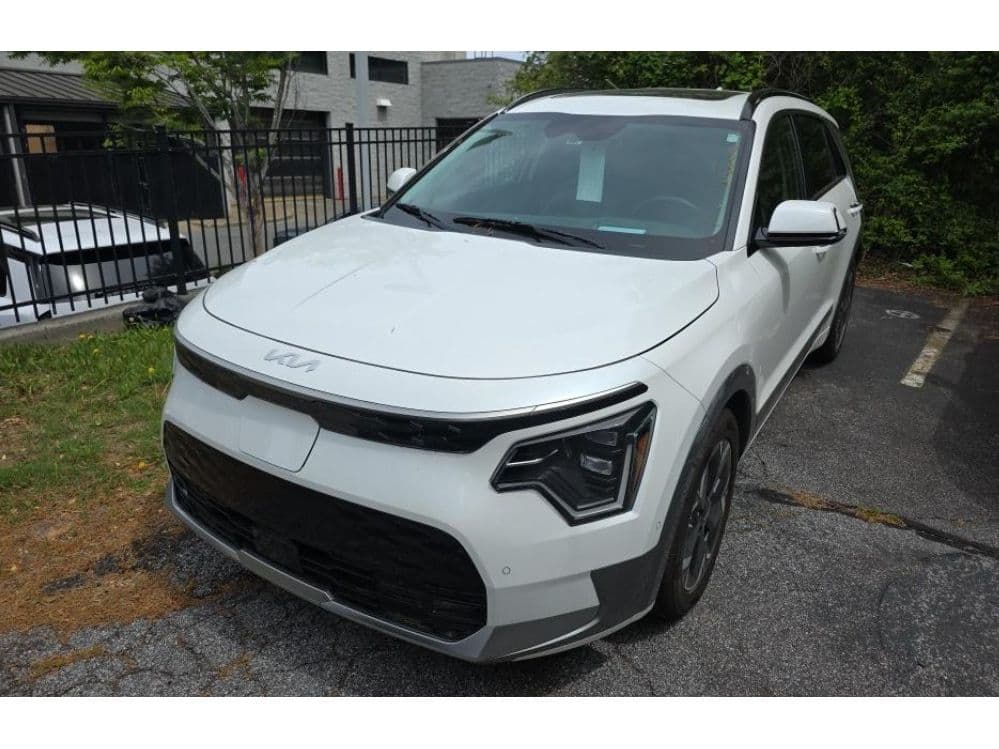
If you’re looking at a **2023 Kia Niro EV**, you’re probably drawn to its efficiency, usable 253‑mile EPA range and compact crossover footprint. The big question in 2026 is whether this second‑generation Niro EV has the reliability to match its spec sheet, especially if you’re considering one used.
Quick reliability verdict
2023 Kia Niro EV reliability at a glance
2023 Niro EV reliability snapshot (as of 2026)
Those numbers tell a mixed story. On paper, the 2023 Niro EV gives you a very efficient battery pack backed by a long warranty, with mainstream‑brand reliability that’s neither a home run nor a red flag. The real nuance is in the **types of problems** owners are reporting, and how costly they are if you’re out of warranty.
How reliable is the 2023 Kia Niro EV overall?
Big‑picture data points to **solid but not bulletproof** reliability for the 2023 Niro EV. Consumer survey data for the 2023 Niro line rates overall reliability as *about average*, with trouble spots clustered around in‑car electronics and climate systems rather than the powertrain or battery. J.D. Power scores the 2023 Niro family in the mid‑70s out of 100 for quality and reliability, respectable, but a notch below Kia’s best‑performing models.
- Powertrain and high‑voltage battery: generally strong, few failures reported so far
- Charging hardware: mostly trouble‑free, with DC fast‑charging speeds around 85 kW performing as advertised
- Body, interior and electronics: source of most owner complaints, rattles, lighting glitches, infotainment bugs, and a handful of cooling and HVAC issues
What this means if you’re buying used
Common 2023 Kia Niro EV problems showing up
Three years into the model’s life cycle, a pattern is emerging. The 2023 Niro EV doesn’t have one fatal flaw, but a handful of recurring complaints are worth knowing about before you sign paperwork.
Most frequently reported 2023 Niro EV issues
What owners and techs are actually seeing in the field
In‑car electronics & ambient lighting
Owners of 2023 Niro Hybrid, PHEV and EV models have reported:
- Ambient interior lighting suddenly shutting off and disappearing from the settings menu
- Digital instrument cluster glitches or going dark on rare occasions
- Infotainment freezes and Bluetooth dropouts
These issues are annoying more than dangerous, but they can require dealer visits and software updates.
Interior rattles & trim noises
Some 2023 Niro EV drivers complain about:
- Persistent rattles from the rear roof area or hatch
- Loose spoiler bolts causing noises over bumps
- General squeaks in the cargo area
Tracking down the exact source can take multiple trips, and fixes range from tightening hardware to adding insulation.
Climate control quirks
A portion of owners report:
- Sudden blasts of cold air in winter even when the cabin is set to warm
- Intermittent whining or leaf‑in‑the‑blower type noises from the HVAC system
- Occasional sensor or software‑related warnings
Most of this is resolved under warranty via software updates or component replacement.
Coolant leaks and thermal system issues
A small but noteworthy number of Niro EV owners have seen:
- Coolant warning lights and visible coolant spray under the hood
- Repeated low‑coolant messages despite top‑offs
- Repairs involving hoses, clamps, coolant tank and sometimes the pressure cap
Because the cooling loop serves the battery and power electronics, this is one area to take seriously.
Add to that the usual modern‑car suspects, occasional 12‑volt battery failures, tire pressure monitor warnings, and a smattering of random error messages. The key thing to understand is that, so far, **most 2023 Niro EV problems are fixable under warranty** rather than permanent design defects, but you do want proof they were addressed.
Don’t ignore warning lights
Battery life, range and degradation
The heart of any EV reliability discussion is the battery. The 2023 Niro EV carries a 64.8‑kWh lithium‑ion pack and a single 201‑hp motor driving the front wheels. Official EPA range is **253 miles**, and independent range tests have actually beaten that number, hitting around 280 miles in favorable conditions.
- Real‑world owners with 20,000–40,000 miles generally report **minimal range loss**, often still seeing 230–250 miles on a full charge in mild weather.
- The pack uses active liquid cooling, which helps control degradation over hot summers and fast‑charging sessions.
- DC fast‑charging tops out around 85 kW, modest by today’s standards, but easier on the pack than 200+ kW peak systems.
Battery reliability outlook
How to treat the battery well
- Keep daily charging between 20% and 80% for routine commuting when possible.
- Avoid parking at 100% in extreme heat for long periods.
- Use DC fast charging when you need it, but lean on Level 2 at home for most charging.
- Stick to the recommended service schedule so any software updates or recalls get applied.
Battery checks when buying used
- Compare the car’s indicated full‑charge range to the EPA 253‑mile rating in similar weather.
- Review any dealer printouts or app data showing battery health, if available.
- During a test drive, monitor how quickly the state of charge drops under normal driving.
- If possible, have an independent EV specialist scan the pack for module imbalances.
Warranty coverage, recalls and what they really mean
Kia leans heavily on its warranty story, and for a 2023 Niro EV shopper that’s a real advantage. New, the car came with a **5‑year/60,000‑mile basic warranty** and a **10‑year/100,000‑mile powertrain and EV‑battery warranty** (time and mileage limits may vary slightly by region). In 2026, many 2023s are still early in that lifecycle.
Key 2023 Kia Niro EV warranty components
What’s typically covered when you’re buying a 3‑year‑old Niro EV
| Component | Typical Coverage* | What It Includes | What It Doesn’t |
|---|---|---|---|
| Basic bumper‑to‑bumper | 5 years / 60,000 miles | Most electronics, interior trim, infotainment, non‑wear items | Tires, brake pads, wiper blades, damage from accidents |
| Powertrain & EV system | 10 years / 100,000 miles | Motor, reduction gear, high‑voltage wiring, many cooling components | Routine wear, abuse, modifications |
| High‑voltage battery | 10 years / 100,000 miles | Defects in materials/workmanship, excessive capacity loss (per Kia policy) | Normal minor degradation over time |
| Roadside assistance | 5 years / 60,000 miles | Towing to Kia dealer, jump‑starts, flat tire help | Trip interruption coverage varies by program |
Always confirm warranty transfer terms and in‑service date on the specific VIN.
The 2023 Niro lineup has multiple **NHTSA recalls**, some of which touch EV models. Most involve software updates or specific components in safety systems. Recalls are fixed free of charge, but you’ll want confirmation that any open campaigns have been completed, especially if previous owners weren’t diligent.
How to check recalls on a 2023 Niro EV
Ownership experience and long‑term costs
Day to day, Niro EV owners tend to praise the car’s **efficiency, easy manners and compact size**. The pain points usually show up when something does go wrong: not in the parts bill, but in **dealer service quality and EV expertise**, which varies widely by region.
- Low routine maintenance: No oil changes, fewer fluids, less brake wear thanks to strong regen.
- Reasonable tire costs: It uses mainstream tire sizes, though heavier EV weight means you’ll want good‑quality rubber.
- Potential downtime: If you land on a coolant issue, structural rattle or complex electrical problem, repairs can involve multiple visits and extended waiting for parts.
- Depreciation: Like most compact EVs, the Niro EV has depreciated faster than comparable hybrids, good news if you’re buying used, less great if you’re the original owner.
Where Recharged fits in
Buying a used 2023 Kia Niro EV: inspection checklist
If you’re looking at a 2023 Niro EV on the used market, you’re shopping at the sweet spot where **depreciation has already hit**, but warranty coverage is still strong. The key is picking a car that hasn’t been abused or used as a test bed for repeated repairs.
Pre‑purchase checks for a 2023 Niro EV
1. Verify battery health and range
On a full or near‑full charge, confirm the indicated range is reasonably close to 253 miles in mild temperatures. Ask for any service records or third‑party battery health reports. A <strong>Recharged Score</strong> report can give you data beyond what the dash shows.
2. Scan for warning lights and messages
Turn the car on and look for any persistent warnings, especially "Check EV system," coolant alerts, or ADAS (lane keeping, forward safety) failures. Take screenshots or photos if anything appears, and don’t ignore intermittent behavior.
3. Listen for rattles and drivetrain noises
On a quiet road, drive over bumps and at highway speeds. Listen for rattles from the rear roof/hatch, and for any grinding, ticking or "wheel of fortune" sounds from the front end that could indicate reduction‑gear issues.
4. Test climate control in multiple modes
With the car warmed up, cycle through heating, cooling, defrost and synced rear vents. Watch for sudden blasts of cold air when heat is requested, odd hissing or whining, or weak defogging performance, these can hint at HVAC or coolant‑loop problems.
5. Check ambient lighting and infotainment
At dusk or in a garage, verify that ambient interior lights work and that the settings menu lets you adjust color and brightness. Pair your phone, stream audio and use navigation to check for freezes, reboots or Bluetooth drops.
6. Review recall and service history
Ask for a full service printout from a Kia dealer showing completed recalls, software updates and any major repairs. A car with documented, successful fixes is usually a safer bet than one with no history at all.
When to walk away
How the 2023 Niro EV’s reliability compares to rivals
In a used‑EV marketplace crowded with compact crossovers and hatchbacks, the 2023 Niro EV sits in the **middle of the reliability pack**. It avoids the widespread battery defects that have hit a few early‑generation EVs, but it also doesn’t reach the near‑appliance dependability reputation of something like a Toyota hybrid.
2023 Niro EV reliability versus key alternatives
High‑level reliability comparison for shoppers cross‑shopping used EVs in 2026
| Model | Reliability picture | Biggest strengths | Common complaints |
|---|---|---|---|
| 2023 Kia Niro EV | Average to slightly above‑average so far | Efficient, strong warranty, compact footprint | Electronics glitches, rattles, a few coolant/HVAC issues |
| Chevy Bolt EUV | Generally solid after earlier recall pack replacements | Excellent efficiency, simple drivetrain | Brand exit from EVs, charging speed, interior quality |
| Hyundai Kona Electric (2nd gen) | Similar to Niro; shares some components | Range, value, warranty | Ride quality, some electronics and noise issues |
| Volkswagen ID.4 (early U.S. builds) | Mixed, depends on build location and year | Space, comfort | Infotainment bugs, early‑build quality issues |
| Tesla Model Y (RWD / Long Range) | Drivetrain robust, build quality variable | Supercharger access, strong range | Panel gaps, interior squeaks, service delays in some areas |
Ratings are directional, based on owner reports, brand history and survey data.
Where the Niro EV shines
FAQ: 2023 Kia Niro EV reliability questions
Frequently asked questions about 2023 Niro EV reliability
The bottom line on 2023 Kia Niro EV reliability is straightforward: the fundamentals are sound, the battery and motor are holding up well, and the problems that do surface tend to involve electronics, trim and climate components rather than core EV hardware. If you go in with clear expectations, verify recall and service history, and lean on tools like a Recharged Score battery report, a 2023 Niro EV can be a smart, efficient addition to your driveway, and a relatively low‑drama way to go electric.