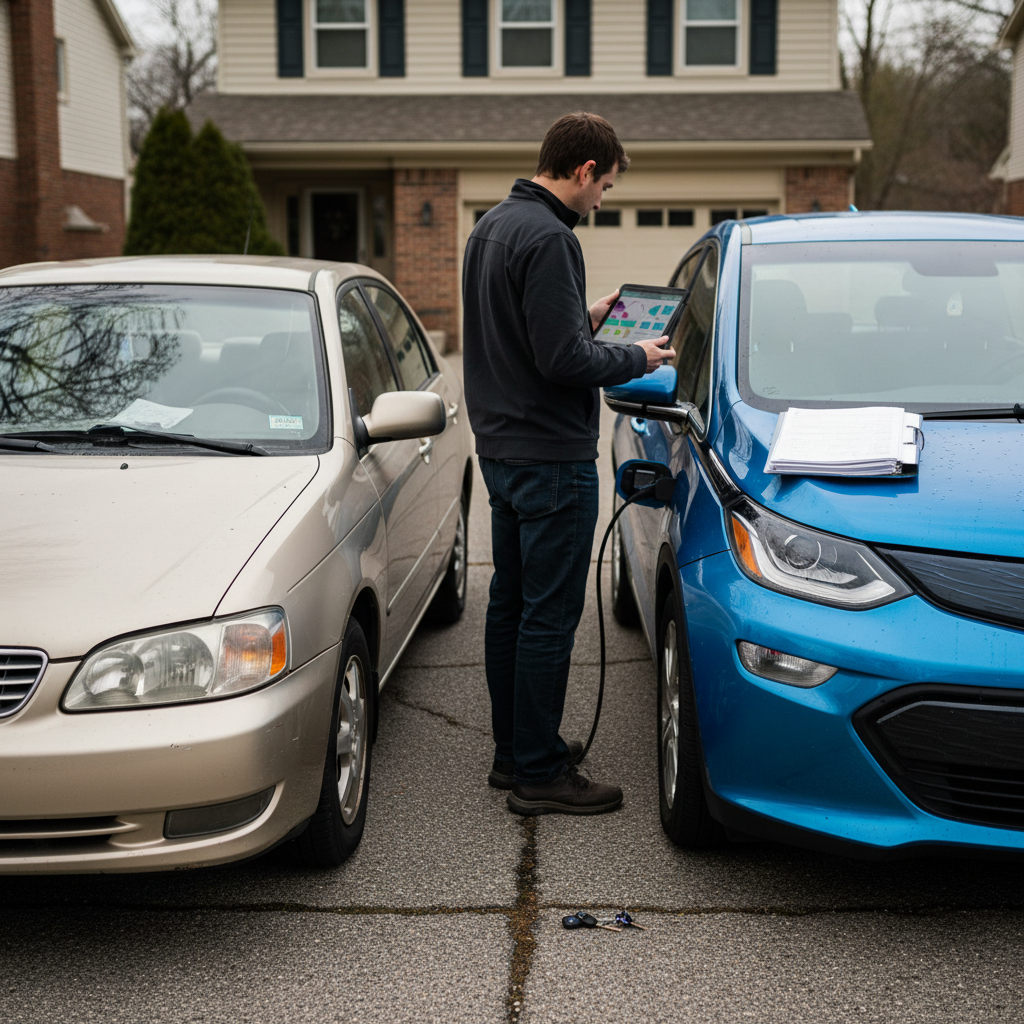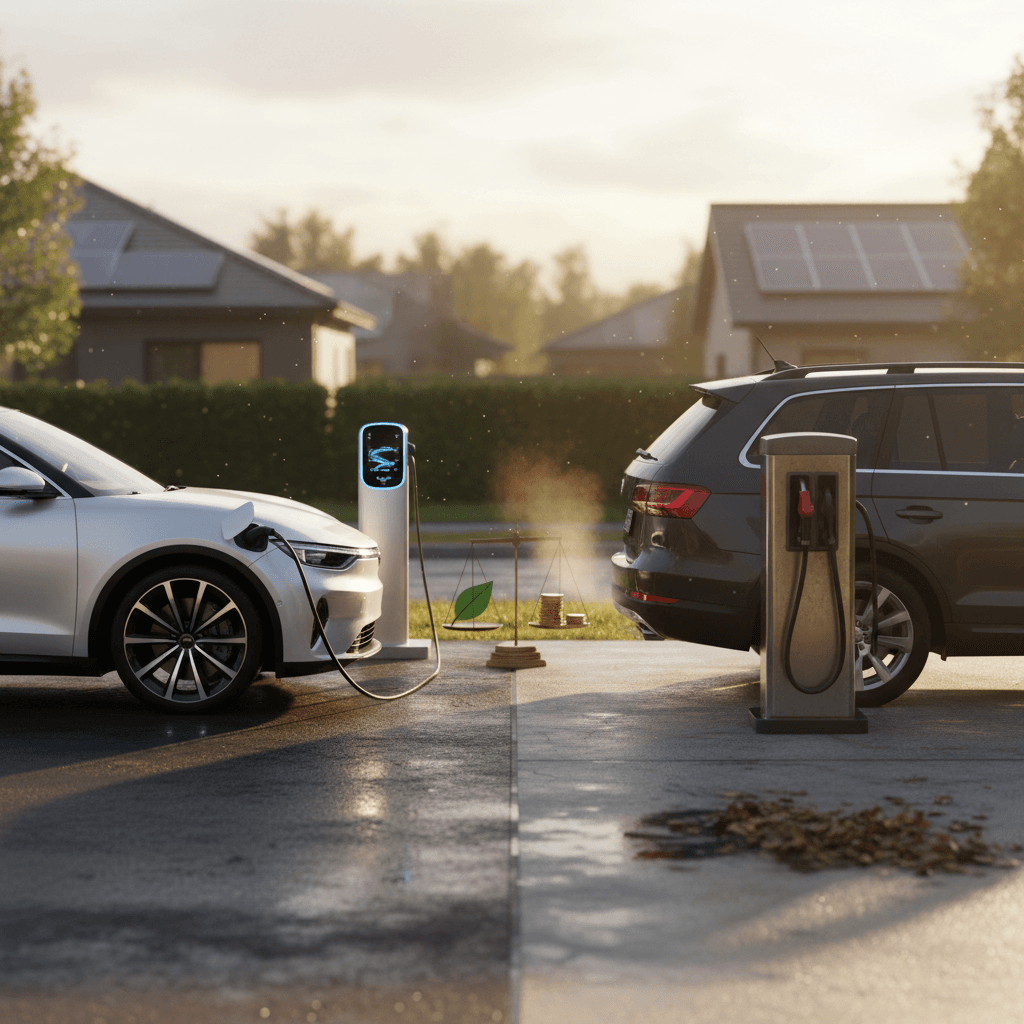
You’re hearing two completely different stories right now. One side says electric vehicles are the future; the other says they’re overpriced, inconvenient science projects. If you’re asking yourself, “are electric vehicles worth it?” you’re really asking a more precise question: are they worth it for me, in my life, at today’s prices? This guide answers that with numbers, not hype.
Short answer
Should you even be considering an EV?
Start with intent. Most shoppers considering an EV fall into one of three camps:
- Money-saver: You want lower total ownership cost over 5–10 years.
- Convenience-seeker: You’d love to stop visiting gas stations and just plug in at home.
- Values-driven: You care about cutting emissions and like the tech-forward feel.
EVs are already a solid win on emissions: recent research shows they overcome the extra emissions from battery manufacturing within about the first two years of driving and end up causing roughly half the lifetime environmental damage of a comparable gas car. Over the long haul, they’re cleaner almost everywhere in the U.S. grid mix.
Where things get nuanced is money and practicality, purchase price, charging access, resale value, and how many miles you actually drive. Let’s start with the painful part: the sticker.
How much more do EVs cost upfront?
EV vs gas: the purchase price gap
The average new EV in the U.S. still stickers higher than the average gas car, think mid‑$50Ks versus high‑$40Ks, depending on segment. In some classes (small SUVs, compact crossovers), the gap can be even wider. In other words, if you care only about the monthly payment today, a gas car often wins.
Federal and state incentives complicate this picture, in a good way. A point‑of‑sale federal credit of up to $7,500 now applies to many models when you lease or buy, and some states add their own rebates or HOV perks. For the right vehicle, those incentives can erase most of the sticker premium or even flip the equation in the EV’s favor.
Tip: run the deal both ways
EV vs gas: what you’ll actually spend to drive
Upfront cost is one thing; total cost of ownership is another. This is where electric vehicles quietly make their case. Even in 2025, when electricity prices have crept up in some regions, electrons are still dramatically cheaper than gasoline for most U.S. drivers.
Typical annual fuel vs charging costs (15,000 miles/year)
Illustrative national averages, your results will vary by local gas and electricity prices.
| Vehicle type | Energy price assumption | Efficiency | Cost per 100 miles | Estimated annual cost |
|---|---|---|---|---|
| Gas sedan | Gas $3.50/gal | 30 mpg | $11.67 | ≈ $1,750/year |
| Gas SUV | Gas $3.50/gal | 25 mpg | $14.00 | ≈ $2,100/year |
| EV (efficient) | $0.15/kWh | 3.5 mi/kWh | $4.29 | ≈ $645/year |
| EV (less efficient) | $0.18/kWh | 3.0 mi/kWh | $6.00 | ≈ $900/year |
How fueling costs compare for a mainstream gas car and an efficient EV.
You’re looking at fuel savings on the order of $900–$1,500 per year for many drivers, assuming mostly home charging. Over a five‑year span, that’s $4,500–$7,500 that doesn’t go up in smoke at the gas pump.
Public fast charging can erase your savings
Maintenance and repairs
EVs have far fewer moving parts: no oil changes, no spark plugs, no multi‑speed transmission, and far less brake wear thanks to regenerative braking. Studies put routine maintenance savings at 30–40% versus comparable gas cars, and many owners go 10,000+ miles between any shop visits at all.
Fees, insurance, and taxes
The catch: some states now levy extra registration fees on EVs to replace lost gas-tax revenue, and insurance can run about 15–20% higher due to expensive battery packs and body repairs. Those costs chip away at your fuel and maintenance advantage, especially on pricier models.
Maintenance, battery life, and repair bills
The biggest psychological hurdle with EVs isn’t what you spend to keep them running year to year, it’s the specter of a $15,000 battery replacement if things go wrong. The reality in 2025 is more nuanced and, for most drivers, considerably less scary.
What we now know about EV battery life
In plain English: the battery in a modern EV is likely to outlast the rest of the car, not the other way around. You’ll see some range fade over time, but it tends to be gradual, not catastrophic. The nightmare scenario, total battery failure out of warranty, is possible but rare, and increasingly mitigated by better chemistry and thermal management.
Where battery costs can bite you
This is exactly why Recharged leans so hard on Recharged Score battery diagnostics. Instead of guessing at pack health from mileage and age, you see measured battery condition, projected range, and how that stacks up against similar vehicles. It’s the EV equivalent of a pre‑purchase inspection that actually looks under the skin.
The elephant in the room: EV depreciation
Here’s where the EV story gets uncomfortable. Because the market is moving so fast, new models, price cuts, shifting incentives, EV values have been whiplashed in a way gas cars rarely are.
How EV depreciation compares to gas
Why “buy new and keep forever” isn’t the only strategy anymore.
Faster early drop
Analyses in 2024–2025 show many EVs losing a bigger percentage of value in the first three to five years than comparable gas cars. One study pegged average five‑year EV depreciation near 60%, versus mid‑40s for ICE. That’s a brutal hit if you buy new and sell early.
Great for used buyers
The flip side: steep depreciation on the first owner makes 3–5‑year‑old EVs relative bargains. You can often buy a used EV for 40–50% of its original MSRP while the battery still has most of its life ahead, especially if you verify pack health.
Not all EVs are equal here. Some models, especially mainstream crossovers and trucks with strong demand, hold value relatively well. Others plunge as newer tech, longer range, or deep discounts land. In 2025, one major cost‑of‑ownership study found that only 44% of EVs beat their gas equivalents over five years when depreciation is included. Translation: you can’t assume “EV = cheaper”; you have to look model by model.
A simple rule of thumb
Is a used EV worth it right now?
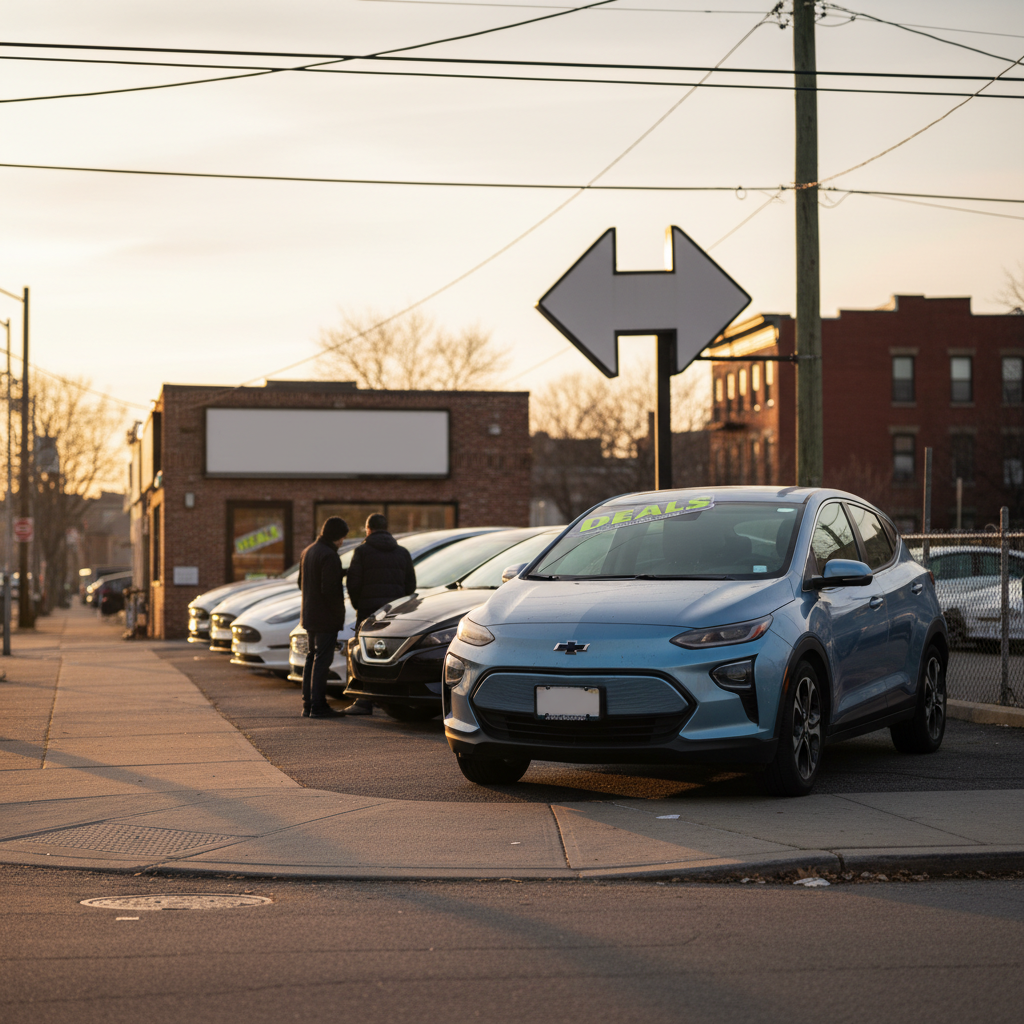
If new EV pricing feels like a bouncer at an exclusive club, the used market is where ordinary humans are finally being waved past the velvet rope. Because early adopters paid high prices and then got undercut by later discounts, you can now buy many 2–4‑year‑old EVs for surprisingly little money relative to their original MSRP.
Why used EVs can be the sweet spot
The math changes when someone else already took the depreciation hit.
Lower upfront cost
You skip the new‑car premium and still get modern safety tech and range. Many used EVs land in the low‑to‑mid $20Ks, right where compact crossovers live.
Known battery health
Thanks to tools like Recharged Score, you can see real battery condition and projected range before you buy, instead of squinting at a guess based on mileage.
Cleaner, cheaper commuting
For a suburban commuter with home charging, a used EV eliminates gas bills and most routine maintenance. Your running costs can look more like a smartphone bill than a fuel budget.
Used EV traps to avoid
Used EVs are where a marketplace like Recharged earns its keep. Every vehicle includes a Recharged Score Report with verified battery diagnostics, fair‑market pricing, and expert guidance, essentially a translator between you and the alphabet soup of kWh, SOC, and degradation curves. It turns “hope this battery is fine” into “I know what I’m buying.”
Charging: where the math breaks for some people
All the rosy spreadsheets assume one critical thing: you have easy, reliable access to charging. For many U.S. households, especially those with a driveway or garage, that’s true. For others, it’s the deal‑breaker.
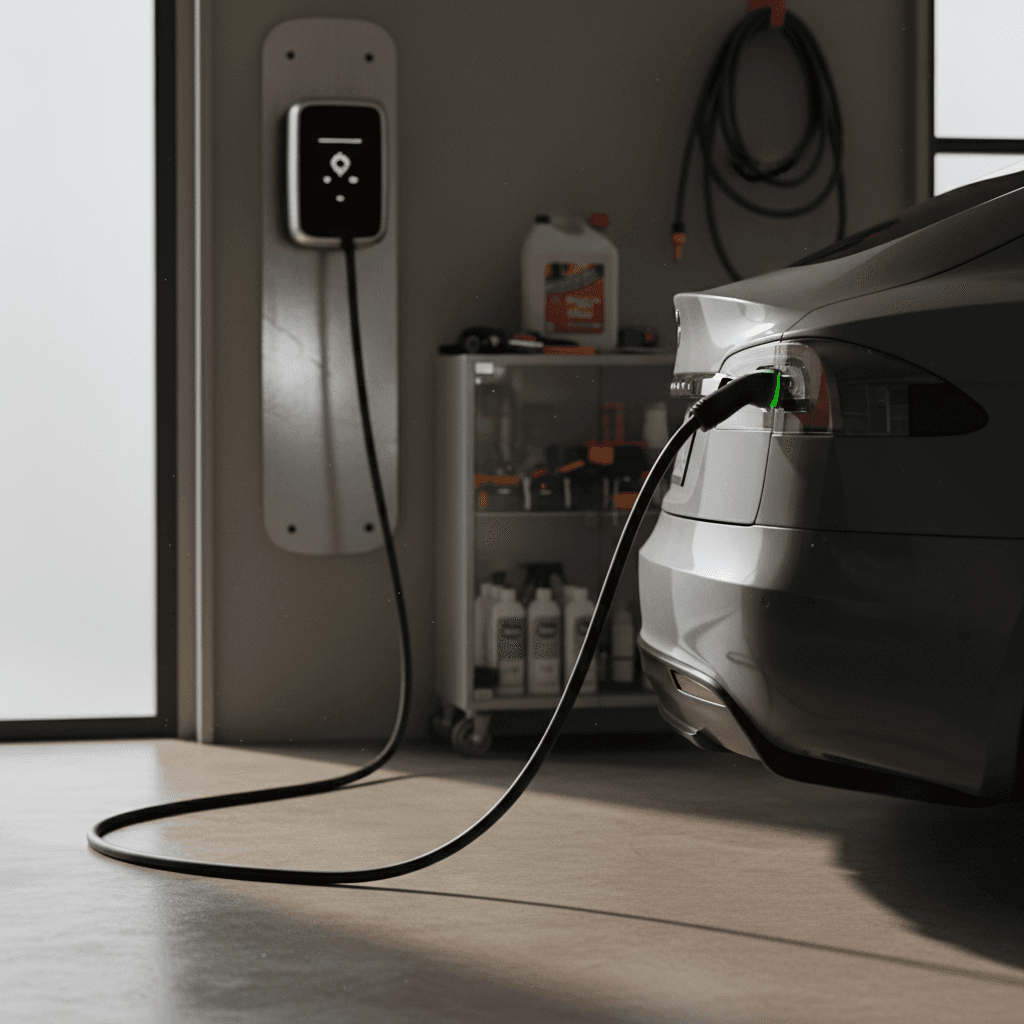
If you can charge at home
- Daily convenience: You plug in at night and wake up to a full “tank” every morning. Gas stations become background scenery.
- Lower costs: You pay residential electricity rates, which are usually 2–3x cheaper per mile than gasoline.
- Minimal time cost: You spend minutes per week plugging and unplugging instead of standing at pumps.
If you can’t charge at home
- Time tax: You’re detouring to public chargers, waiting 30–45 minutes for fast‑charge sessions, and competing for working stations.
- Higher costs: Public DC fast charging often costs as much per mile as gas, sometimes more.
- More stress: You’re planning around chargers instead of just driving. That’s fine for some; exhausting for others.
When an EV is usually not worth it
Who should buy an EV in 2025, and who should wait
Is an EV worth it for your situation?
Three common profiles where the answer is often “yes” and two where it’s often “not yet.”
Suburban commuter with garage
Great fit. You drive 30–70 miles a day, can install Level 2 home charging, and plan to keep the car 7+ years. Fuel and maintenance savings are meaningful, and day‑to‑day life gets easier.
High‑mileage driver
Often worth it. If you rack up 20–25k miles a year and can charge cheaply at home or work, the fuel savings alone can dwarf the depreciation hit, especially with a used EV.
Second car in the household
Low‑risk entry. Use an EV for commuting, school runs, and errands, while keeping a gas or hybrid car for long road trips or towing. This setup lets you live with an EV on easy mode.
Urban apartment dweller
Borderline. If your building has reliable overnight charging, great. If not, you’ll be living at public chargers. In that case, a hybrid or efficient gas car may be less stressful and cheaper overall.
Road‑warrior road‑tripper
Depends. U.S. fast‑charging networks are much better than they were, but still patchy. If your life is back‑to‑back 500‑mile days in remote areas, an EV can work but demands more planning and patience.
Tight‑budget buyer
Case‑by‑case. If every dollar of monthly payment matters more than long‑term savings, a used gas car or hybrid may pencil out better. A used EV with verified battery health can be a smart play, but only if the total package fits your budget.
Quick checklist: is an EV worth it for you?
Answer these 8 questions before you decide
1. Can you reliably charge at home or work?
If the honest answer is “no,” be very cautious. Public‑charger life is still hit‑or‑miss in 2025. Occasional road‑trip fast charging is fine; relying on it weekly is not.
2. How many miles do you drive each year?
If you’re under 8,000 miles a year, fuel savings will be modest. Between 12,000 and 20,000 miles, EVs really start to shine on operating costs.
3. How long do you plan to keep the car?
EVs usually make more sense if you’re a long‑term keeper (7–10+ years) or you’re buying used after the steepest depreciation has already hit.
4. What’s your local electricity and gas price?
High electricity + cheap gas narrows the EV advantage. Cheap electricity + pricey gas blows it wide open. Run the numbers for <strong>your</strong> ZIP code, not national averages.
5. Do you qualify for EV tax credits or rebates?
Incentives can move the needle thousands of dollars. Check income limits, vehicle price caps, and where the car is built before you fall in love with a specific model.
6. Are you okay planning a bit more on long trips?
Today’s EVs can road‑trip, but you’re planning around charging stops and infrastructure. If that sounds stressful, consider keeping a gas car or renting for big trips.
7. Is performance or quiet comfort important to you?
EVs excel at <strong>smooth, instant torque and quiet cabins</strong>. If that matters to your daily happiness, it’s part of the “worth it” equation even if you never put it in a spreadsheet.
8. Are you open to buying used with verified battery health?
A used EV, especially one with a <strong>Recharged Score Report</strong>, can deliver most of the benefits at a much lower entry price. If you’re flexible about owning the latest thing, this is often the smartest play.
FAQ: are electric vehicles worth it?
Frequently asked questions about whether EVs are worth it
Bottom line: are electric vehicles worth it?
In 2025, asking “are electric vehicles worth it?” is like asking if a house is a good deal. It depends where it is, how you live, what you pay, and how long you stay. For a suburban or exurban driver with home charging, a reasonable commute, and access to incentives, an EV can absolutely be the smartest financial and practical choice, especially if you buy used after the early depreciation storm has passed.
For drivers without reliable charging, with very tight upfront budgets, or who flip cars every few years, the case is weaker. A hybrid may be the saner move for now, with an eye on how charging infrastructure and pricing evolve over the next five years.
If you want to see how the math shakes out for a real car, not an abstract spreadsheet, that’s where Recharged comes in. Browse used EVs with transparent Recharged Score battery reports, compare total ownership costs, and talk to EV‑specialist advisors who’ll tell you if a given car actually fits your life, even if that means recommending you don’t buy today.
An EV isn’t automatically worth it or not. But with the right car, at the right price, in the right driveway, it can be one of the best ownership experiences on the road today.