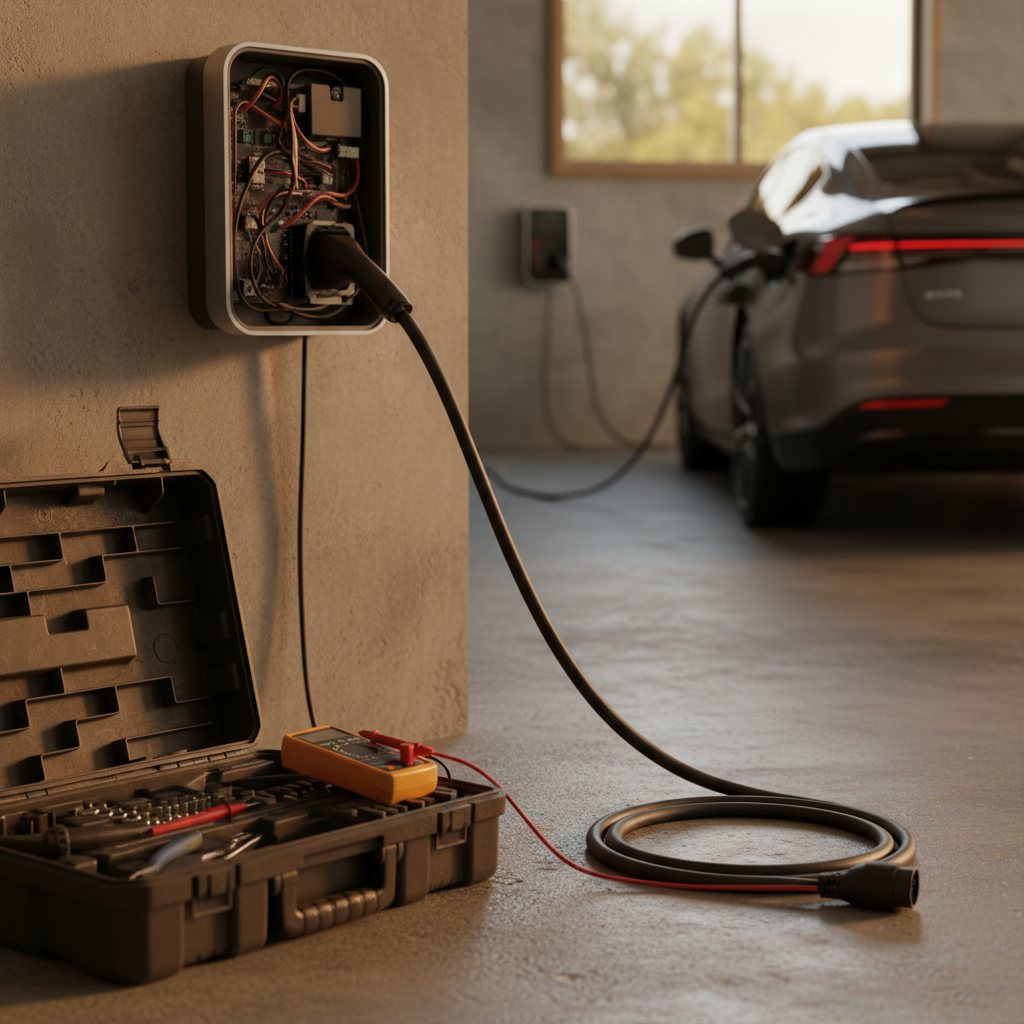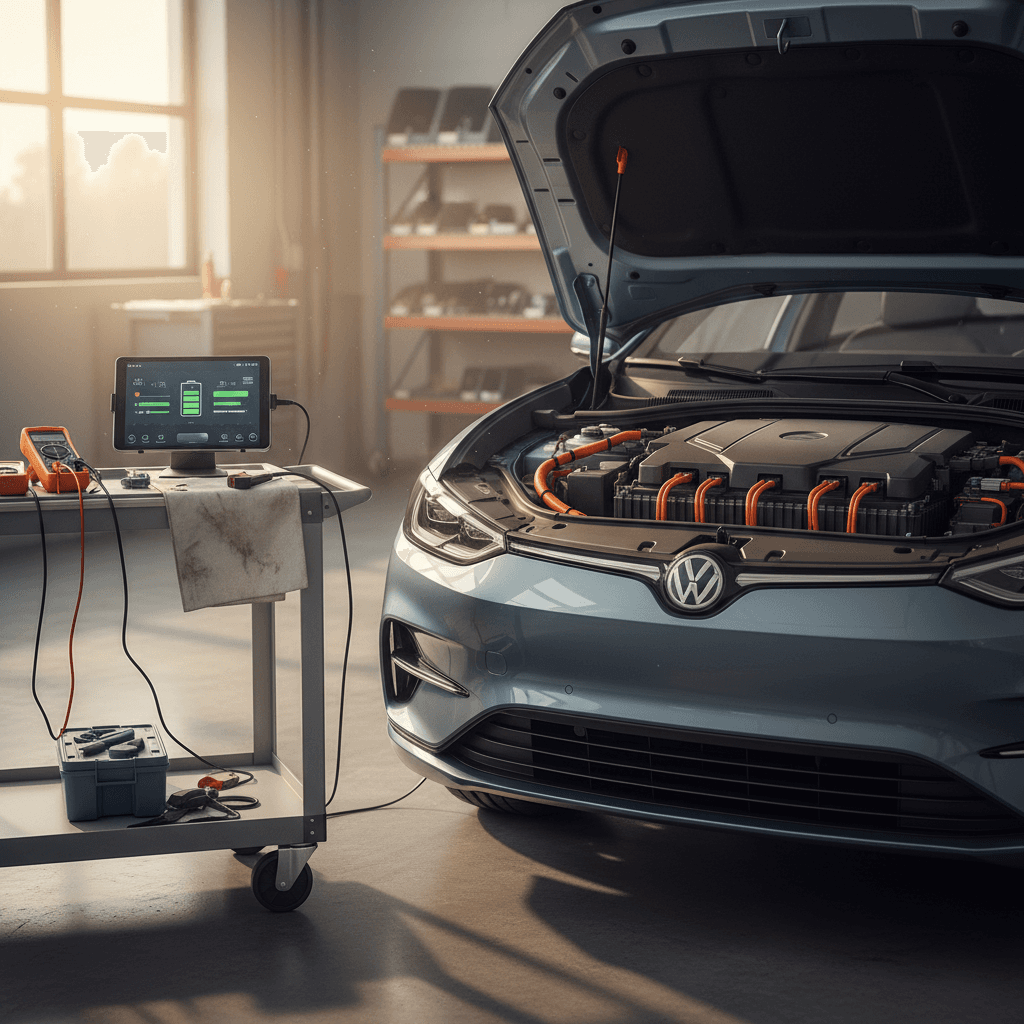
If you’re wondering whether electric cars are cheaper to maintain than gas cars, you’re asking the right question. Sticker price gets all the attention, but it’s the years of oil changes, tune-ups, and surprise repairs that really make or break your budget. The good news: for most drivers, an EV wins the maintenance game by a comfortable margin, especially if you choose carefully, and know what to look for in the battery.
Big picture
Short answer: yes, but with a few asterisks
EV vs gas maintenance at a glance (2025)
Across recent studies looking at U.S. drivers, electric cars usually cost $300–$400 less per year to maintain than gasoline cars. Some analyses put the gap even wider over a 5‑year period, especially when you include fewer surprise engine and transmission repairs. But that average hides a lot of nuance: how you drive, where you live, and whether you’re buying new or used all change the math.
Think in total cost, not just oil changes
How much cheaper is EV maintenance than gas?
Let’s put some real‑world numbers on the table. Pulling together 2024–2025 data from AAA, industry cost studies, and EV ownership reports, here’s the typical spread:
Average annual maintenance costs (typical U.S. driver)
Numbers are ballpark figures for a mainstream compact or midsize vehicle driven ~15,000 miles per year.
| Vehicle type | Average yearly maintenance | What’s included |
|---|---|---|
| Battery‑electric vehicle (EV) | ≈ $900–$950 | Tire rotations, brake checks, cabin filters, fluids, occasional minor repairs |
| Plug‑in hybrid (PHEV) | ≈ $1,000–$1,100 | EV‑style components plus engine oil and additional complexity |
| Hybrid (HEV) | ≈ $1,100–$1,150 | Regular engine maintenance plus hybrid system service |
| Gasoline/ICE | ≈ $1,200+ | Oil changes, tune‑ups, exhaust, belts, hoses, more frequent brake and transmission service |
Actual costs vary by brand, model, and how you drive, but the relative gap between EVs and gas cars is consistent across studies.
Another way to see it: over 5 years and about 60,000–75,000 miles, a typical gas car might rack up roughly $2,600–$4,500 in maintenance, while a similar EV often lands closer to $550–$2,000. That’s several thousand dollars left in your pocket before you even talk about fuel savings.
Why electric cars are cheaper to maintain
Four big reasons EVs win on maintenance
Less to break, less to service, and smarter software.
1. Far fewer moving parts
2. No oil changes or exhaust system
3. Regenerative braking saves your brakes
4. Software handles what used to be service
Where the savings really add up
Where EVs can cost more to maintain
The story isn’t all sunshine and wiper fluid. EVs have their own maintenance quirks, and in a few areas, they can cost more than gas cars. Knowing these ahead of time will keep you from being surprised down the road.
- Tires: EVs are heavy and deliver instant torque, which can chew through tires faster, especially on performance models. Budget a bit extra for quality tires and regular rotations.
- Specialized repairs: If something in the high‑voltage system fails outside of warranty, you may need an EV‑certified shop. Labor rates can be similar to premium gas cars, and parts may be more expensive or slower to arrive in some regions.
- Body work: Some EVs use unique materials and structures that can make collision repairs pricier, and insurance premiums often reflect that.
- Dealer availability: In some areas, there are simply fewer EV‑savvy independent shops. That can mean relying on the dealer and paying dealer‑level rates for certain jobs.
Heavier cars, heavier wear
Battery replacement: the big what-if
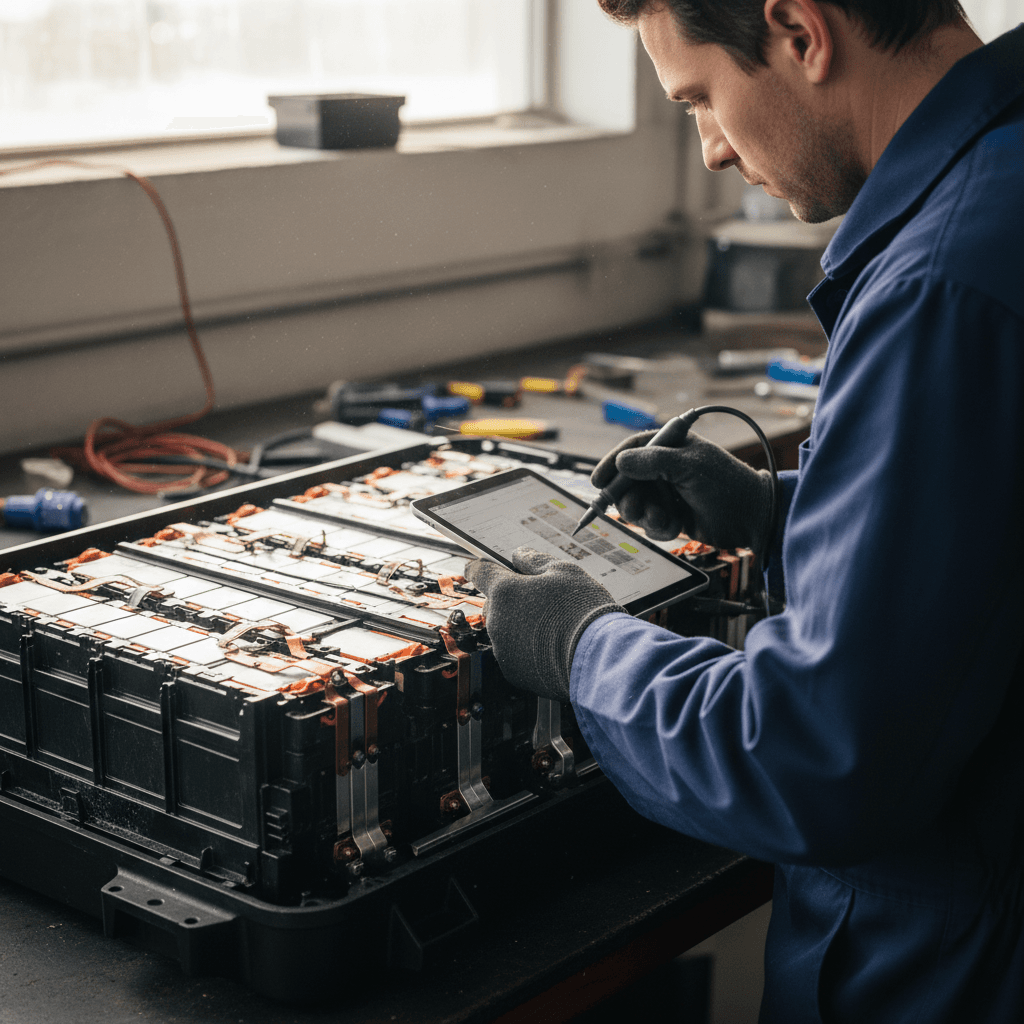
Whenever we talk about EV maintenance costs, the same question pops up: what happens if the battery dies? It’s a fair concern. A modern EV battery pack is the single most expensive component on the car.
How often do EV batteries actually fail?
In real‑world use, full pack failures are rare, especially in the first decade. Most modern EVs lose only a few percent of capacity over the first several years, then gradually decline.
Most automakers back the pack with an 8‑year / 100,000‑mile (or more) battery warranty. That coverage typically guarantees the pack won’t fall below a certain capacity threshold (often around 70%) during that period.
What does a replacement cost if it does happen?
Out of warranty, a full battery replacement can easily run $5,000–$15,000 depending on the model, pack size, and whether you’re using new or remanufactured components.
The good news: battery prices per kWh have been steadily falling, and more manufacturers are designing packs that can be repaired or have individual modules replaced instead of swapping the entire pack.
Degradation vs. disaster
Maintenance checklist: EV vs gas car
If you like lists, and your mechanic certainly does, here’s how the regular maintenance schedule compares between a typical EV and a typical gasoline car.
Key maintenance items compared
Oil & filter changes
<strong>Gas:</strong> Every 5,000–7,500 miles at $50–$100 a visit, several times a year. <strong>EV:</strong> None. Ever.
Engine tune‑ups & belts
<strong>Gas:</strong> Spark plugs, ignition components, timing belts/chains, and fuel system cleanings add up over 60,000–100,000 miles. <strong>EV:</strong> No engine, no belts, no tune‑ups.
Transmission & driveline
<strong>Gas:</strong> Fluid changes, potential transmission repairs or replacements can cost thousands. <strong>EV:</strong> Most have a single‑speed reduction gearbox with minimal service needs.
Brakes
<strong>Gas:</strong> Pads and rotors often replaced every 30k–60k miles, plus occasional fluid flushes. <strong>EV:</strong> Regenerative braking extends pad life significantly; fluid still needs periodic replacement.
Cooling systems
<strong>Gas:</strong> Radiator, hoses, water pump, and coolant issues are common over time. <strong>EV:</strong> Still has coolant loops, but fewer hot, vibrating parts stressed by combustion.
Tires & suspension
<strong>Both:</strong> Need similar attention. EVs may go through tires faster due to weight and torque; rotations are especially important.
Real‑world 5‑year maintenance cost comparison
Let’s bring this down to something like the car in your driveway. Imagine two similar compact SUVs, one gas, one electric, driven 15,000 miles a year for 5 years.
Example: 5‑year maintenance cost estimate
Illustrative comparison for mainstream compact SUVs; actual numbers vary by brand and model.
| Category (5 years) | Gas SUV (estimate) | Electric SUV (estimate) |
|---|---|---|
| Oil changes & engine service | $1,100 | $0 |
| Transmission service/repairs | $400 | $0–$100 |
| Brakes (pads/rotors/fluids) | $550 | $250 |
| Exhaust & emissions repairs | $300 | $0 |
| Misc. engine bay items (belts, hoses, sensors) | $600 | $200 |
| Tires, alignments, other wear items | $700 | $700 |
| Estimated 5‑year total | $3,650 | $1,250 |
Fuel savings are on top of these maintenance differences, and they heavily favor the EV as well.
A few thousand reasons to care
What this means if you’re shopping for a used EV
Maintenance savings are a big part of why used EVs are becoming such compelling buys. Someone else took the new‑car depreciation hit; you get the lower operating costs. But with EVs, you’ll want to be a little more detective than you might be with a used gas car.
Smart used‑EV maintenance questions to ask
These three questions tell you a lot about what your future costs will look like.
1. How healthy is the battery?
2. How was it charged and driven?
3. What’s the service history?
Leaning on EV specialists pays off
FAQ: Are electric cars cheaper to maintain?
Frequently asked questions about EV maintenance
Bottom line: when an EV really saves you money
So, are electric cars cheaper to maintain? For most drivers in 2025, the answer is yes, decisively. Fewer moving parts, no oil changes, less brake wear, and smarter software all chip away at the cost of ownership year after year. The flip side is that batteries and some collision repairs can be expensive, so picking the right car, and knowing its history, matters more than ever.
If you’re comparing a used EV to a used gas car, think beyond the monthly payment. Look at expected maintenance, fuel, insurance, and battery health together. A well‑chosen EV can be thousands of dollars cheaper to live with, even if it costs a bit more up front. And if you’d rather not do that math alone, Recharged is built for exactly this moment, combining verified Recharged Score battery diagnostics, fair pricing, financing, and EV‑specialist support so you can enjoy the low‑maintenance side of electric driving without worrying what’s hiding under the floor.