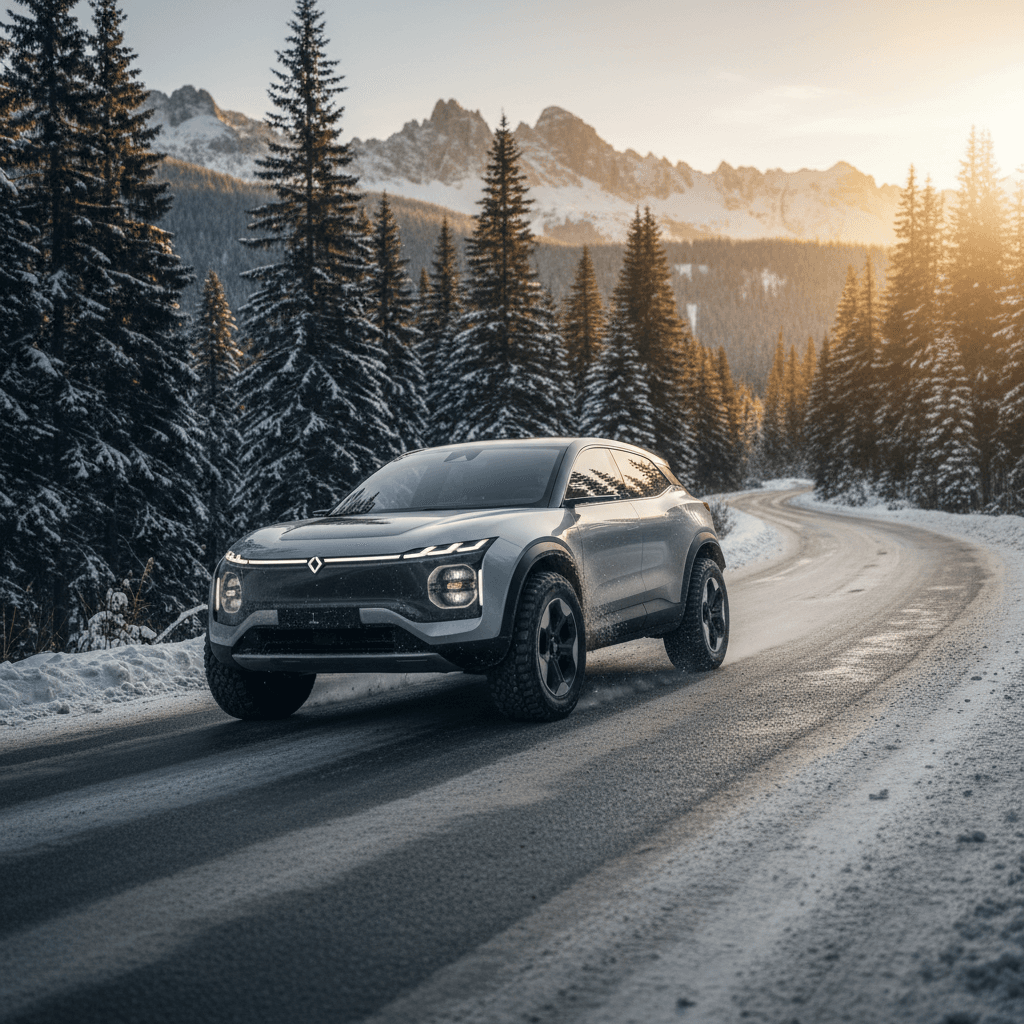
If you live with snow, gravel, or just like confident acceleration, it’s natural to look at all wheel drive electric vehicles. Dual‑motor EVs promise better traction and eye‑opening performance, but they also cost more, use more energy, and aren’t always necessary. This guide walks through how AWD works in EVs, when it’s worth paying for, and which AWD models make the most sense, especially if you’re shopping used.
Quick definition
Why AWD matters in electric vehicles
AWD is quickly becoming the default on many EVs
The headline advantage of AWD EVs is simple: more grip and more control when conditions get bad or when you’re using the power that electric motors naturally provide. Because motors can respond in milliseconds, an AWD EV can cut power to a slipping axle and send it to the one with grip much faster than a traditional mechanical AWD system with clutches and driveshafts.
Think beyond snow
How all-wheel drive works in EVs
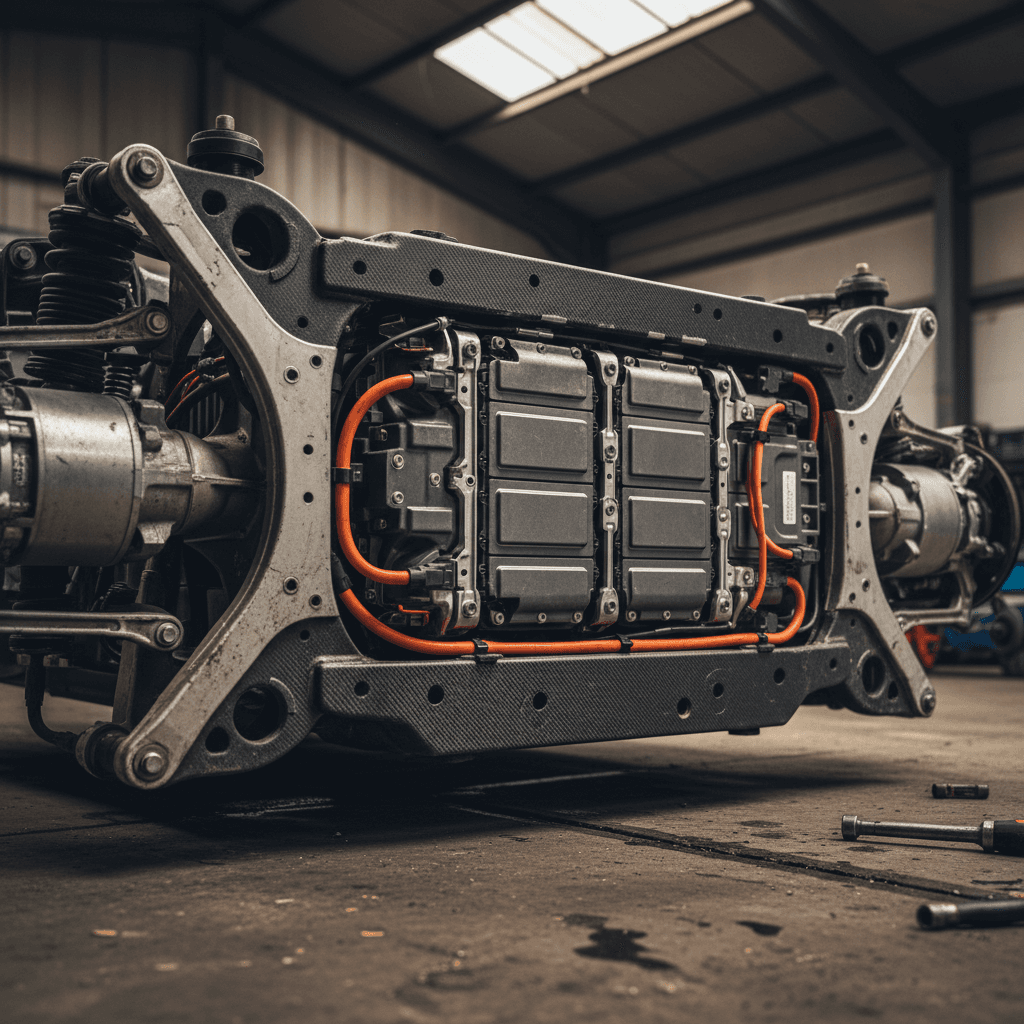
In combustion cars, AWD usually means a longitudinal engine, a transmission, a center differential, and driveshafts sending power to both axles. Electric vehicles almost always take a simpler route: one motor per driven axle, coordinated by software. That changes how AWD feels and what it costs to own.
Dual-motor EV layout
- One electric motor drives the front wheels; another drives the rear.
- No mechanical center differential or long driveshaft.
- Software instantly adjusts torque front-to-rear and left-to-right (via brake-based torque vectoring).
- Often paired with a large, flat battery pack in the floor for a low center of gravity.
This is the setup you’ll see on Tesla Model Y, Hyundai Ioniq 5/6, Kia EV6/EV9, Subaru Solterra, Volvo EX30/EX90, and many others.
How it behaves on the road
- Lightning-fast traction control: motors can adjust torque dozens of times per second.
- Option to bias power rearward for a sportier feel, or forward for efficiency.
- Many AWD EVs include selectable drive modes for snow, off-road, or sport.
- Because power delivery is so smooth, you often just feel stability rather than obvious intervention.
The result is a planted, confident feel that’s noticeably different from front-drive EVs when you push harder or roads get tricky.
Not all “AWD” systems are equal
Pros and cons of all-wheel drive EVs
AWD EV advantages and tradeoffs at a glance
More traction is great, but it isn’t free.
Benefits of AWD electric vehicles
- Traction in bad weather: Snow, slush, heavy rain, and gravel are where dual motors pay off most.
- Confident acceleration: Power goes to both axles, so you can use more of an EV’s instant torque without wheelspin.
- Stability when loaded: Towing a small trailer or carrying a full load of passengers feels more controlled.
- Resale appeal: In snow-belt states especially, used AWD EVs are easier to sell than 2WD equivalents.
Downsides and compromises
- Higher upfront price: AWD trims usually add $3,000–$6,000 over a comparable single-motor model when new.
- Shorter range: Two motors draw more power; the EPA range penalty is often 5–12% versus the most efficient RWD trim.
- More complexity: Another motor and inverter means more components that could eventually need service.
- Insurance and tires: Performance‑oriented AWD EVs often wear more expensive tires and may cost slightly more to insure.
AWD ≠ invincibility
AWD EVs for different types of drivers
Whether an all wheel drive electric vehicle makes sense for you depends less on spec‑sheet bragging rights and more on your roads, weather, and driving style. The good news is that the AWD EV market now covers everything from compact crossovers to three‑row family haulers and high‑performance models.
Which AWD EV profile looks most like you?
Match your use case before you obsess over horsepower figures.
Snow-belt commuter
Typical needs: Reliable winter traction, moderate range, comfort, not a track weapon.
- Compact or midsize AWD crossover is ideal.
- Think Model Y AWD, Hyundai Ioniq 5/6 HTRAC, Kia EV6/EV9, Subaru Solterra/Toyota bZ4X AWD.
- Prioritize winter tires and heated features over max power.
Family hauler
Typical needs: Three rows, cargo, road trips, rough weather security.
- Look at three-row AWD SUVs like Kia EV9, upcoming Hyundai Ioniq 9, or premium options like Volvo EX90 and Lucid Gravity.
- Focus on charging speed, usable third row, and cargo space with seats up.
Performance enthusiast
Typical needs: Strong acceleration, agile handling.
- Sport‑tuned AWD sedans and crossovers: Tesla Model 3 Performance, Model Y Performance, Hyundai Ioniq 5 N, Kia EV6 GT, Audi e‑tron GT.
- Range is still important, but you’re likely willing to trade some of it for pace.
Where FWD or RWD is plenty
Used all-wheel drive EVs that are smart buys
New EVs grab headlines, but the most rational place to buy an all wheel drive electric vehicle in 2025 is often the used market. Early dual‑motor EVs have already taken their steepest depreciation hit, yet you still get serious performance and modern active‑safety tech.
Representative AWD EVs worth a look on the used market
These examples illustrate the kinds of dual‑motor EVs that can make sense used. Exact availability and pricing will vary by region and vehicle condition.
| Model (AWD) | Vehicle type | Why it’s compelling used | Key watch-outs |
|---|---|---|---|
| Tesla Model 3 / Model Y Dual Motor | Compact sedan / crossover | Strong performance, wide charging access, huge used inventory to choose from. | Wheel/tire wear on performance trims; check battery health and fast‑charging history. |
| Hyundai Ioniq 5 / Ioniq 6 HTRAC | Stylish crossover / sedan | Fast DC charging, comfortable ride, solid winter manners with good tires. | Software updates sometimes needed for best charge curves; verify recall work. |
| Kia EV6 / EV9 AWD | Sporty compact / 3-row SUV | Excellent charging speeds and road‑trip comfort, many safety features standard. | Larger wheels on some trims reduce range; insurance can be higher on performance specs. |
| Subaru Solterra / Toyota bZ4X AWD | Compact SUV | Ground clearance, Subaru/Toyota familiarity, all‑weather image. | Early production had wheel‑hub and DC‑charging quirks, make sure campaigns are done. |
| Volvo XC40 / C40 Recharge AWD | Premium compact crossover | Comfortable, safe, strong city acceleration. | Range is modest versus newest designs; factor winter range into your expectations. |
Always check a detailed battery and vehicle health report, Recharged includes a Recharged Score Report with every EV we sell.
How Recharged helps with used AWD EVs
Range, battery and charging considerations
Dual‑motor AWD doesn’t automatically mean terrible efficiency, but it usually means you’ll see lower range ratings than the most efficient rear‑drive version of the same EV. Understanding those tradeoffs, and how they interact with climate and charging speeds, helps you right‑size your expectations.
- Most AWD variants lose about 5–12% of rated range versus the equivalent single‑motor long‑range trim, depending on aerodynamics, wheel/tire choice, and tuning.
- Cold weather can temporarily cut real‑world winter range by 20–40% for any EV, AWD or not, plan around the combination of winter and dual‑motor penalties if you live in a harsh climate.
- Some AWD trims pair the second motor with a larger battery pack, which can offset some of the efficiency penalty but may add weight and cost.
- Fast‑charging capability (peak kW and how long the car sustains it) matters more to road‑trip convenience than the last 20–30 miles of rated range.
Winter reality check
How much extra should you pay for AWD?
On new EVs, the jump from single‑motor to all wheel drive is often bundled with bigger wheels, more equipment, or a larger battery. On the used market, you’re simply looking at how AWD affects price, mileage, and equipment level between real cars, not just trim‑walk charts. So how do you decide what AWD is worth to you?
When paying more for AWD makes sense
- You regularly see snow, steep driveways, or unpaved roads.
- You tow, or drive mountain passes with a full car of people and gear.
- The AWD trim also includes features you value (e.g., heat pump, larger battery, advanced driver assistance).
- Resale matters and you live in a region where shoppers strongly prefer AWD.
In these cases, paying a few thousand dollars more for an AWD EV can be rational, especially if you plan to keep it several years.
When to pocket the savings
- You live in a warm climate and rarely drive on dirt or gravel.
- You mainly commute in city traffic, where traction demands are low and range matters more.
- The AWD trim’s range hit would push you into extra charging stops on your regular trips.
- You can invest the savings in a Level 2 home charger or a second set of winter tires instead.
It’s better to own a right‑sized, efficient EV you can keep charged easily than an over‑spec’d AWD you’re constantly trying to nurse for range.
Rule-of-thumb on used pricing
Checklist: buying a used AWD EV
Nine things to verify before you commit
1. Confirm it’s actually AWD
Online listings are sometimes incorrect. Check the build sheet, VIN decode, or physical badging to verify that the EV is truly dual‑motor or all wheel drive.
2. Review battery health data
Ask for a recent battery health report or scan. With Recharged, the Recharged Score includes verified battery state of health, so you’re not guessing about capacity loss.
3. Look at wheel and tire setup
Aggressive wheel/tire packages can look great but hurt range and winter performance. Budget for fresh all‑season or winter tires if the existing set is worn or badly mismatched.
4. Assess prior use and mileage
High‑mileage highway commuters can be easier on components than low‑mileage vehicles that only did short trips. Ask about road‑trip versus city duty.
5. Check for underbody damage
Because AWD EVs are traction‑capable, some see more rough‑road use. Look for scrapes on the battery shield, suspension, and drive units.
6. Verify software and recalls
Many AWD EVs improve over time via software. Make sure major updates and recall campaigns are completed, especially for early Solterra/bZ4X, Ioniq, and EV6 builds.
7. Test traction control in a safe spot
In a wet parking lot or gravel road, gently accelerate to feel how smoothly the car manages wheelspin. You’re not looking for heroics, just predictable behavior.
8. Understand charging equipment
Confirm which home and portable chargers are included, whether the car uses NACS or CCS ports, and what you’ll need to charge conveniently at home.
9. Compare total cost of ownership
Factor insurance, tires, charging, and probable resale, not just the purchase price. An efficient FWD/RWD EV can sometimes be cheaper to live with than a heavier AWD alternative.
FAQ: all wheel drive electric vehicles
Frequently asked questions about AWD EVs
Key takeaways
All wheel drive electric vehicles combine the instant torque of EVs with the security of power at both axles. For drivers in snow‑belt states, those who tow or head into the mountains, or anyone who values confident acceleration in all weather, dual‑motor AWD is often worth having, even with its modest range and cost penalties.
If you mainly drive in mild conditions or dense cities, a well‑equipped single‑motor EV paired with the right tires and home charging can be the smarter financial move. The sweet spot is choosing the drivetrain that matches your roads, not just your aspirations. When you’re ready to compare real vehicles, Recharged makes it easier to shop used AWD and 2WD EVs side by side, with transparent battery health reports and fair, data‑driven pricing so you can buy with confidence.