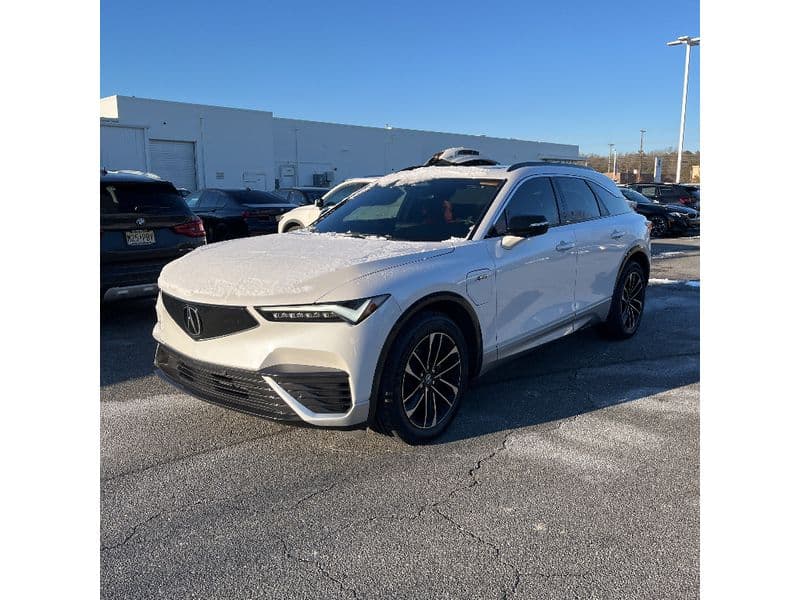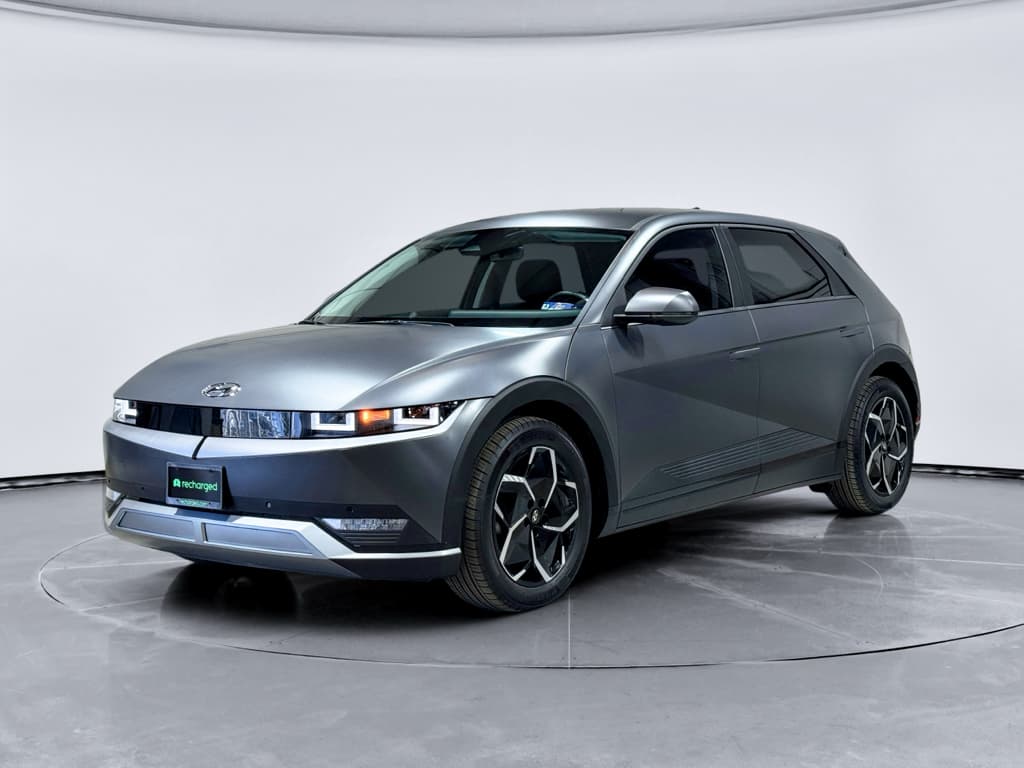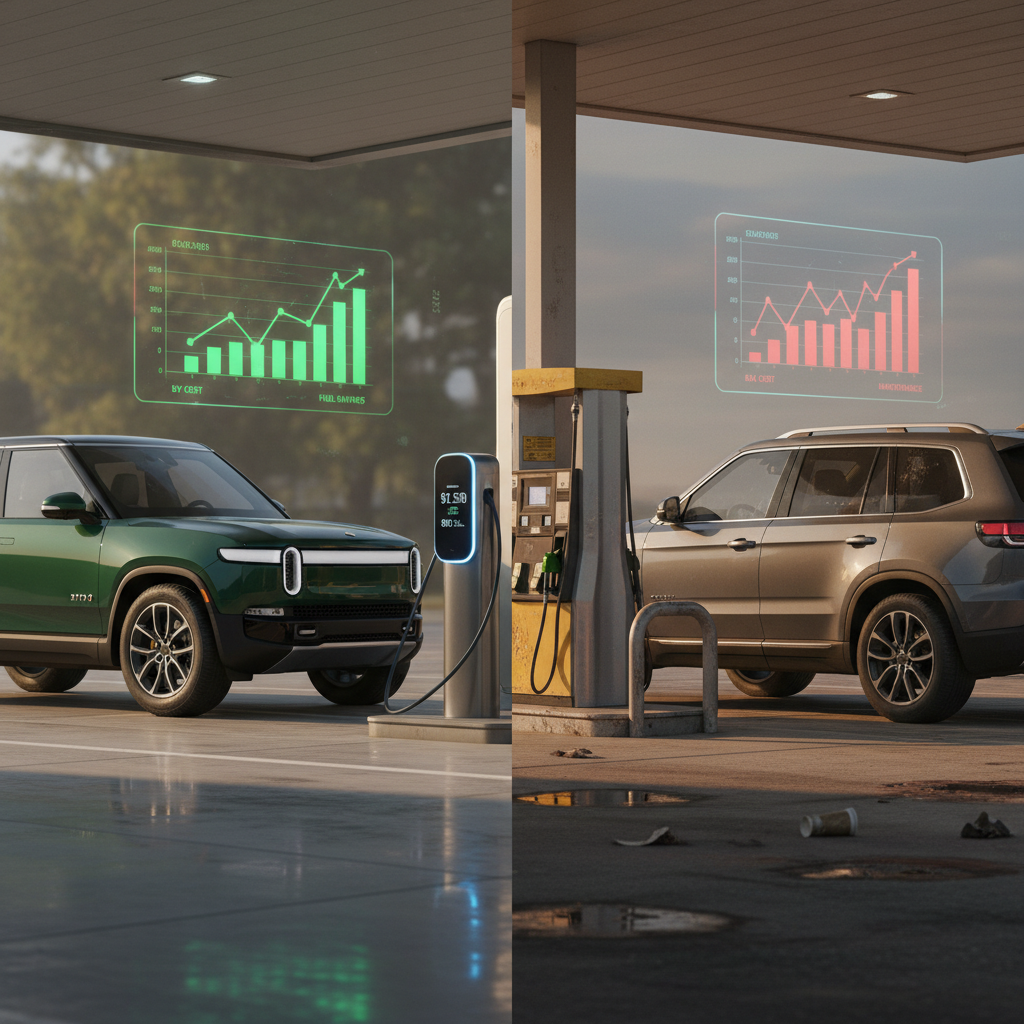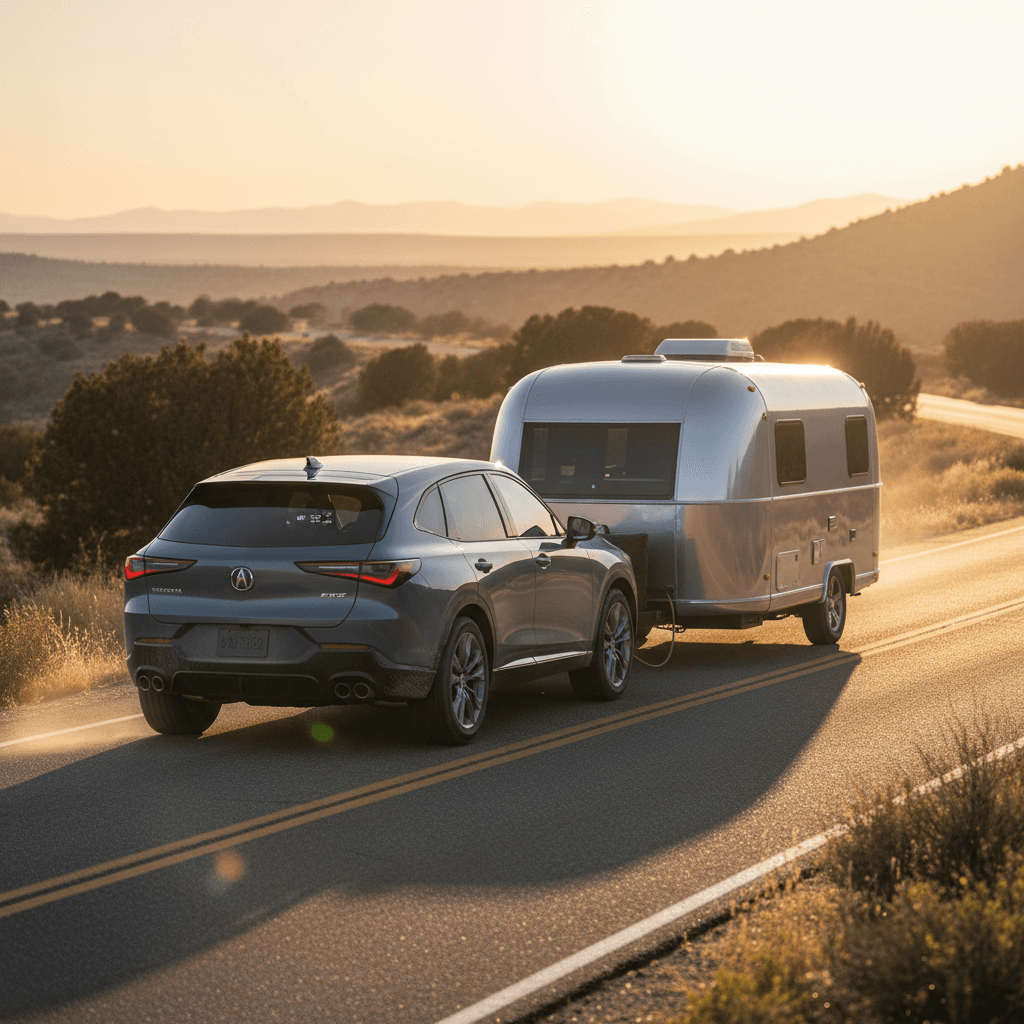
If you’re eyeing an Acura ZDX as a family hauler or road‑trip rig, you’re probably wondering two things: what can it tow, and how much range loss should you expect with a trailer hooked up. This guide breaks down Acura ZDX towing capacity, real‑world range when towing, and practical strategies to make road trips with a boat, camper, or utility trailer as smooth as possible.
Quick takeaway
Acura ZDX towing basics
The modern Acura ZDX is a battery‑electric midsize luxury SUV built on GM’s Ultium platform and positioned as Acura’s first volume EV. While it’s not a heavy‑duty truck, Acura designed it to handle light recreational towing when equipped with the factory tow package. That makes it a fit if you’re pulling a small boat, a pair of jet skis, or a compact camper, not a 30‑foot fifth‑wheel.
- Built on GM’s Ultium EV architecture with a large lithium‑ion battery pack
- Available in A‑Spec and high‑performance Type S trims
- Targeted primarily at on‑road comfort and performance, with light towing capability as a secondary role
- All towing requires the proper factory or dealer‑installed hardware and staying within published weight limits
Always confirm your specific vehicle’s rating
Towing capacity by Acura ZDX trim
Because the ZDX is new and based on shared Ultium hardware, many shoppers try to infer its tow rating from related models. That’s a decent ballpark, but you should still rely on Acura’s published numbers for your exact vehicle. Here’s how the picture typically looks for an electric luxury crossover in this class, and what buyers should expect from the ZDX:
Likely Acura ZDX tow ratings by configuration
These figures are illustrative based on typical EV luxury SUV ratings. Always rely on the official tow rating for your specific ZDX.
| Trim / configuration | Drivetrain | Indicative maximum trailer weight* | Typical tongue‑weight limit* |
|---|---|---|---|
| ZDX A‑Spec | Single‑motor RWD | 1,500–2,000 lb | 150–200 lb |
| ZDX A‑Spec | Dual‑motor AWD | 2,000–3,500 lb | 200–350 lb |
| ZDX Type S | Performance‑focused AWD | Up to ~3,500 lb (light camper or boat) | Up to ~350 lb |
Assume properly equipped with a factory tow package. Do not exceed the rating printed for your vehicle.
What these numbers really mean
Real-world range loss when towing
Electric SUVs lose range towing for the same reasons gas SUVs see their mpg plummet: more weight, more aerodynamic drag, and greater rolling resistance. With an EV, the impact shows up right on the range readout, which makes owners much more aware of it.
Typical EV range loss when towing
If you assume a non‑towing highway range in the ballpark of 250–280 miles for a ZDX with a healthy battery, pulling a light, low‑profile trailer might cut that to 150–180 miles. Swap in a tall, heavy camper, bump the cruise control to typical interstate speeds, and it’s not unusual to see usable range dip toward 120 miles or less between charges.
Don’t plan around the brochure number
6 factors that change your towing range
Key drivers of Acura ZDX range loss when towing
You can’t control all of them, but you can control more than you think.
1. Trailer weight
2. Aerodynamics
3. Speed
4. Terrain
5. Temperature & climate control
6. Charging strategy
How far can an Acura ZDX tow on a charge?
Because Acura hasn’t yet published an official towing‑specific range figure, the best you can do is build a conservative working estimate for your style of driving and gear. Here’s a practical way to think about it:
Rule‑of‑thumb towing range estimates
1. Start with realistic solo highway range
Look at real‑world highway tests or your own experience. If your ZDX typically gets about 260 miles of highway range without a trailer, use that, not the EPA city/highway blended number.
2. Apply a 40–50% towing penalty
For a light, aerodynamic trailer and disciplined driving (60–65 mph), knock your solo range down by about 40%. With a heavier or boxier trailer, assume 50% or worse until you see otherwise.
3. Build in a safety buffer
You rarely want to arrive at a charger at 0%. Most EV towers aim to arrive with 10–15% remaining. That means if your math says 150 miles of towing range, you might plan charging stops 110–130 miles apart.
4. Adjust in real time
Watch your ZDX’s energy‑use display on the first leg of your trip. If your projected state‑of‑charge at destination keeps falling, shorten your next leg or slow down. If the projection looks better than expected, you can lengthen the next leg slightly.
Planning charging stops with a trailer
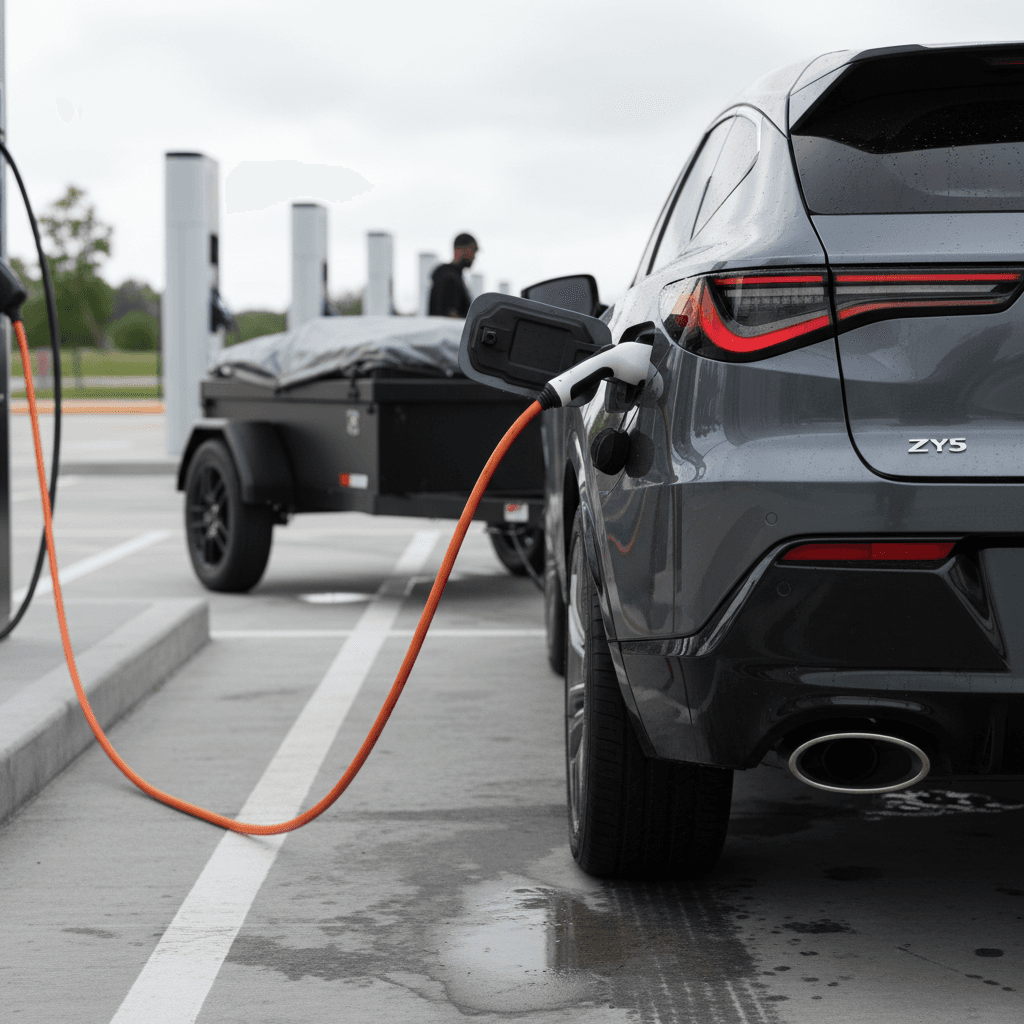
Charging logistics are the part most new EV towers underestimate. The ZDX uses the North American Charging Standard (NACS) connector, opening up a growing number of DC fast‑charging options. But many older stations were never laid out with trailers in mind.
Look for pull‑through or end spots
On older charging sites, most stalls are laid out like regular parking spaces. That can make it very hard to plug in with a trailer attached. When planning routes:
- Favor newer sites with drive‑through bays or wide access lanes.
- Look on satellite view to see if you can pull in parallel to a charger.
- Have a backup charger in mind in case you can’t physically fit.
Plan for extra time per stop
Even if the ZDX charges quickly, towing adds friction:
- Positioning a hitched vehicle around tight islands can take patience.
- Many drivers end up dropping the trailer to charge more comfortably.
- Factor that extra time into your daily mileage expectations.
On a long trip, two or three fast‑charge stops can each run 10–20 minutes longer when a trailer is involved.
Use apps that show site layout
Protecting battery health while towing
Towing asks more of any powertrain, and that includes a high‑voltage battery pack. The good news is that the ZDX’s thermal management and power‑delivery systems are designed with heavy loads in mind. Still, how you drive and charge will influence long‑term battery health.
Battery‑friendly towing habits for Acura ZDX owners
Avoid living at 100% SOC
For towing days, it’s fine to start at a high state of charge occasionally, but try not to leave the ZDX sitting at 100% for hours in hot weather. Charge to departure time, not the night before, when you can.
Favor 10–80% fast‑charge windows
The ZDX will accept its fastest DC charge rates in the middle of the pack. On road trips, short hops between 10–80% can be kinder to the battery and faster overall than charging to the very top.
Watch for sustained high power draws
Steep, extended climbs at high speed with a heavy trailer can heat things up. If you see repeated power‑limit warnings, consider backing off your speed or taking a short break to let everything cool.
Keep tires properly inflated
Under‑inflated tires on the ZDX or the trailer increase rolling resistance and heat. Check pressures before a trip and monitor them if temperatures swing significantly.
How Recharged helps you buy with confidence
Ready to find your next EV?
Browse VehiclesIs the Acura ZDX a good tow vehicle?
Whether the ZDX is a “good” tow vehicle depends entirely on what you expect it to do. It’s not a stand‑in for a half‑ton pickup, but it can be an excellent solution for a specific set of needs.
Acura ZDX towing: where it shines and where it doesn’t
Match the tool to the job and you’ll be much happier.
Where the ZDX works well for towing
- Occasional trips with a small boat, pop‑up, or utility trailer.
- Weekend family camping where sites are 75–150 miles away.
- Owners who value quiet, smooth daily driving more than max tow ratings.
- Drivers who already plan stops and enjoy the EV road‑trip rhythm.
Where the ZDX is the wrong tool
- Heavy travel trailers that push GVWR and tongue‑weight limits.
- Cross‑country trips where you need to cover 400–500 miles per day with a big camper.
- Frequent commercial or construction towing.
- Situations where limited charger access makes extra stops unacceptable.
Used Acura ZDX: what to check before you buy
If you’re shopping the used market and you know towing is in your future, you’ll want to pay special attention to how the prior owner used the vehicle. Electric drivetrains actually tolerate towing well when used within limits, but abuse can still leave a mark.
Used ZDX towing checklist
Confirm tow‑package equipment
Look for the factory receiver hitch, wiring harness, and the correct cooling or drivetrain packages tied to towing on that trim. A random aftermarket hitch without proper wiring or cooling is a red flag.
Ask about towing history
A vehicle that occasionally pulled a small trailer on weekends is one thing; a crossover that spent its life maxed‑out on weight in hot climates is another. Dealers rarely know the full story, but prior‑owner records can help.
Review battery health data
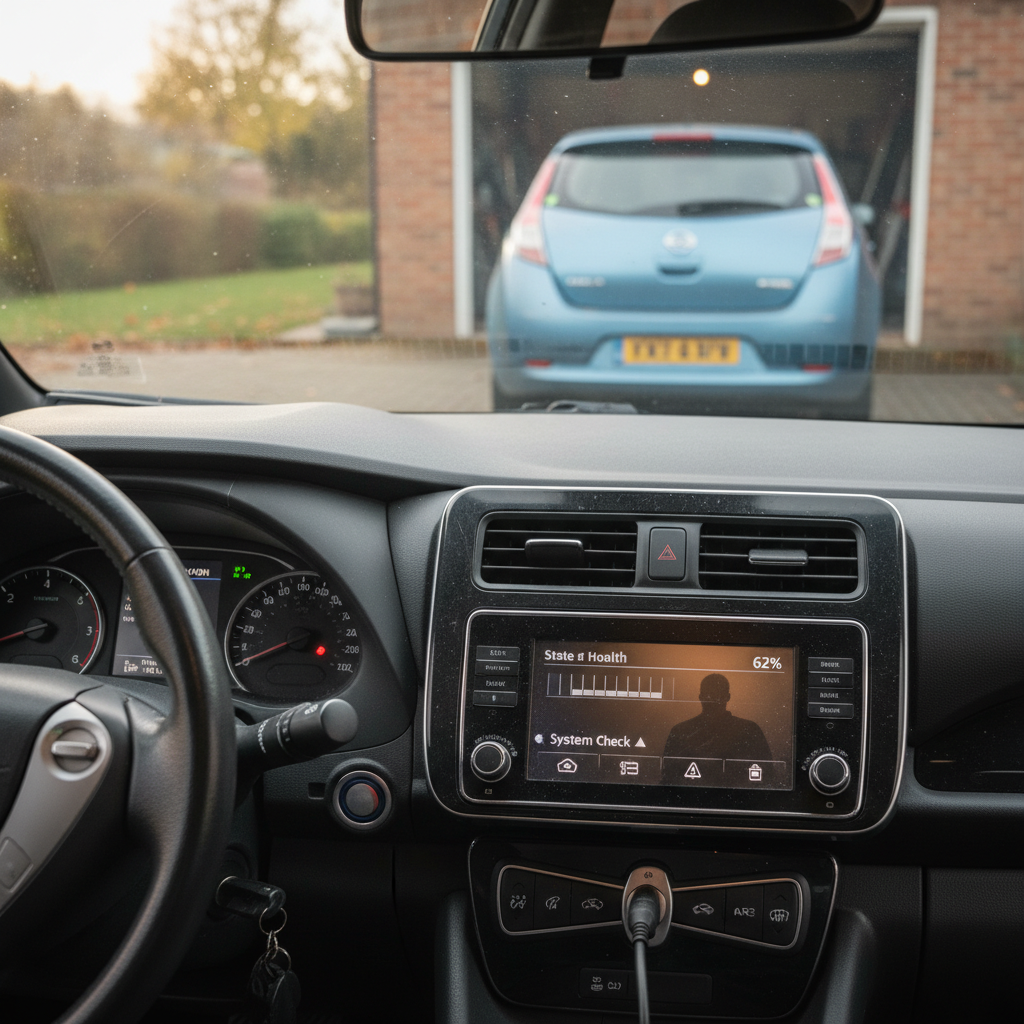
A strong battery report, like the <strong>Recharged Score</strong> we provide, can give you confidence that the pack hasn’t been overheated or abused. Pay attention to usable capacity remaining versus the original spec.
Inspect hitch, wiring, and rear structure
Look for rust, bent metal, cobbled wiring, or evidence the hitch was overloaded. A clean install and intact underbody panels are what you want to see.
Test‑drive with an eye toward stability
Even without a trailer, note how the ZDX tracks at highway speeds, how the steering feels on-center, and whether there are any odd noises from the rear that could hint at past overloading.
Leverage Recharged’s EV specialists
Acura ZDX towing FAQ
Frequently asked questions about Acura ZDX towing & range loss
Bottom line on Acura ZDX towing and range loss
The Acura ZDX is best thought of as a comfortable, tech‑forward family SUV that happens to tow, not a tow rig that happens to be electric. Within that mission, it can be a very capable partner for light trailers, provided you respect its tow rating, plan for substantial range loss, and map your fast‑charging stops with your trailer in mind. If you’re realistic about those trade‑offs, the ZDX can let you enjoy EV smoothness on the daily commute and still head for the lake, campsite, or home‑improvement store on the weekend without switching vehicles.
If you’re exploring a used Acura ZDX or another tow‑capable EV, working with a specialist retailer matters. At Recharged, every vehicle comes with a transparent battery‑health report, fair pricing, and EV‑savvy support from first question to final paperwork, so you can spend less time guessing about range and more time planning your next trip.