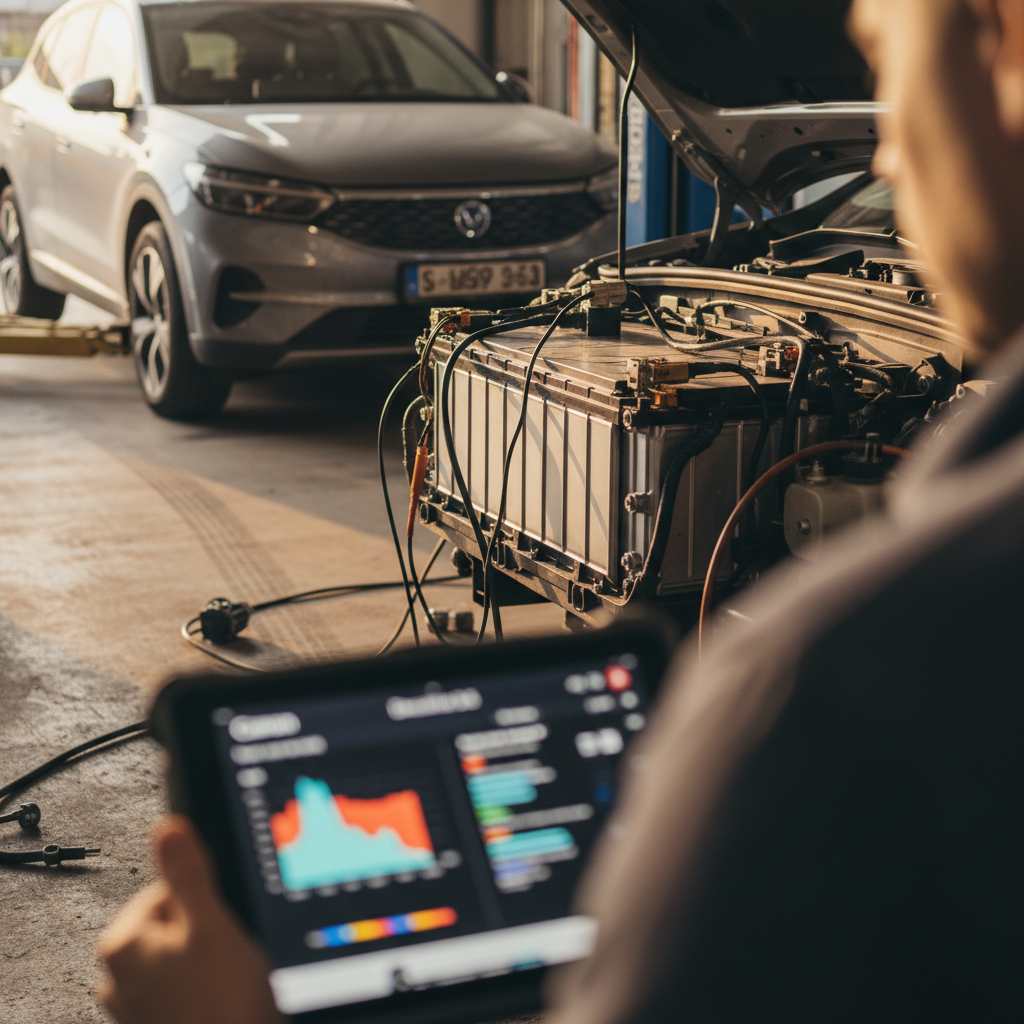
If you’re considering an Acura ZDX or already have one on order, you’re probably asking a simple question with a surprisingly complex answer: how fast does it actually charge? Lab specs are one thing. A real-world Acura ZDX charging speed test tells you how long you’ll sit at a DC fast charger on a road trip, how quickly you can top up around town, and what to expect as the battery fills up.
Why charging speed tests matter
Acura ZDX charging speed overview
The Acura ZDX shares its Ultium-based platform with the Honda Prologue and several GM EVs, which gives it modern 800V-ready hardware and competitive DC fast charging capability. Acura targets roughly 200 kW peak DC fast charging on capable stations and a usable battery pack in the mid‑80 kWh range, so the ZDX sits squarely in the same ballpark as rivals like the Hyundai Ioniq 5, Kia EV6, and Tesla Model Y for road-trip usability.
Acura ZDX charging at a glance (manufacturer targets & early estimates)
Numbers are based on early data
Acura ZDX battery size and charging specs
Acura ZDX battery & charging hardware overview
Key specs that shape how quickly the ZDX can charge in real-world conditions.
| Spec | Estimated Value | Why It Matters |
|---|---|---|
| Battery capacity (usable) | ~85 kWh | Determines how much energy you can add between stops |
| Peak DC fast charge rate | ≈200 kW | Higher peak = quicker 10–50% top‑ups on capable chargers |
| Typical 10–80% DC time | ~30–32 minutes | The most practical metric for road trips |
| Onboard AC charger | 11.5 kW Level 2 | Defines your maximum home and workplace charging speed |
| Peak AC current | 48A @ 240V | Requires a 60A breaker for full-speed charging |
| Charging connector (North America) | NACS (planned transition from CCS) | Impacts what public networks you can use and whether you need adapters over time |
Exact figures may vary slightly by trim and final EPA certification, but these values are representative for planning purposes.
Think in kWh, not just kW
How a real Acura ZDX charging speed test works
When you see a headline about an Acura ZDX charging speed test, the methodology behind that test matters as much as the headline number. A clean test isolates the car’s behavior instead of the quirks of a single public charger.
Key ingredients of a trustworthy ZDX charging speed test
These are the same principles Recharged looks for when we evaluate charging behavior on the used EVs we sell.
Controlled battery temperature
The ZDX, like most modern EVs, performs best when the pack is warm but not overheated. A solid test either:
- Preconditions the battery with navigation to the charger, or
- Arrives after 20–30 minutes of highway driving.
Consistent state-of-charge window
Most tests run from 10–80% state of charge because:
- Below 10% the car is protective and may not hit full power.
- Above 80% most EVs heavily taper to protect the pack.
Precise time and energy logging
Good tests log:
- Charging power vs. time (the curve),
- kWh delivered, and
- Elapsed minutes at key milestones (30%, 50%, 80%).
Charger & network variables
To really see what the Acura ZDX can do, you want a DC fast charger that isn’t the bottleneck. That usually means:
- 150–350 kW station capability,
- healthy site voltage (no shared, overloaded cabinets), and
- ideally a newer station with good maintenance history.
Weak infrastructure can make a 200 kW‑capable car look slow, which is why reading the fine print on tests matters.
Weather & environment
Cold weather hits both range and charging speed. In a 20°F winter scenario, a ZDX arriving with a cold pack may take significantly longer to ramp up to full speed and might never hit its headline power output.
In mild temperatures (50–80°F) with an already‑warm pack, you’ll see the best representation of real‑world performance.
Acura ZDX DC fast charging results: 10–80%
Based on the ZDX’s shared Ultium platform and Acura’s own early guidance, you can think of its DC fast charging performance in the same league as a well‑driven Hyundai Ioniq 5 or Kia EV6, but with a slightly different curve shape. The key figure most shoppers care about is the 10–80% charge window, that’s your realistic highway stop.
Estimated Acura ZDX DC fast charging milestones (ideal conditions)
Approximate times assume a warm battery, 150–350 kW charger, and mild ambient temperatures.
| State of Charge | Elapsed Time (from 10%) | Approx. Power | What It Means |
|---|---|---|---|
| 10% → 30% | ~7–8 minutes | ≈180–200 kW | Quick boost for roughly a third of the battery in a coffee stop. |
| 10% → 50% | ~15–17 minutes | ≈150–190 kW (average) | High-power zone; ideal for short, efficient stops. |
| 10% → 80% | ~30–32 minutes | ≈110–130 kW (average) | Typical full fast‑charge stop on a highway trip. |
| 10% → 90% | ~40–45 minutes | <80 kW above 80% | Upper end tapers hard; better to unplug earlier and drive. |
These numbers are directional, not lab-certified, but they’re useful for planning your first real road trip in a ZDX.
Competitive with the best
Understanding the Acura ZDX charging curve
Fast charging isn’t a straight line from empty to full. Instead, the ZDX follows a charging curve, a pattern of ramp‑up, high‑power plateau, and gradual taper that’s designed to protect the battery. Knowing that shape helps you decide when it’s smartest to unplug and drive.
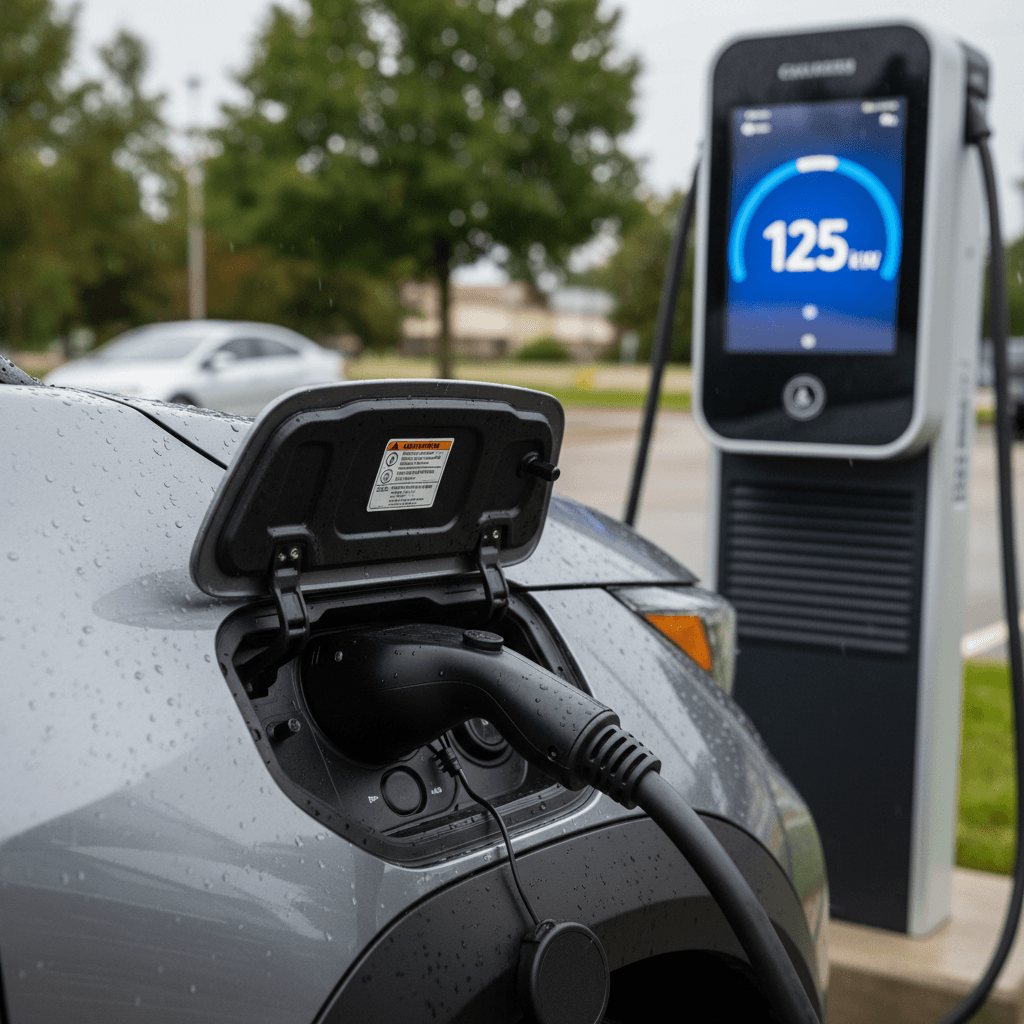
- Ramp-up (10–20% SOC): The car quickly increases power toward its peak. If the battery is warm, this happens within the first few minutes.
- High-power plateau (20–50% SOC): This is the "money zone" where the ZDX holds near its maximum kW, rapidly adding miles.
- Early taper (50–80% SOC): Power begins stepping down in stages, but you’re still gaining range quickly.
- Steep taper (80–100% SOC): Power falls sharply. You’re adding small chunks of range for a lot of time.
Target 10–60% or 10–80% on trips
Level 2 home charging speed for the ZDX
DC fast charging headlines get attention, but most of your Acura ZDX charging will happen at home on Level 2 (240V). That’s where the onboard 11.5 kW AC charger comes in. With a properly sized home circuit and wall unit, your ZDX can easily go from low to full overnight.
Acura ZDX Level 2 home charging expectations
Approximate charging times assume typical daily use and a healthy electrical installation.
| Scenario | Charging Setup | Approx. Power | Estimated Time |
|---|---|---|---|
| Full overnight charge (10–100%) | 48A Level 2 (11.5 kW), 60A breaker | ~11.5 kW | ~8 hours from low to full |
| Typical daily top‑up (30–80%) | 48A Level 2 | ~11.5 kW | ~4–4.5 hours after work |
| More modest home setup | 32A Level 2 (~7.7 kW), 40A breaker | ~7.7 kW | ~11–12 hours 10–100% (still fine overnight) |
| Emergency charging on 120V | Level 1 (1.4 kW) | ~1.4 kW | Roughly 3–4 miles of range per hour; only for short‑term use |
Use these numbers to size your home charging solution and decide whether a 40A or 48A circuit makes sense.
Home charging and used ZDXs
Road trip planning with Acura ZDX charging speeds
Knowing the ZDX’s DC behavior lets you plan road trips with the same confidence you’d bring to a gas SUV. The key is to think in segments, not just total range. Most drivers are more comfortable with a string of 2–3 hour stints than a single 5‑hour slog.
Planning efficient ZDX fast‑charging stops
1. Start warm and comfortable
Begin your trip with a full battery from home Level 2 and cabin preconditioning while plugged in. That preserves range and helps the pack start the day at a friendly temperature.
2. Aim for 10–20% arrival
Plan your first DC stop so you roll in near 10–20% state of charge. That’s where the ZDX is eager to accept high power, making your first top‑up especially efficient.
3. Unplug around 60–80%
Unless the next charger is truly far away, it’s usually faster overall to stop more often and keep the battery in the high‑power part of its curve instead of lingering at the plug.
4. Use the trip planner apps
Whether you’re using Acura’s built‑in navigation or third‑party apps like A Better Routeplanner, set your vehicle profile to match the ZDX’s charging characteristics so the system can auto‑schedule optimized stops.
5. Watch station reliability
Factor in backup options in case your preferred DC fast charger is down or crowded. The ZDX’s competitive range generally gives you enough buffer to skip a problematic site and continue to the next.
6. Mind weather and elevation
Headwinds, cold temperatures, and steep grades can all erode range. When conditions are harsh, add a bit more buffer to your arrival SOC targets.
Fast charging vs. battery health on the ZDX
Every EV shopper has heard the warning: frequent DC fast charging can wear on battery health over time. The Acura ZDX is no exception, but its battery thermal management and software are built to strike a balance between quick road‑trip stops and long‑term durability.
What the car does automatically
- Thermal management: Liquid cooling helps keep cell temperatures in the right band during high‑power sessions.
- Charging taper: The curve intentionally slows down at higher states of charge to limit stress.
- Software guardrails: You don’t have direct control over the most aggressive behaviors; the car’s BMS (battery management system) handles it for you.
What you can do as an owner
- Favor Level 2 at home: Use DC fast charging as a convenience and road‑trip tool, not your daily habit if you can avoid it.
- Aim for 20–80% for daily use: For commuting, there’s rarely a need to run from near‑empty to 100% every day.
- Minimize hot, full parking: Avoid leaving the ZDX at 100% in intense heat for long periods, charge closer to departure.
Hot, full, and parked = worst case for any EV
Buying a used Acura ZDX? Charging questions to ask
As ZDXs eventually enter the used market, charging behavior and battery health will separate the best buys from the rest. That’s where a transparent report, like the Recharged Score we include with every EV on our platform, can be a powerful filter.
Charging-focused questions for a used Acura ZDX
These are the kinds of things you’ll want answers to before you commit, whether you’re buying from a private party or a retailer like Recharged.
1. Battery health report
Ask for documentation on battery capacity versus original. A good report summarizes:
- Estimated remaining usable kWh,
- Any unusual cell balance issues, and
- Diagnostic trouble codes.
Recharged’s Score Report packages this in a format you don’t need an engineering degree to decode.
2. DC fast charging history
Light or moderate DC fast charging use isn’t a red flag by itself, especially for road‑trip‑oriented owners. Still, it’s helpful to know:
- Whether the car lived primarily on DC stalls, and
- If it was a fleet or rideshare vehicle.
3. Home charging setup
Understanding how the previous owner charged tells you:
- If the car had a stable Level 2 home routine,
- Whether the included portable EVSE is still in good condition, and
- How you’ll integrate the car into your own home electrical system.
How Recharged can help
Ready to find your next EV?
Browse VehiclesAcura ZDX charging speed test FAQ
Frequently asked questions about Acura ZDX charging speeds
Key takeaways: Acura ZDX charging performance
The emerging picture of the Acura ZDX charging speed test story is encouraging: a modern EV crossover that charges fast enough to make long‑distance driving routine, without demanding hour‑long stops. Plan on roughly 30–32 minutes for a 10–80% DC fast charge in good conditions, a full overnight refill on a healthy Level 2 home setup, and a charging curve that rewards smart planning between 10–80% instead of chasing 100% at every stop.
If you’re looking ahead to the used market, those same characteristics, plus transparent battery diagnostics, will determine which ZDXs are worth a closer look. Recharged’s mission is to make that evaluation easier, pairing every used EV we sell with a verified battery health report, expert guidance on charging, and flexible financing and delivery. Whether you end up in an Acura ZDX or another electric SUV, understanding charging curves and real‑world speed tests will help you pick an EV that fits the way you actually drive.