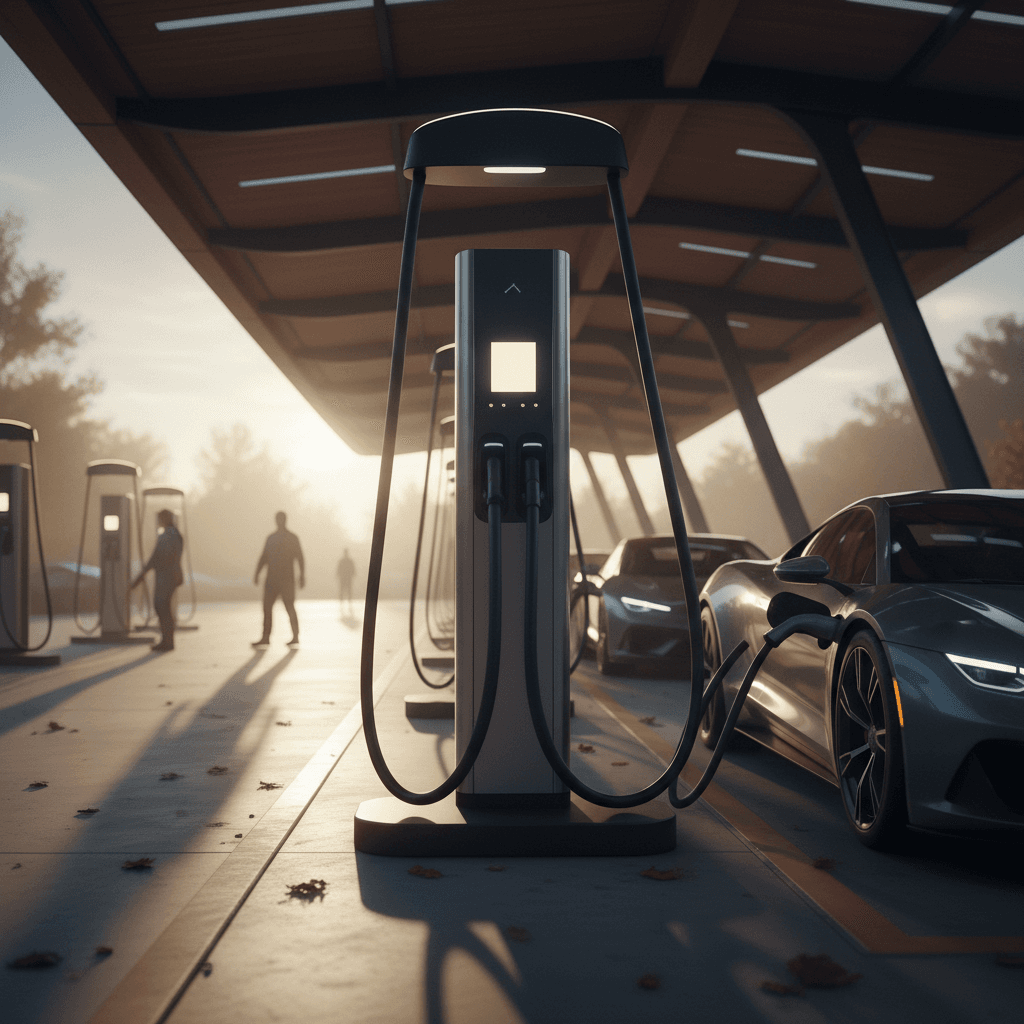
Pull up to a big green "Hyper-Fast" label that says up to 350 kW and it’s easy to assume your EV will gulp down hundreds of miles of range in just a few minutes. The reality is more nuanced. A 350 kW charger is the top end of today’s public DC fast charging, but how much benefit you get depends heavily on your car, your battery size, and how you use it.
Why 350 kW chargers matter now
What is a 350 kW charger, exactly?
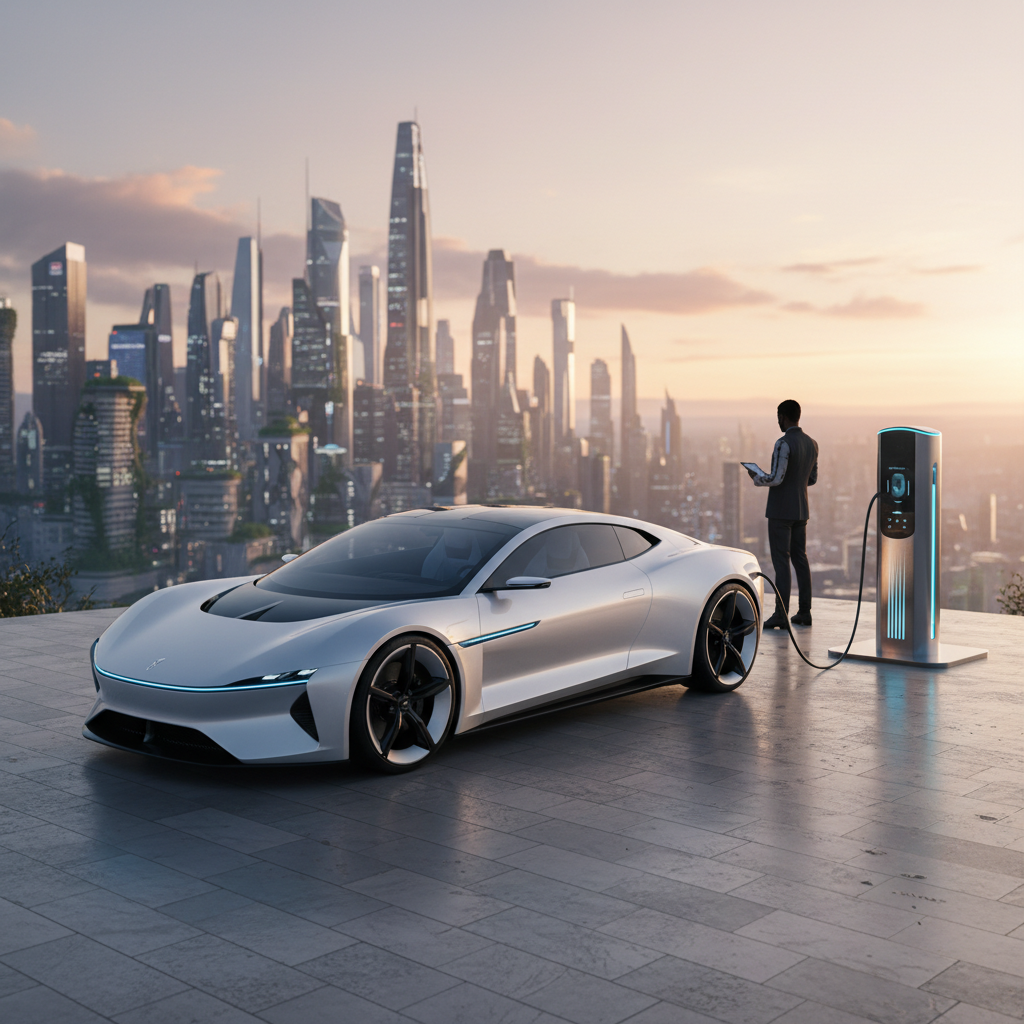
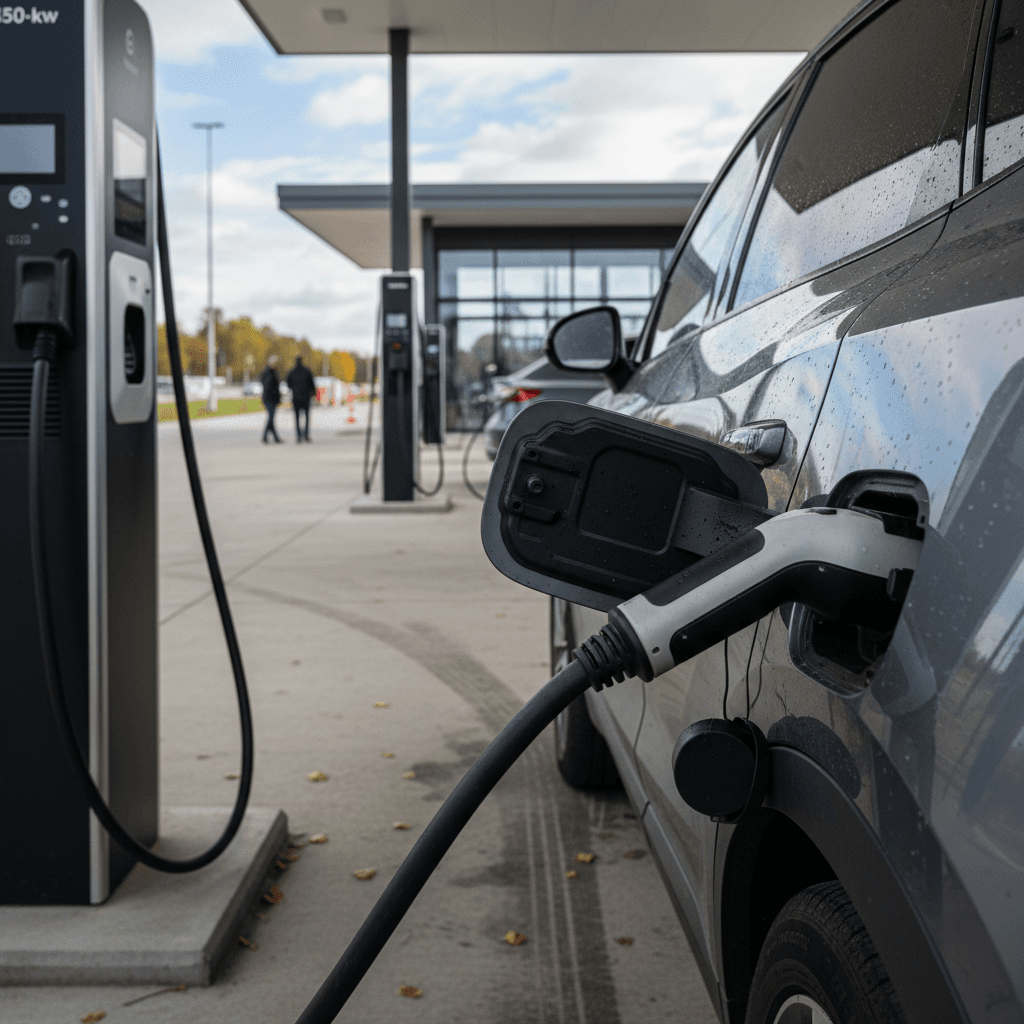
A 350 kW charger is a DC fast charging station capable of delivering up to 350 kilowatts of power to a compatible electric vehicle. In plain English, it’s an ultra-fast outlet that can add a lot of energy very quickly, often enough for a significant highway leg in around 15–25 minutes.
- 350 kW = 350,000 watts of DC power delivered directly to the battery
- Typically uses CCS1 or NACS connectors in North America
- Requires high-voltage EVs (often 800-volt architectures) to get close to the full 350 kW
- Usually found along highways, at travel centers, and new “flagship” charging hubs rather than in-town parking lots
Networks market these as Hyper-Fast or similar labels. For example, Electrify America tags its 350 kW-capable stalls with green Hyper-Fast labels and reserves teal labels for 150 kW Ultra-Fast units. The key phrase is “up to.” Your charger may be capable of 350 kW, but your EV decides how much power it will actually accept at any given moment.
Power rating vs. what you see on the screen
Where you’ll find 350 kW chargers in the U.S. today
If you’re driving in the U.S., your best chances of finding a 350 kW charger are on major interstates and busy regional corridors. The biggest DC fast charging networks have been steadily upgrading or replacing older 50–150 kW units with 350 kW-capable hardware, especially at new “hub” locations.
Major networks offering 350 kW DC fast chargers
You’ll see similar hardware across brands, but apps and pricing differ.
Electrify America
Large national highway-focused network with thousands of DC fast chargers and a growing share of 350 kW "Hyper-Fast" stalls at flagship sites and travel centers.
EVgo
Rapidly expanding urban and corridor network. Many newer locations offer 350 kW-capable hardware, particularly at high-traffic destinations and truck stops.
ChargePoint & Others
ChargePoint, Blink, Shell Recharge and regional utilities are deploying high-power DC fast chargers, often in the 200–350 kW range, at travel plazas, dealerships and retail hubs.
Tesla’s current V3 Superchargers top out at 250 kW for most vehicles, but other networks now routinely advertise 350 kW on their highest-power equipment. A growing number of these sites also include NACS connectors, which will matter more as Ford, GM, Hyundai and other brands roll out native NACS ports on new models.
Finding 350 kW chargers on the road
How fast is a 350 kW charger in the real world?
On paper, 350 kW sounds almost twice as fast as a 180 kW or 200 kW charger. In practice, most EVs only hit that peak briefly, if at all. Charging power follows a curve, not a straight line: it ramps up from a low state of charge, plateaus for a while, then tapers down to protect the battery.
Typical 10–80% session on a modern 800V EV
A top-tier example: the latest Porsche Taycan can peak north of 300 kW on a 350 kW charger and add a huge chunk of range in well under 20 minutes. But even then, average power over the entire 10–80% window lands far below that momentary peak. That’s typical for every EV on the market.
Think in averages, not peaks
350 kW vs 150 kW: Which one actually saves time?
From a distance, 350 kW looks more than twice as fast as 150 kW. But charging curves and battery limits narrow that gap. Tests on high-end EVs that support 350 kW show that the difference from 150 kW isn’t dramatic once you look at total stop time, especially beyond the first 10–15 minutes.
Illustrative charging comparison: high-end EV on 150 kW vs 350 kW
Approximate real-world results based on published fast-charging tests; actual numbers vary by model and conditions.
| Highway range added | 150 kW charger | 350 kW charger |
|---|---|---|
| 100 miles | ≈9 minutes | ≈5–6 minutes |
| 200 miles | ≈18 minutes | ≈12 minutes |
| 300 miles | ≈28 minutes | ≈22 minutes |
At very low state of charge and short stops, the 350 kW charger offers the biggest advantage.
You can see the pattern: the 350 kW stop is quicker, but not by a factor of two. For longer sessions, the gap often shrinks to just a handful of minutes because both sessions spend most of their time below peak power.
When a 350 kW charger does matter
- You start at a very low state of charge (around 5–15%).
- Your EV supports 230 kW+ peak charging and holds high power well.
- You only need a short splash charge (10–15 minutes) to reach the next stop.
- You’re on a tight schedule and every minute counts.
When a 150 kW charger is usually fine
- Your EV peaks below ~150–170 kW anyway.
- You’re planning a longer break (bathroom, food, stretching).
- The 150 kW site is more reliable or less crowded.
- You’re charging from 20% up past 80%, where tapering limits power.
Smart move on a road trip
Can my EV actually use a 350 kW charger?
Every modern EV sold in the U.S. with DC fast charging can plug into a 350 kW station (with the right connector), but very few can accept anything close to 350 kW. Your car’s battery voltage, chemistry and thermal management set the ceiling.
Typical DC fast charging capabilities by EV type
Rough bands for 2023–2025 EVs; always check your specific model.
Entry-level & older models
Many mass-market EVs, especially older CCS cars, peak in the 50–100 kW range and may only briefly touch that max. For them, a 350 kW charger behaves a lot like a 100–150 kW unit.
Mainstream new EVs
Recent crossovers and pickups often peak around 120–190 kW. They can benefit from robust 150–200 kW hardware but rarely see major gains above that on 350 kW stations.
High-performance 800V EVs
Cars like the latest performance sedans and some Korean 800V models can briefly exceed 230–300 kW when conditions are ideal, these are the vehicles that squeeze real value from 350 kW chargers.
To see your EV’s real limits, check the owner’s manual or a reputable test from a third-party outlet. Look for both the maximum DC charging power and the time it takes to go from 10% to 80% on a high-power charger. That tells you far more than the marketing number on the station.
Quick driveway test
What you’ll pay on a 350 kW fast charger
Despite the higher power, a 350 kW charger doesn’t bill you more per kilowatt-hour just because it’s faster. Networks typically use the same rate schedule for all DC fast chargers at a site, whether they’re 150 kW or 350 kW. What affects your bill is how long you’re plugged in and how much energy your car actually takes.
- Session fees: Some networks add a small start fee (for example, $1) on top of energy or time-based billing.
- Energy pricing: Many states allow per-kWh billing (e.g., $0.31–$0.45/kWh for DC fast charging), regardless of whether you’re on a 150 kW or 350 kW stall.
- Time-based or idle fees: To keep stalls available, networks may charge per minute after a grace period once charging ends, especially at busy high-power sites.
- Membership discounts: Signing up with a network or automaker’s charging plan can significantly reduce per-kWh rates on DC fast charging.
Watch for idle fees
Protecting battery health on ultra-fast chargers
The good news: modern EV batteries are designed to handle DC fast charging, including 350 kW hardware, without falling apart after a few road trips. Automakers build conservative buffers and taper strategies into their software. Still, how you charge does affect long-term health and resale value, especially if you’re looking at a used EV.
Best practices when using 350 kW chargers
Avoid 0–100% fast charges when possible
Using DC fast charging from very low (below 5–10%) all the way to 100% puts more stress on the pack. For road trips, aim for 10–80% swings instead.
Lean on home or Level 2 for daily needs
Regular overnight Level 2 charging is gentler on your battery than frequent DC fast charging. Save 350 kW stops for long drives or tight schedules.
Precondition the battery when your car supports it
Many EVs can warm or cool the battery before you arrive at a fast charger. That lets the car hit higher power sooner and spend less time tapering.
Favor multiple shorter fast charges over one huge session
On long trips, two 20–25 minute stops between 10–60% can be easier on the pack, and your schedule, than one long push up to 90–100%.
Monitor frequent fast-charging in the owner app
Some brands track how often you DC fast charge. If your usage is heavily DC-only, expect more conservative charging curves over time as the car protects itself.
Don’t chase 350 kW at all costs
Road-trip strategies for using 350 kW chargers
If you own an EV that can really take advantage of 200 kW+ charging, 350 kW sites can turn a long slog into a rhythm: drive, stop briefly, repeat. Even if your car peaks lower, clustering high-power sites along interstates gives you more options to keep moving.
Plan around 10–70%, not 0–100%
Most EVs charge fastest between roughly 10% and 60–70%. Plan your stops so you arrive near the bottom of that band and leave before the taper really slows you down.
- Use your car’s trip planner or apps like A Better Routeplanner.
- Let the software pick optimal stops, many tools now factor in charger power.
Build “buffer” without overcharging
In bad weather or sparse charging areas, it’s tempting to fill to 100%. Instead, add a modest buffer, maybe 10–15%, above what routing suggests.
- Stop a bit more often rather than maxing out to 100%.
- Check recent check-ins in apps like PlugShare for station status.
Think like a frequent flyer
What 350 kW charging means when you’re buying a used EV
If you’re shopping the used market, 350 kW charging affects you in two ways: how fast the car can charge on road trips, and how much the battery’s past usage may have impacted long-term health. Both matter for value, especially as more high-power infrastructure comes online.
Key 350 kW questions for used EV shoppers
Speed and battery health should both be on your checklist.
1. What’s the car’s real DC fast-charging capability?
Look past the marketing and check independent tests: How long does it take this model to go 10–80% on a high-power charger? A car that can average 120–170 kW will feel very different on trips than one that tops out near 70–80 kW.
2. How has the battery been treated?
Ask the seller about typical charging habits. A car that lived on home Level 2 with occasional road-trip DC charging usually ages more gracefully than one that fast-charged multiple times per week.
How Recharged helps you read between the lines
Used EV checklist: fast charging and real-life usability
Confirm DC fast-charging support and connector type
Make sure the car has the right port (CCS or NACS) for the networks you’ll use most, and that adapters are readily available if needed.
Compare 10–80% charging times between candidates
Two similar crossovers can differ by 10+ minutes per stop. Over a full day’s drive, that’s the difference between arriving at dinner, and arriving at bedtime.
Review battery health, not just mileage
Low mileage doesn’t guarantee a healthy pack. A transparent health report like the Recharged Score gives a far clearer picture of long-term performance.
Factor in your home charging situation
If you have reliable Level 2 at home, you may only hit a 350 kW charger on road trips. If you rely on public DC daily, put extra weight on robust fast-charging behavior and battery condition.
FAQ: 350 kW chargers
Frequently asked questions about 350 kW chargers
Bottom line: When a 350 kW charger is worth it
A 350 kW charger is one of the most powerful tools in today’s public charging toolbox, but it’s not a magic wand. Your EV’s charging hardware, its software, the battery’s temperature and state of charge, and even your route planning all matter far more than a single big number on a pedestal.
If you drive a modern EV that can sustain very high charging rates, 350 kW sites can turn long trips into a smooth series of short, predictable stops. For many other models, they’re still worthwhile, often because they’re the newest and most reliable stations at a site, even if you never break 150 kW. And if you’re shopping for a used EV, understanding how that car will perform on today’s high-power infrastructure is almost as important as knowing its rated range.
At Recharged, we built our marketplace around that reality. Every used EV we list includes a Recharged Score Report with verified battery health and transparent pricing, so you know exactly what kind of charging performance to expect before you buy. That way, when you do pull up to a 350 kW charger on your next road trip, the only surprise is how quickly you’re back on the road.