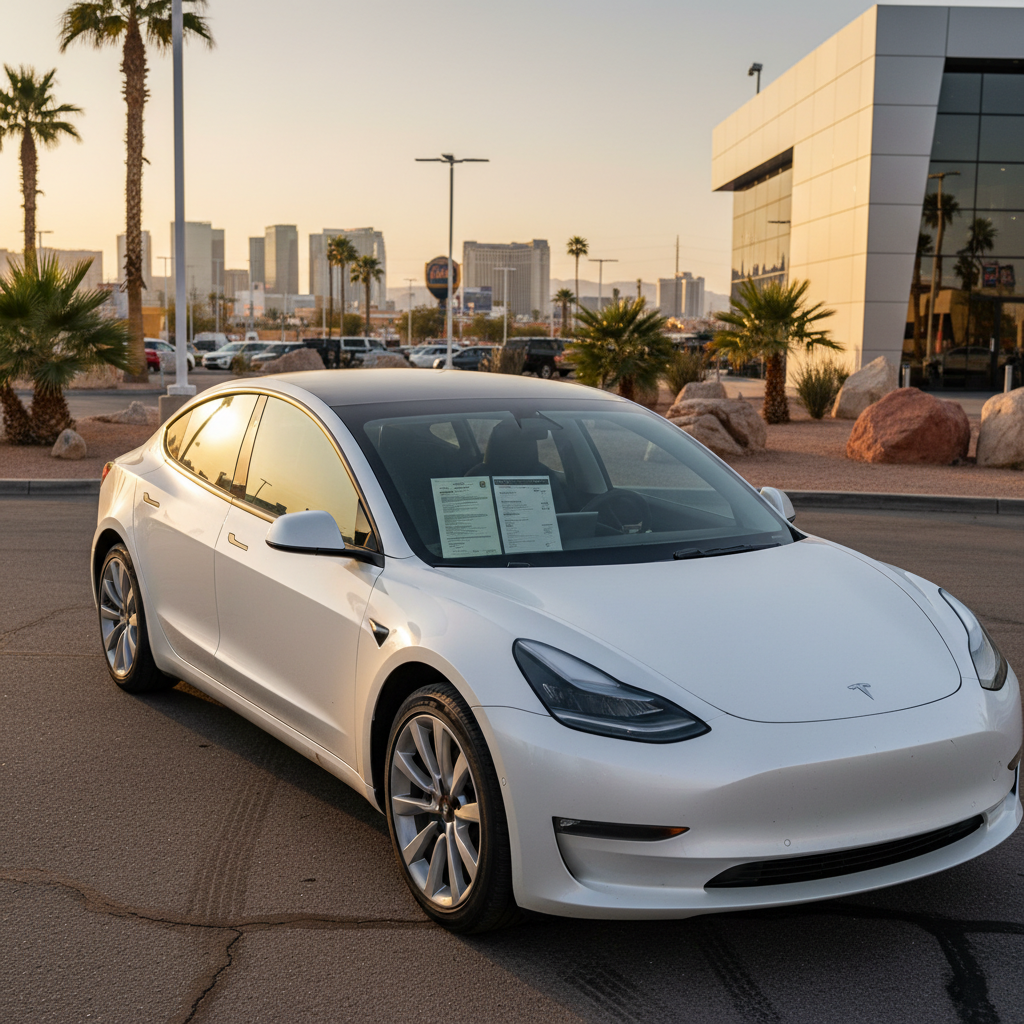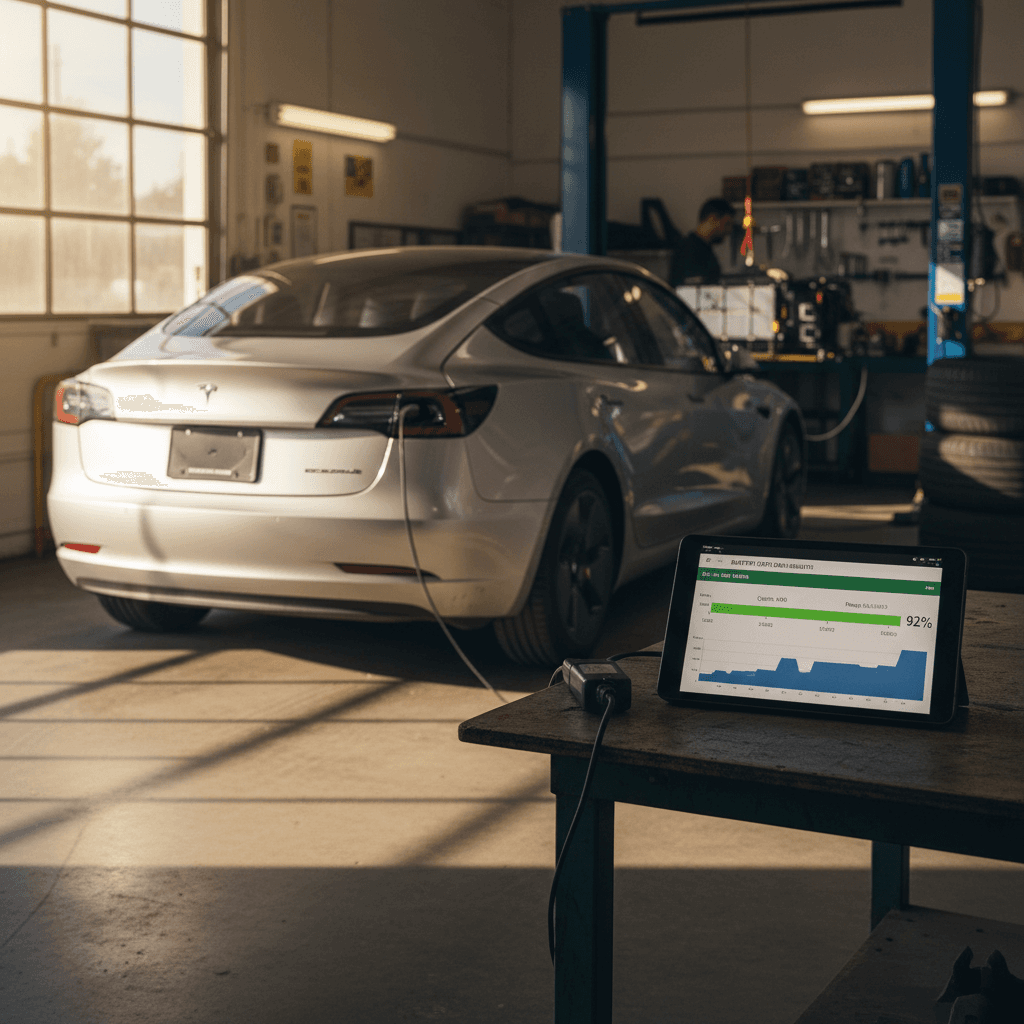
If you’re shopping the used market in 2026, you’ll see a wave of 2022–2023 electric cars hitting dealer lots and online marketplaces. The big question: is a 3‑year‑old EV worth buying, or are you inheriting someone else’s battery problems? The short answer: for many buyers, a 3‑year‑old EV is the value sweet spot, as long as you know how to evaluate depreciation, battery health, and warranty coverage.
Why 3 Years Matters
Is a 3‑Year‑Old EV Worth Buying in 2026?
For a typical U.S. driver, a 3‑year‑old EV can absolutely be worth buying. By year three, the first owner has usually absorbed the steepest depreciation hit, but the vehicle is still young enough that the battery, electronics, and interior haven’t seen much real‑world wear. In many cases you’re getting 70–60% of the original price while keeping 90%+ of the real‑world utility, especially if the battery has been well cared for and you still have several years of factory warranty remaining.
Why 3‑Year‑Old EVs Are So Compelling
Why 3‑Year‑Old EVs Often Hit the Sweet Spot
The Three Big Advantages at the 3‑Year Mark
Price, tech and warranty often line up best around year three.
1. You Skip the Steepest Depreciation
2. You Still Get Modern Tech
3. You Keep Warranty Protection
Pro Tip: Age + Mileage Together
How Much Do 3‑Year‑Old EVs Really Depreciate?
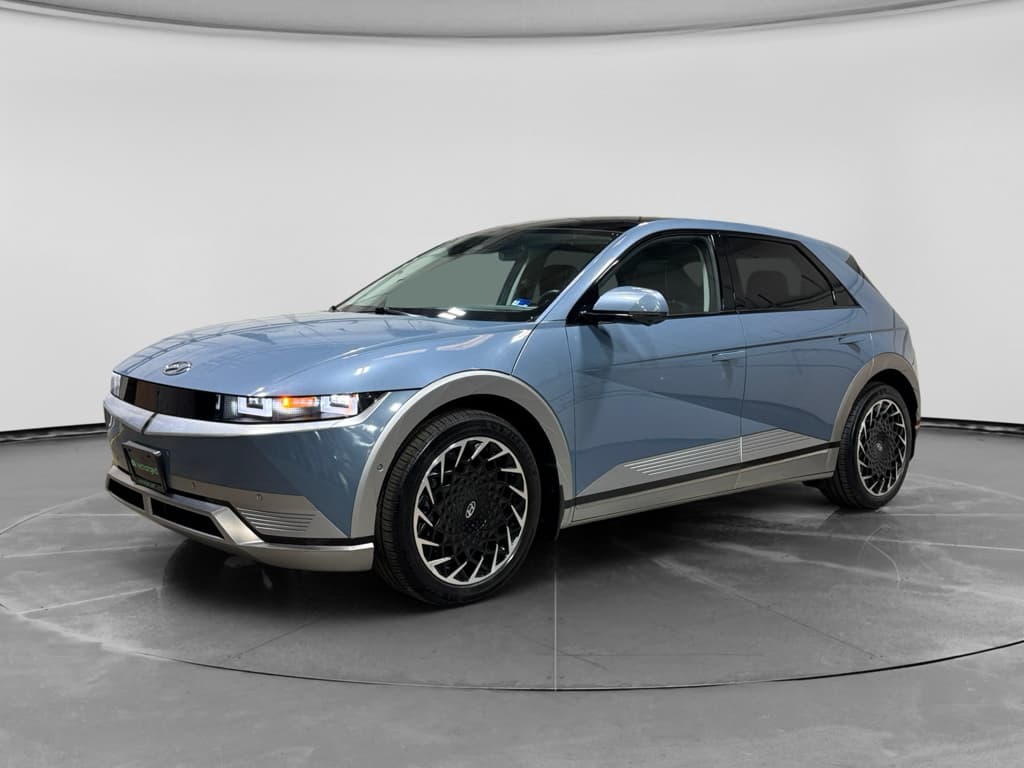
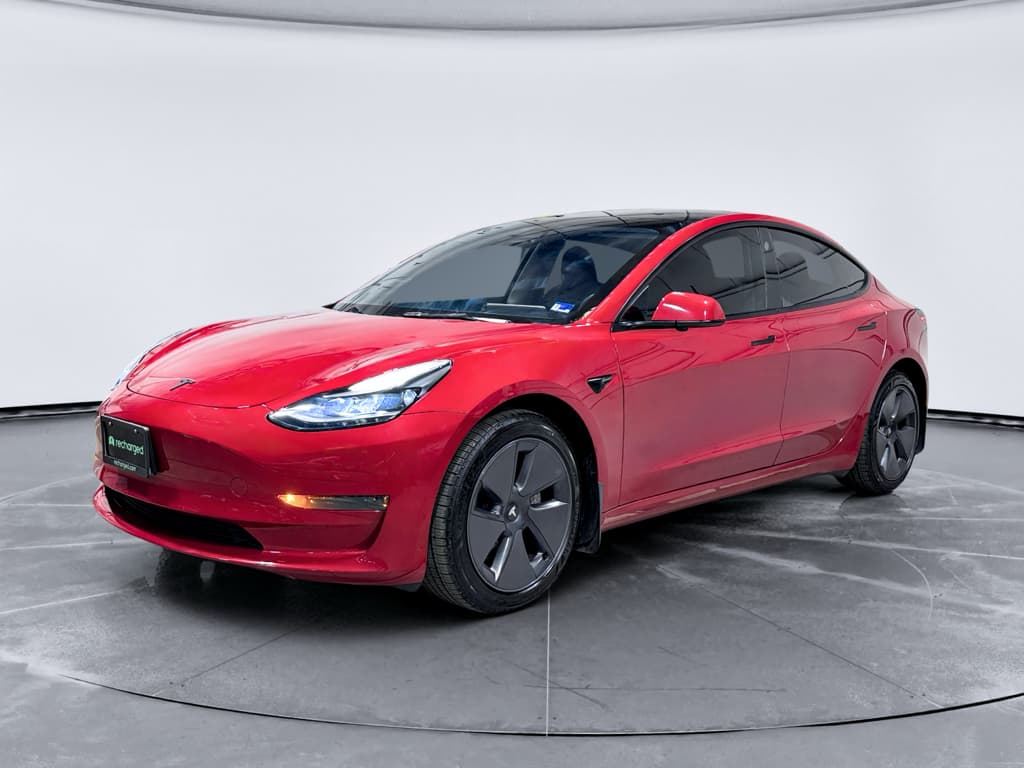
Used EV pricing has been volatile as new‑EV incentives, interest rates, and automaker price cuts reshaped the market. But zoom out, and a pattern is emerging: many mainstream EVs lose roughly 35–45% of their value in the first three years, with luxury and early‑adopter models often dropping more. For instance, independent depreciation tools estimate that a popular compact EV like the Tesla Model 3 can lose around 40–45% of its value over the first three years, then flatten out as it ages.
Illustrative Depreciation at the 3‑Year Mark
Approximate 3‑year depreciation ranges for popular EV segments based on 2024–2025 market data. These are directional, not quotes for a specific VIN.
| Segment / Example | Original MSRP* | Typical 3‑Year Value | Approx. Depreciation | Notes |
|---|---|---|---|---|
| Compact sedan (e.g., Tesla Model 3 RWD) | $40,000 | $22,000–$25,000 | ~38–45% | Price cuts and inventory have amplified early depreciation, but values stabilize after year three. |
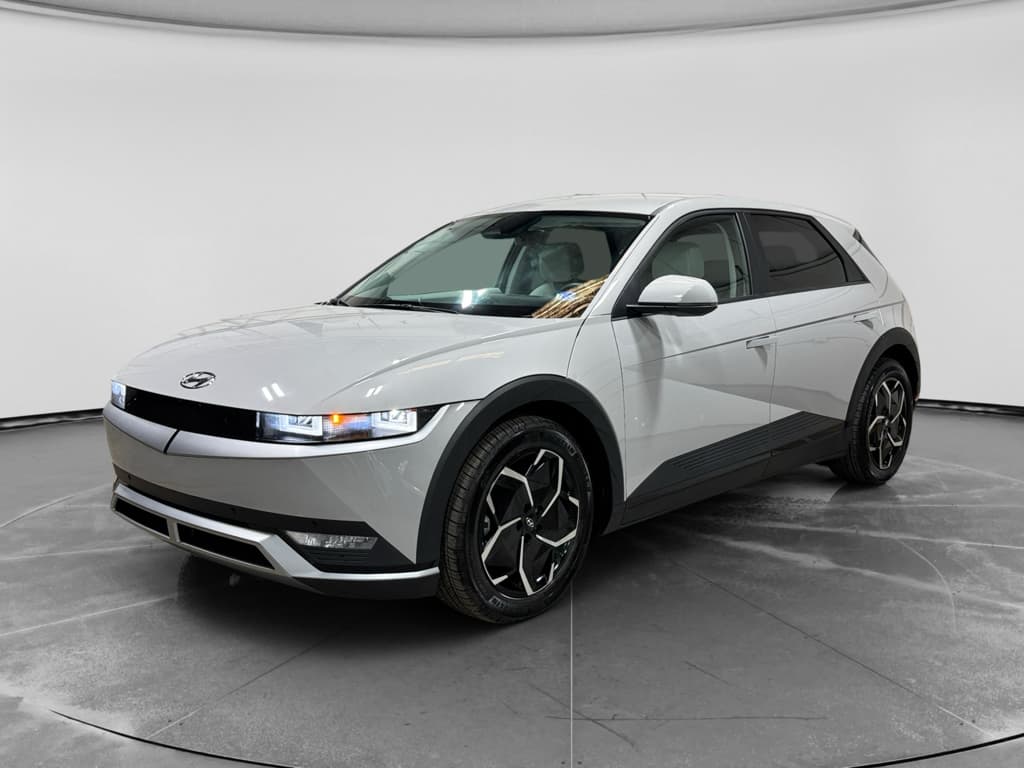
| Compact crossover (e.g., Hyundai Ioniq 5 SE) | $45,000 | $26,000–$30,000 | ~33–42% | High demand for practical crossovers can support slightly stronger residuals. |
| Luxury EV (e.g., Mercedes‑EQ, early Audi e‑tron) | $70,000+ | $35,000–$42,000 | ~40–50% | Higher MSRPs, fast tech turnover, and incentives create bigger early drops. |
| Short‑range older designs (e.g., Nissan Leaf S) | $32,000 | $13,000–$17,000 | ~45–60% | Limited range and no active battery cooling hurt long‑term values. |
Always compare asking price against current market data and condition, not just percentage charts.
Don’t Buy on Price Alone
Battery Health: What to Expect at 3 Years Old
The biggest fear buyers voice about used EVs is battery life. The good news: real‑world data from fleets, taxi services, and long‑term tests consistently show that modern EV batteries hold up much better than internet myths suggest. Multiple large data sets have found that many contemporary EVs lose only around 1–2% of capacity per year on average, with most still above 90% state of health (SoH) after 3–5 years, even under hard, high‑mileage use.
Typical 3‑Year Battery Outcomes
- Healthy modern EVs: Often around 90–95% state of health at 3–4 years.
- Real‑world test example: A Volkswagen ID.3 tested for four years and over 100,000 miles retained roughly 91% capacity, better than its warranty promise.
- Daily usability: That kind of loss usually trims range by only a few dozen miles, often barely noticeable in day‑to‑day commuting.
When to Worry About Degradation
- Below ~80% SoH at 3 years is a red flag unless mileage or usage was extreme and the price reflects it.
- Fast, uneven loss (large drops in a short time) can indicate a problem pack or thermal‑management issue.
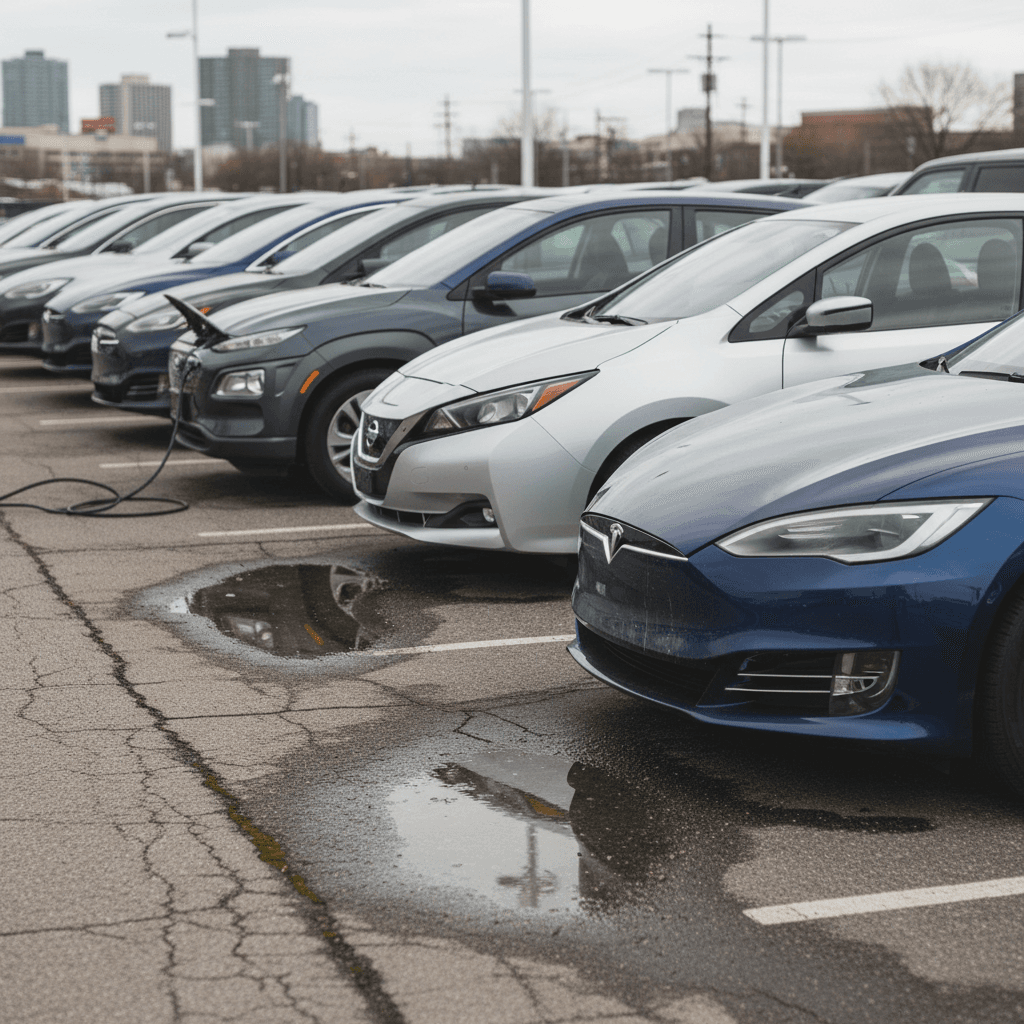
- No battery data offered is itself a warning sign, today, you should expect some form of documented battery health report.
Non‑Negotiable: Get Battery Data
Warranty Coverage on a 3‑Year‑Old EV
Unlike gas cars, the most expensive part of an EV, the high‑voltage battery, usually has its own long warranty. In the U.S., most mainstream brands give 8 years or 100,000–150,000 miles of battery coverage, often guaranteeing at least 70% capacity during that period. That means a 3‑year‑old EV commonly has 5 or more years of battery warranty left, assuming it’s not past the mileage limit.
Typical EV Warranty Terms (U.S. Market)
Always verify exact coverage for the year, trim, and brand you’re shopping, terms can change.
| Brand (Typical) | Basic Bumper‑to‑Bumper | Battery & High‑Voltage Components | What a 3‑Year‑Old Car Often Has Left |
|---|---|---|---|
| Tesla | 4 yrs / 50,000 mi | 8 yrs / 100,000–120,000 mi (varies by model) | 1 year of basic, ~5+ years of battery coverage if mileage is average. |
| Hyundai / Kia | 5 yrs / 60,000 mi | 10 yrs / 100,000 mi (often to first owner) | Some basic coverage, and strong battery warranty, confirm transferability. |
| GM, Ford, VW, others | 3 yrs / 36,000 mi | 8 yrs / 100,000 mi (typical) | Basic may be expiring, but roughly 5 years of battery coverage remains. |
| Luxury brands (Mercedes‑EQ, Audi, BMW) | 4 yrs / 50,000 mi | 8 yrs / 100,000 mi (varies) | Often 1 year of comprehensive coverage and 5 years of battery warranty. |
Battery and high‑voltage warranties are where 3‑year‑old EVs really stand out versus older used models.
Check Transfer Rules
Which 3‑Year‑Old EVs Are Worth Buying?
Not every 3‑year‑old EV is created equal. Range, charging speed, cooling design, and brand‑specific quirks all affect how well they age. In general, 2022–2023 models with at least 230 miles of EPA range, liquid‑cooled batteries, and DC fast‑charging capability are the strongest all‑around bets.
3‑Year‑Old EV Types That Often Make Sense
Think in categories, then drill down to specific trims and options.
Efficient Daily Commuters
Family Crossovers
Adventure & Utility EVs
Where Recharged Fits In
Red Flags on a 3‑Year‑Old EV
Even at just three years old, an EV can be a hero or a headache. The difference is usually hiding in the battery data, history, and how honestly the seller prices the car relative to its condition.
- No battery health documentation, seller won’t share diagnostics, app screenshots, or a third‑party report.
- Unusually low range display vs. original EPA rating, with no clear explanation.
- Excessive DC fast‑charging on a small‑battery city EV, especially in very hot climates.
- Unresolved recalls, software campaigns, or high‑voltage system warnings.
- Accident history involving the battery pack, underbody, or high‑voltage cabling.
- Asking price that ignores heavy degradation or expiring warranty coverage.
One Hard Rule
Checklist: Inspecting a 3‑Year‑Old EV Before You Buy
10‑Point Checklist for Evaluating a 3‑Year‑Old EV
1. Confirm the Real Battery Health
Ask for a recent, independent battery health report or OEM diagnostic. Aim for at least 85–90% SoH at age three unless the price clearly reflects lower capacity.
2. Compare Displayed Range to Original Specs
With the car at 100%, compare the indicated range to the original EPA rating. A modest gap is normal; a massive drop may signal degradation or software issues.
3. Review Charging History
If possible, look at how often the car used DC fast charging vs. slower AC charging. Occasional road‑trip fast charging is fine; constant fast charging in extreme heat is not.
4. Check for Recalls and Service Bulletins
Search the VIN for open recalls and ask for service records. Pay attention to high‑voltage system repairs, battery‑cooling system work, and software updates that address range or charging.
5. Inspect Tires, Brakes, and Suspension
Even with regenerative braking, a neglected 3‑year‑old EV can have uneven tire wear or tired suspension from heavy duty use. These costs add up, especially on heavier EVs.
6. Test Home and Fast Charging
If the seller is local, plug into a Level 2 charger and, if possible, a DC fast charger to confirm the car charges at expected speeds without errors or throttling.
7. Evaluate Driver‑Assist and Infotainment
Confirm that key ADAS features (like adaptive cruise and lane keeping) and the infotainment system work as expected. Over‑the‑air updates can fix bugs, but only if they’ve been installed.
8. Verify Warranty Status
Call a franchised dealer or check the manufacturer’s online tools with the VIN to confirm remaining battery, powertrain, and basic warranty coverage.
9. Check for Flood or Structural Damage
As with any used car, look for signs of water intrusion, rust, or poorly repaired collision damage, especially around the underbody and battery enclosure.
10. Get a Specialist Inspection if Buying Privately
Independent inspections are trickier with EVs, because not every shop can read high‑voltage diagnostics. Look for EV‑literate inspectors, or simplify by buying from a specialist retailer like Recharged that does this work before listing the car.
How Recharged Helps De‑Risk Buying a 3‑Year‑Old EV
If you’re new to EVs, decoding battery data, model‑specific issues, and warranty fine print can feel overwhelming. That’s exactly the gap Recharged set out to fix. Instead of crossing your fingers on a private‑party listing, you can shop a curated inventory of used EVs, including many 3‑year‑old cars, where the homework is already done.
What You Get When You Buy a 3‑Year‑Old EV Through Recharged
Built from the ground up around used electric vehicles, not gas‑car assumptions.
Recharged Score Battery Health Report
Transparent Pricing & Financing
Nationwide Delivery & EV‑Savvy Support
Built for the Used‑EV Lifecycle
Ready to find your next EV?
Browse VehiclesFAQs: Is a 3‑Year‑Old EV Worth Buying?
Frequently Asked Questions About 3‑Year‑Old EVs
Bottom Line: Should You Buy a 3‑Year‑Old EV?
If you’re asking whether a 3‑year‑old EV is worth buying, the answer is often yes, provided you let data, not guesswork, drive your decision. At around three years, many electric cars have already taken their biggest depreciation hit while their batteries are still in the early, flatter part of the aging curve and their tech feels current.
Focus on three things: verified battery health, realistic range for your lifestyle, and clear warranty status. Do that well and a 3‑year‑old EV can deliver years of low‑maintenance, low‑fuel‑cost driving for far less than new. If you’d rather not decode battery charts and warranty PDFs alone, browsing used EVs with a Recharged Score, transparent pricing, EV‑savvy advisors, and nationwide delivery is an easy way to start on the right foot.