If you’re hunting for the most reliable used Tesla model, you’ve probably heard everything from “they’re bulletproof” to “they’re the least reliable used cars on the market.” The truth is more nuanced: some Tesla models and years hold up remarkably well, while others can be money pits if you buy blind. This guide breaks down the data, the patterns we see in the real used-EV market, and how to stack the odds in your favor.
A quick reality check
Why reliability is tricky with used Teslas
Traditional reliability rankings were built for gas cars: lots of moving parts, routine fluid changes, and wear items that fail in predictable ways. With Teslas, drivetrains are usually the least of your worries. What tends to go wrong are electronics, trim, suspension, or those hard-to-quantify software quirks that show up in owner surveys but not on a repair invoice.
- EV drivetrains (motors, inverters) are generally robust; failures are rare but expensive.
- Most used-Tesla issues are "nuisance" problems: screens, sensors, wind noise, trim, charging doors, etc.
- Over-the-air updates can fix some issues but also introduce new bugs that owners report as reliability problems.
- Early production years for each model tend to be much worse than later years, as Tesla iterates in production.
Brand vs. model reliability
Quick answer: which used Tesla model is most reliable?
Most reliable used Tesla picks (2026 snapshot)
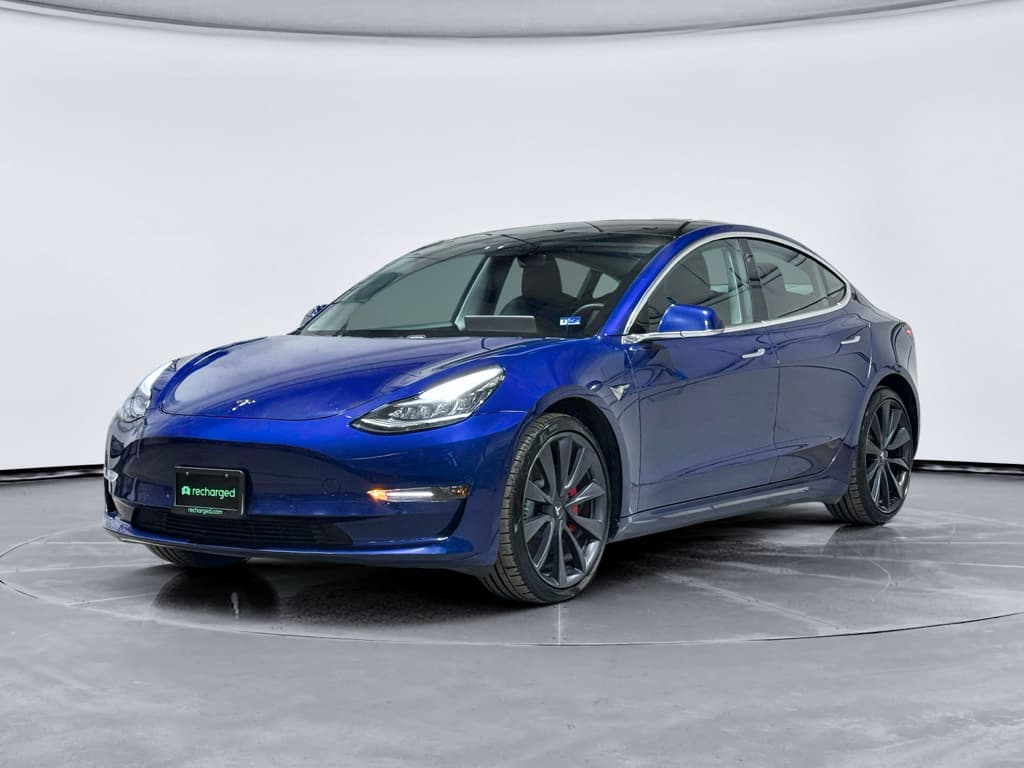
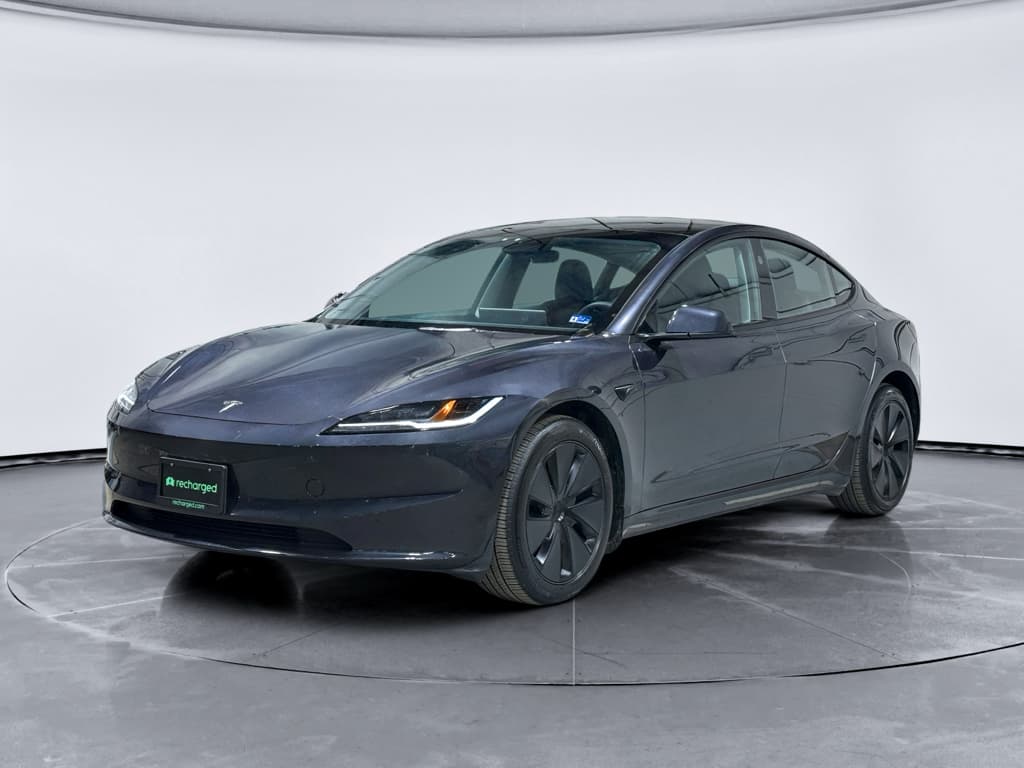
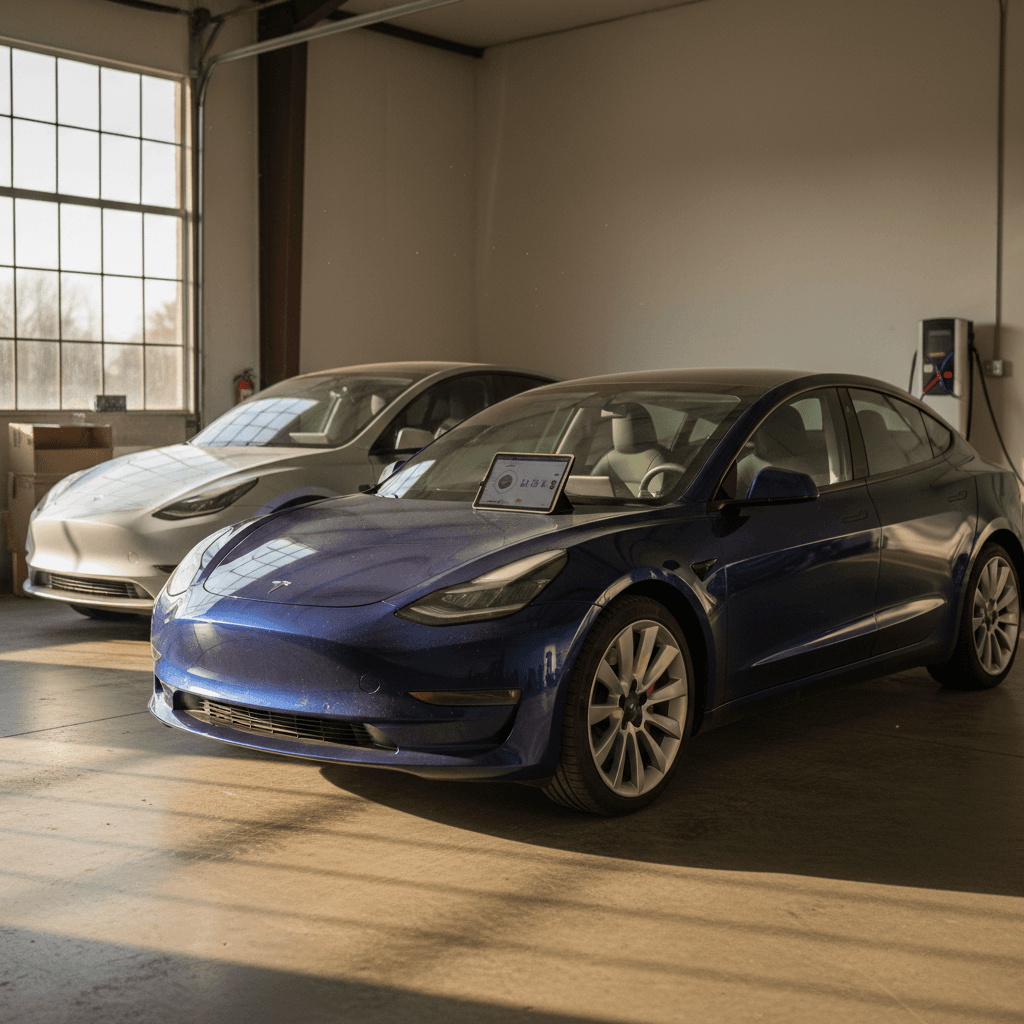
If you want the safest bet on a reliable used Tesla, you’re usually looking at a rear‑wheel drive or Long Range Model 3 from a mature production year (for example, 2019–2023), with documented service history and healthy battery diagnostics. In other words: smaller, simpler Tesla, built after they’d already ironed out the worst early bugs.
How each Tesla model holds up as a used car
Used Tesla model reliability at a glance
Strengths, weaknesses, and who each model fits best
Model 3 (Compact sedan)
Best all-around used Tesla. Simple packaging, huge production volume, and years of iterative improvements make the Model 3 the most predictable bet.
- Fewer complex features than S/X (no Falcon Wing doors, simpler suspension).
- Owner surveys show solid long-term satisfaction even as cars age.
- Plenty of parts and aftermarket support.
Model Y (Crossover/SUV)
Practical and popular, but more mixed reliability. Shares a lot with Model 3, but ride quality, build variability, and some suspension/wind-noise complaints show up more.
- Great space and range for families.
- Some markets show poor inspection results on certain years; check carefully.
- Often slightly more expensive than a similar-year Model 3.
Model S (Flagship sedan)
High-performance, high-complexity. Early cars were groundbreaking but had plenty of teething issues. Later cars are better, but used examples vary wildly.
- Air suspension, door handles, and MCU screens are common pain points.
- Out-of-warranty repairs can be eye-watering compared with 3/Y.
Model X (Large SUV)
Gorgeous doors, complicated reality. The X is beloved by many owners but consistently ranks among the least reliable Teslas, especially as a used purchase.
- Falcon Wing doors, air suspension, and large glass panels add risk.
- Best approached only with warranty coverage and a healthy repair budget.
Sedan vs. SUV for reliability
Best years for a reliable used Tesla
Tesla iterates quickly. The flip side of constant innovation is that the first couple of model years for any new Tesla tend to have more issues, while later years benefit from thousands of real-world fixes baked into production. When you’re shopping used, you generally want the last year or two of a given generation, not the first.
Better vs. riskier years by Tesla model (used-focused)
Broad guidance for reliability-minded U.S. buyers in 2026. Individual vehicle history always matters more than model-year averages.
| Model | Safer used years to target* | Years to be extra cautious with | Key notes |
|---|---|---|---|
| Model 3 | 2019–2023 | 2017–2018, very early 2019 builds | Early cars had more trim/electronic issues; 2019+ benefited from huge production volumes and continuous tweaks. |
| Model Y | 2021–2023 | 2020 launch year, some 2024+ depending on recall status | Later 3/Y share many components; early Ys and some build locations show higher defect rates in inspections. |
| Model S | 2018–2021 refresh, 2022+ with strong records | 2012–2016, early refresh years | Older S can be cheap but carry risk: MCU failures, door handles, air suspension, corrosion in salty climates. |
| Model X | 2018+ with thorough records and warranty | 2016–2017, high-mile early builds | X is complex at any age; avoid the first-gen years unless heavily discounted and fully inspected. |
Green = generally safer; orange/red = proceed carefully, often only with warranty.
About the model-year guidance
Battery health vs. reliability: what matters most
EV shoppers often obsess over panel gaps or squeaks but ignore the single most expensive component in the car: the battery pack. A Tesla with flawless paint and a tired battery is, practically speaking, less “reliable” for daily use than a cosmetically rough car with strong capacity and good charging behavior.
Why battery health is king
- Range loss directly affects how useful the car is on your commute or road trips.
- Pack repairs or replacements can run into five figures if not covered by warranty.
- Abused packs (constant fast-charging, lots of high‑SoC parking) can degrade faster than the odometer suggests.
Where traditional reliability still matters
- Door handles, HVAC, suspension and screens affect daily livability.
- Repeated trips to the service center cost time, even if warranty covers repairs.
- Out‑of‑warranty electronics on S/X can be pricey compared with simpler 3/Y hardware.
How Recharged handles battery risk
Ready to find your next EV?
Browse Vehicles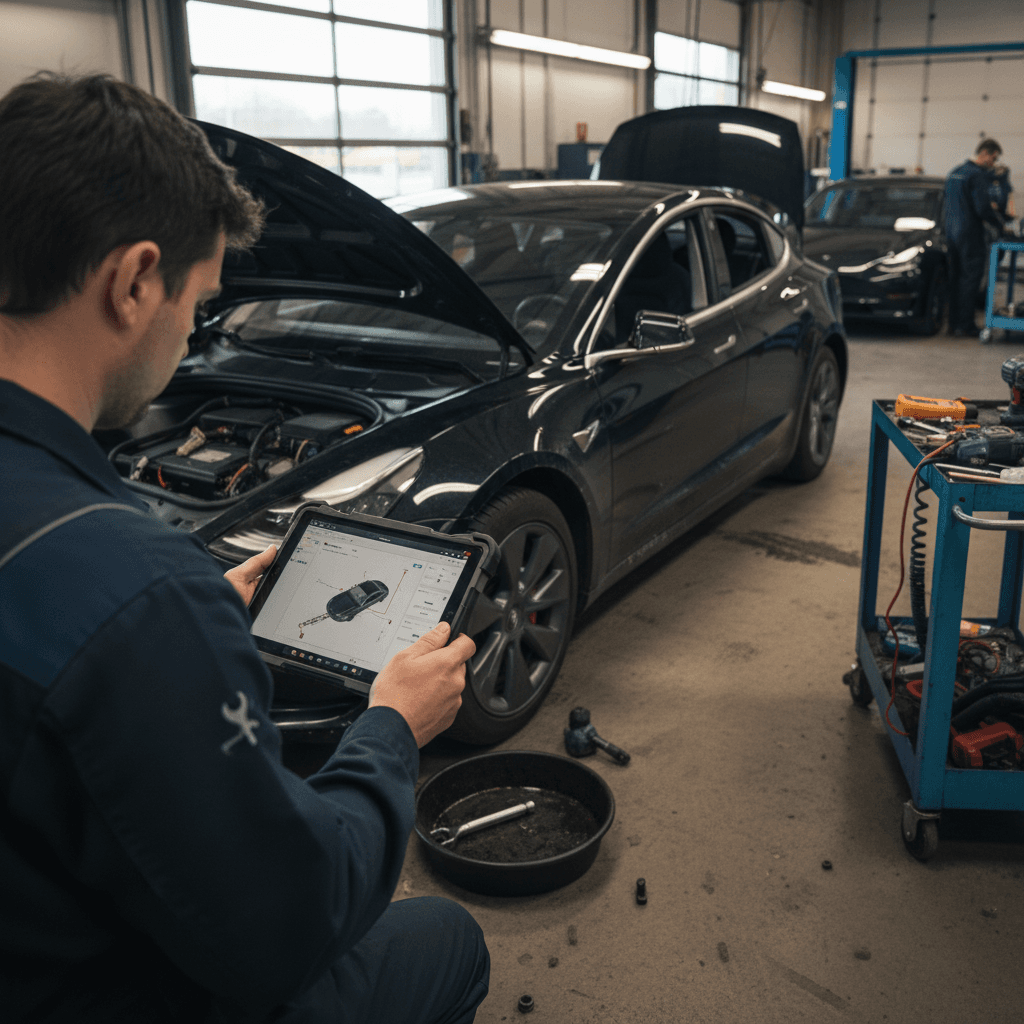
Common used Tesla issues by model
Typical problem patterns on used Teslas
Not every car will have these problems, but you should ask about them.
Model 3: mostly livable annoyances
- Wind noise, rattles, and interior buzzes, especially on early builds.
- Door seals, trunk seals, and minor water leaks.
- MCU/screen glitches that may be resolved via software or require module replacement.
Upside: Drivetrain and pack hold up well in most private-use examples.
Model Y: similar to 3, plus SUV-specific wear
- Squeaks and clunks from suspension on rough roads.
- Hatch alignment and water intrusion around the rear.
- High center of gravity means tires and suspension components may wear faster.
Model S: luxury complexity tax
- Power door handles failing or sticking.
- Air suspension leaks or noisy compressors on older cars.
- First-gen MCU failures on very early cars (some have been replaced already).
Budget: At least a few thousand dollars in reserve if you’re out of warranty.
Model X: doors, seals, and glass
- Falcon Wing door sensors, latches, and seals needing adjustment.
- Large windshield and glass roof creaks or stress cracks in some climates.
- Heavy curb weight accelerates wear on tires, suspension, and brakes.
Best strategy: Buy the newest, cleanest one you can, ideally with extended coverage.
Don’t ignore recalls and software campaigns
How to shop for a reliable used Tesla
No matter which model you’re leaning toward, your odds of ending up with a reliable used Tesla go way up if you focus less on wheels and paint and more on data, history, and inspection. Here’s a practical checklist you can work through step by step.
Used Tesla reliability checklist
1. Start with the right model and year
If reliability is your priority, bias toward a <strong>Model 3 or Model Y</strong> from a mature production year, rather than an early Model S or X that’s already out of basic warranty.
2. Pull the full history
Ask for service records, Carfax/AutoCheck, and proof of recall or service campaign completion. Gaps in history aren’t a deal-breaker, but they should lower the price and increase your inspection rigor.
3. Get objective battery diagnostics
Don’t rely on the dash estimate alone. Use a tool or service that can read pack health and charging behavior, or buy from a marketplace like Recharged that includes a <strong>third-party verified battery report</strong>.
4. Inspect high-cost systems
On S/X, pay close attention to air suspension, door mechanisms, and MCU. On 3/Y, look at suspension, alignment, door seals, and signs of crash repair. Any used Tesla should be road-tested over bumps and at highway speeds.
5. Evaluate software status
Make sure the car can receive updates, isn’t "stuck" on old firmware, and doesn’t have obvious warning lights. Features like Autopilot or FSD transfer are nice-to-haves, not reliability essentials, and shouldn’t overshadow mechanical concerns.
6. Price in a repair buffer
Even a good used Tesla can surprise you. Plan for at least <strong>$1,000–$2,000</strong> in potential catch-up maintenance or minor repairs in the first year, more if you’re buying an older S/X outside warranty.
Use the test drive as a stress test
Why buying from Recharged changes the calculus
Buying used Teslas “off the street” is where you see the widest spread in outcomes, everything from flawless long‑range commuters to hard‑driven ex‑fleet cars with tired suspensions and mystery software issues. A curated marketplace built around EVs can narrow that spread dramatically.
What Recharged does differently
- Recharged Score Report: Every vehicle gets a standardized report that covers verified battery health, charging behavior, and key mechanical checks.
- EV‑specialist inspections: Technicians who see Teslas every day are more likely to spot patterns a generalist might miss.
- Transparent pricing: Vehicles are priced to current market conditions with battery health baked in, not just mileage and trim.
Why that matters for reliability
- You’re less likely to inherit someone else’s experiment with extreme fast‑charging or track days.
- Major issues are either fixed up front or reflected in the price and clearly disclosed.
- You can finance, trade in, or consign through a single platform, instead of stitching together private‑party deals and third‑party inspections.
If you’re shopping from a distance, Recharged also offers nationwide delivery and an Experience Center in Richmond, VA if you prefer to see cars in person.
FAQ: most reliable used Tesla models
Frequently asked questions about reliable used Teslas
Bottom line: choosing the right used Tesla
If you care primarily about reliability, think less in terms of "Tesla versus non‑Tesla" and more in terms of which Tesla, from which year, with which history. A well-vetted Model 3 or Model Y from a stable production period, with proven battery health and a clean inspection, can be a dependable daily driver with far lower running costs than a comparable gas car.
Your job as a shopper is to stack the deck: pick the right model, avoid the rough early years, demand objective battery and mechanical data, and buy from a seller whose incentives align with long‑term ownership, not just a quick sale. That’s exactly the gap Recharged was built to fill, combining detailed diagnostics, EV‑specific expertise, and a streamlined digital buying experience so you can enjoy the upside of Tesla ownership without rolling the dice on reliability.