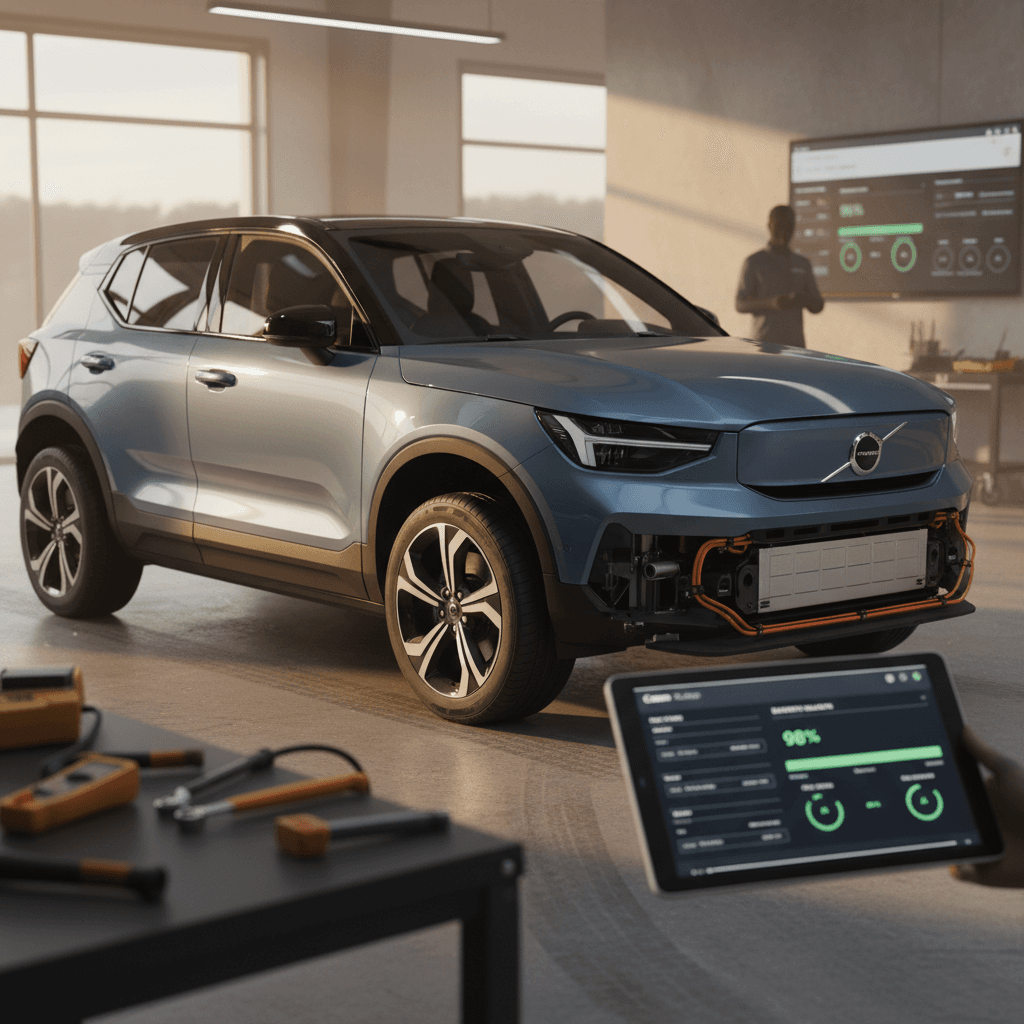
Search for a 2026 Volvo EX30 reliability rating and you’ll quickly discover there’s no single, neat score yet. Instead, what we have is a split personality: on paper, the EX30 is a tiny tank with stellar safety credentials; in the real world, it’s a first‑generation EV platform working through early software bugs and a serious high‑voltage battery recall. This guide pulls those threads together so you can decide how comfortable you feel owning one, especially if you’re shopping used.
Quick take
How reliable is the Volvo EX30 in 2026?
Because the EX30 is new, global deliveries really ramped up in 2024 and 2025, most rating agencies are still in the "predicted" phase. There isn’t yet a mature, long‑term reliability score the way there is for older Volvos or stalwarts like the Toyota RAV4. Instead, you have to triangulate between three things: early owner reports, recall history, and Volvo’s track record with safety and build quality.
2026 Volvo EX30 reliability snapshot
If you had to put a single number on it today, the EX30 would land around average to slightly above average predicted reliability for a small EV, better than some first‑gen efforts, but not the trouble‑free appliance some buyers might hope for. The asterisk is that 2026 brought a headline‑grabbing high‑voltage battery recall affecting tens of thousands of cars worldwide, including some in the U.S.
Early‑production reality check
Safety vs. reliability: understanding the scores
One reason EX30 shoppers get confused is that Volvo keeps shouting about the car’s five‑star Euro NCAP safety rating. That result, awarded in late 2024, means the EX30 aced independent crash and active‑safety tests, with strong protection for adults, children and vulnerable road users. That’s safety, not reliability.
What the 5★ Euro NCAP score means
- Excellent crash protection in frontal, side and rear tests.
- Strong results for child seats and rear‑seat safety.
- Advanced driver assistance (AEB, lane support, speed assist) worked well in testing.
- Confirms the EX30 is one of the safest small EVs on sale.
What it doesn’t mean
- Nothing about how often the infotainment will freeze.
- Nothing about long‑term battery degradation.
- Nothing about squeaks, rattles, or HVAC quirks.
- Nothing about how Volvo dealers handle warranty fixes.
How to read "ratings" today
Battery and EV system reliability
The good news first: early data suggests the EX30’s core EV hardware, motors, inverters, and battery chemistry, looks broadly solid. Owners with 12–24 months of use are reporting high battery state of health (often 95%+) and no epidemic of motor or gearbox failures. That’s in line with other modern EVs, not a radical outlier.
Volvo backs the EX30’s traction battery with an 8‑year / roughly 100,000‑mile warranty equivalent (market‑specific mile and kilometer limits apply). For most owners, you’re more likely to age out of the warranty than hit the mileage cap, especially if this is a city commuter or second car.
The 2026 high‑voltage battery recall
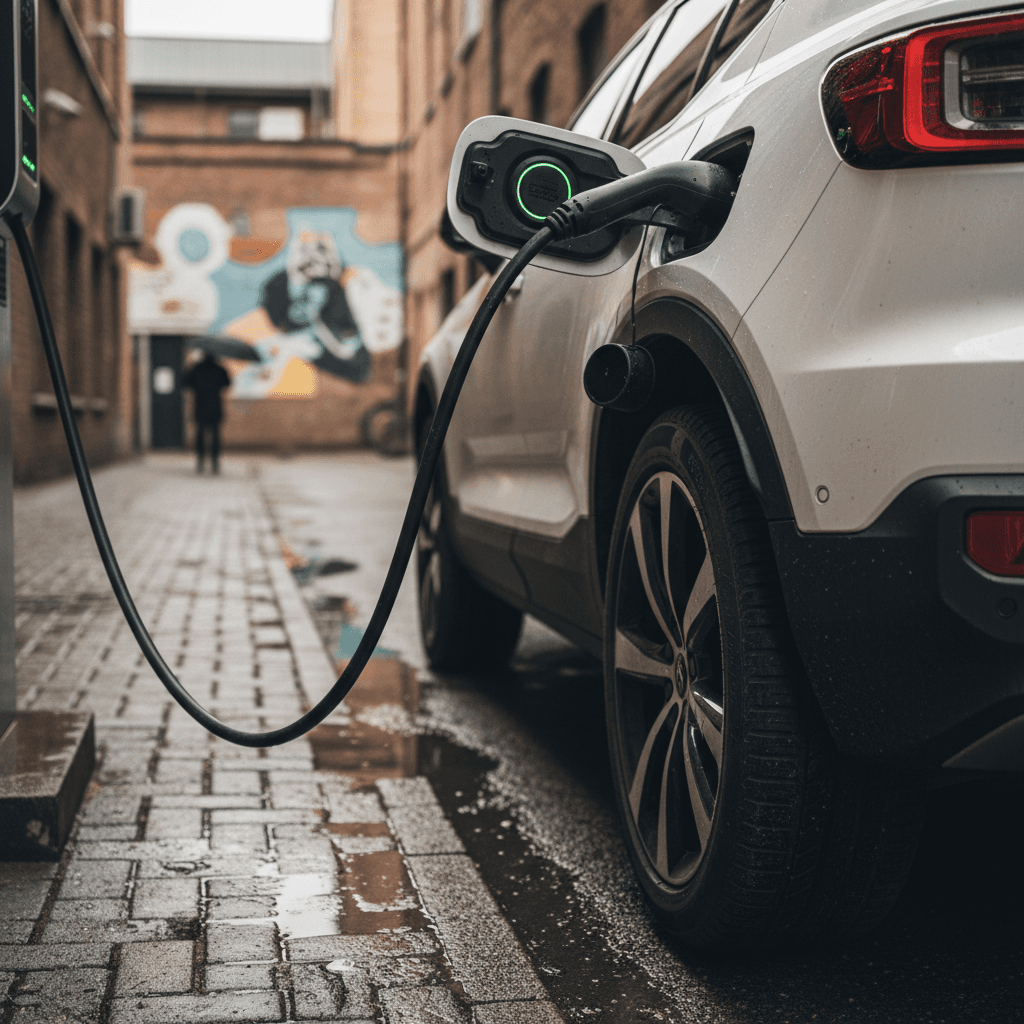
In early 2026, Volvo announced a global recall affecting roughly 40,000 EX30s built with high‑voltage battery cells from a particular supplier. The concern: a manufacturing defect that could lead to battery overheating and, in extreme cases, fire risk. In affected vehicles, Volvo’s remedy is not a software patch, it’s replacing the battery pack at no cost to the owner.
What owners were told to do
- Not every EX30 is affected; it depends on build date, market, and battery supplier.
- Cars that have already had their packs replaced should be *more* trustworthy going forward, not less.
- For U.S. buyers, recall status is visible via Volvo’s or NHTSA’s VIN‑lookup tools.
- In markets that used a different battery supplier, the recall may not apply at all.
Does this recall automatically make the EX30 an unreliable car? Not necessarily. High‑impact recalls are part of the EV learning curve, and Volvo’s decision to proactively swap packs rather than band‑aid the issue suggests a serious, if expensive, commitment to fixing the defect at the root.
Battery degradation expectations
Assuming you’re looking at a car with the correct, defect‑free pack, you can reasonably expect 8–15% capacity loss over 8–10 years under typical use, mainly shaped by how often you DC fast‑charge and how hot your climate is. That’s similar to other compact EVs. Regularly charging to 80% for daily driving and only going to 100% for trips is still the best habit you can build.
Battery health tip for shoppers
Ready to find your next EV?
Browse Vehicles2026 Volvo EX30 recalls and known issues
The high‑voltage battery recall is the big, scary headline, but it’s not the EX30’s only reliability chapter. Think of the car’s problem list in three buckets: safety‑critical recalls, software bugs, and minor hardware annoyances.
Major 2024–2026 Volvo EX30 issues at a glance
Key reliability themes EX30 shoppers should understand in 2026.
| Issue type | Severity | Typical fix | What to look for as a buyer |
|---|---|---|---|
| High‑voltage battery recall | High | Battery pack replacement under recall | Proof of recall completion; Volvo paperwork; charge limit warnings cleared |
| Early software instability | Medium | Over‑the‑air and dealer updates | Ask which software version the car is on and whether issues improved after updates |
| Infotainment & app glitches | Low–Medium | Software patches; occasional module replacements | Check that the central screen, Bluetooth and Volvo Cars app behave consistently |
| Rattles & trim noises | Low | Adjusted or replaced trim under warranty | Test drive on rough pavement; listen for door/console buzzes |
| Key fob / access quirks | Low | Fob battery or software update | Make sure both keys work properly and proximity unlock is reliable |
Always confirm exact recall and service history by VIN before you commit to a specific car.
Why recalls aren’t always a red flag
Software and electronics: the main trouble spot
Ask owners what actually annoys them day to day and you’ll hear the same theme: software, software, software. Like many modern EVs, the EX30 pushes almost everything, including climate, drive modes and basic car settings, through a big central touchscreen. When it behaves, it feels modern. When it doesn’t, you get the sense your life is being run by a beta build.
Common Volvo EX30 software complaints
Most are irritating, not dangerous, but they affect your quality of life.
App & connectivity
- Phone app fails to connect or shows car "offline".
- Remote pre‑conditioning or charge monitoring not working.
- Phone key and proximity unlock occasionally unreliable.
Infotainment glitches
- Touchscreen freezing or rebooting mid‑drive.
- Audio cutting out, navigation lagging or crashing.
- Android Auto / CarPlay connection drops.
ADAS oddities
- Over‑protective lane‑keep assist tugging the wheel.
- False collision warnings in dense traffic.
- Cameras needing frequent cleaning or recalibration.
If this all sounds dire, remember two things. First, the majority of owners still describe the EX30 as a reliable daily driver once the worst bugs are patched. Second, these issues tend to be clustered around specific software builds; cars that have had a full update cycle at the dealer usually behave better than early‑delivery cars stuck on old firmware.
Easy test drive software check
Build quality and day-to-day ownership
- Solid structure and crash‑worthiness that feels like a bigger Volvo.
- Low running costs, little more than tires, wipers and cabin filters so far.
- Minimal brake wear thanks to strong regenerative braking.
Annual maintenance costs reported by early owners land in the $200–$400 per year range for routine consumables, with higher tire costs on performance trims. That’s comfortably cheaper than a comparable gasoline XC40 or German luxury compact, and in line with other mass‑market EVs.
Depreciation is your friend here
How the EX30 compares to rivals on reliability
Tesla Model Y
- Better DC fast‑charging network access in the U.S.
- Mixed build quality and its own software drama.
- More long‑term data: solid battery, variable fit‑and‑finish.
Hyundai Kona Electric / Kia Niro EV
- Longer track record; generally strong reliability.
- Less headline‑grabbing recall activity recently.
- More conventional interior controls than EX30.
Other small premium EVs
- EX30 scores near the top for crash safety.
- Software sophistication comes with more glitches.
- Dealer network support varies by region.
Seen in context, the EX30 is not an outlier disaster, nor is it a paragon of boring, Toyota‑like perfection. It lives in the messy middle with most first‑wave EVs: excellent passive safety, increasingly capable software, and enough early issues that patience and a good dealer matter.
What this means if you’re buying a used EX30
If you’re shopping for a used EX30 in 2026, reliability questions aren’t academic, they dictate what you should pay and which specific car you should pick. A well‑sorted EX30 with the recall done, updated software, and a clean battery health report can be an excellent value. A cheap one with warning lights, incomplete service records and a seller who shrugs at the word "recall" is a future headache.
Two very different used EX30 stories
The VIN report is the plot twist.
The smart buy
- Battery recall completed; documentation on file.
- Recent dealer software update; no current warning messages.
- Independent or platform battery health report above ~85–90%.
- Minor warranty items already addressed.
Verdict: priced right, this is a small, safe EV you can live with.
The problem child
- Recall shows as "open" or seller is vague.
- Repeated connectivity or infotainment issues in history.
- Visible warning lights, especially HV system alerts.
- Thin paperwork, no proof of software or recall work.
Verdict: only consider with a deep discount and a rock‑solid plan for repairs.
Where Recharged fits in
Checklist: how to evaluate a used Volvo EX30
Pre‑purchase Volvo EX30 reliability checklist
1. Run the VIN for recalls and campaigns
Use Volvo’s or your national safety agency’s VIN‑lookup tool to confirm whether the high‑voltage battery recall or any software campaigns apply, and whether they’ve been completed.
2. Confirm battery pack history
Ask directly whether the high‑voltage battery has been replaced. If so, request documentation. A professionally replaced pack under recall is generally a positive sign, not a negative one.
3. Get a battery health report
Use a platform like Recharged that provides a <strong>verified battery state‑of‑health</strong> reading. If you’re shopping privately, consider an independent EV battery inspection.
4. Stress‑test the software on a long drive
Drive for at least 30–45 minutes with navigation, music and phone mirroring running. Watch for screen freezes, random reboots or malfunction warnings.
5. Listen for rattles and feel for alignment
On rough pavement, listen for door or dash rattles. At highway speeds, check for vibration or steering pull that might indicate alignment or tire issues.
6. Review service records and warranty status
Look for evidence of regular maintenance and any prior warranty work. Confirm how much of the <strong>8‑year battery warranty</strong> remains based on the in‑service date.
7. Consider financing and total cost
Fold in financing, insurance and expected maintenance. A slightly higher price on a well‑sorted car often beats a bargain EX30 that spends months in service bays.
FAQ: 2026 Volvo EX30 reliability questions answered
2026 Volvo EX30 reliability: common questions
Bottom line: should you worry about EX30 reliability?
If you’re hoping for a simple, glittering "10/10" 2026 Volvo EX30 reliability rating, the car won’t give it to you. What it offers instead is a very modern blend: top‑shelf safety, competent EV hardware, and software plus recall baggage that you ignore at your peril, but can manage with a clear‑eyed shopping process.
For risk‑averse buyers who just want a small EV to disappear into the background of their lives, a more mature platform from Hyundai, Kia or Toyota may still be the calmer choice. For shoppers who value Volvo’s safety pedigree, like the EX30’s design, and are willing to do their homework on recall completion, battery health and software version, the EX30 can be a smart, safe electric runabout, especially if you let early‑production drama work in your favor on price.
If you’d rather not decode all of that alone, that’s exactly what Recharged is built for: verified battery diagnostics, transparent pricing, financing help, and human EV specialists who spend their days separating promising used EVs from rolling science experiments.