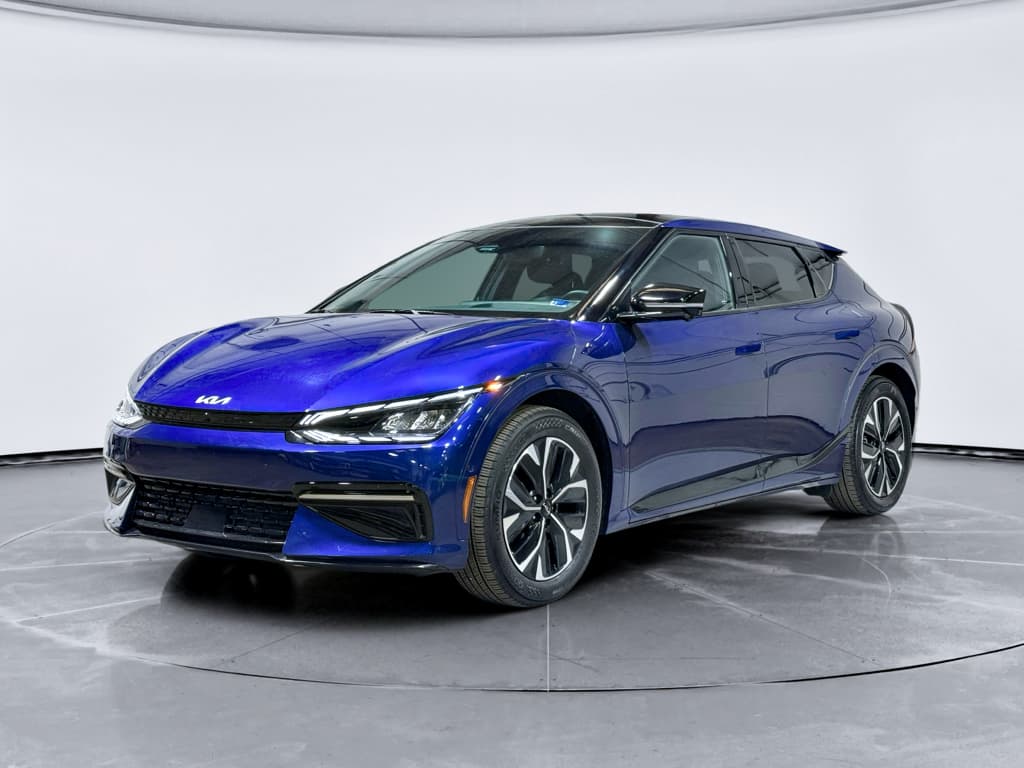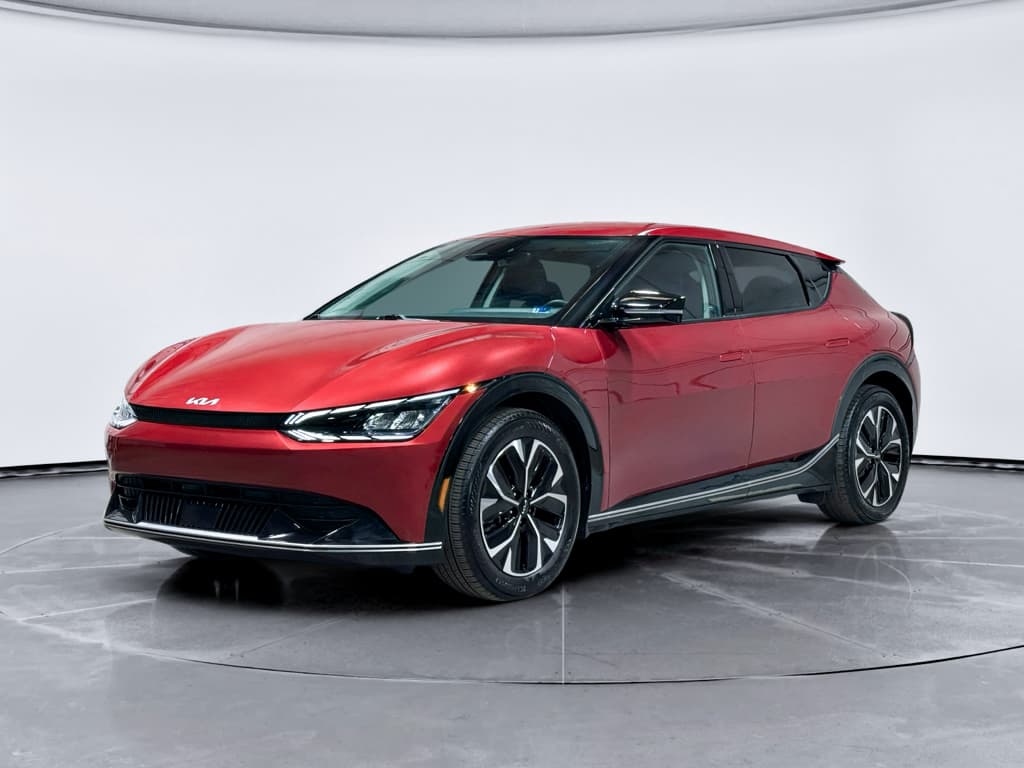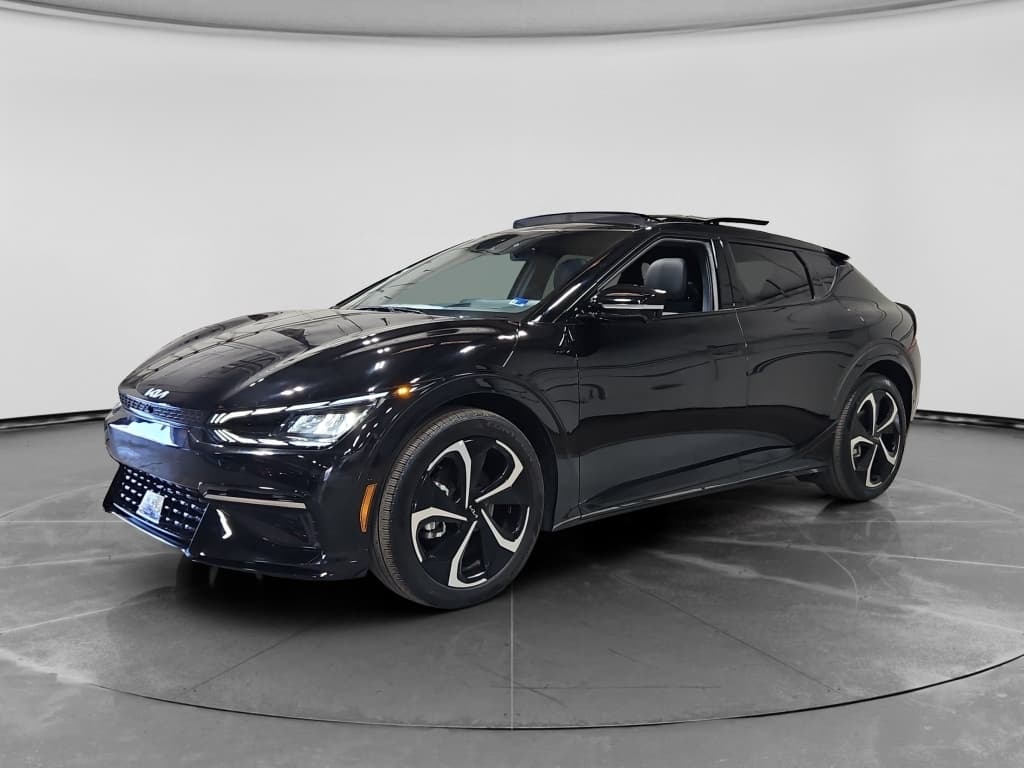
If you’re cross‑shopping a **Honda CR‑V** against a **Kia EV6**, you’re really asking one big question: over the next five to ten years, will sticking with gas, or moving to a fully electric crossover, actually cost you less? This guide looks past the window sticker and dives into **Honda CR‑V vs. Kia EV6 total cost of ownership**, using realistic U.S. numbers so you can see how the math plays out in the real world.
Gas vs. EV: it’s closer than you think
Why compare Honda CR‑V vs. Kia EV6 total cost of ownership?
The CR‑V and EV6 don’t look like natural rivals on paper: one’s a best‑selling compact gas/hybrid SUV, the other is a dedicated electric crossover. But in American driveways, they compete for the same role: a **two‑row family hauler** that covers commuting, kid duty and road trips without drama. If you’re deciding between them, you care less about spec sheets and more about **what each one costs to own, fuel and maintain** over time.
- You drive at least 10,000–15,000 miles per year and want to control monthly costs.
- You’re debating a **used CR‑V** vs. a **used Kia EV6** and want to understand long‑term risk.
- You’re wondering if paying more up front for an EV6 really pays back in lower running costs.
- You live in a state with EV incentives or high gas prices and need a clear picture.
Our assumptions and methodology
Total cost of ownership (TCO) bundles several buckets: **depreciation, fuel or electricity, maintenance and repairs, insurance, taxes and fees, and financing**. Different sources publish slightly different 5‑year figures, but they generally agree on one point: fuel and depreciation dominate your costs, especially in years 1–5.
Key assumptions for this CR‑V vs. EV6 comparison
To keep things apples‑to‑apples, we’ll compare **mainstream trims** that many buyers actually choose, not base‑model unicorns. For the Honda, that means a CR‑V EX‑L gas and Sport Hybrid. For the Kia, we’ll look at a long‑range EV6 rear‑wheel drive (RWD) and an all‑wheel drive (AWD) version, since many buyers in snow states want AWD either way.
Your actual costs will vary
Fuel vs. electricity: what you’ll really pay per mile
Fuel or electricity is where EVs usually start making up ground. The CR‑V Hybrid is one of the most efficient compact SUVs on the road; the EV6 is one of the more efficient midsize EV crossovers. Here’s how their **energy costs per mile** stack up.
Honda CR‑V vs. Kia EV6: energy efficiency and cost per mile
Approximate U.S. energy costs using 15,000 miles per year, $3.75/gallon gas, and $0.15/kWh home electricity.
| Vehicle | Drivetrain / Trim (example) | EPA or Realistic Efficiency | Energy Price Assumed | Energy Cost Per Mile | Annual Energy Cost (15k mi) |
|---|---|---|---|---|---|
| Honda CR‑V gas | CR‑V EX‑L AWD | ~28 mpg combined (EPA) | $3.75/gal gas | ≈ 13.4¢/mi | ≈ $2,010/year |
| Honda CR‑V Hybrid | CR‑V Sport Hybrid AWD | ~37–39 mpg combined (realistic) | $3.75/gal gas | ≈ 9.6–10.1¢/mi | ≈ $1,450–$1,520/year |
| Kia EV6 RWD | Long‑range RWD (77.4 kWh) | ~29 kWh/100 mi (EPA ≈ 3.4 mi/kWh) | $0.15/kWh home | ≈ 4.4¢/mi | ≈ $660/year |
| Kia EV6 AWD | Long‑range AWD | ~34 kWh/100 mi (real‑world ≈ 3.0 mi/kWh) | $0.15/kWh home | ≈ 5.1¢/mi | ≈ $765/year |
Real‑world drivers may see slightly higher or lower numbers depending on climate, speed and driving style.
Double your miles per dollar
Where things get fuzzier is **public DC fast charging**. Many EV6 owners use fast chargers on road trips or when home charging isn’t available. Those sessions can cost two to three times as much per kWh as home charging, especially on pay‑as‑you‑go plans. If 70–80% of your charging is at home (typical for EV owners), the low home‑charging cost still dominates your long‑term average.
Mostly home charging (best case)
- Overnight Level 2 charging in garage or driveway.
- Electricity around 12–18¢/kWh.
- EV6 energy cost sits near 4–5¢/mile.
- Biggest savings vs. CR‑V show up over 5+ years.
Mostly public fast charging (worst case)
- Apartment living without on‑site chargers.
- Fast‑charge rates often 30–49¢/kWh or more.
- EV6 cost can climb toward 9–12¢/mile, similar to a CR‑V Hybrid.
- You still skip oil changes, but fuel savings shrink dramatically.
Maintenance and repairs: where EVs usually win
The CR‑V has a reputation for low maintenance costs, and with good reason. But a modern EV like the Kia EV6 eliminates entire categories of routine service: **oil changes, transmission service, exhaust work, spark plugs and timing belts** simply don’t exist. Over 5 years, that usually tips the maintenance column in the EV’s favor.
Typical 5‑year maintenance patterns
What you’re actually doing (and paying for) with each vehicle
Honda CR‑V (gas or hybrid)
- Oil and filter changes every ~7,500–10,000 miles.
- Engine air and cabin filters, spark plugs (longer‑term), coolant flushes.
- CVT or automatic transmission fluid service.
- Brake pads and rotors wear faster than most EVs.
- Average compact‑SUV maintenance often lands around 10–11¢/mile in industry studies, though Hondas typically fare a bit better.
Kia EV6
- No oil changes, no conventional transmission.
- Brake pads last longer thanks to strong regenerative braking.
- Tire wear can be higher due to weight and torque.
- Coolant and brake‑fluid service intervals, cabin filters.
- Many EV owners see effective maintenance costs in the mid‑single‑cents per mile over the first 5 years.
Battery longevity and risk
By year 8 or 10, a CR‑V may need more serious engine or transmission work; an EV6 could need battery‑pack or DC fast‑charging component repairs. Those are expensive but relatively rare within the first owner’s 5‑year window. That’s why buying **used**, with verifiable history and diagnostics, changes the risk picture more than the gas‑vs‑EV choice itself.
Insurance, taxes and fees
Insurance and registration don’t swing the Honda CR‑V vs. Kia EV6 total cost of ownership as dramatically as fuel or depreciation, but they’re worth understanding.
- Insurance: A higher‑priced EV6 often carries higher comprehensive and collision premiums than a CR‑V, partly because of repair complexity and parts pricing. Think in terms of $150–$400/year more for similar drivers, though individual quotes can vary widely.
- Registration and property tax: Some states charge modest extra fees for EVs, while others reduce or waive certain registration costs to promote adoption. A CR‑V doesn’t qualify for EV‑only perks, but also avoids EV‑specific fees.
- Incentives: A new Kia EV6 may qualify for federal or state EV incentives depending on configuration and where you buy. Used EVs can qualify for a separate federal credit up to $4,000 under certain conditions, which can dramatically change your real purchase price. The CR‑V doesn’t typically offer comparable federal incentives.
Shop your insurance before assuming the EV is expensive
Depreciation and resale value
Depreciation, the value your car quietly loses each year, is usually the **single biggest line item** in total cost of ownership. Historically, Hondas hold their value extremely well. Early EVs, including some Kias, saw heavier depreciation as technology and incentives shifted quickly. The gap is starting to narrow, but it’s still real.
Indicative 5‑year depreciation patterns
High‑level, directional estimates for illustrative purposes, local market conditions can swing these numbers significantly.
| Vehicle | Typical New Transaction Price Range* | Estimated 5‑Year Depreciation | What That Means |
|---|---|---|---|
| Honda CR‑V (gas) | ≈ $32,000–$38,000 | ≈ 40–45% of original price | Strong resale; after 5 years, many CR‑Vs in good condition still command solid prices. |
| Honda CR‑V Hybrid | ≈ $35,000–$41,000 | ≈ 40–47% of original price | Hybrids may hold slightly better value in markets that prize fuel economy. |
| Kia EV6 (long‑range) | ≈ $43,000–$55,000 before incentives | ≈ 45–55% of original price | Higher initial price and rapid EV tech evolution can mean larger dollar‑amount depreciation, even if percentage is similar. Incentives you receive up front reduce your effective exposure. |
Think of these as ballpark ranges, not precise forecasts.
EV depreciation cuts both ways
5‑year Honda CR‑V vs. Kia EV6 cost comparison
Let’s put the major pieces together. Below is a simplified 5‑year, 75,000‑mile total cost of ownership snapshot for a typical U.S. driver, assuming mostly home charging for the EV6. We’ll focus on the **delta** (difference) rather than pretending we can predict exact dollar amounts for every household.
Illustrative 5‑year TCO comparison (new purchase, 15k mi/year)
Approximate, directional comparison using representative trims and prices; excludes financing interest and extreme outliers.
| Cost Bucket (5 years) | Honda CR‑V EX‑L AWD (gas) | Honda CR‑V Sport Hybrid AWD | Kia EV6 Long‑range RWD | Kia EV6 Long‑range AWD |
|---|---|---|---|---|
| Depreciation | High (lower purchase price, strong resale) | High+ (slightly higher purchase price) | Higher (more expensive to buy, incentives can offset) | Higher (AWD and options add cost) |
| Fuel / Electricity | ≈ $10,000 (gas) | ≈ $7,300 (gas) | ≈ $3,300 (home charging) | ≈ $3,800 (home charging) |
| Maintenance & Repairs | Moderate (engine + transmission service, brakes) | Moderate (similar to gas, plus hybrid components) | Lower (no oil, less brake wear; more tire spend) | Lower (same as RWD) |
| Insurance | Lower–moderate | Lower–moderate | Moderate–higher | Moderate–higher |
| Total Directional TCO | Baseline | ≈ $2,500–$3,000 less than gas CR‑V on fuel alone | Can undercut CR‑V Hybrid if fuel is expensive and you maximize home charging | Similar to or slightly higher than CR‑V Hybrid unless you drive a lot or capture strong incentives |
All numbers rounded; your real costs will vary based on local prices and how you drive.
Where the EV6 pulls ahead
Charging, convenience and the value of your time
Pure dollars only tell part of the story. How you refuel, at a pump or on a plug, also affects your **time and daily routine**, which has its own kind of cost.
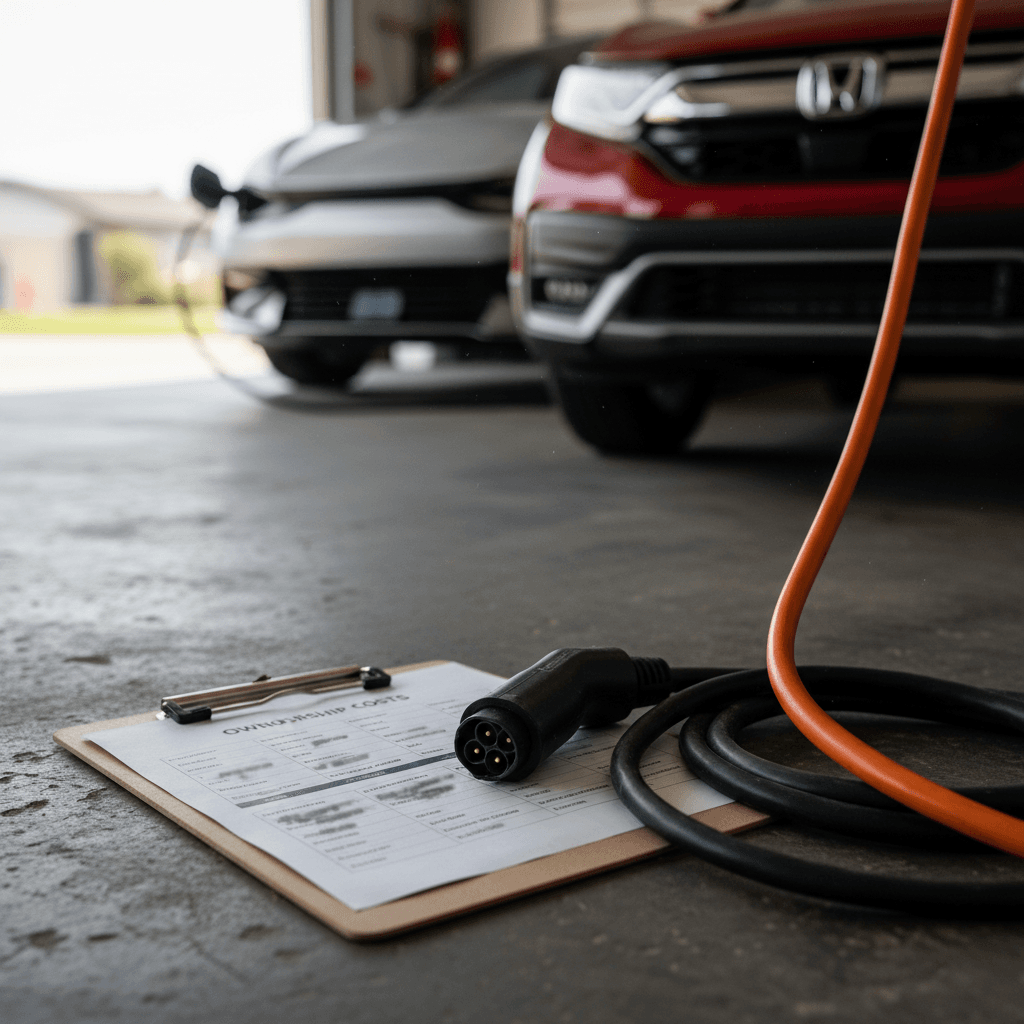
Honda CR‑V: fast refueling, predictable
- 3–5 minutes per gas stop, every few days or weeks depending on your driving.
- Plenty of gas stations on every route.
- No need to think about charging networks or home electrical upgrades.
- But every stop costs time, and you’re exposed to volatile fuel prices.
Kia EV6: slow refueling, but mostly while you sleep
- Level 2 home charging refills the battery overnight.
- You start most days with a “full tank” without detours.
- Road trips require route planning around fast chargers, but the EV6’s fast‑charge capability helps.
- Initial setup may require a 240V outlet or wall charger installation.
Value your time as part of TCO
When a CR‑V makes more sense, and when the EV6 does
Once you factor in energy, maintenance and depreciation, there isn’t a single winner for everyone. Instead, **your driving pattern, housing situation and appetite for new tech** tilt the scales toward one or the other.
Which one fits you better?
Choose a Honda CR‑V if…
You drive <strong>under 12,000 miles a year</strong>, can’t easily install home charging, or live in an area where public EV fast chargers are scarce. You want predictable ownership with widespread service support and excellent resale value, and you’re okay paying more for gas over time.
Choose a CR‑V Hybrid if…
You want to cut fuel bills versus a standard CR‑V without changing how you refuel. In many moderate‑mileage use cases, the CR‑V Hybrid’s combination of efficiency and solid resale can get you surprisingly close to EV‑like fuel economy in dollar terms.
Choose a Kia EV6 if…
You can install or already have <strong>Level 2 home charging</strong>, log **15,000+ miles per year**, and live in a state with decent EV incentives or high gas prices. In that world, lower fuel and maintenance costs often offset higher depreciation, especially if you buy used.
Choose an EV6 AWD if…
You need all‑weather traction and don’t mind trading a bit of range and efficiency for confidence in snow and rain. Just remember that AWD trims widen the energy‑cost advantage over a CR‑V gas model, but narrow it slightly versus a CR‑V Hybrid.
The cleanest total cost comparison is between a fuel‑efficient hybrid like the CR‑V Sport Hybrid and a home‑charged EV like the Kia EV6. Once you do that math, the EV’s lower energy and maintenance costs usually close more of the gap than buyers expect, especially in the used market.
How Recharged can lower your EV6 total cost of ownership
If the numbers have you leaning toward an EV6 but you’re worried about battery health or surprise repairs, that’s exactly the gap Recharged is built to close. We focus on **used electric vehicles**, including the Kia EV6, and give you tools a traditional dealer typically can’t, or won’t, provide.
Buying a used Kia EV6 through Recharged
Reduce risk, improve transparency, and understand your true TCO up front.
Recharged Score battery report
Fair, data‑driven pricing
Nationwide, EV‑savvy support
Ready to find your next EV?
Browse VehiclesYou can also trade in or get an instant offer on a gas vehicle like your current CR‑V and roll that value into a used EV6, which can help **bridge the upfront price gap** that often scares buyers away from EVs even when the long‑term math makes sense.
FAQ: Honda CR‑V vs. Kia EV6 ownership costs
Common questions about Honda CR‑V vs. Kia EV6 total cost of ownership
When you line up a Honda CR‑V and Kia EV6 purely on the monthly payment, the CR‑V often looks safer and simpler. But total cost of ownership tells a more nuanced story: for higher‑mileage drivers with access to home charging, the EV6’s lower energy and maintenance costs can quietly close much of the gap, and sometimes beat the CR‑V outright, especially in the used market. The right choice isn’t universal; it’s the one that matches your driving, your housing, and your comfort with new tech. If you’re EV‑curious but cost‑conscious, exploring a used Kia EV6 with a verified Recharged Score and EV‑savvy support can be the smartest way to test that equation without overpaying for the experiment.