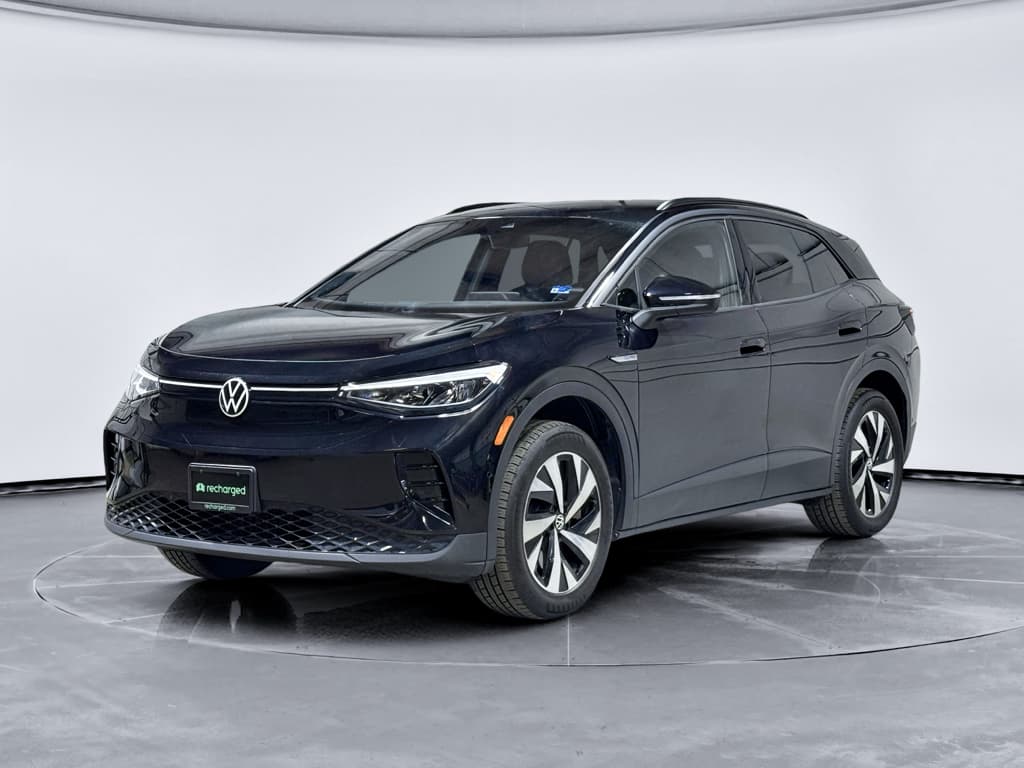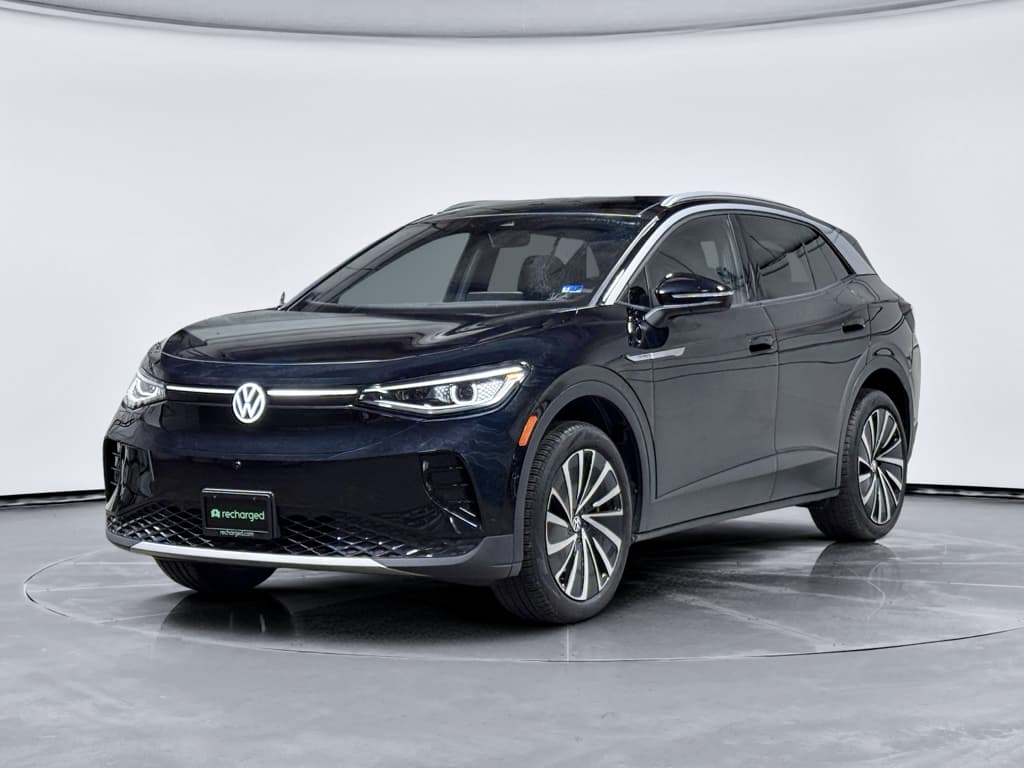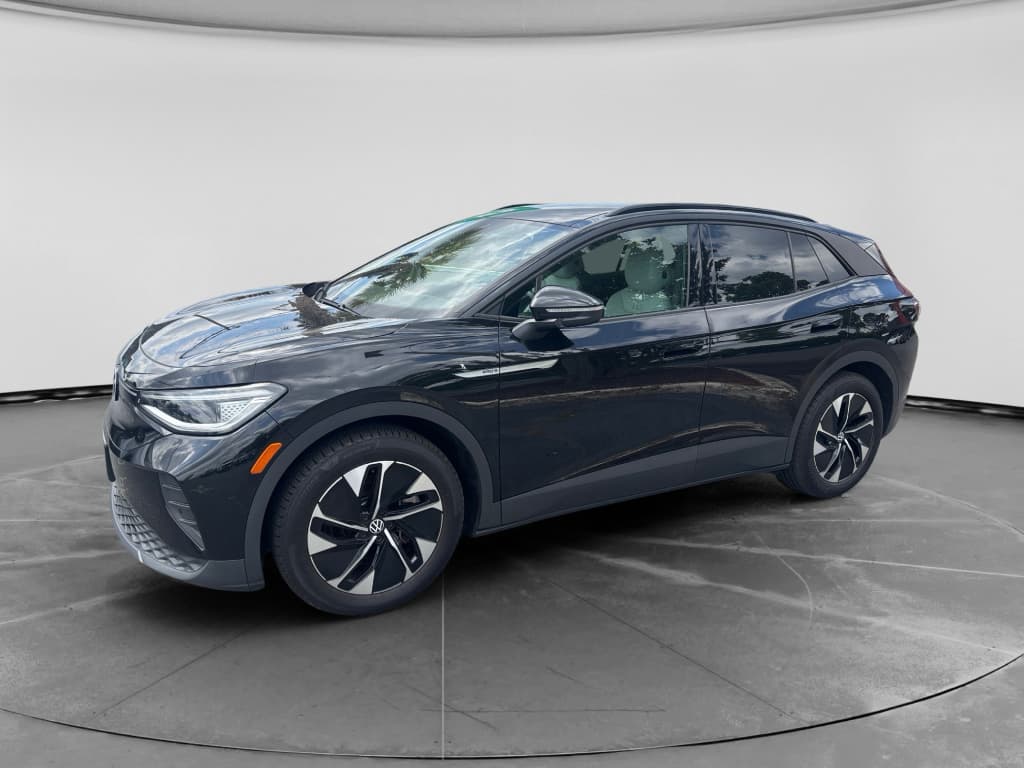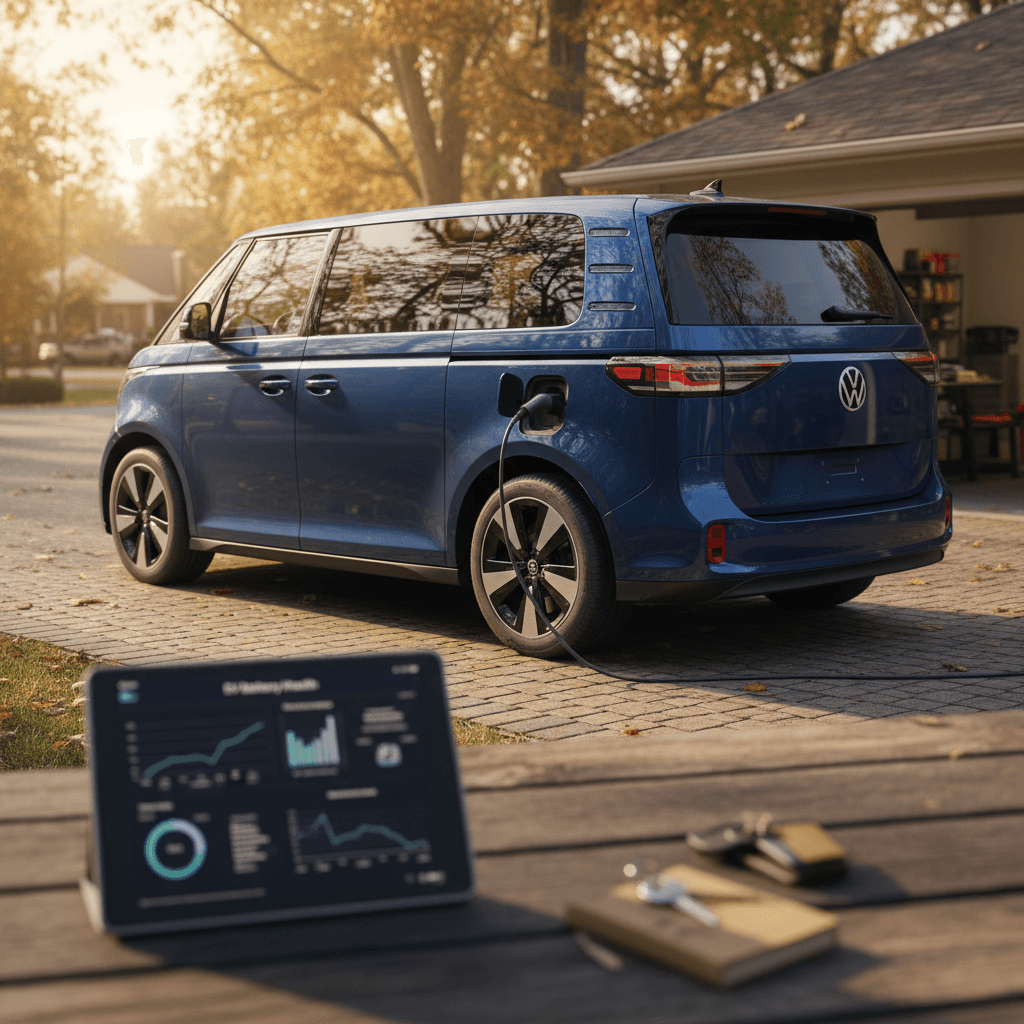
If you’ve had your eye on the retro‑cool electric van, a used 2026 Volkswagen ID. Buzz is about to start showing up on U.S. and Canadian used‑EV lots. It’s roomy, stylish, and genuinely attention‑grabbing, but as a used buy, you need to look past the vibe and focus on range, charging, software, and long‑term costs. This review walks you through how the 2026 ID. Buzz holds up on the used market and what to watch for before you sign anything.
Quick take
Overview: Should you buy a used 2026 ID. Buzz?
What makes the 2026 ID. Buzz appealing used
- Standout design that still turns heads and avoids the anonymous crossover look.
- Three‑row seating and big cargo space without the bulk of a full‑size van.
- Modern 82–86 kWh battery with real‑world efficiency around 3 mi/kWh in mixed driving.
- Competitive DC fast‑charging that can take you from roughly 10–80% in the mid‑20‑minute range when conditions are right.
Where used buyers need to be careful
- Software and infotainment have improved, but early owners reported bugs and lag you’ll want to confirm are patched.
- Depreciation has been steeper than some rivals as buyers compare it to big three‑row SUVs and crossovers.
- Range is good for a van, but not a long‑range champ if you regularly tow or do high‑speed road trips.
- Interior materials and noise levels are decent, but not luxury‑grade despite the price some sellers still ask.
Used‑market reality check
Key specs: range, battery and charging on the 2026 ID. Buzz
2026 Volkswagen ID. Buzz headline numbers (typical U.S./Canada LWB van
Most 2026 ID. Buzz vans in North America are long‑wheelbase, three‑row models with the larger battery, similar in size to the long‑range packs Volkswagen uses in Europe. Official range ratings vary by market and wheel size, but for used‑buyer planning, assume roughly 230–260 miles of practical highway‑friendly range on a full charge when the van is lightly loaded.
- AC charging: up to 11 kW on Level 2, which means a full charge at home in roughly 8–9 hours on a 48‑amp circuit.
- DC fast charging: peak rates in the 170–200 kW window on many trims, with a strong mid‑range curve rather than just a brief spike.
- Efficiency: owner tests commonly land around 2.7–3.2 mi/kWh, depending on temperature, speed and load, solid for a three‑row box on wheels.
Watch the fine print on charging
Driving experience: what the 2026 ID. Buzz feels like used
Slide into a used 2026 ID. Buzz and the first impression is how different it feels from a typical crossover. The upright seating position, big glass area and short overhangs make it easy to see out of, park and place in traffic, great news if you’re coming out of a sedan or compact SUV.
How the ID. Buzz drives day to day
What used‑vehicle shoppers usually notice on a test drive
Power and acceleration
Single‑motor rear‑drive vans offer around 280 hp, enough for confident merging, not drag‑racing. Dual‑motor GTX versions move the ID. Buzz into brisk territory, with roughly 330+ hp and all‑wheel drive.
Ride and handling
The MEB platform and low‑mounted battery keep body motions in check. It’s still a tall, slab‑sided van, but owners generally report a calm, predictable ride instead of wallowy minivan behavior.
Noise and refinement
Wind and tire noise are noticeable at highway speeds, especially on big wheels, but the overall cabin experience is relaxed. It’s not as hushed as a luxury EV, yet quieter than most ICE vans and crossovers.
GTX and all‑wheel drive notes
Space, practicality and family duty
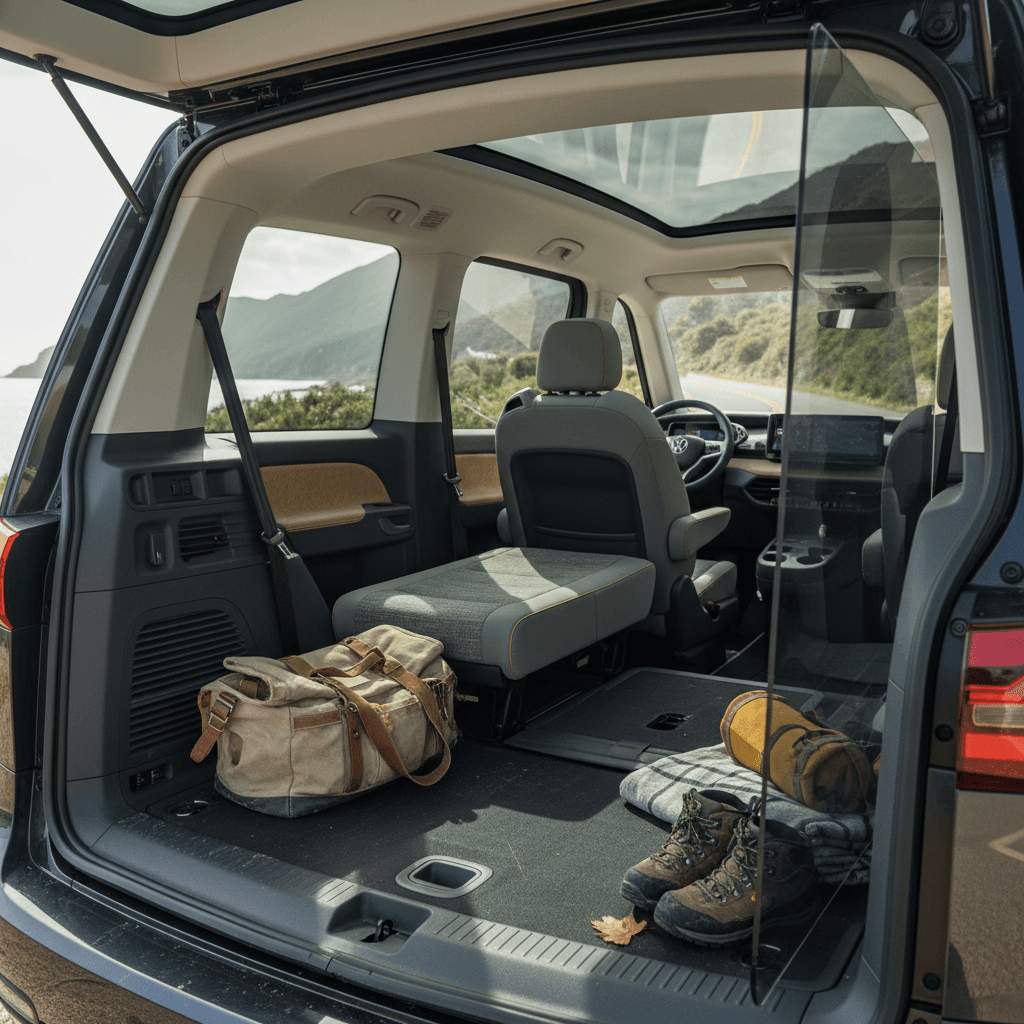
The 2026 ID. Buzz’s biggest asset as a used EV is space. Long‑wheelbase vans offer genuine three‑row seating for adults, with enough cargo room behind the third row for real luggage, something many three‑row crossovers can’t match. Short‑wheelbase versions (more common in Europe) drop to two rows but add an enormous cargo bay for bikes, camping gear or delivery duty.
2026 ID. Buzz practicality snapshot
How the long‑wheelbase ID. Buzz stacks up against a typical three‑row electric SUV for daily family use.
| Feature | 2026 ID. Buzz LWB | Typical 3‑row EV SUV |
|---|---|---|
| Seating | 6–7 seats (captain’s chairs or bench) | 6–7 seats |
| Third‑row comfort | Genuinely adult‑usable | Often tight for adults |
| Cargo with all rows up | Still sizable, enough for several suitcases | Often just a couple of small bags |
| Sliding doors | Yes (easy kid and cargo access) | No, conventional rear doors |
| Interior vibe | Bright, airy, lounge‑like | More traditional SUV cockpit |
Exact numbers vary by market and trim, but this shows how the ID. Buzz’s packaging advantages play out in real life.
Family‑friendly strengths
Reliability, battery health and software quirks
The 2026 ID. Buzz is still a relatively new model, so long‑term reliability data is limited. However, it shares core battery and drivetrain tech with other Volkswagen MEB vehicles (like the ID.4), which now have several years of field history. That’s useful context when you’re staring at an expensive, heavy van on a used‑car lot.
- Battery chemistry and cooling: The large pack uses liquid cooling and modern cell chemistry similar to other VW EVs. So far, real‑world degradation reports on sibling models suggest modest losses when drivers avoid chronic 100% DC fast‑charging and level the car off around 80–90% for daily use.
- Charging behavior: When preconditioning is active and you’ve set a DC fast‑charger as your destination in navigation, the ID. Buzz can hold high charging power through a good chunk of the session, which reduces time spent plugged in on road trips.
- Software and infotainment: Owners of early ID. vehicles often complained about laggy touchscreens, confusing menus and occasional glitches. By the 2026 model year, Volkswagen pushed multiple over‑the‑air updates to improve responsiveness and menu logic, but you should test everything in a used example.
Battery health is the make‑or‑break
At Recharged, every ID. Buzz we list comes with a Recharged Score battery health diagnostic, showing estimated usable capacity, fast‑charging history patterns and how that specific van compares with similar mileage peers. That kind of objective data is critical on a nearly 6,000‑pound electric van where range really matters.
Used pricing, depreciation and value vs SUVs
Volkswagen’s quirky van entered a crowded three‑row EV universe late, and in the U.S. especially, sales never matched the early hype. Through 2025, ID. Buzz volumes lagged well behind mainstream three‑row competitors, which has two big implications for used‑market shoppers:
How market reality affects used 2026 ID. Buzz buyers
1. Depreciation has been real
Launch‑year vans were priced like style statements. As more practical rivals with better range and tech arrived, market demand cooled. That’s bad news for original owners, but good news if you’re buying used and can negotiate from a position of strength.
2. You must compare use‑cases, not just price
On paper, a used ID. Buzz may sit near large electric SUVs and crossovers. But if you don’t need sliding doors or van‑like space, some of those SUVs offer longer range, stronger DC charging networks, or more polished interiors for similar money.
How to sanity‑check a used asking price
Inspection checklist: what to check before you buy
Used 2026 ID. Buzz buyer’s checklist
1. Verify battery health and DC fast‑charging history
Ask for an independent battery health report or a Recharged Score. Heavy fast‑charging and high‑mileage ride‑share use can accelerate wear. Look for consistent usable capacity and no history of rapid, unexplained range drops.
2. Confirm software version and update history
From the main infotainment screen, check the software version and ask the seller for service records. Make sure recent over‑the‑air or dealer updates are installed, especially those related to charging logic, infotainment and driver‑assist functions.
3. Test all doors, seats and sliding mechanisms
Power sliding doors, third‑row access latches and folding mechanisms get heavy use in family vans. Operate every door and seat multiple times and listen for grinding or binding. Fixing or replacing tracks and motors can get expensive out of warranty.
4. Inspect tires, suspension and brakes
The ID. Buzz is heavy and can be rough on tires and brake components. Uneven wear may point to alignment or suspension issues. Take a highway test drive and pay attention to vibrations, tramlining and braking feel.
5. Check charging ports and cables
Inspect the DC and AC charge ports for damage, corrosion or loose caps. Confirm that any included portable charger actually works on a Level 2 outlet. On a test drive, plug into a public Level 2 or DC charger if possible to verify normal behavior.
6. Evaluate real‑world efficiency on your route
Reset the trip computer and drive a known loop at your typical speeds. Note the mi/kWh and project the realistic range you’d see with your commute, climate and driving style, not the lab rating.
Don’t ignore warranty and title details
Who a used 2026 ID. Buzz is (and isn’t) right for
Great fit if you:
- Regularly haul 5–7 people plus cargo and are tired of minivans or crossovers.
- Do frequent weekend trips in the 150–250‑mile range and want DC fast‑charging that keeps stops reasonable.
- Value design and character enough to pass on a more generic‑looking SUV.
- Have access to reliable home Level 2 charging and don’t rely solely on public infrastructure.
Probably not your best choice if you:
- Need 350+ miles of highway range between stops, tow heavy trailers, or regularly drive in extreme cold.
- Mostly carry 1–2 people and rarely use three rows, an efficient crossover or hatchback will be cheaper and easier to park.
- Are extremely sensitive to infotainment quirks and expect luxury‑brand materials and noise isolation.
- Live far from VW‑trained EV service centers and prefer brands with denser dealer coverage.
FAQ: 2026 Volkswagen ID. Buzz as a used EV
Frequently asked questions about the 2026 ID. Buzz used
Bottom line: is the used 2026 ID. Buzz worth it?
If you genuinely need three rows, sliding doors and a big, flexible interior, a used 2026 Volkswagen ID. Buzz is one of the most interesting electric choices on the market. It’s not the longest‑range or most luxurious EV, but it’s efficient for its size, charges quickly enough for most road trips, and has more personality than a whole row of crossovers.
The key is to buy with data, not nostalgia. Confirm battery health, test the software, sanity‑check the asking price against electric SUVs and smaller EVs, and be honest about your actual space needs. If the van still pencils out after that, the 2026 ID. Buzz can be a smart, distinctive used EV that genuinely changes how you move people and gear.
If you’d rather not piece this together on your own, Recharged can help you find, inspect and finance a used ID. Buzz entirely online, with transparent battery‑health reporting and nationwide delivery. That way, the only surprise is how many thumbs‑up you get at the first school drop‑off.