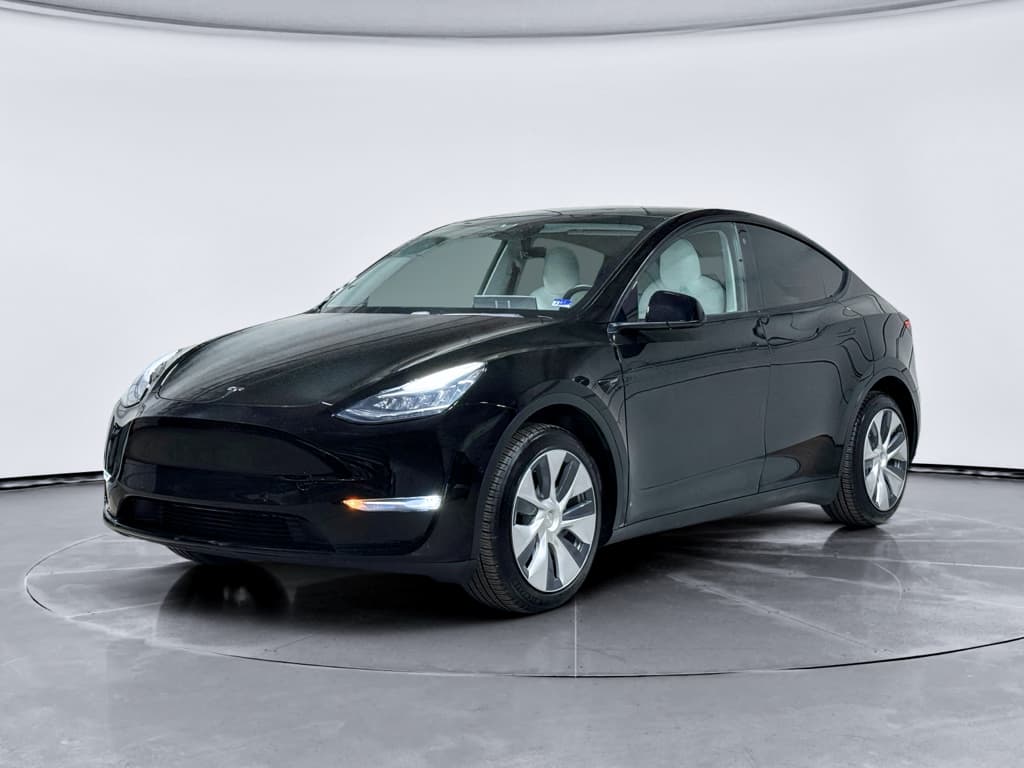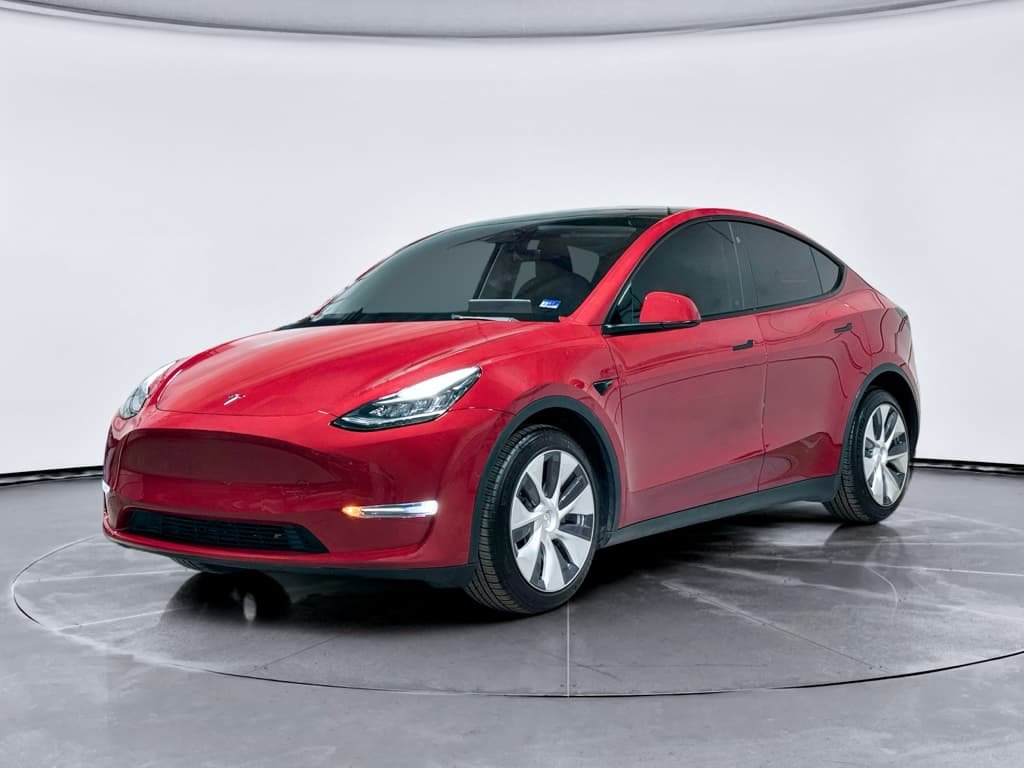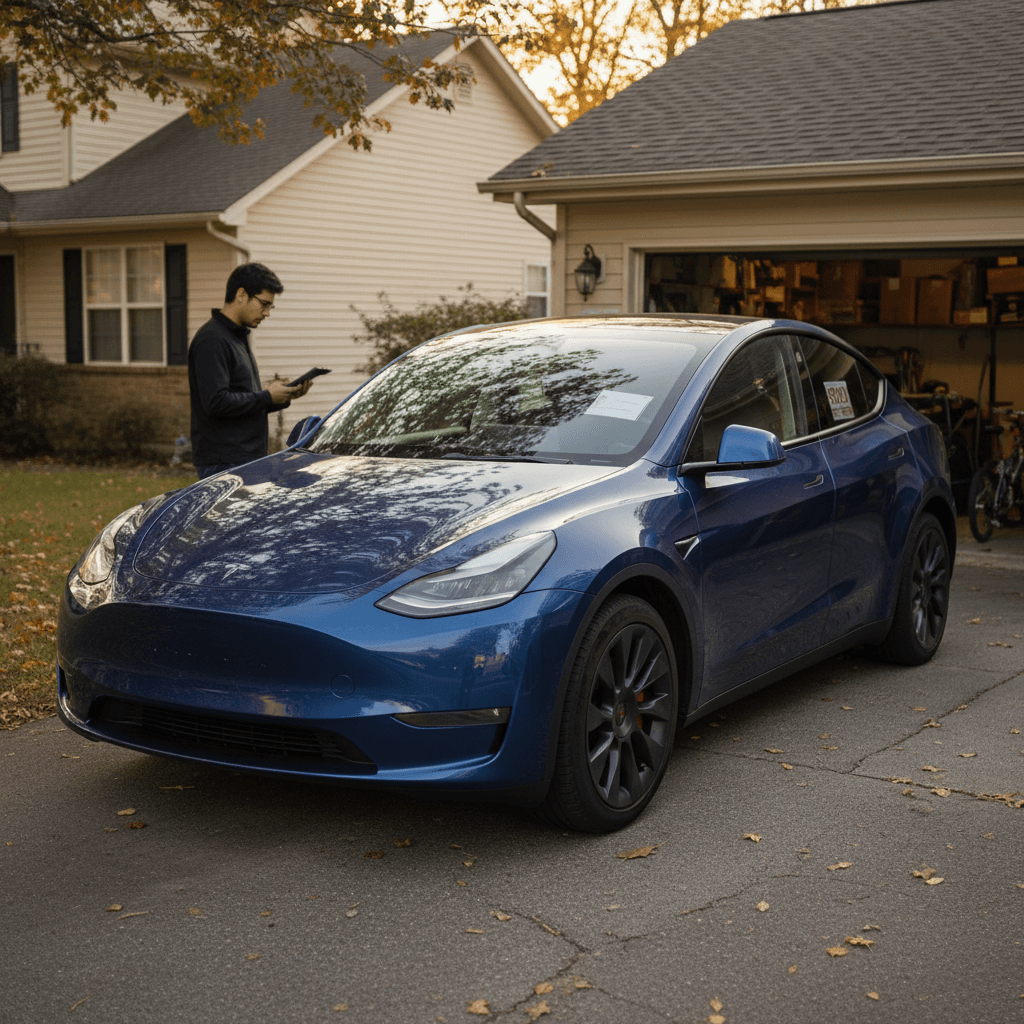
If you’re shopping the used EV market in 2026, the Tesla Model Y is impossible to ignore. It’s still one of the best‑selling electric SUVs in the world, and the 2026 Tesla Model Y brings incremental updates on top of Tesla’s big 2025 refresh. The question now is simple: as these 2026s start hitting the second‑hand market, is a used 2026 Tesla Model Y the smart buy, or are you better off with an older Y or a rival like the Hyundai Ioniq 5 or Ford Mustang Mach‑E?
Used 2026 Model Y in a sentence
2026 Tesla Model Y as a Used Buy: Quick Take
Pros of a used 2026 Model Y
- Excellent efficiency and range for the class, especially in Long Range AWD form.
- Access to Tesla’s Supercharger network plus growing NACS support from other networks.
- Strong performance even in non‑Performance trims; instant torque and smooth power delivery.
- OTA software updates mean many 2026 cars already have the latest UI and driver‑assist features.
- Earlier, sharper depreciation on Teslas means used pricing can undercut equivalent new builds by a healthy margin within 12–24 months.
Cons to keep in mind
- Tesla’s ongoing price cuts on new cars can pressure used values further.
- Build quality still varies car‑to‑car; panel gaps, wind noise and trim rattles remain common complaints.
- Simplified interior and controls (including stalk‑less designs in some markets) aren’t for everyone.
- Some feature content and premium materials were reduced versus early Model Ys to hit lower price points.
- Warranty clock is already ticking; heavy‑mileage ex‑lease cars may have less coverage left than you expect.
Who a used 2026 Y fits best
Where the 2026 Model Y Sits in Today’s EV Market
What Changed for the 2026 Model Y?
Tesla’s big Model Y overhaul arrived with the 2025 refresh, often nicknamed “Juniper,” which brought revised suspension tuning, efficiency tweaks and interior updates. The 2026 Model Y builds on that car rather than reinventing it. In the U.S., the 2026 lineup centers on the Long Range All‑Wheel Drive model, with Performance trims and region‑specific variants available in other markets.
- Suspension and ride: 2025’s retuned suspension carries over, so 2026 cars feel more composed and less busy than early Model Ys, especially over broken pavement.
- Efficiency tweaks: The 2025 “new Model Y” gained roughly 5% more range from aero and drivetrain refinements; 2026 maintains that improved efficiency.
- Interior and controls: You still get the minimalist cabin, central touchscreen and steering‑yoke‑optional setup in some regions. The headline news is that Tesla kept the traditional turn‑signal stalk for Model Y, even as other Teslas went fully stalk‑less.
- Seating: In addition to the familiar 5‑seat layout, 2026 brings renewed attention to the optional three‑row configuration in some markets, giving used‑SUV shoppers more flexibility for families.
- Software: 2026 cars ship with the latest infotainment and driver‑assist stack, and many will already have received several over‑the‑air (OTA) updates by the time they enter the used market.
Trim‑level clarity
Used 2026 Model Y Pricing & Depreciation
Tesla pricing has been a moving target since 2023, and that volatility is exactly why the used 2026 Model Y can be a deal, or a trap, depending on what you pay. New‑car price cuts and tax‑credit eligibility flow straight into wholesale lanes and consumer‑to‑consumer deals, putting extra pressure on nearly new examples.
Illustrative Used 2026 Model Y Asking Prices (U.S.)
These are directional examples as of early 2026; actual pricing varies by region, spec and incentives.
| Trim & Mileage | Expected Condition | Typical Asking Range* | Notes |
|---|---|---|---|
| Long Range AWD, ~10,000 miles | Off‑lease / demo | Low–mid $40,000s | Often still eligible for some new‑car incentives alternative if you’re flexible on color/options. |
| Long Range AWD, ~25,000 miles | One‑owner retail | High $30,000s–low $40,000s | Sweet spot: enough depreciation to matter, but still within basic warranty. |
| Performance, ~15,000 miles | Enthusiast‑owned | Low–mid $50,000s | Condition and tire wear matter; brakes and tires see more abuse. |
| Three‑row configuration | Family‑oriented | + $1,000–$2,000 over comparable 5‑seater | Third row boosts appeal but is tight for adults. |
Treat these as ballpark ranges, not firm quotes. Always compare to current new‑car pricing and incentives in your zip code.
Watch today’s new‑car price before you commit
One clear trend from 2024–2025 data: Teslas depreciated faster than the industry average as the company slashed new‑car MSRPs. For used‑car shoppers in 2026, that’s good news. You’re more likely to find a 12–24‑month‑old Model Y that’s taken a 10–20% hit from its original transaction price, even as its fundamentals, battery warranty, software, charging access, remain intact.
Real-World Range & Charging Experience
On paper, the 2026 Model Y Long Range AWD hovers around the 300‑mile mark on the EPA cycle, depending on wheels and options. In practice, owners report 250–310 miles of realistic range per charge, with weather, speed and elevation doing most of the damage or the helping.
Real‑World Range Scenarios for 2026 Model Y Long Range AWD
Approximate numbers assume a healthy battery and moderate loads.
City / Suburban Use
Stop‑and‑go and 35–50 mph driving tends to favor EVs.
- Typical: 280–320 mi per charge
- Lots of regen recapturing energy
- Best‑case behavior for commuters
Highway at 70–75 mph
Higher speeds are where aero drag hits hardest.
- Typical: 240–280 mi
- Roof racks, big wheels and winter tires all cut into range
- Plan fast‑charge stops every 150–200 miles on long trips
Cold‑Weather Driving
Sub‑freezing temps can quickly shrink range.
- Worst case: 25–35% loss vs EPA figures
- Pre‑conditioning while plugged in helps
- Seat and wheel heaters use less energy than blasting HVAC
Charging in the NACS era
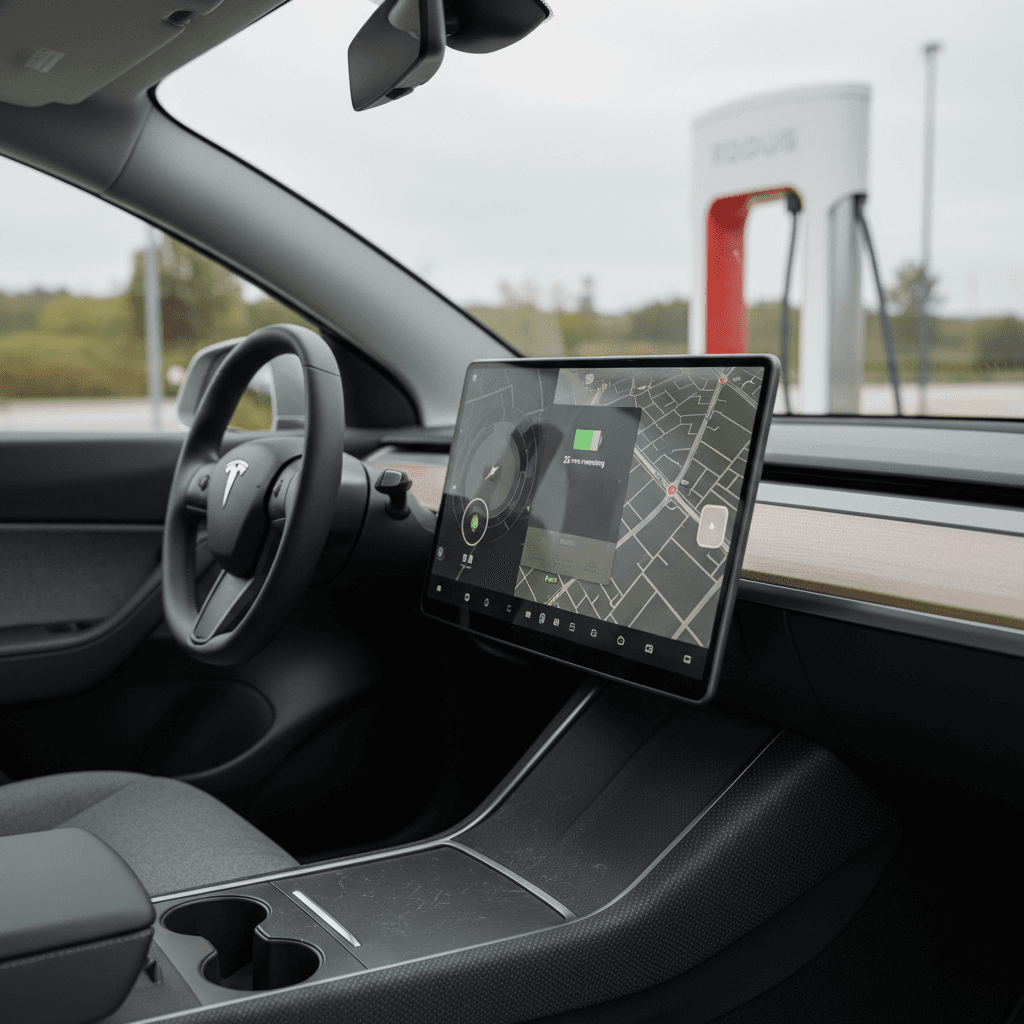
On a healthy 2026 Long Range pack, expect peak DC fast‑charge rates around 200–250 kW on compatible hardware and ideal conditions. The more useful metric is time from 10–80%. Figure 25–35 minutes at a good Supercharger when the battery is warm, which puts the Model Y firmly in the middle of the current EV‑SUV pack.
Driving Impressions: How the 2026 Y Feels on the Road
The Model Y has always been more about effortless speed and efficiency than hushed luxury, and the 2026 car sticks to that brief. Even in Long Range guise, the dual‑motor setup delivers lively thrust; punch the accelerator at 40 mph and you get a smooth, immediate shove that many gas crossovers simply can’t match.
Behind the Wheel of a Used 2026 Model Y
Strengths and weak spots you’ll notice on a test drive.
What it does well
- Strong acceleration without the harshness of some performance‑tuned rivals.
- Improved ride comfort versus early Model Ys, especially on 19‑inch wheels.
- Low center of gravity makes it feel secure and planted in corners.
- One‑pedal driving is intuitive and quickly becomes second nature.
Where it still falls short
- More wind and road noise than premium‑branded rivals.
- Some owners report rattles or buzzes developing over rough roads.
- Steering feel is precise but somewhat numb.
- Performance trim can feel too firm on broken pavement.
Used‑car test drive tip
Interior, Tech & Software in a Used 2026 Y
Climb into a 2026 Model Y and you’re greeted by the same minimalist, screen‑forward interior that’s defined Tesla for years. A single central display runs the show, speedo, navigation, climate, vehicle settings, even glovebox release. If you’re coming out of a button‑heavy SUV, there’s a learning curve, but day‑to‑day usability is better than critics sometimes admit.
What still impresses in 2026
- The 15‑inch touchscreen remains snappy and responsive, even on used examples.
- Navigation tightly integrates charging stops, real‑time energy use and Supercharger availability.
- Over‑the‑air updates mean a 2026 built last fall may already feel different than it did on delivery.
- Cabin space is excellent for a compact SUV, especially rear legroom and cargo volume.
What you give up vs rivals
- Material quality is decent but not luxurious; hard plastics still show up in touch points.
- Traditional gauge cluster and head‑up display are absent, you live by the central screen.
- Some 2025–2026 cost‑cut tweaks, like simplified trim and audio setups, make earlier high‑spec Ys feel richer inside.
- Apple CarPlay and Android Auto remain unavailable; you’re all‑in on Tesla’s ecosystem.
Autopilot & driver‑assist caveat
Battery Health on a Used Tesla Model Y
Battery health is the single biggest question mark for any used EV. The good news: Model Y packs have generally held up well in the real world, with modest degradation over the first 50,000–75,000 miles. The bad news: not all sellers have the tools, or the incentive, to show you what’s really going on under the floor.
Battery‑Health Checklist for a Used 2026 Model Y
1. Ask for state‑of‑charge and rated range screenshots
A simple photo of the main screen at 100% charge showing ‘rated range’ gives you a quick reality check. Compare that to the original EPA number for the trim you’re looking at.
2. Look for fast‑charging heavy usage
Frequent DC fast charging isn’t a deal‑breaker, but a car that lived on Superchargers its whole life may show slightly more degradation. Ask about typical charging habits.
3. Check for battery‑related alerts
On the test drive, look for warning messages about reduced power, unavailable regen, or limited charging speed. These can hint at underlying battery or thermal issues.
4. Review service history
A high‑voltage battery replacement or major drive‑unit work under warranty can actually be a positive if the work was done by Tesla and properly documented.
5. Get an independent battery report
If you want more than guesswork, use a seller that provides <strong>third‑party battery diagnostics</strong>. At Recharged, every Model Y includes a <strong>Recharged Score battery health report</strong> so you know exactly what you’re buying.
How Recharged helps on battery health
Ready to find your next EV?
Browse VehiclesCommon Issues, Recalls & Owner Complaints
Because the 2026 Model Y is an evolution of a high‑volume platform, most of the big engineering bugs were worked out years ago. What remains are the sort of livability and quality‑of‑assembly issues that have followed Tesla from the early days, plus the occasional software‑induced quirk.
- Fit and finish: Panel alignment, paint thickness and interior trim fit can vary. Cosmetic issues are common on close inspection, even if they rarely affect function.
- Wind and road noise: Some owners of refreshed Ys still report more wind hiss around mirrors and pillars than in rival crossovers.
- Rattles and squeaks: Over time, hard‑plastic interfaces in the minimalist cabin can develop noises over rough pavement.
- Software regressions: OTA updates sometimes change UI layouts, range estimates or driver‑assist behavior in ways not all owners like.
- Service access: Tesla’s direct‑to‑consumer service model means mobile technicians and service centers instead of traditional dealers. Experiences vary widely by region.
Always run a recall and campaign check
How a Used 2026 Model Y Compares to Rivals
The compact‑electric‑SUV field is far more crowded in 2026 than when the Model Y launched. Yet even as newcomers pile in, a used 2026 Y remains a benchmark for efficiency and charging convenience. Where it’s less dominant is cabin polish and traditional ownership experience.
Used 2026 Tesla Model Y vs Key EV SUV Rivals (as Used Buys)
High‑level comparison for shoppers cross‑shopping late‑model EV SUVs in the U.S.
| Model (Used 2025–2026) | Strengths | Weak Spots | Best For |
|---|---|---|---|
| Tesla Model Y (2026 LR AWD) | Top‑tier efficiency and range, strong charging network, mature software | Build quality inconsistency, sparse interior, Tesla‑only service | Tech‑oriented buyers who prioritize range and charging over soft‑touch luxury |
| Hyundai Ioniq 5 (2025) | Ultra‑fast 800V charging, comfortable ride, upscale cabin | Less efficient at highway speeds, smaller charging network (though improving with NACS) | Drivers who want design flair and comfort with road‑trip capability |
| Kia EV6 (2025) | Sporty handling, quick charging, distinctive styling | Tighter rear headroom, ride can be firm on big wheels | Enthusiasts who want something more engaging to drive |
| Ford Mustang Mach‑E (2025) | Familiar dealer network, traditional interior controls, solid ride/handling balance | Charging network still catching up, efficiency trails Tesla | Buyers who want EV tech with a more traditional SUV ownership model |
Exact specs and pricing vary by trim, but the themes below show where each model tends to shine.
For all the drama around Tesla’s stock price and politics, the simple reality on the lot is that a Model Y is still the default choice for many used‑EV shoppers. It’s the car people know, and that familiarity matters when you’re buying your first electric family vehicle.
Inspection Checklist for a Used 2026 Model Y
Whether you’re buying from a private seller, an auction‑sourced used‑car lot or a specialist like Recharged, a structured inspection is your best defense against surprises. Use this checklist as a starting point.
On‑the‑Ground Inspection Steps
1. Exterior and glass
Walk the car in good light. Look for mismatched paint, overspray, panel gaps that tighten or widen along their length, and windshield or glass chips. Minor cosmetic issues are normal; structural repairs deserve deeper questions.
2. Wheels, tires and brakes
Uneven tire wear can hint at alignment or suspension issues. On Performance trims, check for curb rash and confirm the tires still have plenty of tread, replacements aren’t cheap.
3. Interior controls and features
Test every door handle, window, seat adjustment and lock. Make sure HVAC, defrost, heated seats and steering wheel (if equipped) all work. Confirm audio balance and volume, speaker reductions on some trims make condition more important.
4. Software and driver‑assist
Log into the car (with seller present) and tap through every major menu. Confirm Autopilot or enhanced features claimed in the ad are actually present in the software, not just in the seller’s memory.
5. Charging behavior
If possible, plug into a Level 2 charger. You’re looking for a clean start to charging with no error messages and stable current. A brief DC fast‑charge test is even better, but not always practical.
6. Professional inspection or verified report
For a high‑value EV like a 2026 Model Y, consider a professional EV inspection or buy from a seller who supplies <strong>independent diagnostics</strong>, like the Recharged Score battery and health report bundled with every vehicle we sell.
FAQ: 2026 Tesla Model Y as a Used EV
Frequently Asked Questions
Bottom Line: Should You Buy a Used 2026 Model Y?
If you strip away the headlines and stock‑ticker drama, the 2026 Tesla Model Y is still a fundamentally strong package as a used EV: competitive range, mature charging, quick performance and a software experience that continues to evolve after delivery. As a used buy, its main liabilities are build‑quality variability, rapid‑fire new‑car price changes that can drag values down, and an ownership model that doesn’t look like the traditional dealer network many buyers grew up with.
For many shoppers, though, those trade‑offs are acceptable, especially when depreciation has done some of the heavy lifting. A well‑priced, well‑documented used 2026 Model Y Long Range AWD with a clean battery‑health report remains one of the most rational all‑electric family haulers you can put in your driveway in 2026.
If you want help sorting the great cars from the merely good, Recharged was built for exactly this moment in the used‑EV market. Every vehicle we list comes with a Recharged Score Report covering battery health, pricing fairness and inspection findings, plus EV‑specialist guidance from first search to final delivery. However you end up buying, go in with data, not just brand familiarity, and the 2026 Model Y can be a smart, long‑term addition to your garage.