A lot of shoppers assume an electric Porsche will be “maintenance‑free.” The reality is more nuanced. The Porsche Taycan maintenance schedule is lighter than a gas 911 or Panamera, but it’s still structured, time‑based, and crucial for protecting both performance and warranty coverage, especially if you’re buying a used Taycan.
Quick Take
Why the Porsche Taycan Maintenance Schedule Matters
Porsche designed the Taycan to deliver repeatable performance: hard launches, high‑speed runs, and consistent DC fast‑charging. That puts real stress on brakes, tires, suspension components, and cooling hardware. Following the official maintenance schedule helps you:
- Maintain maximum performance and repeatable acceleration runs.
- Catch cooling, brake and suspension issues before they turn into expensive repairs.
- Keep warranty coverage intact by showing documented services.
- Protect resale value, a complete service history is a big plus in the used Taycan market.
- Give future buyers (or yourself) more confidence in the car’s battery health.
Don’t Ignore Time-Based Services
Porsche Taycan Maintenance Basics vs Gas Porsches
What the Taycan Eliminates
- No engine oil or oil filter changes.
- No spark plugs, fuel filters, or timing belts.
- No exhaust system service (mufflers, catalytic converters, O2 sensors).
- Far fewer moving parts in the powertrain.
What Still Needs Attention
- Brake fluid (time‑based changes).
- Tires and wheels (Taycan is heavy and powerful).
- Cabin air filter and HVAC system.
- Suspension, steering and chassis inspections.
- High‑voltage battery and coolant checks.
- Software updates and control unit diagnostics.
Tip for Low‑Mileage Owners
Official Porsche Taycan Maintenance Schedule & Service Intervals
Exact service intervals can vary slightly by market and model year, so you should always confirm in your owner’s manual or with a Porsche dealer. But for North American Taycan models, you’ll generally see a pattern of major services every 2 years or 20,000 miles (whichever comes first), with additional items layered on at higher mileage.
High-Level Porsche Taycan Maintenance Intervals
Typical service intervals for many Porsche Taycan models in North America. Always verify against your VIN-specific maintenance booklet.
| Interval | Time / Mileage | Typical Focus | Notes |
|---|---|---|---|
| Initial inspection | 1 year / ~10,000 mi | General inspection, software checks | Some dealers perform an early check, especially for heavy users. |
| Regular service | Every 2 years / 20,000 mi | Multi-point inspection, cabin filter, fluids check | Core repeating service interval for most Taycans. |
| Brake fluid change | Every 2 years | Brake fluid replacement | Time-based; important even for low-mileage cars. |
| Major inspection | 4 years / ~40,000 mi | Expanded checks, possible transmission oil, more detailed chassis inspection | Varies by model year and options; see your maintenance booklet. |
| High-voltage system check | Periodic (often 4+ years) | Battery, coolant, HV wiring inspection | Usually part of major services; done by EV-certified technicians. |
Use this as a planning guide, not a substitute for the official Porsche schedule.
Where to Find Your Exact Schedule
Service Items by Mileage and Time
Let’s break the Porsche Taycan maintenance schedule into practical chunks. These are common items you’ll see around specific mileage or time markers. Not every car or model year will have identical requirements, but this gives you a realistic roadmap.
Key Taycan Maintenance Tasks by Interval
From your first year with the car through long‑term ownership.
0–20,000 miles / 0–2 years
- General inspection and road test.
- Cabin air filter replacement.
- Brake system visual check.
- Tire rotation and wear inspection.
- Software and control unit diagnostics.
20,000–40,000 miles / 2–4 years
- Repeat 2‑year service items.
- Brake fluid change (if not already done).
- Detailed suspension and steering inspection.
- Cooling system check for battery and power electronics.
40,000+ miles / 4+ years
- More comprehensive chassis checks.
- High‑voltage battery and wiring inspection.
- Transmission / reduction gear oil service in some schedules.
- Deeper diagnostics for frequent DC fast‑charged cars.
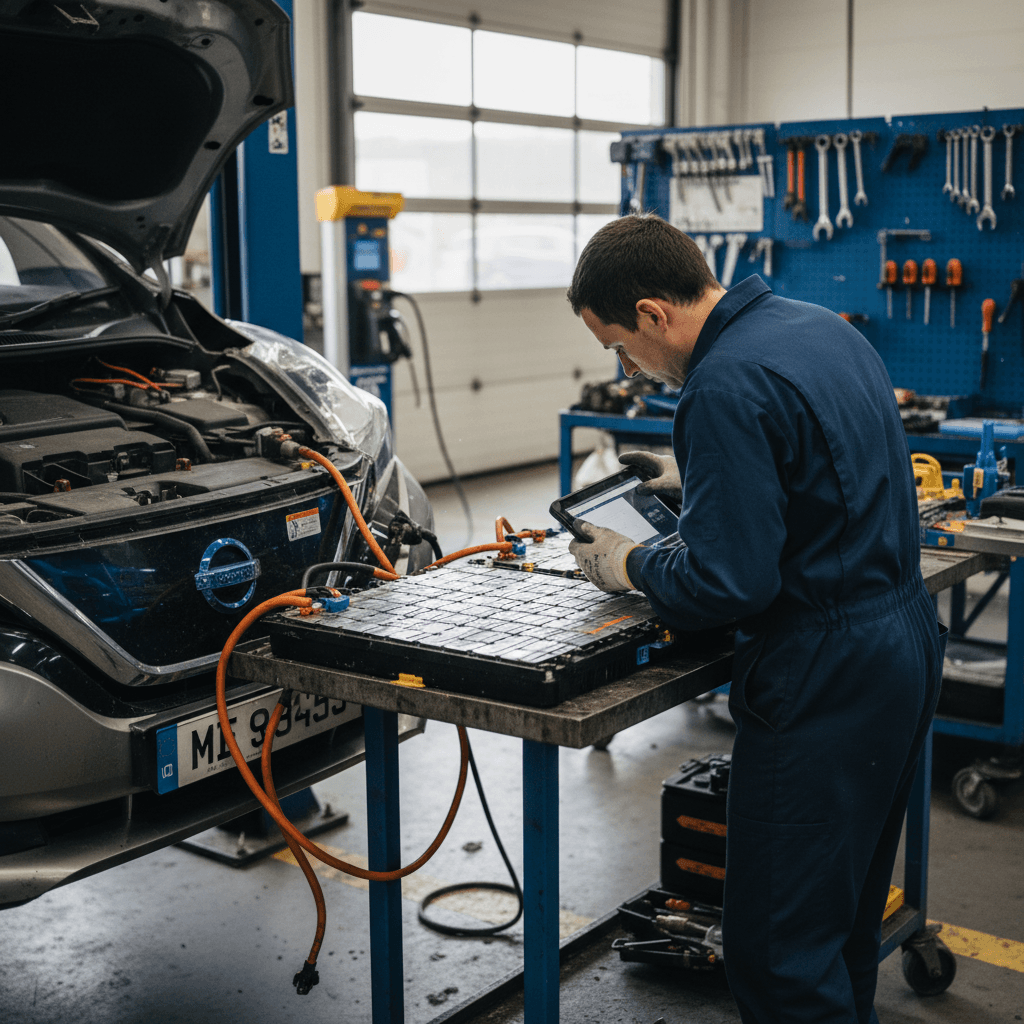
High-Voltage Work Warning
Wear Items: Tires, Brakes & Other Common Repairs
The big story with Taycan maintenance isn’t oil changes, it’s wear items. The car is heavy, fast, and often equipped with wide performance tires. That combination can eat tires and bushings faster than many owners expect, especially if the car sees spirited driving or repeated launch control runs.
What Typically Wears First on a Taycan
Porsche’s schedule will reference inspections, but you should mentally budget for:
- Performance tires every 15,000–25,000 miles on many Taycan setups, sometimes sooner for aggressive driving.
- Brake pads and rotors inspection around every major service; replacements depend heavily on how much you use regen vs. friction braking.
- Periodic wheel alignments to keep the car tracking straight and protect those expensive tires.
- Suspension bushings and components that can wear sooner on rough roads or with repeated high‑load driving.
Use Regenerative Braking
Battery Health, High-Voltage Components & Long-Term Care
The Taycan’s battery pack is engineered for performance and longevity, but like any EV, it will slowly degrade over time. Maintenance for the high‑voltage system is more about monitoring and prevention than replacing parts on a schedule.
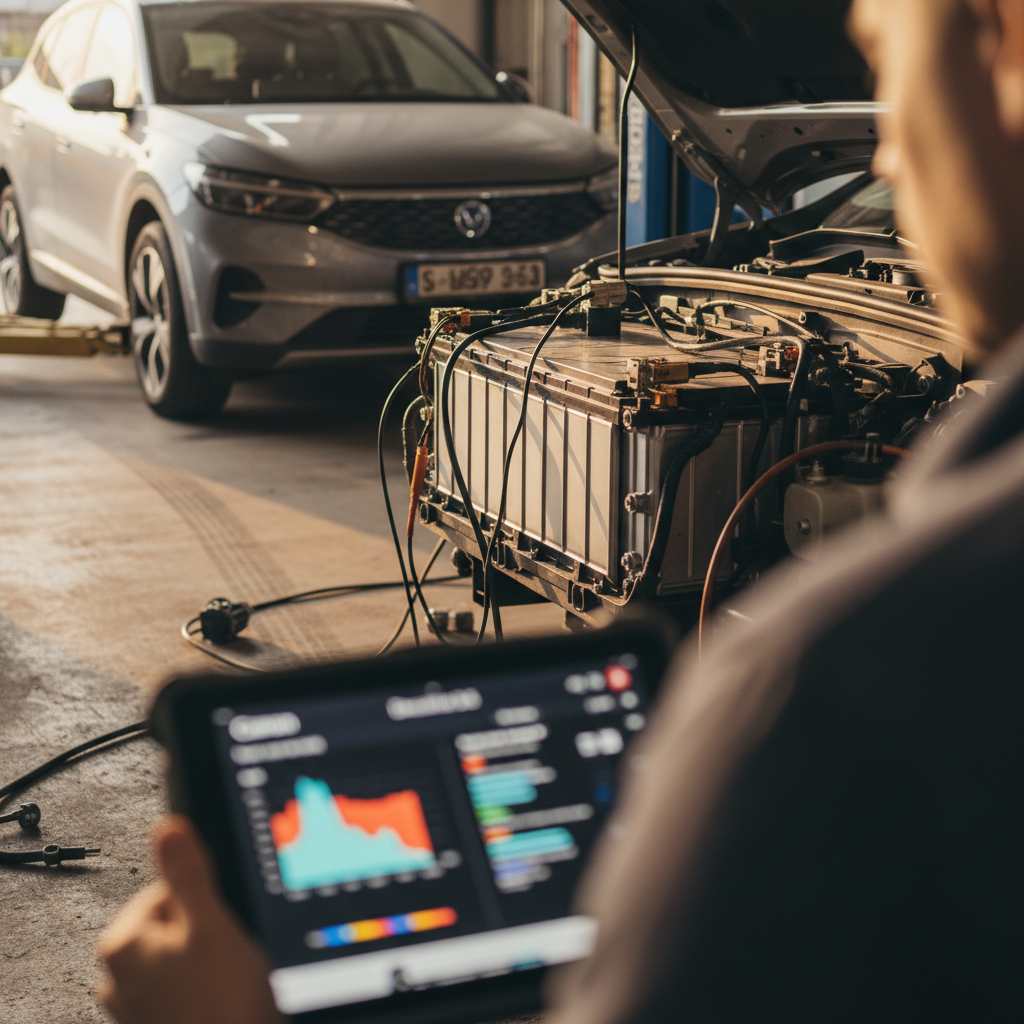
- Porsche technicians run diagnostics on the battery management system (BMS) and cooling hardware during scheduled services.
- If the car has done a lot of DC fast charging, service advisors may recommend more detailed inspections or software updates.
- Any fault codes involving voltage, isolation, or coolant around the pack should be taken seriously and checked immediately.
Taycan High-Voltage Warranty Snapshot
If you’re evaluating a used Taycan, battery health is the single most important long‑term variable. That’s where third‑party diagnostics, like the Recharged Score on used EVs at Recharged, come in. Instead of guessing from range estimates or trip readouts, you see verified battery health data based on how the pack performs under load.
Porsche Taycan Maintenance Costs, Warranty & Service Plans
Taycan maintenance costs land in a middle ground: lower than many gas Porsches over time, but still premium compared with mainstream EVs. You’re paying for specialized technicians, high‑performance hardware, and Porsche‑specific parts.
- Routine 2‑year services are typically a few hundred dollars at many Porsche dealers, depending on what’s included.
- Brake jobs and tire sets can run into the four‑figure range, especially on 20‑ or 21‑inch wheels.
- High‑voltage repairs outside warranty can be very expensive, which is why warranty status and battery health are so critical when buying used.
Leverage Warranty & CPO Coverage
Some owners choose prepaid Porsche maintenance plans or extended warranties to smooth out costs. Whether that’s worthwhile depends on how long you plan to keep the car and how many miles you drive each year.
Used Porsche Taycan Maintenance Checklist
If you’re looking at a used Taycan, you’re not just buying a performance EV, you’re also inheriting someone else’s maintenance decisions. Here’s a focused checklist to help you separate well‑kept cars from future headaches.
Pre-Purchase Taycan Maintenance & Condition Checklist
1. Verify Service History
Ask for <strong>complete service records</strong>, ideally from Porsche dealers or reputable EV‑trained shops. Confirm 2‑year/20,000‑mile services and brake fluid changes were done on time.
2. Check for Recalls & Software Updates
Confirm open recalls have been addressed and the car has received <strong>recent software updates</strong>. This can affect everything from charging behavior to driver‑assist features.
3. Inspect Tires, Brakes & Alignment
Look for <strong>uneven tire wear</strong>, lip on rotors, or pulling under braking. These can signal alignment or suspension issues and inform near‑term maintenance costs.
4. Evaluate DC Fast-Charging History
Heavy DC fast‑charging isn’t automatically bad, but ask the seller about their habits. Frequent high‑power charging plus high mileage makes a <strong>professional battery health test</strong> even more important.
5. Confirm Warranty Status
Use the VIN to check remaining <strong>factory and high‑voltage battery warranty</strong>. If it’s close to expiring, factor potential out‑of‑pocket repairs into your budget.
6. Get Independent Battery Diagnostics
Where possible, get a <strong>third‑party battery health report</strong>. At Recharged, every EV includes a Recharged Score with verified pack health to remove guesswork from the process.
Be Cautious With Gaps in Records
How Recharged Simplifies Used Taycan Ownership
Performance EVs like the Taycan reward owners who take maintenance seriously. If you’re considering one used, the challenge is seeing past glossy photos to understand battery health, service history, and true running costs. That’s where Recharged comes in.
What You Get With a Taycan from Recharged
Built to make high-performance EV ownership simpler and more transparent.
Recharged Score Battery Report
Transparent Pricing & Financing
Nationwide Delivery & EV Experts
Ready to find your next EV?
Browse VehiclesIf you already own a Taycan and are thinking about selling or trading, Recharged can help there, too, through instant offers, consignment options, and trade‑ins that recognize the value of a properly maintained performance EV.
Porsche Taycan Maintenance FAQ
Frequently Asked Questions About Taycan Maintenance
Bottom Line: Building a Smart Taycan Maintenance Plan
A Porsche Taycan maintenance schedule looks very different from a gas Porsche, but it isn’t nonexistent. Instead of oil changes and spark plugs, you’re focusing on time‑based inspections, brakes, tires, software, and the health of a sophisticated battery and cooling system. Plan on bi‑annual visits, keep an eye on wear items, and treat high‑voltage warnings as non‑negotiable service events.
If you’re shopping used, combine a careful review of service records with independent battery diagnostics and a realistic budget for tires and brakes. Working with a specialist marketplace like Recharged, where every EV includes a Recharged Score, transparent pricing, and EV‑savvy support, can make stepping into a Taycan feel less like a leap of faith and more like a well‑researched upgrade.