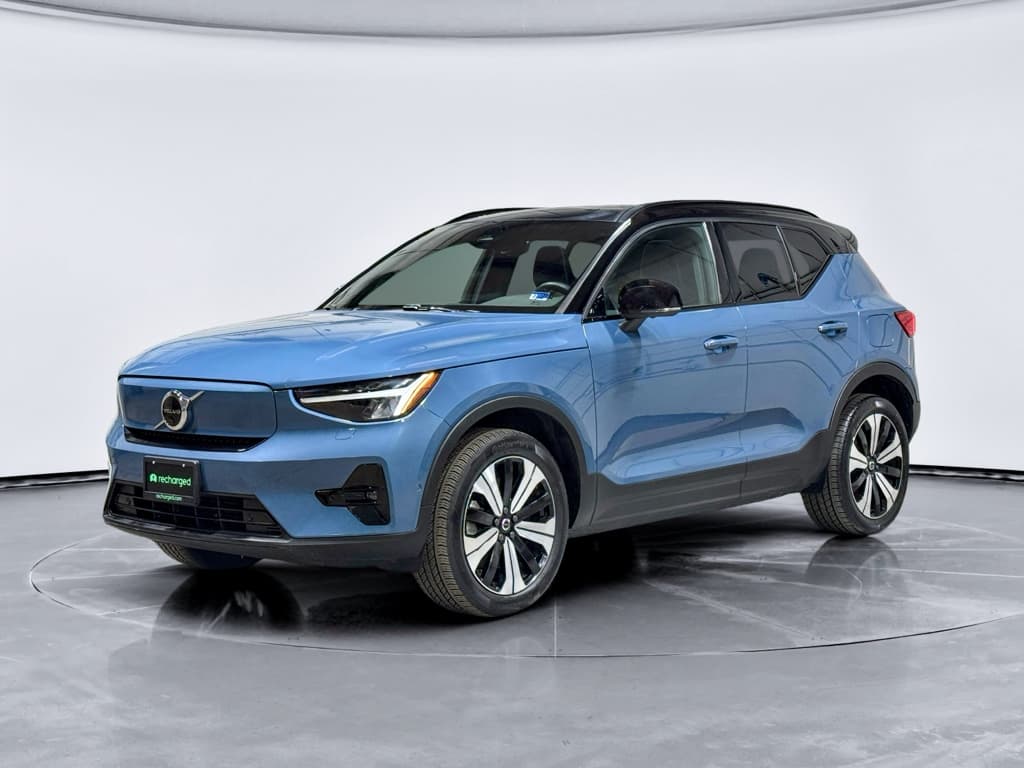
If you’re eyeing Volvo’s flagship electric SUV, one of your first questions is probably, “What does the Volvo EX90 cost per mile to drive compared with my current gas SUV?” The sticker price might make headlines, but the quiet story with the EX90 is how much you spend, or save, every time you put a mile on the odometer.
Short answer
Volvo EX90 cost per mile: quick overview
Volvo EX90 cost per mile snapshot (typical U.S. driver)
Those ranges are not one‑size‑fits‑all. Your actual Volvo EX90 cost per mile to drive will depend on how efficiently you drive, your climate, and, most importantly, what you pay per kWh at home and on the road. Let’s walk through how the math works so you can plug in your own numbers with confidence.
How we estimate Volvo EX90 cost per mile
- Start with the EX90’s usable battery capacity and real‑world range to estimate miles per kWh.
- Use your typical electricity price in $/kWh (home and public).
- Apply a simple formula: Cost per mile = (Electricity price ÷ miles per kWh).
- Compare that to a similar gasoline SUV using: Fuel cost per mile = (Gas price ÷ miles per gallon).
Back‑of‑the‑envelope formula
Volvo’s published specs point to a large battery pack (around 100 kWh usable) and EPA‑rated range in the 270–300‑mile neighborhood depending on configuration. In the real world, heavy 3‑row EVs almost always deliver a bit less, which is why we’ll use practical, not optimistic, numbers in the next sections.
Volvo EX90 efficiency: what miles per kWh to expect
Efficiency, how many miles you travel per kilowatt‑hour of electricity, is the backbone of any Volvo EX90 cost per mile calculation. For a big, all‑wheel‑drive luxury SUV like the EX90, you should think in terms of ranges, not a single magic number.
Real‑world Volvo EX90 efficiency scenarios
Approximate miles per kWh in different driving conditions
City / suburban
2.4–2.7 mi/kWh
Lots of stop‑and‑go, where regen braking helps. Great for errands, school runs, and commuting.
Mixed driving
2.1–2.4 mi/kWh
A realistic average for many owners combining urban and highway miles.
Highway / cold weather
1.6–2.0 mi/kWh
Higher speeds, winter temperatures, roof boxes, or trailers all increase energy use.
Cold‑weather caution

Home charging: Volvo EX90 cost per mile examples
If you can charge at home, that’s usually the cheapest way to drive your EX90. Let’s look at a few typical Volvo EX90 cost per mile to drive scenarios using a realistic 2.2 miles per kWh average.
Volvo EX90 home charging cost per mile
Examples based on 2.2 miles per kWh real‑world efficiency.
| Electricity rate (¢/kWh) | Cost per kWh ($) | Miles per kWh | Cost per mile (¢) | Cost per mile ($) |
|---|---|---|---|---|
| 10¢ | $0.10 | 2.2 | 4.5¢ | $0.045 |
| 15¢ | $0.15 | 2.2 | 6.8¢ | $0.068 |
| 20¢ | $0.20 | 2.2 | 9.1¢ | $0.091 |
| 25¢ | $0.25 | 2.2 | 11.4¢ | $0.114 |
Use your own electricity rate in place of these examples to personalize your EX90 cost per mile.
Typical U.S. home charging
To put that into monthly terms, 1,000 miles of driving at 7 cents per mile is about $70 in electricity. If you’re coming from a full‑size gas SUV that drinks $200–$300 in fuel per month, the difference gets your attention fast.
Public and fast charging: cost per mile
Relying on public charging, especially DC fast charging, raises your Volvo EX90 cost per mile, but it can still undercut gasoline on a pure fuel‑cost basis. Fast‑charging networks in the U.S. often price sessions between $0.30 and $0.45 per kWh, sometimes more along high‑demand corridors.
Volvo EX90 public and DC fast charging costs
Approximate cost per mile using a mixed‑driving 2.0 mi/kWh assumption (fast‑charged miles are usually a bit less efficient).
| Charging type | Price ($/kWh) | Miles per kWh | Cost per mile (¢) | Cost per mile ($) |
|---|---|---|---|---|
| Level 2 public (paid) | $0.25 | 2.2 | 11.4¢ | $0.114 |
| DC fast (value tier) | $0.30 | 2.0 | 15.0¢ | $0.150 |
| DC fast (typical) | $0.35 | 2.0 | 17.5¢ | $0.175 |
| DC fast (premium/peak) | $0.45 | 2.0 | 22.5¢ | $0.225 |
Frequent fast‑charging can nearly double your energy cost per mile compared with home charging, but it’s still competitive with gasoline.
Road‑trip reality check
Volvo EX90 vs gas 3‑row SUV cost per mile
The most useful way to judge the EX90’s running costs is to compare it to what many shoppers already drive or are considering: a large, 3‑row gasoline SUV. Think Volvo XC90, BMW X7, Mercedes GLS, or mainstream options like a Chevy Tahoe.
Example: EX90 on home charging
- Electricity price: $0.15/kWh
- Efficiency: 2.2 mi/kWh
- Energy cost per mile: 6.8¢
- 1,000 miles/month energy cost: ~$68
Example: gas 3‑row SUV
- Gas price: $3.50/gal
- Real‑world mpg: 20 mpg (many do worse)
- Fuel cost per mile: 17.5¢
- 1,000 miles/month fuel cost: ~$175
Under those assumptions, the EX90 saves about $100 per 1,000 miles in energy alone. Drive 12,000 miles a year that way, and you’re looking at roughly $1,200 in annual “fuel” savings, before you factor in maintenance differences.
What about premium gas?
7 factors that change your EX90 cost per mile
Key drivers of Volvo EX90 cost per mile
1. Your electricity rate
The single biggest variable. A home charging plan at 10–15¢/kWh can cut your EX90’s cost per mile in half versus a region where power runs 25–30¢/kWh.
2. Home vs. public charging mix
Charging 90% at home and 10% on DC fast makes your average cost per mile look very different from 50/50, even if you drive the same routes.
3. Driving style and speed
Smooth driving at 65 mph uses far less energy than hammering along at 80 mph. With a heavy, boxy SUV like the EX90, aero drag at speed is a big deal.
4. Climate and trip length
Lots of short, cold‑weather trips are hard on efficiency. Long, mild‑weather highway drives often look better in miles per kWh.
5. Vehicle load and accessories
Roof boxes, bike racks, passengers, cargo, and towing all drag your efficiency down, raising cost per mile.
6. Wheel and tire choices
Big, wide wheels and aggressive tires can easily nibble away at range, worsening your cost per mile compared with more efficiency‑oriented setups.
7. Battery health over time
As the battery ages, usable range can decline modestly. If efficiency stays similar, your cost per mile doesn’t spike, but you may need to charge more often. On a <strong>used Volvo EX90</strong>, a solid battery health report helps keep your cost‑per‑mile story intact.
How to lower your Volvo EX90 cost per mile
Practical ways to reduce your EX90 cost per mile
Most of these tips cost little or nothing, just awareness.
Use off‑peak rates
Many utilities offer time‑of‑use plans. Charging your EX90 overnight when rates are lowest can cut your electricity cost per kWh by 30–50%.
Drive efficiently
Use one‑pedal or strong regen where available, avoid jackrabbit starts, and keep highway speeds reasonable. You’ll notice the difference in miles per kWh immediately.
Pre‑condition while plugged in
In hot or cold weather, heat or cool the cabin while you’re still connected to the charger. That shifts the energy draw from your battery to the grid and boosts on‑road efficiency.
Plan smart routes
Use your navigation’s EV‑aware routing so you’re not zig‑zagging around needlessly. Fewer cold starts and less backtracking mean better efficiency over the month.
Maintain tires and alignment
Correct tire pressure and alignment reduce rolling resistance. Neglect here is a hidden tax on your cost per mile that creeps up slowly.
Limit fast‑charging to when you need it
DC fast charging is a terrific tool for road trips and emergencies, but if you have home charging, make that your default. Your wallet, and your battery, will thank you.
Buying a used Volvo EX90: why battery health matters for cost per mile
As EX90s start showing up on the used market, your cost per mile picture gets more interesting. The energy cost per mile is only half the story; you also care about how long the battery will comfortably support your range needs and charging habits.
Battery health and real‑world costs
That’s where a structured inspection and battery report really pay off. Every used EV on Recharged, for example, includes a Recharged Score with verified battery health, pricing benchmarks, and expert guidance. If you’re evaluating a used Volvo EX90, this kind of data helps you line up the purchase price with realistic long‑term running costs, so your future cost‑per‑mile math isn’t built on wishful thinking.
How Recharged can help
Ready to find your next EV?
Browse VehiclesVolvo EX90 cost per mile: FAQ
Frequently asked questions about Volvo EX90 cost per mile
Bottom line: is the Volvo EX90 cheap to drive?
If you have regular access to home charging, the Volvo EX90 cost per mile to drive is one of its strongest selling points. At roughly 5–10 cents per mile in most home‑charging scenarios, it undercuts just about any comparable gasoline 3‑row SUV on fuel cost alone, and that’s before you factor in fewer oil changes, less brake wear, and the intangible benefit of a smoother, quieter drive.
If you expect to live on DC fast chargers, the math tightens, but the EX90 still offers a compelling blend of technology, safety, and refinement. The key is to be honest about how you’ll charge and how you drive, then run the numbers for your situation.
When you’re ready to turn those numbers into a real driveway decision, a used EX90 on Recharged can let you capture EV running‑cost savings without taking the full sting of new‑car depreciation. With verified battery health, transparent pricing, financing and trade‑in options, and nationwide delivery, you can focus on what matters: getting into a luxury electric SUV that’s as kind to your budget per mile as it is to the planet.