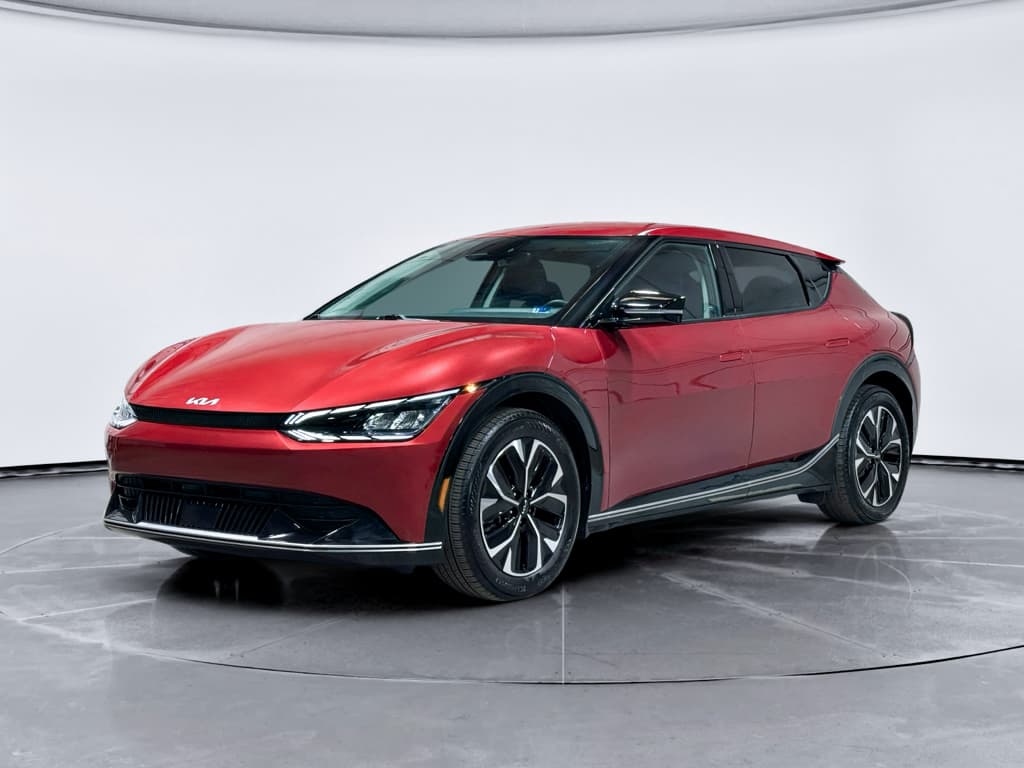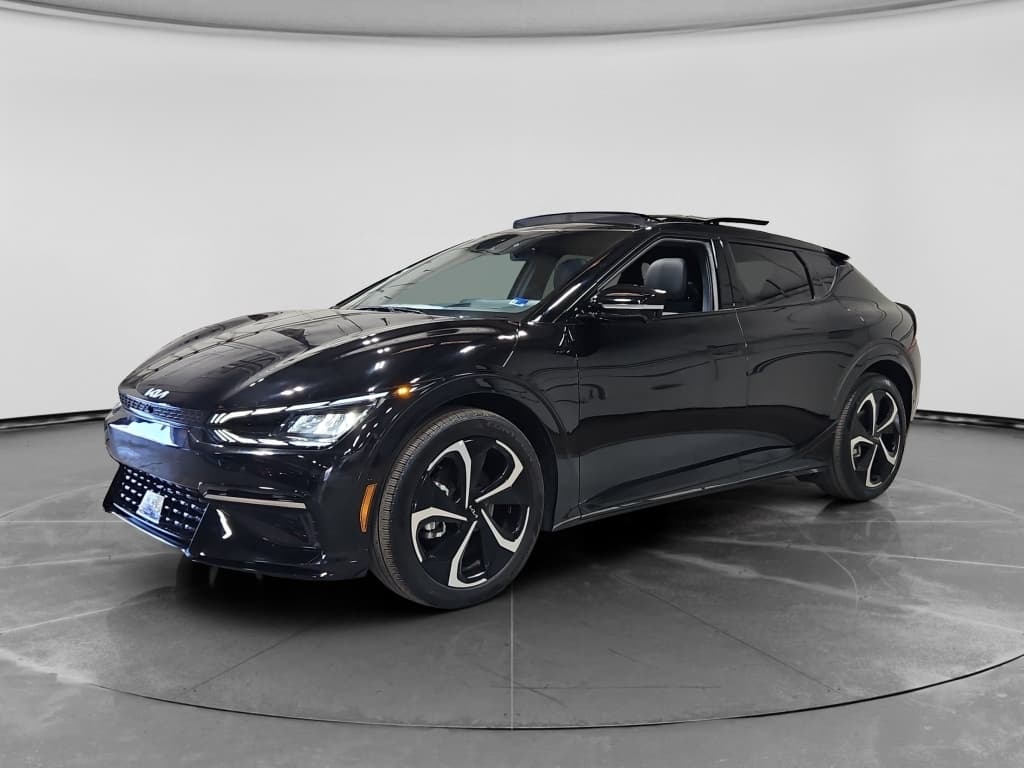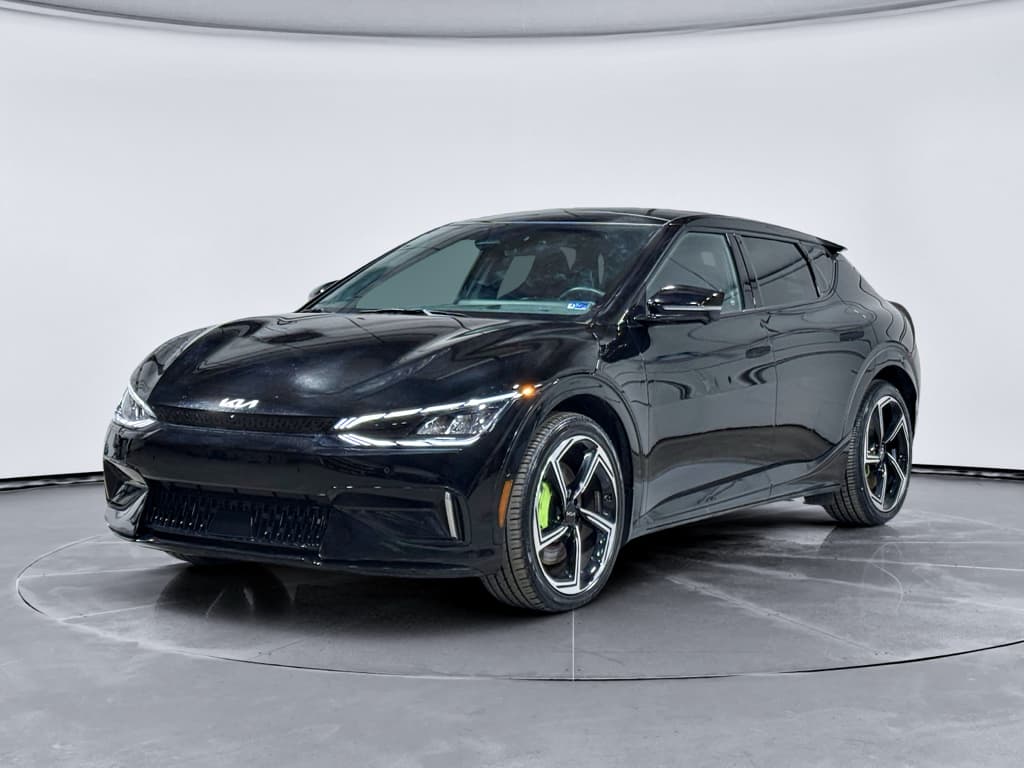
If you’re considering a used 2026 Kia EV6, you’re shopping one of the most compelling electric crossovers on the road. The EV6 blends long‑range capability, ultra‑fast charging and sharp styling with pricing that can undercut many new EVs once it hits the used market. This review looks at the 2026 model specifically from a used‑buyer’s perspective: real‑world range, battery health, reliability, warranty, pricing and how it stacks up against rival used EVs.
At a Glance
Overview: 2026 Kia EV6 as a Used Buy
By 2026, the Kia EV6 is a known quantity. Early U.S. models arrived for 2022, and the 2025 refresh brought revised styling, a larger battery and updated tech. The 2026 EV6 largely carries those upgrades forward with minor feature and packaging tweaks, which means a used example gives you near‑current hardware at a discount once first owners trade out of leases or early loans.
2026 Kia EV6: Key Numbers for Used Shoppers (Estimates)
Those specs put a used 2026 EV6 squarely in the sweet spot of today’s EV market: big enough battery for road trips, fast enough charging to make long drives realistic, and a warranty that still has many years left for second owners. The question is less “is the EV6 good?” and more “does a used 2026 EV6 fit your driving pattern, budget and risk tolerance better than its alternatives?”
What’s New for 2026, and Why It Matters When It’s Used
Kia’s own materials and early reviews indicate that the big changes hit for 2025: freshened styling, a larger battery pack on many trims and added tech features. For 2026, most reports suggest the EV6 carries over that package with incremental adjustments, things like standard equipment shuffles, color changes and pricing tweaks, rather than a ground‑up redesign.
- Updated “look” from the 2025 refresh, so a used 2026 won’t feel dated next to new models.
- Access to the larger‑capacity battery on many trims, improving real‑world range versus 2022–2023 cars.
- Improved driver‑assistance and infotainment features versus early build years.
- Potential inclusion or preparation for NACS (Tesla‑style) charging hardware or adapters in North America, depending on when Kia executes the switch.
Model Year vs. Build Date
Powertrain, Range & Charging Performance
Every 2026 Kia EV6 is fully electric and rides on the Hyundai–Kia E-GMP platform. That brings an 800‑volt electrical architecture, which is rare at this price point and a real asset in the used market. It allows the EV6 to pull very high power on DC fast chargers, dramatically shortening highway charging stops compared with many older EVs.
Likely 2026 Kia EV6 Trims & Estimated Ranges (Used-Buyer View)
Exact EPA numbers will depend on final 2026 certification, but this gives you a realistic ballpark based on recent model years.
| Trim (Example) | Drive | Battery | Est. EPA Range | Who It Suits Best |
|---|---|---|---|---|
| Light / Standard | RWD | Standard pack | ~270 mi | Commuters, mixed driving, value‑focused buyers |
| Wind Long Range | RWD | Larger pack | ~300–310 mi | High‑mileage drivers who road‑trip occasionally |
| Wind / GT-Line AWD | AWD | Larger pack | ~280–295 mi | Snow‑belt drivers, performance‑oriented shoppers |
| GT | AWD | Performance tune | ~235–250 mi | Enthusiasts prioritizing acceleration over maximum range |
If you road‑trip often, favor the larger battery RWD models; city drivers can comfortably choose AWD or smaller‑battery variants.
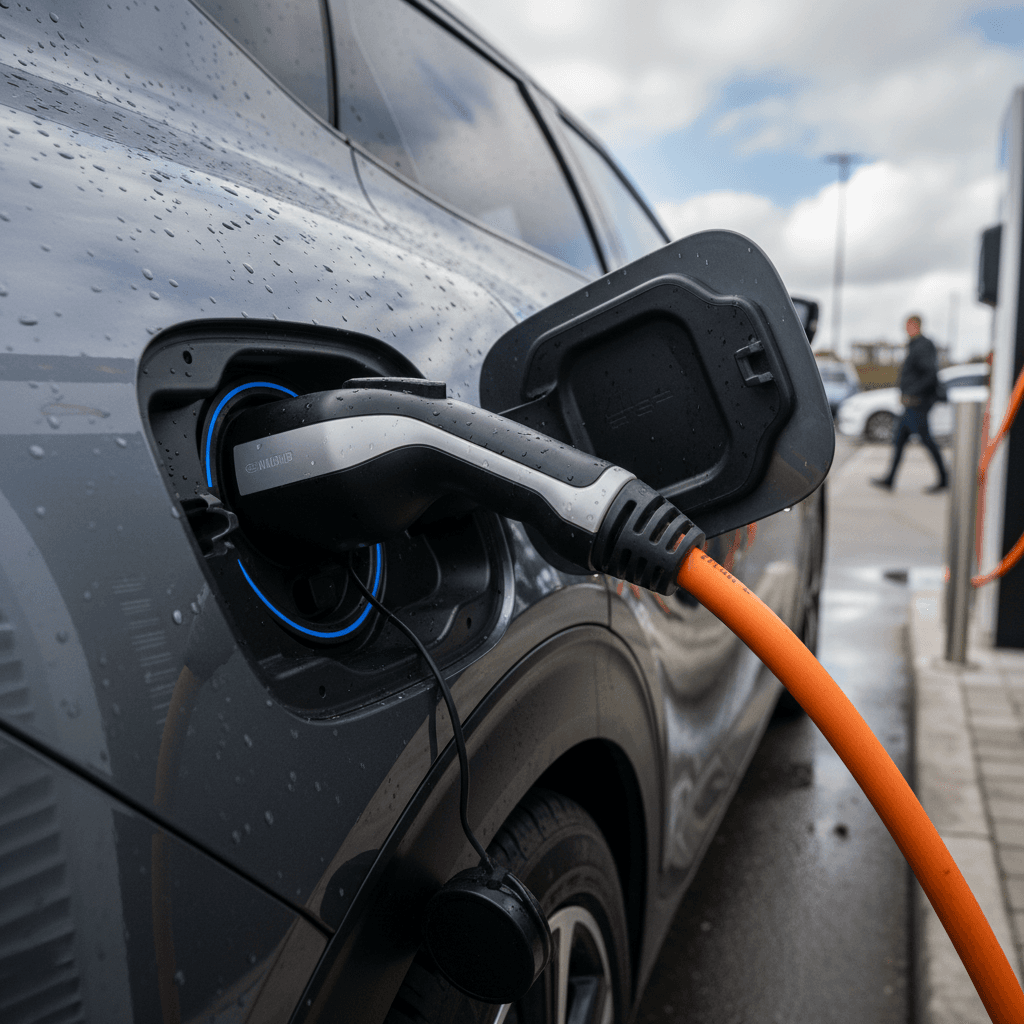
On DC fast charging, the EV6 can peak well above 200 kW on a 350 kW station in ideal conditions. In practical terms, you can expect a 10–80% charge in roughly 18–25 minutes when everything lines up, battery preconditioned, charger delivering full power, moderate outside temperatures. That’s a major advantage over many earlier EVs you’ll see on the used lot.
Real-World Range Reality Check
Interior Space, Tech & Day-to-Day Comfort
Inside, a 2026 EV6 will feel thoroughly modern to a used‑car shopper. You get a low, wide cabin that feels more like a sporty hatchback than a tall SUV, with dual‑screen digital displays, over‑the‑air software update capability and a clean, minimalist dashboard. Materials and build quality in most trims are competitive with similarly priced European and Japanese rivals.
Everyday Strengths
- Supportive seats with good long‑distance comfort.
- Plenty of rear legroom despite the sporty roofline.
- Flat floor helps middle rear passengers on short trips.
- Useful cargo area for strollers, luggage or Costco runs.
- Modern infotainment with smartphone integration and connected services.
Potential Drawbacks
- Sloping rear roof can cut into headroom for very tall passengers.
- Rear visibility is just OK; you’ll rely on cameras and sensors.
- Touch‑sensitive controls can be fiddly if you prefer real knobs.
- Some owners report software quirks that may require updates.
Used-Buyer Tip: Check for Features You Care About
Safety Ratings and Driver Assistance
Earlier EV6 model years have earned strong safety scores from major testing agencies, and the underlying body structure carries over, so you can reasonably expect the 2026 EV6 to remain a top‑tier safety performer once final ratings are published. Prior EV6s received top marks in crashworthiness and strong scores for crash‑avoidance tech, including automatic emergency braking and lane‑keeping assist.
Key Safety & Driver-Assistance Features to Look For
Most 2026 EV6 trims will include these systems as standard or widely available.
Structural Safety
High crash test scores on earlier EV6s suggest excellent crash protection, with robust passenger cell design and smart crumple zones.
Advanced Driver Assist
Look for Highway Driving Assist, adaptive cruise control, blind‑spot monitoring and rear cross‑traffic alert to ease highway and city driving.
Camera & Parking Tech
Surround‑view cameras, parking sensors and rear automatic braking can make the low‑slung EV6 easy to maneuver in tight spaces.
Don’t Skip the ADAS Test Drive
Battery Health, Degradation & Warranty Coverage
For used EV shoppers, battery health is the whole ballgame. The good news: industry studies and owner reports show that modern packs, including those in the EV6, are degrading more slowly than early skeptics feared. Many EV6 owners with tens of thousands of miles are still seeing very high state‑of‑health readings when properly measured.
- Typical real‑world degradation on well‑cared‑for modern packs is often in the single digits (percentage) over the first several years.
- Frequent high‑power DC fast charging and repeated 100% charges can accelerate wear, but occasional fast charging is expected and supported.
- Software updates can slightly change displayed range, so don’t rely solely on the dash estimate to judge battery health.
Understanding the Kia EV Battery Warranty
Where you buy matters. At Recharged, every vehicle includes a Recharged Score battery health report that uses specialized diagnostics to read the pack’s usable capacity, charging history signals and any trouble codes. That gives you a much clearer picture than a quick test drive or a salesperson’s assurance that “it charges to 100% just fine.”
Pro Tip: Get a Third-Party Battery Health Report
Reliability, Known Issues and Software
The EV6 is still a relatively young model, but by 2026 there’s enough owner experience with 2022–2024 cars to draw some early conclusions. The underlying motors and packs have generally behaved well, and many owners report minimal degradation. However, certain support systems and software have raised concerns in forums and owner groups.
Early Reliability Picture for EV6-Based Models
Focus areas when evaluating a used 2026 EV6.
ICCU & 12V-Related Issues
Some earlier Hyundai–Kia E-GMP vehicles have seen failures in the ICCU (the component that manages DC/DC conversion and charging) and 12‑volt batteries. When shopping used, ask the seller for recall and TSB documentation and verify that any campaigns have been completed.
Software Quirks & Updates
Owners have reported occasional software gremlins (navigation glitches, charging communication errors, sporadic warning lights). Many are resolved through updates. On a used 2026 EV6, confirm it has the latest software and ask to see service records.
Reliability Due Diligence
Used 2026 Kia EV6 Pricing and Value
Exact used values for the 2026 EV6 will depend on when you’re shopping. Early in the life cycle, say, late 2026 and 2027, you’re mostly looking at lease returns and early trade‑ins, so supply is thinner and prices sit closer to new. As more 2026s come off lease in 2028–2029, you can expect more inventory and steeper discounts versus a new EV6 or rival EV.
- RWD long‑range trims are likely to hold value best, balancing range and efficiency.
- High‑spec GT-Line and GT models will cost more used but deliver more performance and features.
- Low‑mileage examples with a clean service history and remaining warranty coverage will command a premium, and are usually worth it.
Where Recharged Fits In
Ready to find your next EV?
Browse VehiclesHow the EV6 Compares to Rival Used EVs
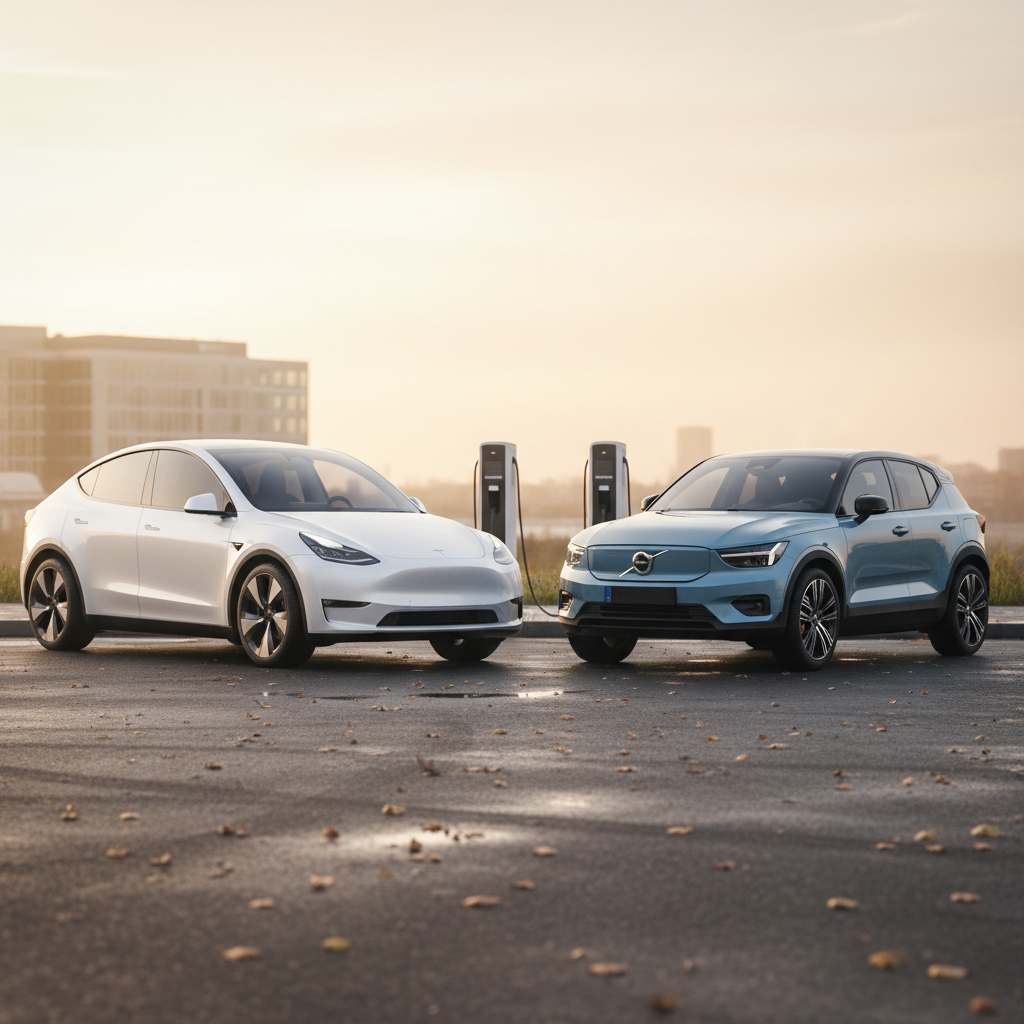
In the used market, a 2026 EV6 will square off against cars like the Tesla Model Y, Hyundai Ioniq 5 and 6, Ford Mustang Mach‑E and various Volkswagen ID models. Each has its advantages, but the EV6’s blend of styling, charging speed and warranty make it especially appealing if you value road‑trip capability and long‑term peace of mind.
Used 2026 Kia EV6 vs. Key Electric SUV Rivals
High-level comparison so you can see where the EV6 shines as a used buy.
| Model | Charging Architecture | DC Fast Charge Strength | Interior/Comfort | Used-Buyer Take |
|---|---|---|---|---|
| Kia EV6 | 800‑volt | Very strong (short 10–80% times) | Sporty but comfortable | Great all‑rounder; strong choice if you want road‑trip‑ready charging. |
| Tesla Model Y | 400‑volt | Strong, plus Supercharger network | Spacious, minimalist | Excellent charging access; used prices and build quality vary widely. |
| Hyundai Ioniq 5/6 | 800‑volt | Very strong (similar hardware) | Roomy, airy cabins | Great alternative; shop whichever has better local pricing and service. |
| Ford Mustang Mach‑E | 400‑volt | Good but slower charge curves | Sporty feel | Compelling if you find a deal; check for software and recall history. |
| VW ID.4 | 400‑volt | Improving but generally slower | Comfort‑oriented | Value play; focus on updated software and later build years. |
The EV6’s combination of fast charging and strong warranty coverage is hard to beat in the used EV crossover segment.
Inspection Checklist for a Used 2026 EV6
Before you sign on a used 2026 EV6, walk through a structured inspection. You don’t need to be a master tech, but you do need to be methodical. Here’s a focused checklist tailored to the EV6’s strengths and known watchpoints.
Pre-Purchase Checklist for a Used 2026 Kia EV6
1. Verify Battery Health
Review any available <strong>battery health report</strong> or Recharged Score, and ask how the previous owner charged, mostly home Level 2, or heavy DC fast‑charging use? If possible, have a specialist scan the pack to confirm state of health.
2. Confirm Warranty Status
Use the VIN to confirm in‑service date and remaining <strong>battery and powertrain warranty</strong>. A 2026 EV6 bought used in its first few years should have extensive coverage left, which meaningfully reduces your risk.
3. Check for Recalls & Software Updates
Ask for a <strong>dealer printout</strong> showing completed recalls, TSBs and software updates. Pay particular attention to any campaigns related to charging systems, ICCU, BMS (battery management) or driver‑assist features.
4. Inspect Charging Hardware
Plug into <strong>both Level 2 and DC fast chargers</strong> if possible. Confirm the car starts charging quickly, holds a stable rate and doesn’t throw warning lights. Physically inspect the charge port and cable area for damage or corrosion.
5. Evaluate Tires, Brakes & Suspension
Even though EVs use regenerative braking, tires and suspension components still wear. Check for <strong>uneven tire wear, vibration or pulling</strong> that might indicate alignment or suspension issues.
6. Test All Driver-Assistance Tech
On a test drive, verify adaptive cruise, lane‑keeping, blind‑spot monitoring and parking cameras. Malfunctioning ADAS can be expensive to diagnose and repair, so catch problems before you buy.
7. Review Charging & Range History
Ask the seller how the EV6 was used: mostly short commutes with home charging, or heavy road‑trip duty? A car that lived on DC fast chargers deserves a closer look at its battery health report.
When to Walk Away
Frequently Asked Questions About a Used Kia EV6
Used 2026 Kia EV6 FAQ
Verdict: Should You Buy a Used 2026 Kia EV6?
Viewed through a used‑buyer lens, the 2026 Kia EV6 is an appealing package. You get cutting‑edge charging hardware, competitive range, a still‑fresh design and a long battery warranty, all in a practical, fun‑to‑drive crossover. The key caveats are the same ones that apply across early‑generation EVs: you need clear visibility into battery health, charging behavior and software/recall history.
If you’re comfortable doing that homework, or you choose a marketplace like Recharged that bakes battery diagnostics and transparent history into every listing, a used 2026 EV6 can be an excellent way to step into EV ownership. For commuters, families and road‑trippers who want a modern electric SUV without paying new‑car money, it absolutely belongs on your short list.