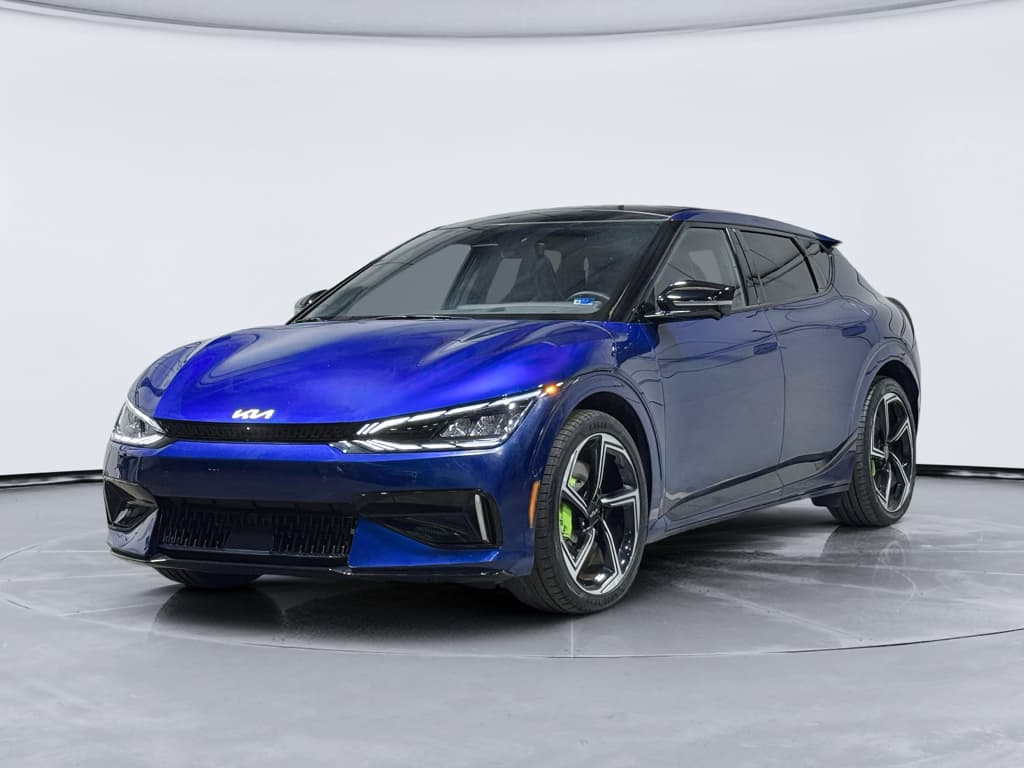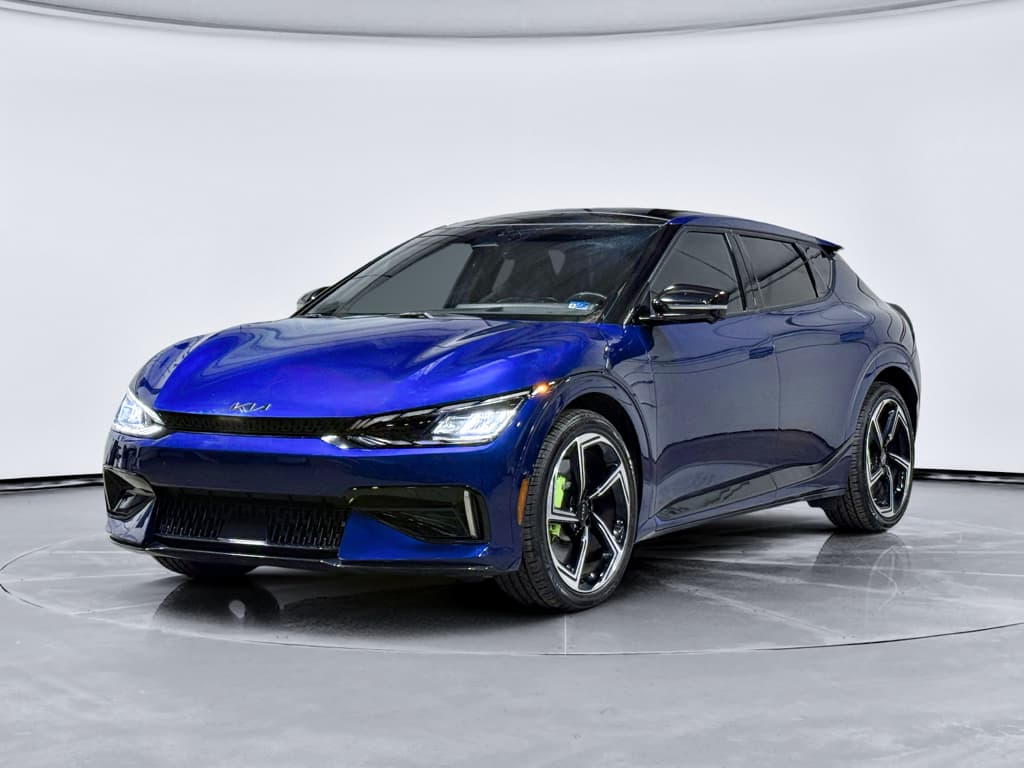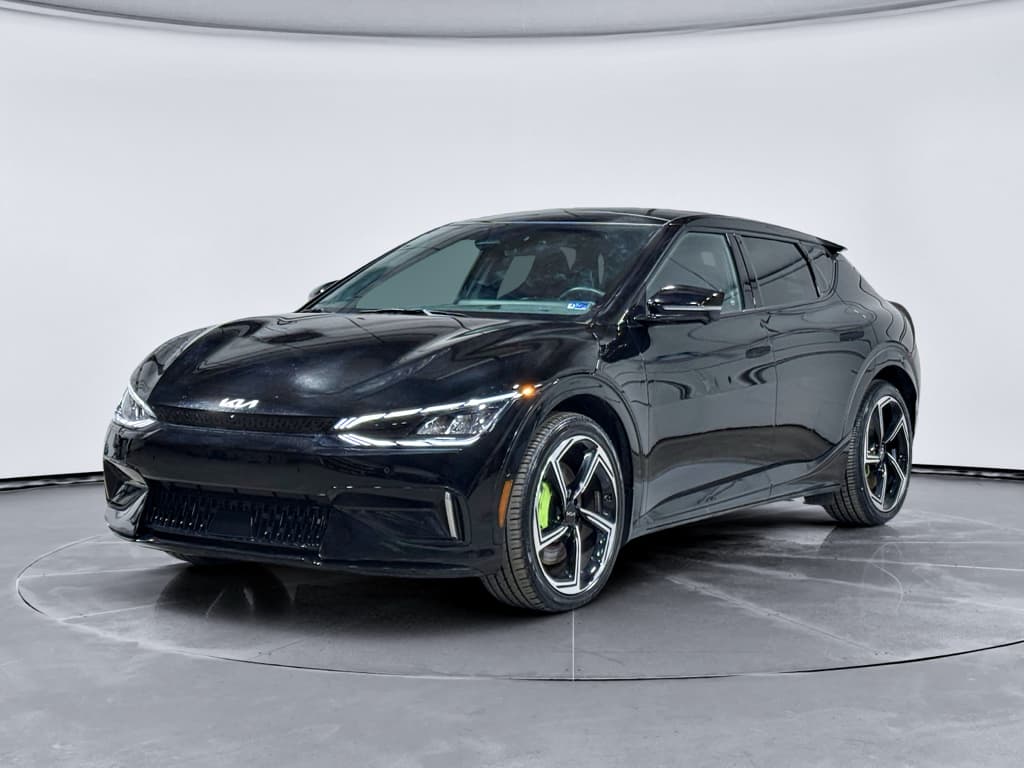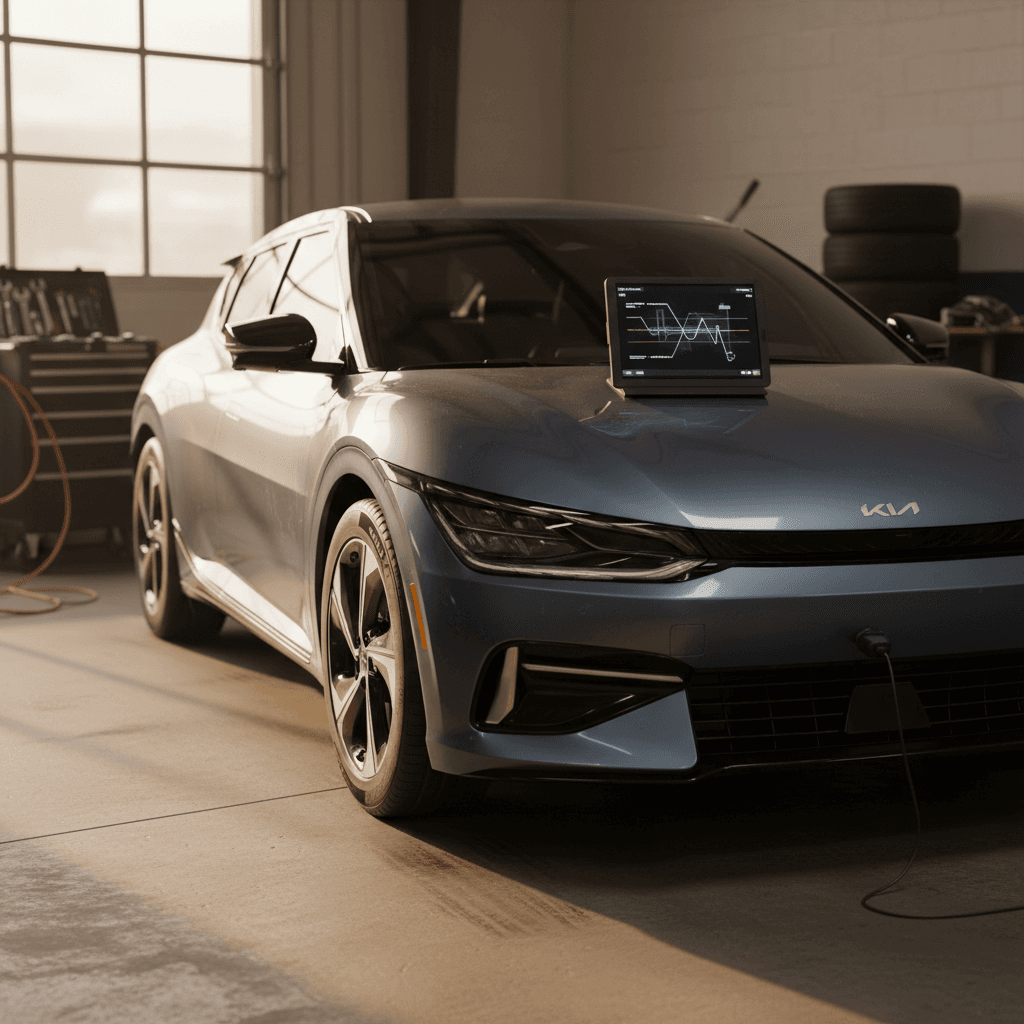
If you’re looking at a Kia EV6 in 2026, new or used, you’ve probably heard two very different stories. On paper, the EV6 scores solidly in most professional reliability surveys. In owner forums, you’ll see posts about cars losing power, 12‑volt batteries dying, and integrated charging control unit (ICCU) failures. This guide pulls those threads together so you understand the **2026 Kia EV6 reliability rating**, what actually goes wrong, and how to shop smart if you’re considering one.
Quick takeaway
Overview: What the 2026 Kia EV6 reliability rating really means
There isn’t a finalized, official **2026 Kia EV6 reliability rating** yet from outlets like Consumer Reports or J.D. Power, those scores typically appear after a full year of owner data. What we can see clearly, though, are the trends from 2022–2025 models, Kia’s recall campaign cadence, and early owner reports from late‑2025 builds. Put together, those pieces give a realistic picture of what you can expect if you buy a 2026 EV6 or a used 2022–2025 model this year.
Kia EV6 reliability snapshot (through early 2026)
Predicted, not final
How 2026 Kia EV6 reliability ratings are actually calculated
When you see a **reliability rating** for the Kia EV6, it usually comes from a mix of survey data, warranty claims, and repair records. Different outlets weigh those inputs differently, which is why scores don’t always match.
Who’s rating the Kia EV6, and how
Understanding the methodology helps you read the 2026 scores with a critical eye.
Consumer Reports (predicted reliability)
Builds a predicted score from **owner survey data** about past model years. For the EV6, that includes issues like ICCU failure, 12‑volt batteries, infotainment bugs, and charging glitches.
J.D. Power Quality & Reliability
Tracks **problems per 100 vehicles** over the first few years of ownership. Recent EV6s have scored in the mid‑to‑high range, indicating better‑than‑average reliability for an EV.
Owner review sites
Places like KBB, Edmunds, and forums skew toward **extremes**, very happy owners and very frustrated ones. They’re great for seeing *what* goes wrong, less useful for “how likely” it is.
For a 2026 EV6, those systems will look at how earlier cars have behaved and then adjust as real‑world 2026 data arrives. That’s why you’ll often see a **predicted reliability rating first**, followed a year or two later by a score based on actual 2026‑build owner reports.
What we already know from 2022–2025 Kia EV6 reliability data
Even though the body style and basic powertrain haven’t radically changed, the EV6 has gone through a **steep learning curve** since its 2022 launch. Your perception of “EV6 reliability” will depend a lot on which model year you’re talking about, and whether recall fixes have been done.
2022 model year: strong launch, hidden gremlins
- Praised for performance, efficiency, and build quality.
- Later revealed pattern of **ICCU failures** causing power loss or no‑start conditions.
- Early infotainment bugs and occasional audio‑system failures.
2023–2024: reliability scores soften
- Growing number of owner reports about the **12‑volt battery** discharging and ICCU failures.
- Consumer‑survey reliability scores trend to the **middle of the pack** for EVs.
- Multiple recall campaigns launched in 2023–2024 to address ICCU logic and other issues.
2025 EV6: incremental improvements
- Hardware and software tweaks aimed at improving charging control and 12‑volt behavior.
- Recall repairs on earlier cars reduce repeat ICCU failures for many owners.
- Owner forums show a mix of long‑mileage, trouble‑free cars and a minority of repeat‑issue vehicles.
What this implies for 2026
- The **base design is sound**, battery packs, motors, and drivetrains are holding up well.
- The real risk is in **control electronics and energy management**, not core hardware.
- If Kia has fully ironed out ICCU and 12‑volt management, 2026 reliability should drift **upward**.
How to read “mixed” reliability
Common Kia EV6 problems that still matter for 2026
Most EV6s don’t have chronic issues. But when problems do show up, the **pattern is familiar** across 2022–2025 model years. Understanding those trouble spots will help you decide how much risk you’re comfortable taking on with a 2026 EV6 or a used one.
Top EV6 reliability pain points
These are the issues that show up again and again in survey data and owner reports.
1. ICCU failure (loss of power)
The integrated charging control unit (ICCU) manages how the EV6 charges and feeds the 12‑volt system. On some 2022–2024 vehicles, it can overheat or fail, triggering warnings, limp mode, or complete loss of motive power. Kia issued recalls and software updates, but a small number of owners have reported repeat failures.
2. 12‑volt battery draining or dying
Separate from the big high‑voltage pack, the EV6’s 12‑volt battery can discharge unexpectedly if software, apps, or charging behavior keep the car awake. Symptoms include a dead car that won’t “boot,” even when the main battery is fine. Later builds and updated 12‑volt hardware appear to reduce this risk.
3. Charging handshake quirks
Some owners report DC fast‑charging sessions cutting off early or failing to start on specific public networks. Often this comes down to firmware mismatches or station issues, but from your perspective the result is the same, an interrupted road trip.
4. Infotainment & software bugs
Frozen screens, dropped CarPlay/Android Auto sessions, or buggy navigation data crop up in owner feedback. Most are cleared by software updates or a system reset rather than physical part replacements.
5. Noise & trim odds‑and‑ends
A minority of EV6s develop interior rattles, wind noise around mirrors, or misaligned trim. These are irritating but typically solvable under basic warranty, and less severe than power‑loss concerns.
6. Dealer repair experience
One of the most overlooked “reliability” factors is **how quickly a dealer can diagnose and fix issues**. Some EV6 owners report long waits for ICCU parts or limited EV training at local dealers, which turns a rare failure into a multi‑week ordeal.
Recall history: ICCU failures, 12V batteries, and what Kia has changed
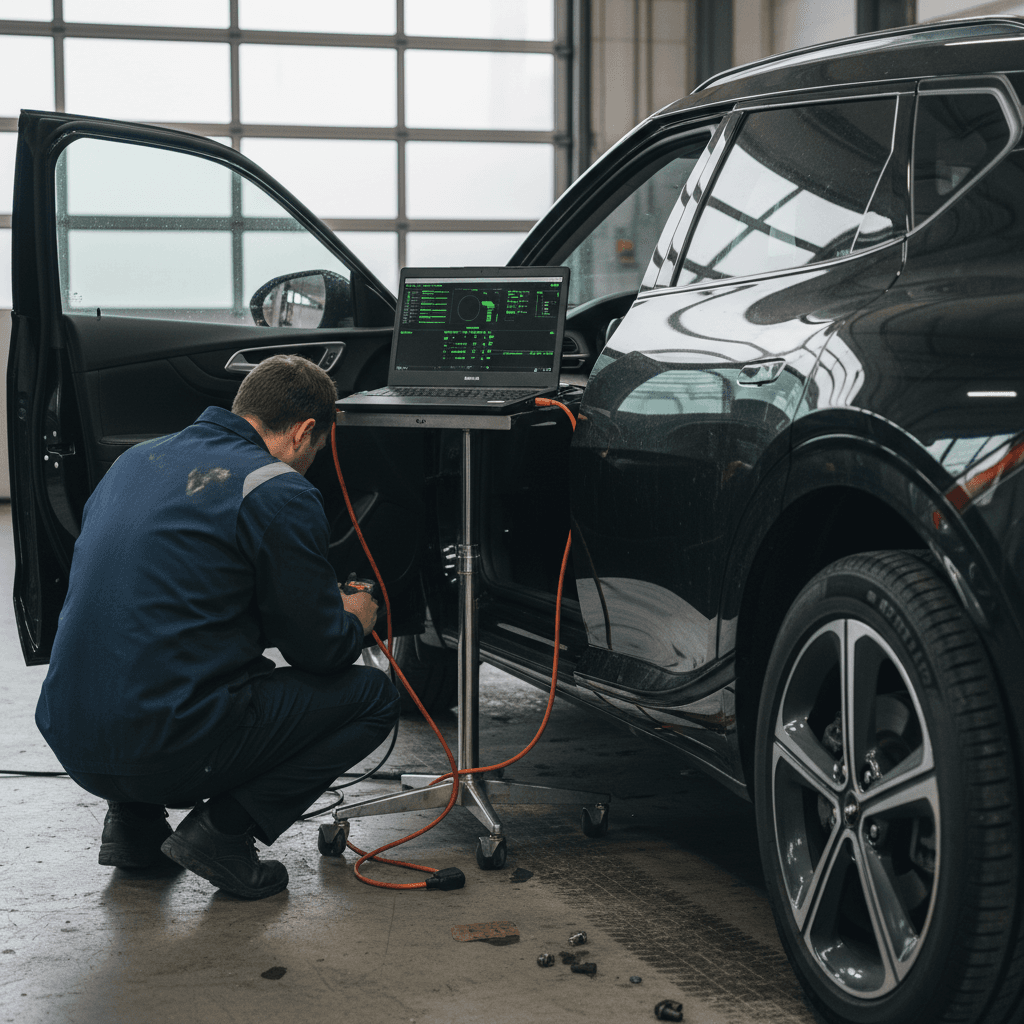
Reliability ratings for the 2026 EV6 won’t exist in a vacuum, they’ll be heavily shaped by how well Kia’s recall fixes work. The brand has issued several campaigns targeting ICCU behavior and related electrical issues on 2022–2024 builds, plus smaller campaigns for hardware like driveshafts.
Key EV6 recalls affecting reliability perception
Campaign names and numbers vary by region; exact details will be on the NHTSA or Kia owner portals. Here’s the broad picture for U.S. shoppers.
| Issue | Model years mainly affected | Risk if unrepaired | What the fix does |
|---|---|---|---|
| ICCU / loss of motive power | 2022–2023, some early 2024 | Car may lose power or refuse to start after ICCU damage. | Updates ICCU logic and, in some cases, replaces hardware and related fuses. |
| 12‑volt battery behavior (software‑related) | 2022–2024 | Unexpected 12‑volt discharge, car won’t “wake up.” | Software updates to reduce parasitic drain and improve charging management. |
| Improperly heat‑treated driveshafts | Primarily 2023 EV6 | Potential noise, vibration, or in rare cases driveline failure. | Inspect and replace affected driveshafts. |
| Various software campaigns | 2022–2025 | Glitchy infotainment, inaccurate range or charger info. | Updates head‑unit, navigation, and charger‑location data. |
Any 2022–2024 EV6 you consider in 2026 should be checked against this recall history.
Why recalls matter for reliability
For 2026 EV6 models, much of this recall work should already be baked into the hardware and software from day one. But if you’re buying used, reliability has as much to do with **maintenance history and recall completion** as it does with model‑year averages.
So how reliable is the 2026 Kia EV6 likely to be?
Putting the data together, the best way to think about the **2026 Kia EV6 reliability rating** is as an evolution of the 2024–2025 cars rather than a clean‑sheet reboot. That means strong fundamentals, a better‑understood set of issues, and a small but non‑zero chance of frustrating electrical problems.
- Core components, battery pack, motors, and drivetrain, have a **good track record** so far.
- Electrical control units (especially the ICCU) are the EV6’s **main reliability wildcard**, but Kia has iterated hardware and software multiple times now.
- Survey‑style scores (J.D. Power, Consumer Reports) place the EV6 **around or slightly above average** among EVs, not at the top but far from the worst.
- Owner experience varies widely: many report 20,000–60,000+ trouble‑free miles, while a small minority report repeated downtime and dealer visits.
Predicted reliability verdict
Used EV6 buying checklist: how to shop around reliability risk
Whether you buy a new 2026 EV6 or a used 2022–2025 model, your individual reliability outcome comes down to **the specific car** you choose. That’s especially true on the used side, where build date, software status, and how the previous owner charged the car all matter.
7 reliability checks for a smarter EV6 purchase
1. Pull a full history report
Use a service such as Carfax or AutoCheck to look for prior **ICCU replacements, 12‑volt battery complaints, or repeated electrical repairs**. Multiple visits for the same issue can be a red flag.
2. Verify every recall and service campaign
Check the VIN on the NHTSA and Kia owner sites to confirm **all EV6‑specific recalls**, especially ICCU campaigns, are marked as completed. Ask for service records as proof.
3. Check 12‑volt battery age and type
Ask when the 12‑volt battery was last replaced and whether it’s an **upgraded AGM unit**. A fresh, higher‑quality 12‑volt battery won’t guarantee perfection but can meaningfully reduce no‑start headaches.
4. Inspect for warning lights and stored codes
On a test drive, verify there are **no EV or charging system warnings**. A pre‑purchase inspection with a scan tool can catch stored fault codes even if the dash looks clean.
5. Test home and DC fast charging
If possible, plug into both a Level 2 charger and a DC fast charger before you sign. You’re looking for **stable charging speeds and no random disconnects**.
6. Evaluate the dealer’s EV capability
Ask how many EV6s they’ve serviced and whether they have **EV‑trained technicians**. The same issue can be solved in days at one store and drag on for weeks at another.
7. Get independent battery and health data
A third‑party report like the **Recharged Score** can give you objective battery health metrics, charging behavior history, and fair‑market pricing, key data points you don’t get from a test drive alone.
How Recharged can help
Kia EV6 reliability vs rivals like Ioniq 5 and Model Y
If you’re cross‑shopping a 2026 EV6 with other mainstream EVs, it helps to zoom out. No modern EV is perfectly trouble‑free, but their **failure patterns** are different.
How the EV6 stacks up on reliability themes
Broad patterns from owner feedback and survey data, not exact scores.
| Model | Typical reliability picture | Common pain points |
|---|---|---|
| Kia EV6 | Above‑average EV reliability with a few high‑impact electrical risks. | ICCU failures, 12‑volt battery issues, occasional charging handshake problems. |
| Hyundai Ioniq 5/6 | Very similar platform, generally similar or slightly better reliability perception. | Charging quirks, some electronics and trim issues; fewer ICCU horror stories reported so far. |
| Tesla Model Y | Drivetrain and charging are robust; overall reliability rated around average. | Build quality, wind noise, occasional sensor and infotainment gremlins; service experience varies widely. |
| Volkswagen ID.4 | Software‑heavy platform with mixed reliability reputation. | Early software instability, infotainment and charging bugs; later builds improved but reputation lags. |
Use this as a directional guide when deciding how much risk you’re comfortable with in each model.
The takeaway: the EV6 isn’t a standout reliability champion, but it’s **competitive within the segment**. If you’re especially risk‑averse, a late‑build Ioniq 6 or a well‑sorted Model Y with a strong service center nearby might feel safer. If you love the EV6’s design and driving feel, doing your homework on recalls, build date, and warranty coverage is usually enough to make it a reasonable bet.
Reliability, warranty, and long‑term cost of ownership
Reliability isn’t just about whether something breaks; it’s also about **who pays** when it does, and how painful the downtime is. On that front, the EV6’s warranty coverage is a genuine strength.
What cushions EV6 reliability risk
Kia’s warranty and EV‑specific cost structure.
Strong battery warranty
In the U.S., Kia backs the EV6’s high‑voltage battery for **10 years/100,000 miles**. That dramatically reduces the financial risk of a pack‑level defect for first and second owners.
Lower routine maintenance
No oil changes, fewer moving parts, and simple brake systems (thanks to regen) mean **lower scheduled‑service costs** versus a gas crossover. Most visits are software checks, tire rotations, and fluid inspections.
Out‑of‑warranty wildcards
ICCU replacements and complex electronics can be **expensive** out of warranty. This is where certified used coverage, extended warranties, or buying from a retailer that stands behind the car can really pay off.
Watch the warranty calendar
At Recharged, part of the value proposition is taking that guesswork out. The Recharged Score flags abnormal battery behavior, mismatched software versions, and incomplete recalls, issues that don’t always show up on a standard inspection sheet but can make or break your ownership experience.
FAQs: 2026 Kia EV6 reliability rating
Frequently asked questions about 2026 Kia EV6 reliability
Bottom line: should 2026 EV6 reliability scare you off?
If you’re hoping the **2026 Kia EV6 reliability rating** will magically jump into “bulletproof” territory, that’s not realistic. The EV6 is shaping up as a **solid but imperfect** EV: excellent to drive, efficient, and generally well built, with a small but real risk of electrical headaches that can sour the experience if you’re unlucky or poorly supported by your local dealer.
For many shoppers, that trade‑off is acceptable, especially with Kia’s long battery warranty and the leverage you gain from doing your homework on recalls, software, and service history. Whether you’re eyeing a new 2026 EV6 or a used 2022–2025 example, the smartest move is to treat reliability as **something you can actively manage**, not just a number on a rating chart.
If you want help turning that into a concrete plan, Recharged can walk you through specific EV6 listings, battery health data, and pricing, so you know exactly what you’re getting into before you sign anything.