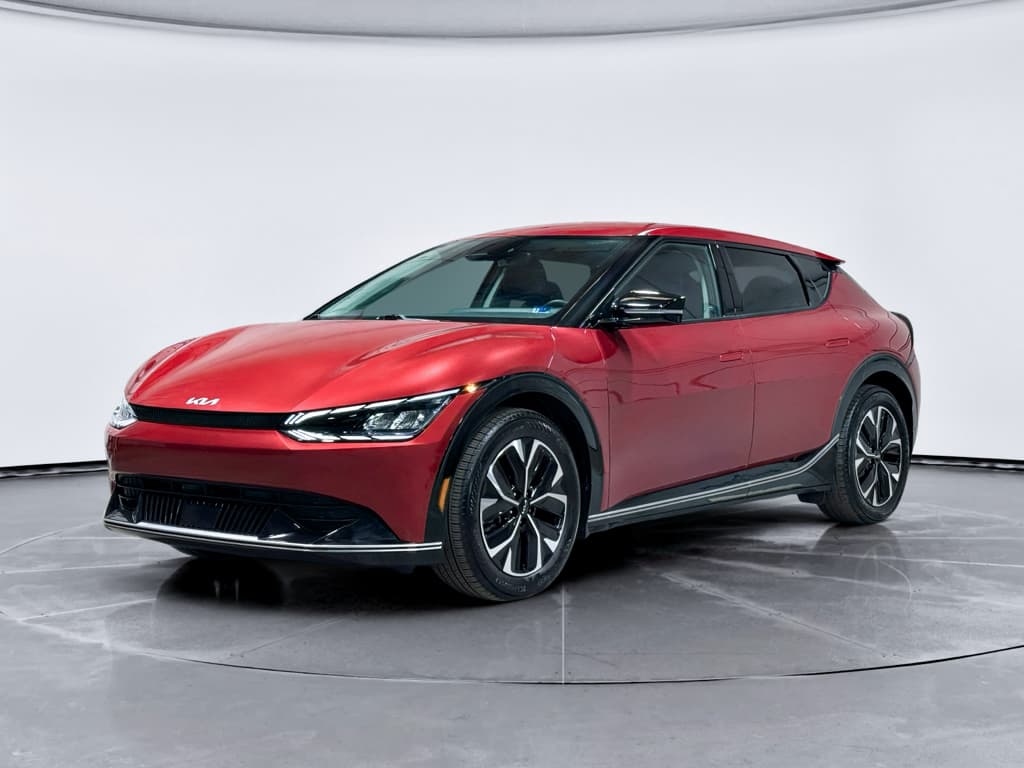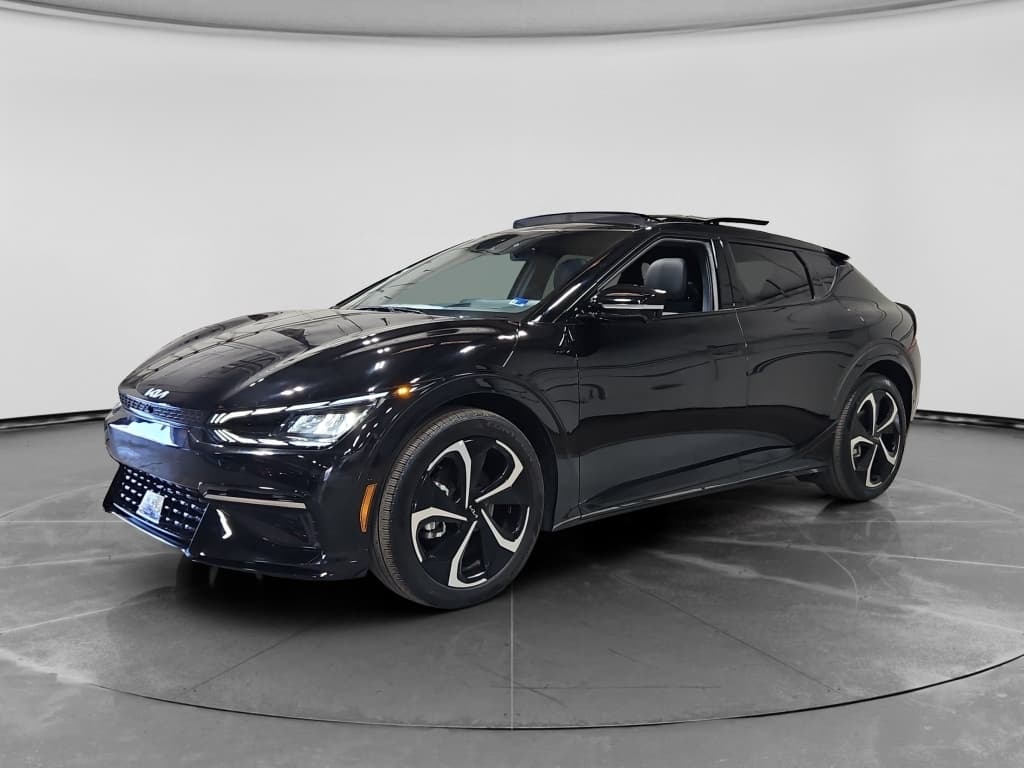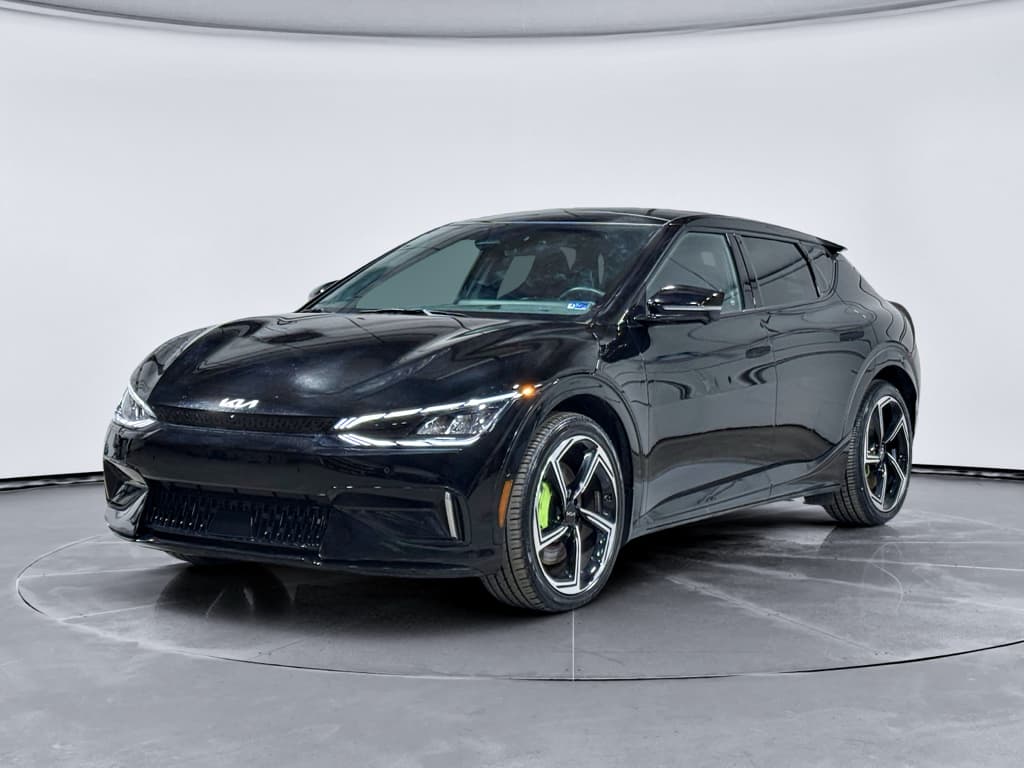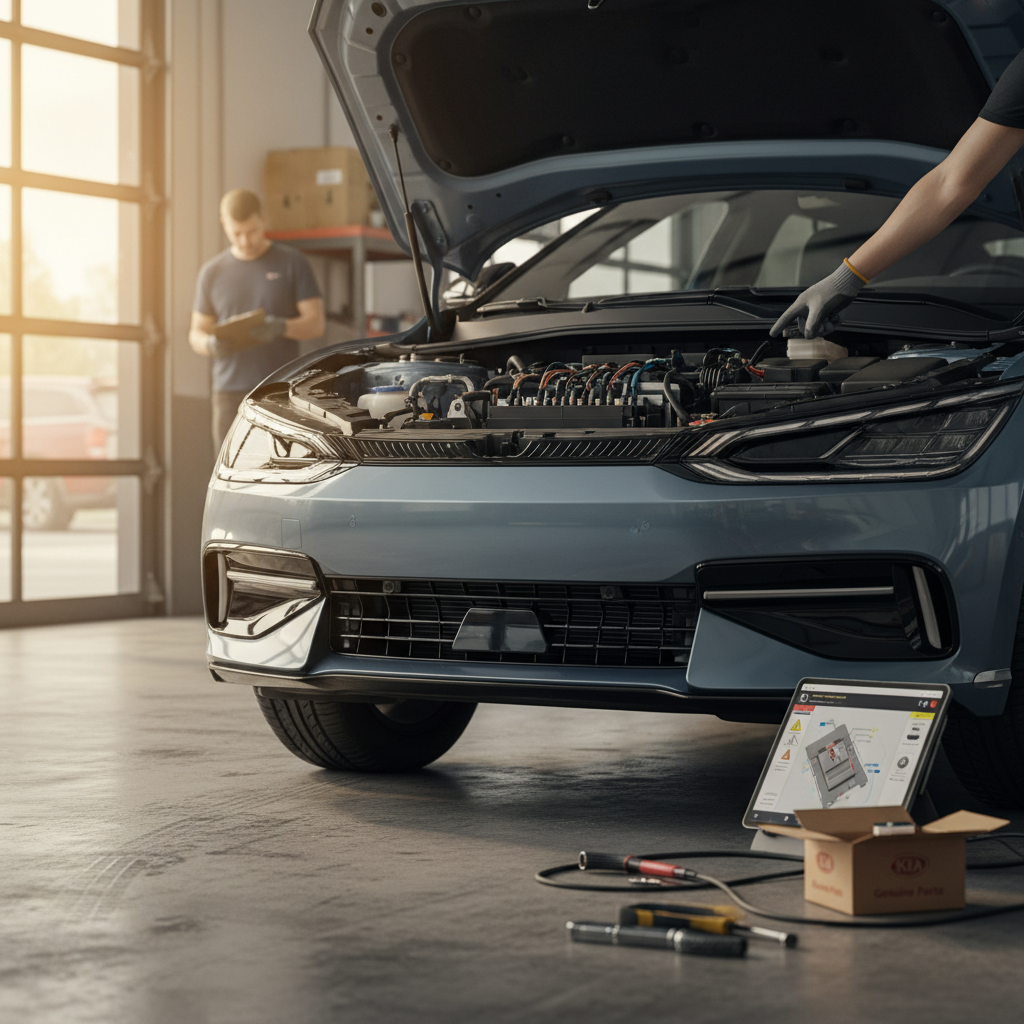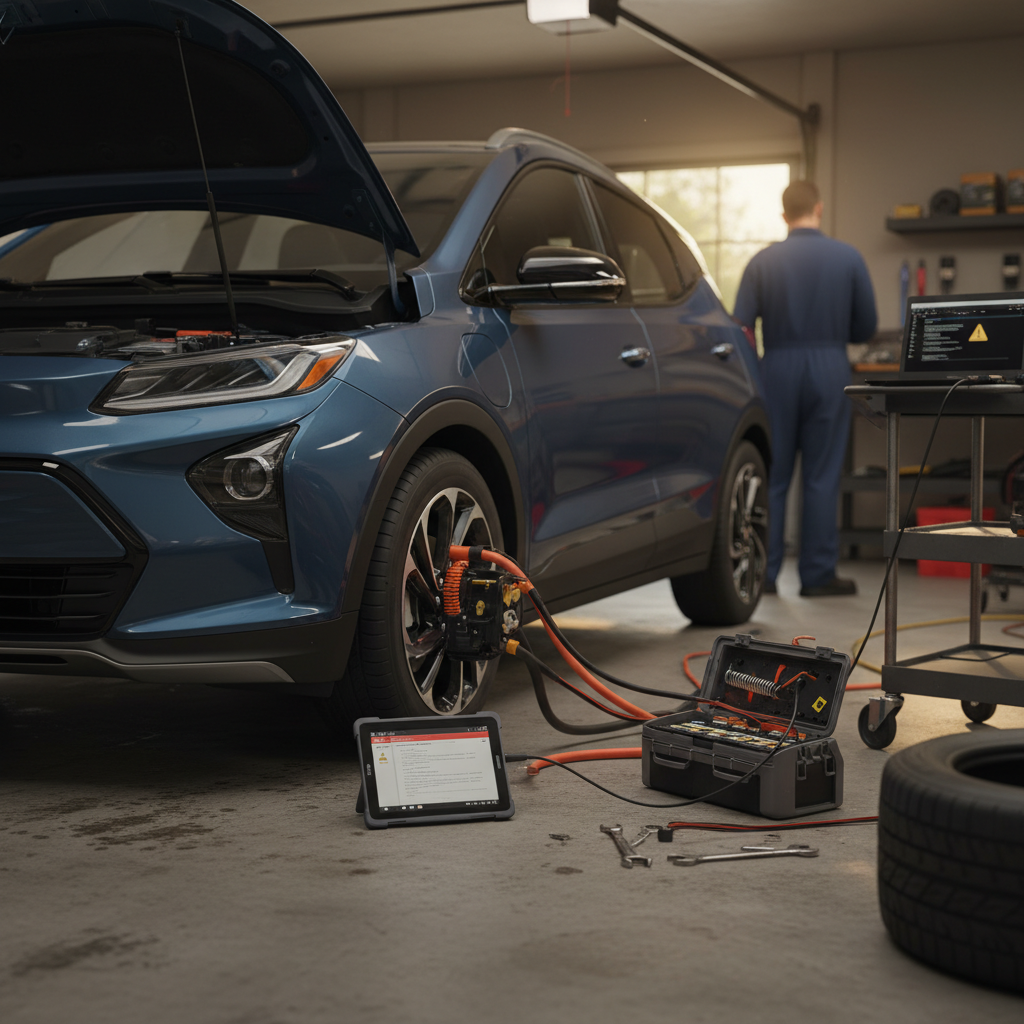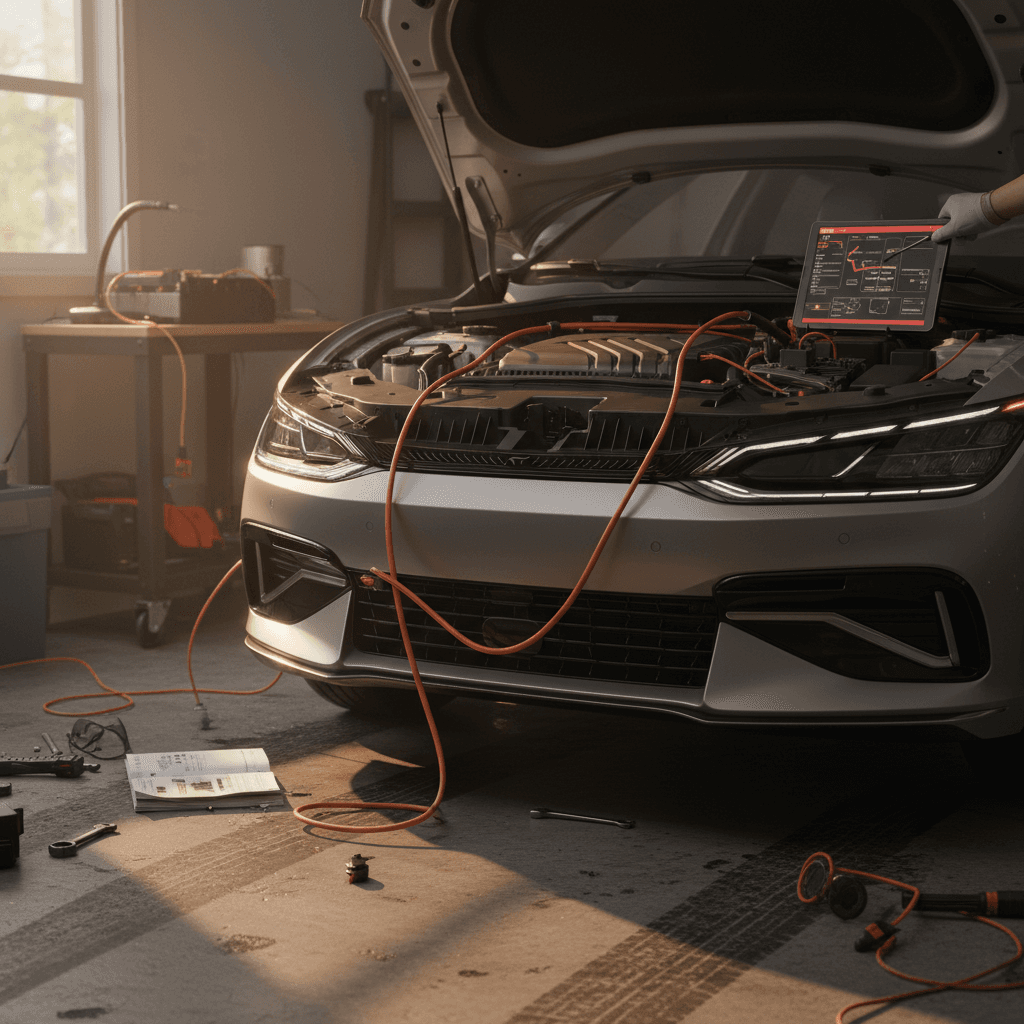
If you’re driving, or thinking about buying, a 2026 Kia EV6, you’ve probably heard chatter about ICCU failures, 12‑volt battery problems, and recalls on earlier model years. The EV6 is quick, efficient, and fun, but like any first‑wave dedicated EV, it has patterns of issues you should understand. This 2026 Kia EV6 problems and fixes guide breaks down what’s actually going wrong, how Kia is addressing it, and what you can do to protect yourself, especially if you’re shopping used.
Quick take on 2026 EV6 reliability
2026 Kia EV6 problem overview
Kia EV6 problem snapshot (through 2026)
The 2026 EV6 builds on the same E‑GMP platform used since the 2022 launch. That’s good news from a driving‑dynamics standpoint, but it also means many of the same problem patterns, especially around the integrated charging control unit (ICCU), 12‑volt battery behavior, and software, are still relevant. By 2026, Kia has issued recalls and software updates for earlier model years, but you’ll still see: - Intermittent or complete loss of power tied to ICCU/12‑volt problems - DC fast‑charging sessions that cut out, slow dramatically, or won’t start - Infotainment freezes, navigation bugs, and Kia Connect app glitches - Less serious issues like brake noise, suspension clunks, and wind/tire noise The key is separating annoying but livable quirks from the rare but serious faults that can strand you, and making sure recall work and software updates are complete on any 2026 or earlier EV6 you’re considering.
Major recalls and warranty coverage
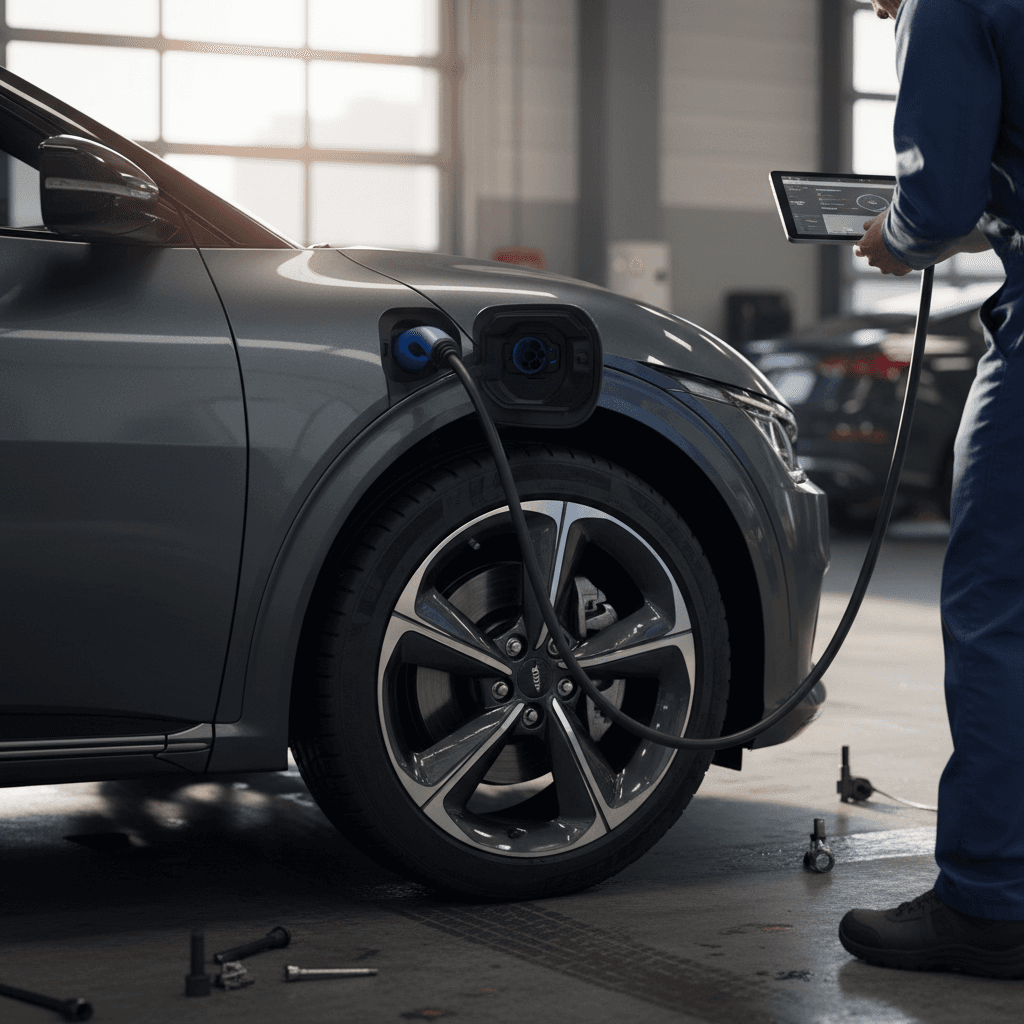
Before you worry about individual symptoms, you should understand the big‑picture campaigns Kia has launched. Earlier EV6 model years (2022–2024, and some 2025 builds) were covered by recalls or service actions for charging‑control electronics that could damage the 12‑volt system and cause loss of power. In late 2024, Hyundai and Kia jointly recalled more than 200,000 EVs, about 63,000 of them EV6s, to address this issue with inspections, component replacement, and software updates. The 2026 EV6 benefits from those lessons, but any carryover modules or incomplete updates can still bite you.
Key EV6 problem areas tied to campaigns and coverage
Exact recall IDs and coverage vary by VIN. Always run a recall check on the NHTSA site and with a Kia dealer before purchase.
| Problem area | Typical symptom | Kia response | What you should do |
|---|---|---|---|
| ICCU / charging control | Car won’t start or suddenly loses power; multiple warning lights; 12‑volt repeatedly dead | Software updates, ICCU inspection, replacement of control unit and related fuses | Confirm all ICCU‑related recalls and service campaigns are completed; insist on documentation. |
| 12‑volt battery behavior | Repeated dead 12‑volt, especially after failed charge sessions or long parking | Updated logic to protect the 12‑volt; replacement battery when necessary | Ask how many 12‑volt batteries the car has had and when the last one was installed. |
| Parking brake / electrical | Warning lights, unexpected parking‑brake behavior on early builds | Hardware inspection and, if needed, replacement under recall | Verify recall status on VIN and test the parking brake several times on a test drive. |
| Navigation / OTA software | Charging‑station data missing, routing oddities after OTA updates | Navigation and head‑unit software patches | Check for the latest software update in the car and ask dealer to reflash if bugs persist. |
Use this as a conversation starter with your service advisor or seller when you’re evaluating a 2026 or earlier EV6.
Don’t assume “newer” means recall‑free
ICCU and 12‑volt battery failures
The most serious Kia EV6 problem, and the one that fuels most horror‑story threads, is the ICCU/12‑volt failure. The ICCU manages high‑voltage charging and converts power to support the car’s low‑voltage systems. When it misbehaves or overheats, it can under‑ or over‑charge the 12‑volt battery. That leads to a cascade of symptoms that can leave a brand‑new EV6 stuck in the driveway or dead on a charger.
- Instrument cluster suddenly lights up like a Christmas tree with multiple warnings
- Loss of drive power or car won’t shift into gear
- 12‑volt battery repeatedly dead after sitting a short time
- Charging session starts, then stops and the next morning the car is unresponsive
- Dealer ultimately diagnoses and replaces the ICCU or related charging‑control hardware
Why this matters
Early‑warning checklist for ICCU/12‑volt issues
1. Pay attention to new warning lights
If you see EV system warnings, 12‑volt or charging‑system alerts, or repeated “Check EV system” messages, especially right after a charge, treat that as a red flag.
2. Track how often the 12‑volt dies
A one‑time dead 12‑volt in extreme cold isn’t unusual. Repeated no‑start situations, especially on a young battery, suggest deeper ICCU or charging logic problems.
3. Note charging behavior changes
Fast‑charge sessions that suddenly taper, stop, or refuse to initiate, on stations that used to work, can be an early hint of ICCU stress or overheating.
4. Don’t keep jump‑starting
If you’re jump‑starting your EV6 more than once, stop. Each cycle risks further damage. Document symptoms and mileage, then involve a Kia dealer immediately.
5. Ask specifically about ICCU history
When buying used, ask the seller or dealer if the car has ever had an ICCU or 12‑volt‑system repair, and request service records to confirm.
The good news is that Kia has acknowledged and addressed the root causes in multiple waves, first with software updates designed to protect the ICCU and 12‑volt, and then with hardware inspections and replacements when damage is found. On a 2026 EV6 still under warranty, you shouldn’t be paying out of pocket for a properly diagnosed ICCU failure. The key is clear documentation of symptoms and a dealer willing to work through Kia’s diagnostic tree instead of just swapping another 12‑volt battery.
Charging and DC fast‑charge issues
The EV6 is one of the quickest‑charging EVs in its price class on paper, but real‑world owners have reported inconsistent charging behavior, especially on DC fast chargers in extreme temperatures. Many of these quirks show up across multiple E‑GMP models (Hyundai Ioniq 5/6, Genesis GV60) because they share hardware and software.
Common 2026 EV6 charging complaints and likely fixes
Most charging problems are solvable with good habits, updated software, or a targeted repair.
Won’t start DC fast charge
The charger and car handshake but the session never begins, or it aborts within seconds.
- Try a different stall or network; some issues are station‑side.
- Update your EV6’s software; early builds had protocol bugs.
- If it fails across multiple networks, have the dealer log the failure; this can tie back into ICCU or charge‑port hardware.
Rapid tapering on fast charge
Charge power drops sharply well before 60–70% state of charge, even on a warm battery.
- In hot weather, the port or battery may be protecting itself.
- Make sure battery preconditioning is enabled when routing to a DC fast charger.
- Ask the dealer to check for charge‑port temperature sensor faults and software updates.
Home Level 2 interruptions
At home, charging stops overnight or drops from 40A to the mid‑20A range.
- Rule out a bad EVSE or weak household circuit first.
- Ensure your wall unit is properly wired and sized.
- If other EVs charge fine on the same station, have the EV6’s onboard charger and charge port inspected.
Pro tip: Use preconditioning and smart routing
By 2026, Kia has released multiple over‑the‑air and dealer‑installed updates to improve charging reliability, battery conditioning, and compatibility with third‑party networks. If your EV6 still behaves oddly while other EVs charge fine on the same hardware, it’s time to involve a dealer and mention any known service bulletins related to charging control, ICCU temperature protection, and navigation‑linked preconditioning.
Software, infotainment, and app glitches
Software is both a strength and a frustration on the EV6. You get modern features, over‑the‑air updates, advanced driver assistance, connected‑app control, but owners have reported infotainment freezes, map/charger‑data bugs, audio quirks, and Kia Connect outages. On 2025 updates, some drivers even saw charge‑station availability data disappear from the head unit until a later patch corrected it.
Typical software symptoms
- Frozen or black infotainment screen requiring a restart
- Navigation that shows chargers but no availability or pricing data
- Audio balance randomly shifting or speakers cutting out
- Kia Connect app stuck, failing to send climate or charging commands
- Driver‑assist warnings that disappear after a key cycle
Simple fixes to try first
- Perform a soft reset of the head unit using the volume/power knob.
- Delete and re‑add your phone, then update Android Auto/Apple CarPlay.
- Log out and back into the Kia Connect app; reinstall if needed.
- Check for pending software or map updates in the Settings menu.
- If a bug appears right after an OTA update, document it with photos and dates and share with your dealer.
When updates actually help
Brakes, suspension, and noise complaints
Away from the headline‑grabbing electrical topics, the 2026 EV6 behaves like most sporty EV crossovers: generally solid, but with a few recurring minor complaints that show up in owner reviews.
- Light brake squeal at low speeds, especially in cold or damp weather as the system transitions between regenerative and friction braking
- Suspension clunks or knocks over sharp bumps, often traced to bushings, sway‑bar links, or loose cargo rather than major hardware faults
- Pronounced tire roar over coarse pavement with the OEM rubber, even though wind noise is usually well‑controlled
- Interior rattles from the cargo area or seatbacks that are bothersome but rarely serious
Noise isn’t always a defect
Most brake‑ and suspension‑related concerns can be resolved with basic maintenance: cleaning and lubricating brake components, torquing suspension fasteners, replacing a worn bushing, or swapping to higher‑quality tires. These items aren’t unique to the EV6, but they’re worth checking on any 2026 or earlier example with higher mileage or a lot of urban stop‑and‑go use.
Preventive maintenance and owner checklist
One of the best ways to avoid becoming the next frustrated forum post is to stay slightly ahead of the car. The EV6 doesn’t demand oil changes, but it still rewards thoughtful maintenance and attentive habits.
Simple habits that reduce your odds of big problems
1. Keep software up to date, on your schedule
Check monthly for updates rather than blindly accepting them the night before a road trip. Install when you have time to test drive afterward in case new bugs appear.
2. Exercise and monitor the 12‑volt
If you don’t drive often, take the car on a longer drive every week or two, and watch for slow cranking of auxiliary systems or repeated low‑voltage warnings.
3. Use quality charging equipment
A properly wired 240V circuit and reputable Level 2 EVSE reduce nuisance faults. If multiple EVs struggle on the same home setup, fix the house before blaming the car.
4. Log charging issues by station
When a session fails, note the station brand, location, weather, and state of charge. Patterns help you and your dealer separate car‑side bugs from flaky chargers.
5. Inspect tires and brakes twice a year
Uneven tire wear or noisy brakes are early indicators of misalignment or binding hardware. Catching them early is cheaper than replacing a full set of tires or rotors.
6. Save every service record
If an ICCU or high‑voltage component is ever touched, keep that paperwork. It’s invaluable when selling or if you ever need to pursue goodwill assistance outside warranty.
Buying a used 2026 or earlier EV6 in 2026
If you’re shopping used, the 2026 and earlier EV6 can be a smart buy, strong performance, modern tech, and significant depreciation compared with new. But the same problem patterns that worry current owners should shape how you shop.
Questions to ask the seller
- Has the car ever had an ICCU, onboard charger, or charge‑port repair?
- How many times has the 12‑volt battery been replaced, and when?
- Are all recalls and service campaigns completed? Can I see the paperwork?
- Any history of "won't start" or complete loss of power incidents?
- Which charging networks has the owner used regularly without issues?
Road‑test red flags
- Warning lights on startup, even if they disappear after a few seconds.
- Harsh clunks over bumps or obvious steering pull under braking.
- Infotainment that freezes, reboots, or noticeably lags during a short drive.
- Charging behavior that doesn’t match the seller’s description when you test a nearby Level 2 or fast charger.
- Evidence of amateur electrical work on the charge port or 12‑volt wiring.
How Recharged can help
In 2026, you should also think about charging standards. Some newer EV6 builds integrate the NACS port used by Tesla Superchargers, while older cars rely on a CCS‑to‑NACS adapter. When you buy used, confirm what hardware and adapters are included so you’re not surprised on your first road trip.
When to see a dealer vs. what you can DIY
2026 EV6 problems: DIY vs. dealer
Save time by knowing which issues you can reasonably tackle yourself.
Reasonable DIY or owner fixes
- Infotainment resets and map/app updates
- Pairing phones and troubleshooting Bluetooth issues
- Replacing the 12‑volt battery once out of warranty, if no deeper ICCU fault is present
- Swapping to quieter or more durable tires
- Basic brake cleaning (for experienced DIYers with proper safety gear)
If you’re unsure, start with a professional inspection, guessing is expensive on a modern EV.
Always a dealer or EV specialist job
- Suspected ICCU, onboard‑charger, or high‑voltage battery issues
- Repeated “Check EV system” or other drivetrain warnings
- High‑voltage wiring, charge‑port replacement, or coolant work
- Software reflashes beyond normal over‑the‑air updates
- ABS, airbag, or electronic‑brake problems
High‑voltage systems demand proper training and insulated tools. This isn’t the place to learn as you go.
Respect the orange cables
FAQ: 2026 Kia EV6 problems and fixes
Frequently asked questions about 2026 Kia EV6 problems
Bottom line: Should 2026 EV6 problems scare you?
The 2026 Kia EV6 is not a problem child, but it isn’t a bulletproof Lexus either. Its main vulnerabilities, ICCU/12‑volt failures, charging quirks, and software rough edges, are specific, well‑documented issues that you can largely manage with updated software, attentive ownership, and smart shopping. If you understand these problem patterns going in, confirm recall and service history, and lean on warranty coverage when something feels off, the EV6 can deliver years of fast, comfortable, low‑emission driving.
If you’re considering a used 2026 or earlier EV6, buying through Recharged adds a layer of protection: every vehicle gets a Recharged Score Report with verified battery health, charging‑system diagnostics, and fair‑market pricing, plus EV‑specialist support from your first search through delivery. That way, you’re not just hoping you dodged the handful of cars with deeper electrical gremlins, you know, before you buy.