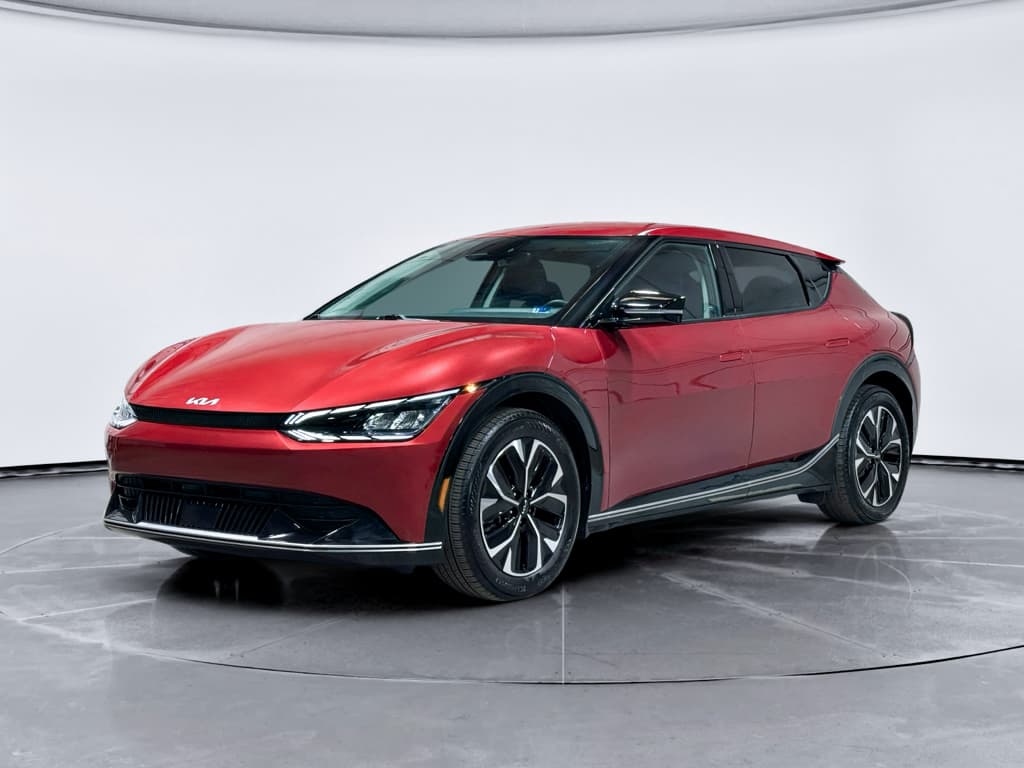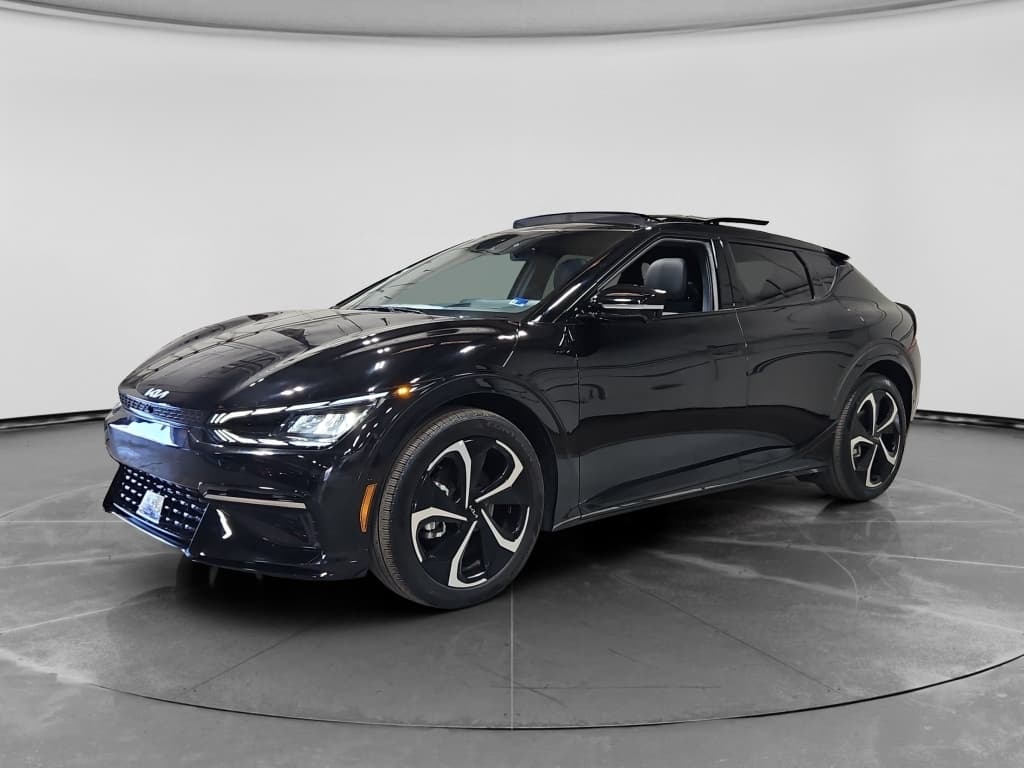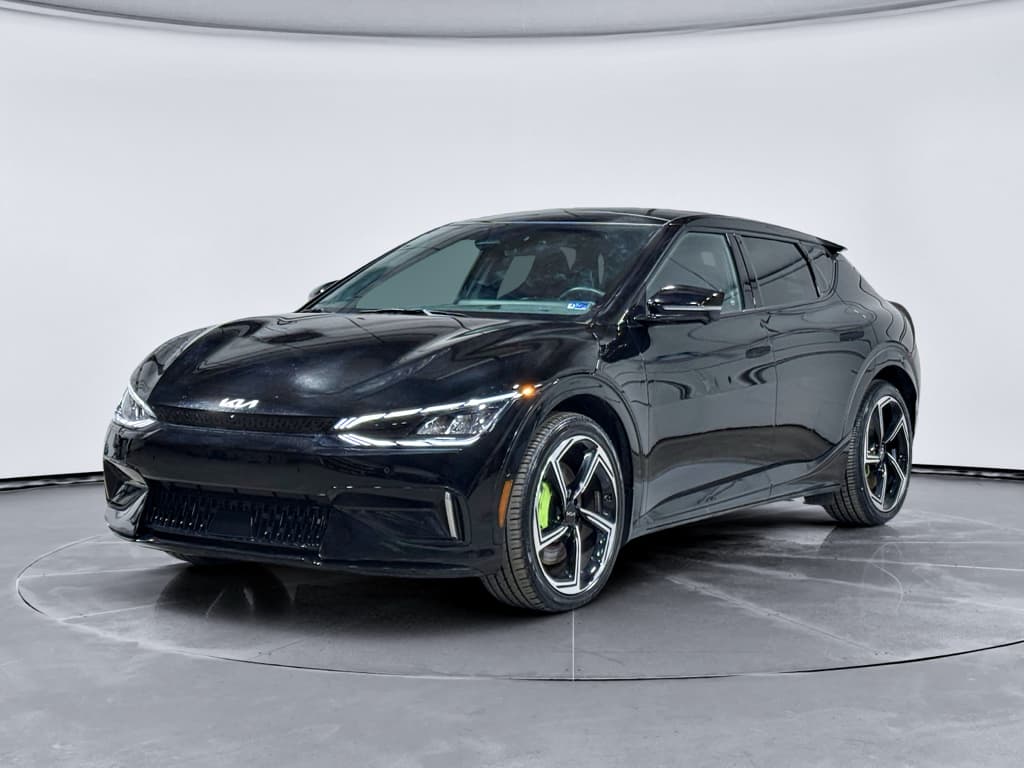
If you drive, or are considering buying, a 2024 Kia EV6, you’ve probably heard about recalls tied to sudden loss of power and charging issues. This guide pulls together the most important information into a single, plain‑English 2024 Kia EV6 recalls list so you can quickly see what’s out there, what’s serious, and what to do next.
Quick take
Overview: 2024 Kia EV6 recalls at a glance
2024 Kia EV6 safety snapshot
- Recall counts vary by VIN. You might see “two recalls” associated with the 2024 EV6 generally, but your specific car could have more or fewer depending on build date and trim.
- Some big recalls span multiple model years. When you see a campaign described as covering 2022–2024 EV6s, that still means your 2024 could be included if it was built within the affected production window.
Major 2024 Kia EV6 recall campaigns
The 2024 EV6 is caught up in some of the same issues that have affected earlier EV6 model years. The two big ones most owners hear about are the ICCU loss‑of‑power recall and the rear drive shaft recall.
ICCU loss-of-power recall (24V867000)
The Integrated Charging Control Unit (ICCU) is the brain that converts high‑voltage battery energy into 12‑volt power for accessories and systems. When it fails, owners report classic symptoms: warning lights, “Check EV System” messages, and ultimately a car that won’t go into Ready mode, even though the main traction battery still shows plenty of charge.
- Applies to: many 2022–2024 EV6 vehicles built roughly from November 17, 2021 through early 2024 (exact dates depend on the VIN and campaign bulletin).
- NHTSA campaign number: often referenced as 24V867000 in owner discussions, covering ICCU‑related failure and loss of drive power.
- Primary defect: ICCU damage can cause the 12‑volt system to discharge, triggering reduced power mode and potentially complete loss of motive power while driving.
- Risk: if the ICCU fails suddenly at highway speeds or in traffic, you could lose acceleration and be forced to coast to a stop, increasing crash risk.
Why this one matters most
Kia’s fix generally involves reprogramming control software and, where diagnostics indicate damage, replacing the ICCU and sometimes the 12‑volt battery. Because this recall touches multiple model years, parts supply and service capacity have been real‑world pain points for some owners, with vehicles occasionally sitting at dealers for weeks while components arrive.
Rear drive shaft loss-of-drive recall (24V057000)
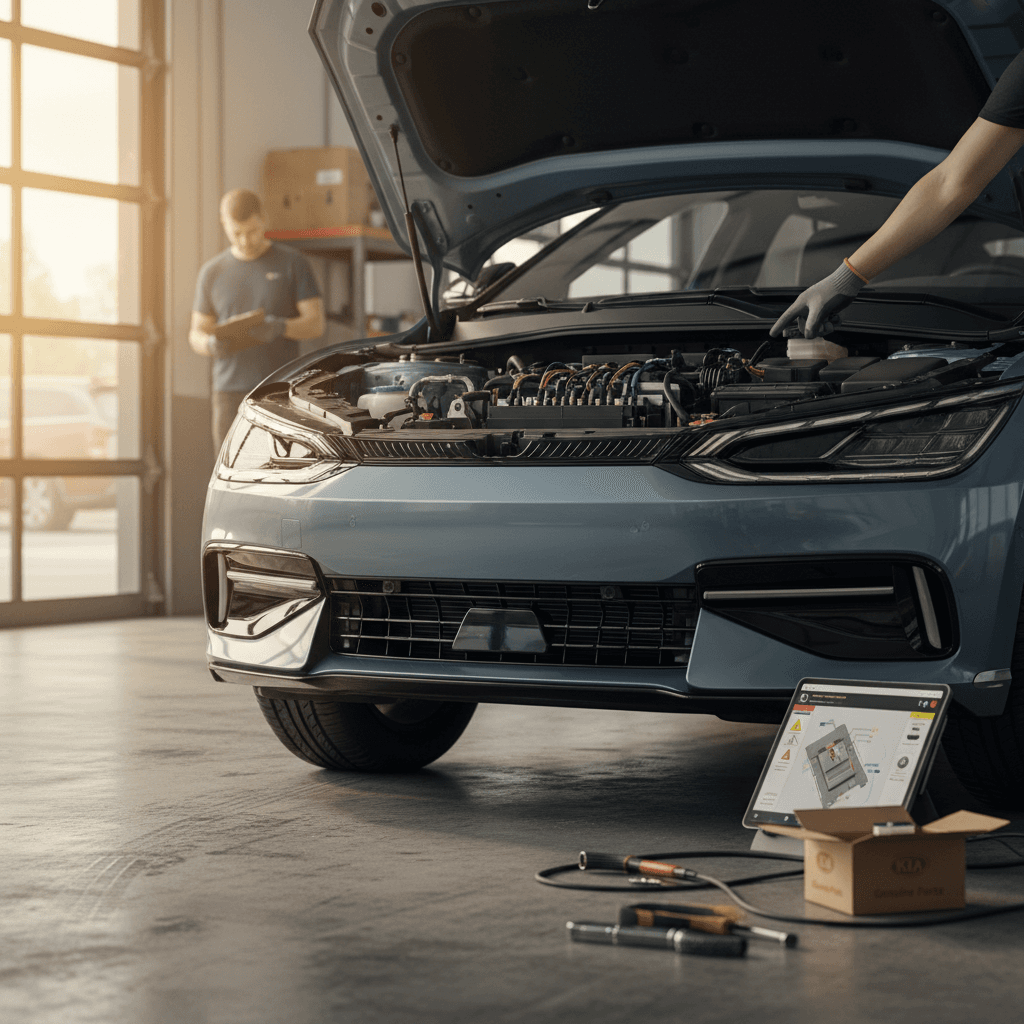
The second big recall associated with the 2024 EV6 involves the rear inner drive shaft on certain vehicles. Kia reported that some shafts were improperly heat‑treated during manufacturing, which can cause them to crack or break under load.
- Applies primarily to: 2023 EV6 and a limited number of other e‑GMP vehicles; some early‑build 2024 EV6 units may be in the affected production range.
- NHTSA campaign number: commonly listed as 24V057000 for the EV6 portion of the campaign.
- Primary defect: an improperly heat‑treated rear drive shaft can break, leading to a loss of drive power (the car may no longer move even though systems are powered).
- Risk: sudden loss of propulsion, particularly dangerous when merging, overtaking, or crossing intersections.
How Kia fixes the drive shaft issue
Not every 2024 EV6 will fall within the production dates for this drive‑shaft recall. That’s why checking your individual VIN, rather than relying on model‑year headlines, is so important.
Earlier EV6 recalls that may still affect some 2024s
When you look up a 2024 EV6 by VIN, you may see references to earlier EV6 campaigns that were broadened or updated over time. A few examples owners commonly run into:
- Shift‑by‑wire / rollaway concerns (2022 EV6). Early on, Kia recalled 2022 EV6s due to a shift‑by‑wire issue that could, under rare voltage conditions, fail to apply the parking pawl and allow rollaway. This campaign is primarily a 2022 story, but if you see software updates for the shifter or parking system on a 2024 EV6 service history, they’re often linked to learnings from that early recall.
- Charging interruptions / Level 2 charging behavior. Kia has issued voluntary service campaigns (not always full safety recalls) for EV6s built from late 2021 through late 2023 to address interrupted Level 2 charging sessions or error messages while charging at home or public AC stations. Late‑2023 and 2024 builds often receive these updates as part of pre‑delivery or routine service.
- Software updates tied to high‑voltage system management. Even when NHTSA doesn’t classify a problem as a safety defect, Kia sometimes pushes “product improvement” campaigns to tweak how the EV6 manages its battery, inverter, or charging hardware. These can improve reliability and may show up right alongside true recalls when you check your VIN.
Look beyond the label
Service campaigns vs. safety recalls: why it matters
Safety recalls
- Legally reportable to NHTSA.
- Always tied to a safety defect (crash or fire risk, loss of control, rollaway, etc.).
- Free for the life of the vehicle, regardless of ownership changes.
- Will show up in federal databases and usually in vehicle history reports.
Service campaigns / product improvements
- Manufacturer‑initiated quality or durability fixes.
- May address nuisance issues like false warnings or charging interruptions.
- Often time‑limited or mileage‑limited.
- Don’t always appear in third‑party recall summaries, so you need to check with Kia directly.
This distinction matters if you’re buying a used 2024 EV6. A car can be “recall‑complete” in federal systems but still be missing important software campaigns that improve how the ICCU, charging, or battery management behave.
How to check if your 2024 EV6 has open recalls
Because recall coverage depends on build date, trim, and sometimes even specific components, the only reliable way to know what applies to your 2024 EV6 is to check your Vehicle Identification Number (VIN).
Step-by-step: checking recalls on a 2024 Kia EV6
1. Locate your VIN
Find your 17‑digit VIN on the driver’s side dashboard (visible through the windshield), on the door jamb label, your registration, or insurance documents.
2. Use the official NHTSA lookup
Go to the NHTSA recall lookup site and enter your VIN. This will show all open federal <strong>safety recalls</strong> for your specific vehicle, not just generic model‑year campaigns.
3. Check Kia’s own recall portal
Visit Kia’s U.S. owner site, enter your VIN, and review both <strong>recalls and service campaigns</strong>. Kia’s portal often lists software updates and product improvements that NHTSA doesn’t track as recalls.
4. Call or email a Kia dealer
Ask the service department to run your VIN and print the list of <strong>open and completed</strong> campaigns. This is especially useful if you’re evaluating a used EV6 at an independent dealer or private sale.
5. Verify completion dates
Look for repair order printouts or digital service records showing which campaigns have been completed and when. For the ICCU recall, you want clear documentation that the software update and any required parts replacements were done.
6. Re‑check before buying
If you’re shopping for a used 2024 EV6, rerun the VIN just before you sign paperwork. Sellers sometimes schedule recall work, but it hasn’t actually been completed yet.
Don’t assume “no warning lights” means “no recalls”
What these recalls mean if you own a 2024 EV6
None of these campaigns automatically make a 2024 EV6 a bad car, but they do change the ownership calculus. The ICCU and drive‑shaft recalls are about avoiding rare but high‑impact failures, and your experience will depend heavily on whether the fixes were done promptly and correctly.
Living with a recalled 2024 EV6
How the big campaigns translate into day‑to‑day ownership
Short-term disruption
If your ICCU fails before recall work is done, you could face a tow and downtime while parts arrive. Even proactive recall visits may require leaving the car for a day or more.
Long-term safety
Once the ICCU and any affected drive‑shaft components are repaired under recall, your risk of sudden loss of power or propulsion should drop back to what you’d expect from a modern EV.
Paper trail matters
A clean service history showing recall completion can protect resale value and reassure the next owner that the known issues have been addressed.
Good news for current owners
Shopping for a used 2024 Kia EV6? How to use this recalls list
If you’re in the used market, recalls are less a reason to panic than a tool for smart negotiation. A 2024 EV6 with all recall work properly completed can be a better buy than one that’s never been in for service, even if both cars are technically “eligible” for the same campaigns.
Recalls checklist for a used 2024 Kia EV6
Questions to ask and documents to request before you buy.
| Item | What to check | Why it matters |
|---|---|---|
| ICCU recall (24V867000) | Has the ICCU campaign been performed? Ask for the repair order. | Confirms the main loss‑of‑power defect has been addressed and parts were actually replaced if needed. |
| Drive shaft recall (24V057000) | Is this VIN in the drive‑shaft campaign? If yes, has the shaft been replaced? | Ensures you’re not inheriting a car that could suddenly lose propulsion under load. |
| Other campaigns | Any software or charging‑related campaigns outstanding? | Open campaigns can be used to negotiate time for the seller to complete work or adjust price. |
| Downtime history | Has the car spent weeks at the dealer for ICCU or charging issues? | Excessive downtime may indicate repeat failures or edge‑case problems not fully solved by the first fix. |
| Battery health | Any documentation on DC fast‑charging usage and state of health? | Heavy fast‑charging plus unresolved charging issues can accelerate wear and reduce range. |
| Ownership transparency | Do service records match Carfax/AutoCheck and current odometer? | Inconsistent paperwork can be a red flag that not all issues, or mileage, are being disclosed. |
Use this table as a quick reference while you evaluate individual cars.
How Recharged approaches EV6 recalls
FAQ: 2024 Kia EV6 recalls and reliability
Frequently asked questions about 2024 Kia EV6 recalls
Bottom line: how worried should you be?
The 2024 Kia EV6 is a modern, efficient EV built on a shared platform that’s still maturing, and the recall record reflects that. The ICCU loss‑of‑power campaign and rear drive‑shaft recall are serious issues, but they’re also concrete problems with reasonably well‑defined fixes. If you confirm recall completion, stay current on software campaigns, and pay attention to early warning signs, a 2024 EV6 can still be a rational, data‑driven choice.
If you’d rather not navigate the recall maze alone, shopping through a specialist marketplace like Recharged can shift some of that homework off your plate. Our Recharged Score Report, battery‑health diagnostics, and recall checks are designed to give you the information advantage that traditional used‑car channels rarely offer, so you can focus less on campaign numbers and more on whether the EV6 is the right EV for your life.