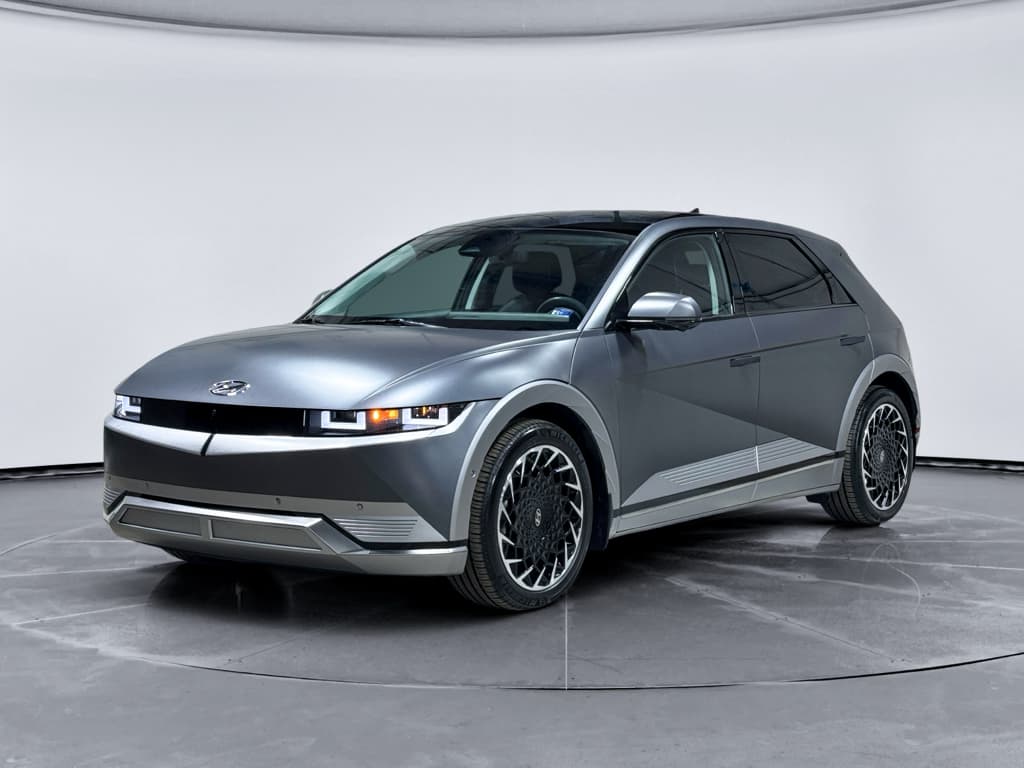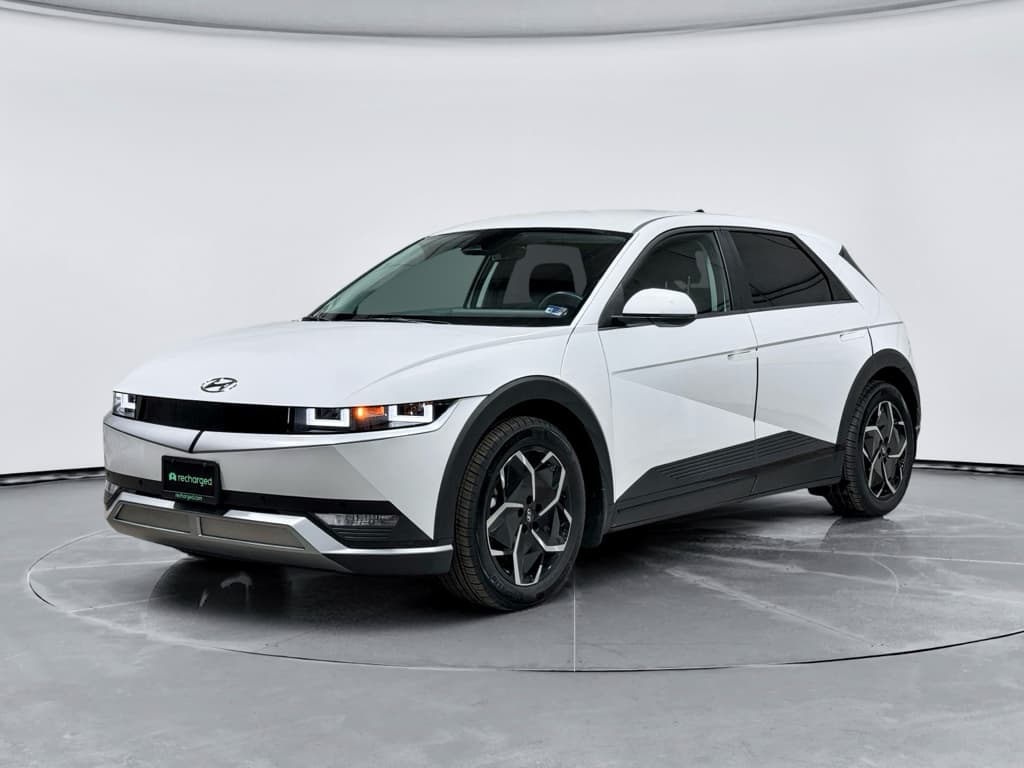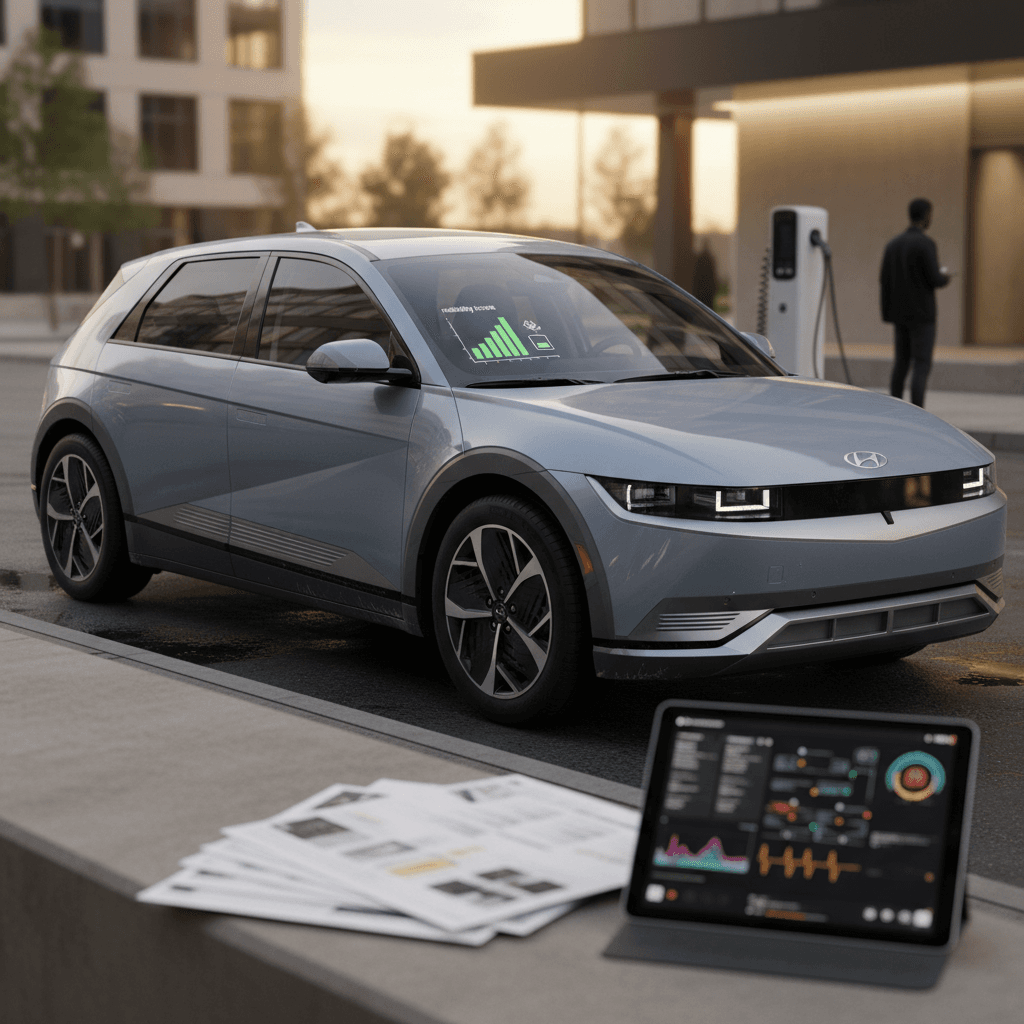
If you’re eyeing a 2026 Hyundai Ioniq 5, you’ve probably heard two very different stories: glowing reviews about design and driving dynamics, and online threads about charging failures and warning lights. The truth about the 2026 Hyundai Ioniq 5 reliability rating sits squarely in the middle, better than the horror stories suggest, but not trouble‑free, especially if you keep the car past its warranty window.
Quick take
2026 Hyundai Ioniq 5 reliability overview
By 2026, the Ioniq 5 is no longer a brand‑new experiment. It rides on the same E‑GMP platform used since 2022, with incremental software and hardware updates each year. That’s good news for drivetrains and battery durability, but it also means the car inherits some of the same electronics and charging quirks that showed up on 2022–2025 models.
Ioniq 5 reliability at a glance
Key risk area
How major sources rate Ioniq 5 reliability
No publication has a long‑term, finalized reliability score specific to the 2026 Ioniq 5 yet, those typically lag a model year or two. But you can get a solid picture by looking at how 2022–2024 models have scored and how early 2026 owner reviews are trending.
- Independent reliability indexes place 2022–2024 Ioniq 5 model years in the “mixed” range, with scores roughly in the 40s–50s out of 100, weighed down by electrical and charging complaints rather than engine or transmission failures.
- Hyundai as a group has performed strongly in recent J.D. Power Initial Quality Studies, showing low defect counts in the first 90 days across Hyundai, Kia and Genesis brands. That supports the idea that build quality and fit‑and‑finish are strengths, even if some EV‑specific issues remain.
- Consumer‑facing review sites show high owner satisfaction scores for the Ioniq 5’s comfort, styling and performance, but more mixed feedback on software and service experience.
- Early 2026 consumer reviews largely mirror 2024–2025: most owners report zero major issues, while a smaller but vocal group reports ICCU/charging or software‑related downtime.
How to read these ratings
What carries over from 2022–2025 Ioniq 5 problem history
The 2026 Ioniq 5 shares the same underlying platform, battery architecture and general electrical layout as 2022–2025 models. Hyundai has rolled out recalls and software campaigns to address the biggest issues, but the car’s history still matters if you’re trying to understand its long‑term reliability profile.
Legacy issues that shape 2026 expectations
Most 2026 cars benefit from prior fixes, but history explains the “mixed” rating
ICCU failures
The Ioniq 5’s Integrated Charging Control Unit (ICCU) can fail, leading to warnings like “Check electric vehicle system”, a loss of charging ability, or even limited driving power. Hyundai has recalled earlier model years and updated software, but it remains the headline reliability concern for the platform.
12‑volt battery issues
Some owners report repeated 12‑volt battery drains or failures, sometimes linked to the ICCU or software. A weak 12‑volt battery can leave the car unable to “wake up” even though the main pack is fine.
Charging and connectivity quirks
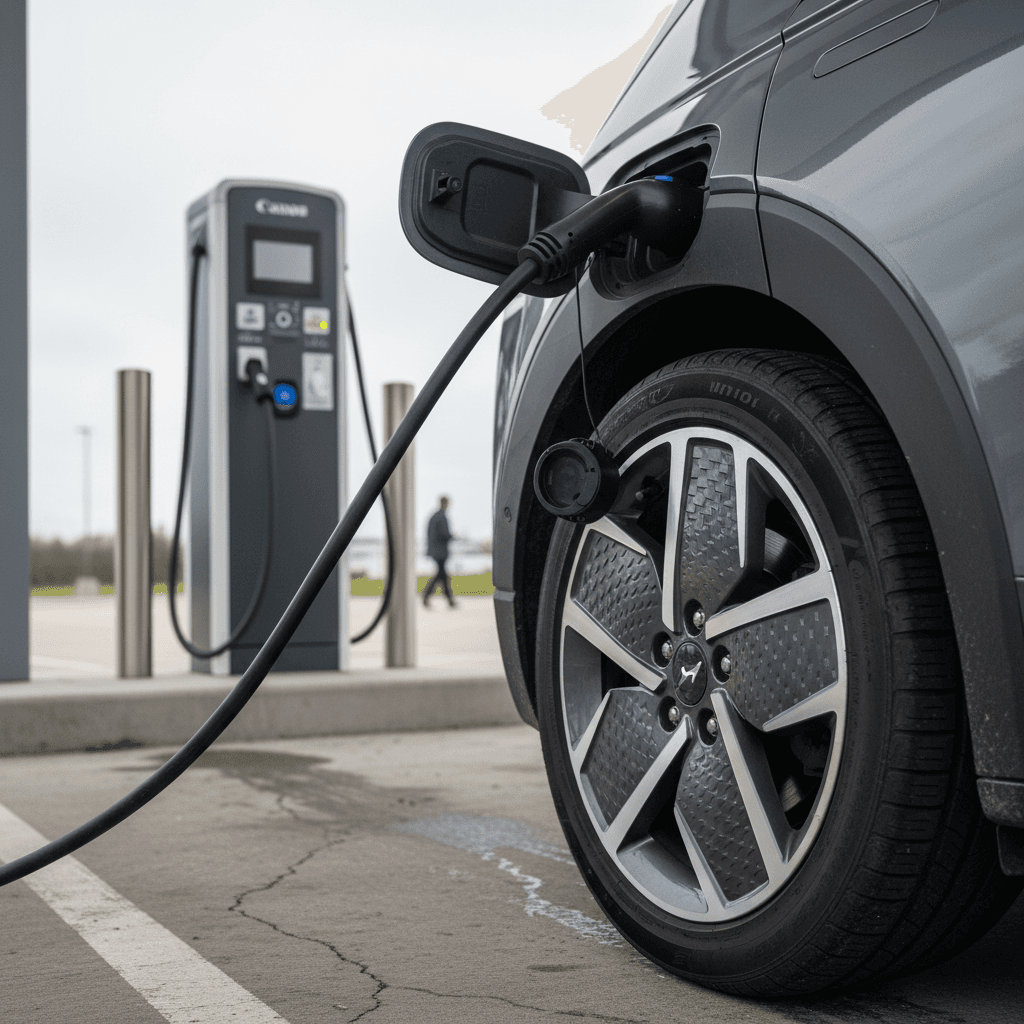
Owners of 2022–2024 cars have documented random charge session drops, charge‑port overheating messages and finicky DC fast‑charging on certain stations. Many are software or EVSE‑side issues, but they contribute to the Ioniq 5’s reputation online.
Good news for 2026
Most common 2026 Hyundai Ioniq 5 issues to watch
It’s still early in the 2026 model year, but based on carryover patterns and early owner feedback, these are the reliability themes to keep on your radar. Think of them as probabilities, not guarantees: plenty of Ioniq 5 owners log tens of thousands of miles with nothing more than scheduled maintenance.
Likely 2026 Ioniq 5 trouble spots
Patterns seen on earlier years help predict what might appear on 2026 models.
| System / part | Typical symptom | When it shows up | How serious it is |
|---|---|---|---|
| ICCU (DC‑DC converter) | Car stops charging, warning lights, or limited power | Often within first 10–40k miles | High – car can become undriveable until repaired |
| 12‑volt battery | Car won’t start or wakes up intermittently | Randomly, more common after 1–3 years | Moderate – inconvenient, may mask deeper issues |
| Instrument cluster / display | Screen blanks out or reboots | Intermittent, often tied to software | Low to moderate – unnerving but usually fixable with update |
| Charging port & cables | Overheating messages, dropped Level 2 sessions | More likely with frequent fast‑charging or high heat | Low to moderate – can limit charging options |
| Minor squeaks & rattles | Hatch or interior trim noises | Anytime, often after rough roads | Low – quality‑of‑life annoyance, not safety‑critical |
Not every Ioniq 5 will experience these problems, but they explain why ratings skew “mixed.”
Red‑flag symptoms
Recalls and software campaigns affecting 2026 models
Hyundai has actively managed Ioniq 5 issues via recalls and service campaigns that update software or replace hardware. For 2026 cars, that means some problems will be fixed in the background if you stay current with dealer visits.
- A major campaign across 2022–2024 Ioniq 5 and related E‑GMP vehicles addressed ICCU failures that could cause loss of motive power or prevent charging. 2026 cars are built later in this cycle, but you should still verify that any open campaigns are completed on your VIN.
- Hyundai has also recalled a batch of 2025–2026 vehicles, including Ioniq 5, for instrument panel display software that can cause the cluster to go blank. The fix is a software update performed at the dealer.
- Additional technical service bulletins (TSBs) cover charging behavior, infotainment glitches, and smaller drivability quirks. These may not show as formal recalls but can significantly improve day‑to‑day reliability once applied.
How to check a 2026 Ioniq 5 for open recalls
1. Run the VIN through official recall tools
Use the NHTSA VIN lookup and Hyundai’s owner site to see if the car has any open safety recalls or service campaigns. This should be step one for any used 2026 Ioniq 5 you’re considering.
2. Ask for proof of completed campaigns
For cars that have had ICCU or instrument‑cluster work, ask to see <strong>repair orders</strong> showing what was done and when. This matters both for safety and future resale value.
3. Confirm software is up to date
Have the seller or dealer confirm the latest <strong>EV system, infotainment and telematics software updates</strong> are installed. New code often improves charging stability and bug fixes.
4. Test drive long enough to warm the system
Some issues only appear once the power electronics are hot. During a test drive, include highway speeds and, if possible, a brief DC fast‑charge session to surface problems before you buy.
Battery health and long‑term durability outlook
One bright spot in the Ioniq 5’s story so far: there’s no widespread evidence of rapid high‑voltage battery degradation. E‑GMP packs in 2022–2024 cars have generally held capacity well when owners follow normal EV charging habits.
What we’re seeing so far
- Most long‑term owners report modest range loss after the first 2–3 years, similar to other modern EVs.
- The battery’s 800‑volt architecture allows very fast DC charging, but Hyundai’s thermal management has so far kept pack temperatures in check for typical use.
- High‑mileage taxis and fleet users globally haven’t triggered a wave of pack‑replacement stories, which is encouraging for 2026 buyers.
How to protect a 2026 pack
- Favor Level 2 home charging for day‑to‑day use and save repeated 10–80% DC fast sessions for road trips.
- Avoid letting the car sit for weeks at 100% state of charge; aim for 40–80% when parked long‑term.
- Keep software up to date so you benefit from Hyundai’s ongoing tweaks to thermal and charging strategies.
Used‑buyer tip
Warranty coverage and what it means for you
Hyundai leans on warranty coverage to reassure EV shoppers, and the Ioniq 5 is no exception. For a 2026 model bought new, much of your real reliability risk is less about whether something might fail and more about the inconvenience of downtime if it does.
2026 Hyundai Ioniq 5 warranty basics (U.S.)
Exact coverage can vary slightly by region and use, but this is the typical U.S. consumer warranty picture.
| Coverage | Typical term | What it covers |
|---|---|---|
| Bumper‑to‑bumper | 3 years / 36,000 miles | Most non‑wear components, including many electronics and infotainment items. |
| Powertrain | 5 years / 60,000 miles | Electric motor and related major drive components. |
| High‑voltage battery | 10 years / 100,000 miles | Defects in materials/workmanship for the traction battery pack. |
| Anti‑perforation | 7 years / unlimited miles (typical) | Rust‑through of body sheetmetal. |
| 24/7 roadside assistance | 5 years / unlimited miles (typical) | Towing for breakdowns, flat tires, lockouts and some charging‑related issues. |
Always confirm details with the specific vehicle’s documentation.
Why this matters for reliability
How the 2026 Ioniq 5 stacks up vs. rivals
Shopping reliability means comparing the Ioniq 5 not just to its own past, but to the EVs you might buy instead, Tesla Model Y, Ford Mustang Mach‑E, VW ID.4, Kia EV6 and others. All of them have some history with software and electronics trouble; the question is how Ioniq 5’s risk profile fits your tolerance.
2026 Ioniq 5 vs. key EV rivals
Broad reliability themes, not formal rankings
Versus Tesla Model Y
Pros for Ioniq 5: Fewer reports of panel‑gap and paint issues; strong warranty coverage; more traditional dealer network for service.
Cons: Tesla’s Supercharger network and simplified software stack can mean fewer charging‑network headaches, though the Model Y has its own history of fit‑and‑finish and suspension complaints.
Versus Ford Mustang Mach‑E & VW ID.4
Pros for Ioniq 5: 800‑V fast‑charging architecture, distinctive design, roomy interior and competitive pricing on the used market.
Cons: Ioniq 5’s ICCU/12‑volt track record puts a bit more spotlight on its power electronics than on some rivals, though Ford and VW have faced their own software and recall challenges.
Where the Ioniq 5 shines
Checklist for buying a used 2026 Ioniq 5
If you’re looking at a used 2026 Hyundai Ioniq 5, whether through a private seller, a franchise dealer, or a specialist marketplace like Recharged, the right inspection can dramatically reduce your odds of inheriting someone else’s electrical gremlins.
Used 2026 Ioniq 5 reliability checklist
1. Verify recall and campaign history
Run the VIN through recall databases and ask for <strong>service records</strong> showing completed ICCU, instrument cluster and charging‑system updates.
2. Test Level 2 and DC fast charging
If possible, plug into both a home‑style Level 2 unit and a DC fast charger. Look for warning lights, slow charging, or sessions that stop prematurely.
3. Scan for trouble codes
A professional pre‑purchase inspection can read <strong>stored or pending EV system codes</strong> even if the dash is currently clear. Recharged includes this in our Recharged Score diagnostics.
4. Check 12‑volt battery health
Have the 12‑volt battery load‑tested. Weak 12‑volt batteries are inexpensive to replace but may hint at deeper charging or ICCU history if they’ve failed repeatedly.
5. Listen for rattles and feel for vibrations
On your test drive, listen for hatch rattles, interior squeaks and any highway vibration. None are deal‑breakers alone, but they can inform price and repair expectations.
6. Review software version and OTA history
Confirm that infotainment and EV system software are up to date. Ask the seller if over‑the‑air updates have been applied regularly or if the car has sat offline.
Why shop with Recharged
How Recharged evaluates Ioniq 5 reliability
At Recharged, we see the Ioniq 5 from a different vantage point than a typical dealer: through inspection bays, battery‑health scans, and real owner histories from across the country. That lets us move beyond broad “good” or “bad” labels and zero in on vehicle‑specific risk.
Inside the Recharged Score for Ioniq 5
How we turn raw data into a reliability story you can act on
Battery & charging diagnostics
We run a Recharged Score battery health test that looks at usable capacity, charge rates and cell balance, then cross‑check with how the car behaves on Level 2 and DC fast charging.
Recall & repair history
Our team reviews recall completion, ICCU or 12‑volt repairs, and software campaign records so you know what’s already been addressed and what might still be pending.
Fair‑market pricing & risk
We price each Ioniq 5 based on condition, battery health and repair history, so a car that’s had major work and is now in great shape can be a solid value, while higher‑risk examples are filtered out entirely.
Ready to find your next EV?
Browse VehiclesFAQ: 2026 Hyundai Ioniq 5 reliability
Frequently asked questions about 2026 Ioniq 5 reliability
Bottom line: Should you worry about 2026 Ioniq 5 reliability?
If you’re looking for an EV that’s fun to drive, charges quickly and still feels fresh in 2026, the Ioniq 5 deserves to be on your list. Its reliability rating is neither a slam dunk nor a disaster: the platform has a proven battery and drivetrain, but enough ICCU and electronics drama in its past to justify doing your homework.
For new‑car buyers, Hyundai’s warranty and ongoing software fixes mean your main risk is inconvenience if the car ends up in the shop. For used‑car shoppers, the story is more nuanced. The right 2026 Ioniq 5, with clean recall history, healthy diagnostics and documented updates, can be a smart buy, especially when it’s been vetted by an EV‑focused retailer.
At Recharged, our job is to separate those solid examples from the question marks. With battery‑health diagnostics, a Recharged Score Report on every vehicle, flexible financing and nationwide delivery, we aim to give you the full reliability picture before you ever sign. If you love what the 2026 Ioniq 5 offers but want fewer surprises, that’s exactly where we can help.