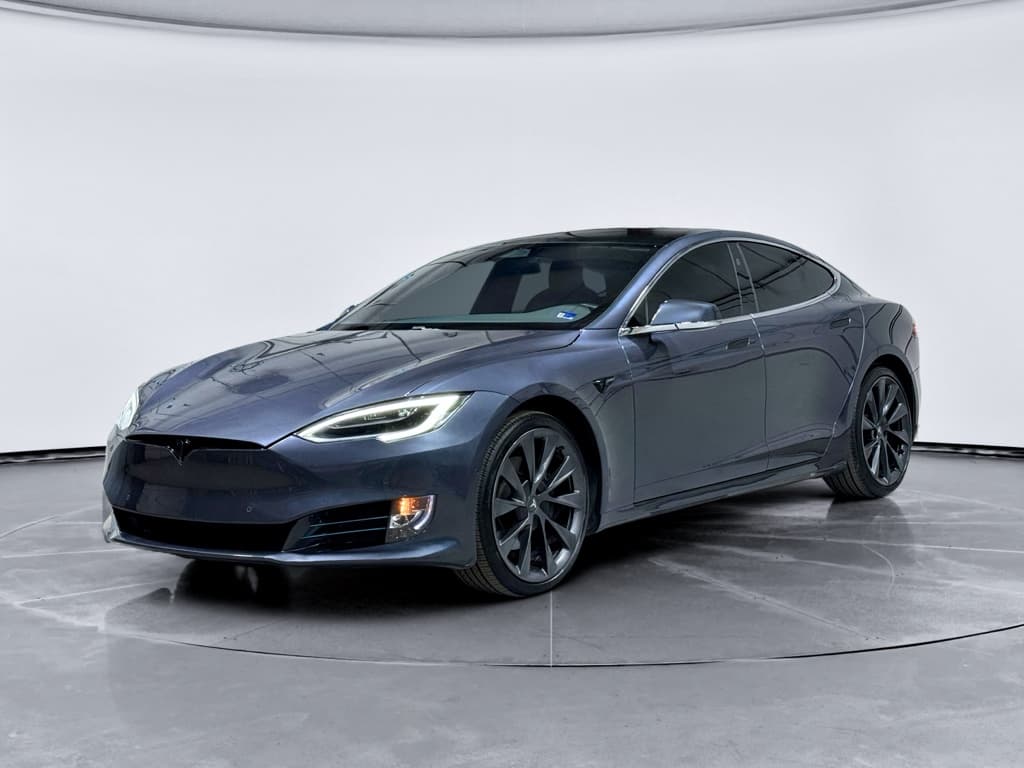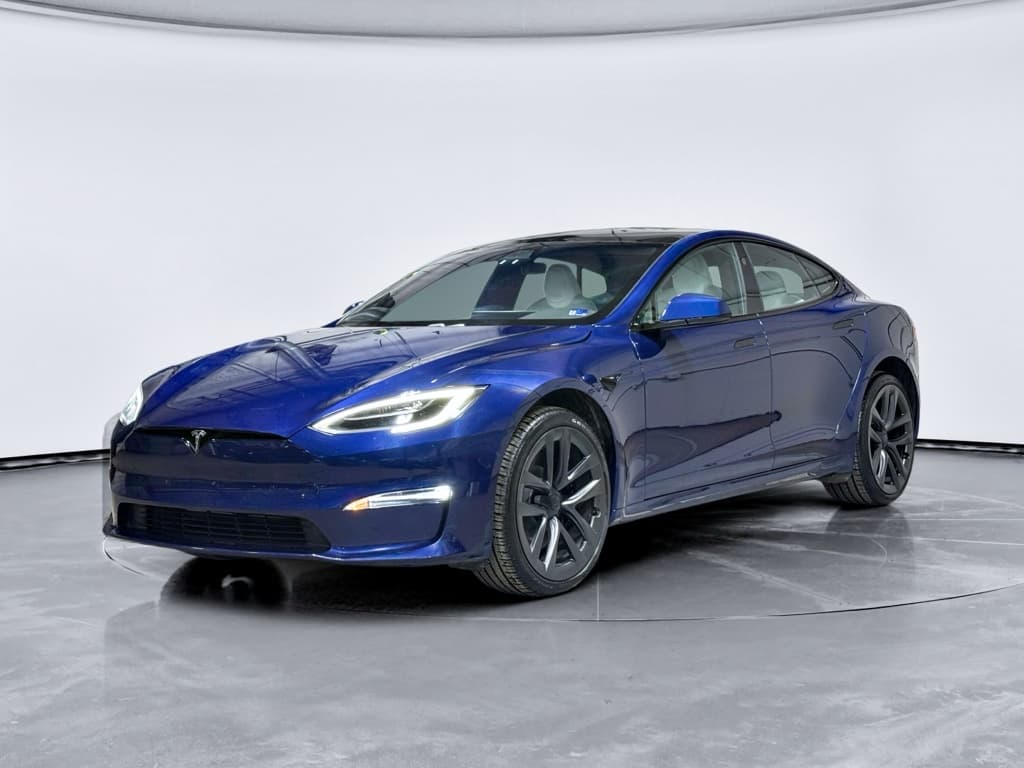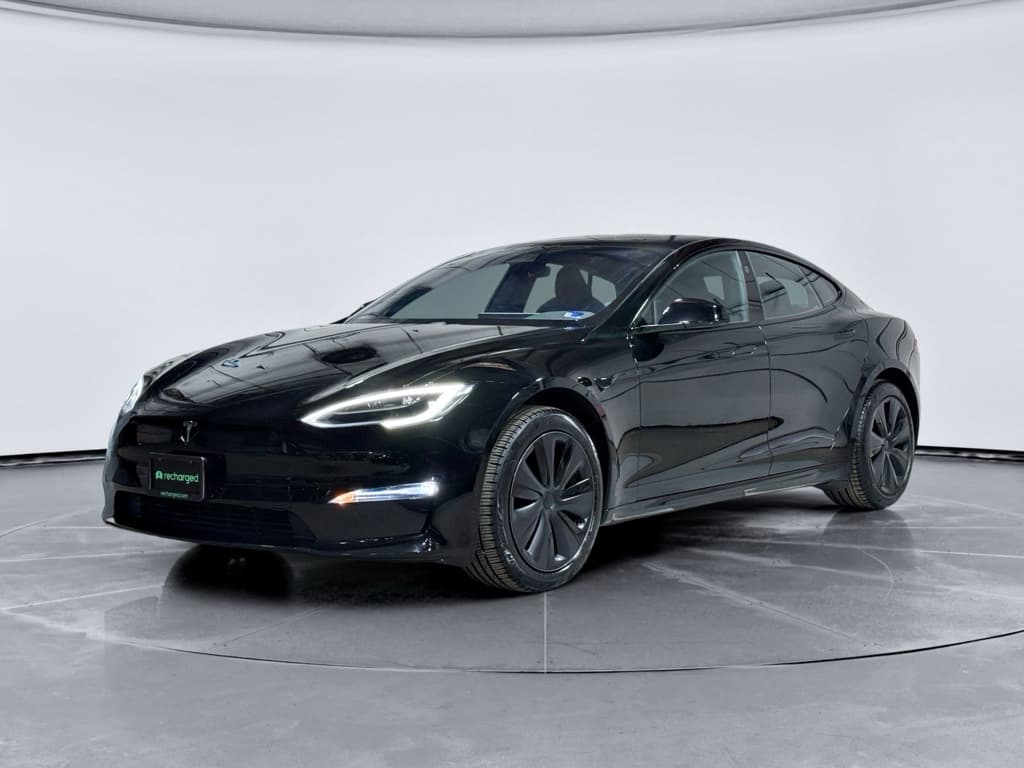
If you’re shopping used luxury EVs, the 2020 Tesla Model S sits in an unusual spot. It’s old enough to have taken a big depreciation hit, but new enough to deliver genuinely modern range, performance and software. In this 2020 Tesla Model S review, we’ll unpack how it drives, how far it really goes on a charge, where it falls short, and what you need to check before you buy one in 2026.
Trim levels in 2020
2020 Tesla Model S at a Glance
Key Specs: 2020 Tesla Model S Long Range Plus
On paper, the 2020 Model S still looks competitive even against much newer metal. **402 miles of EPA range** for the Long Range Plus trim, strong performance in every configuration, and access to Tesla’s Supercharger network keep it relevant. But the underlying platform dates back to 2012, and by 2020 you’re seeing both the benefits and the compromises of that age: mature powertrain and software, but a cabin and structure that pre‑date the latest Tesla safety and chassis upgrades.
Range & Efficiency: The 400-Mile Benchmark
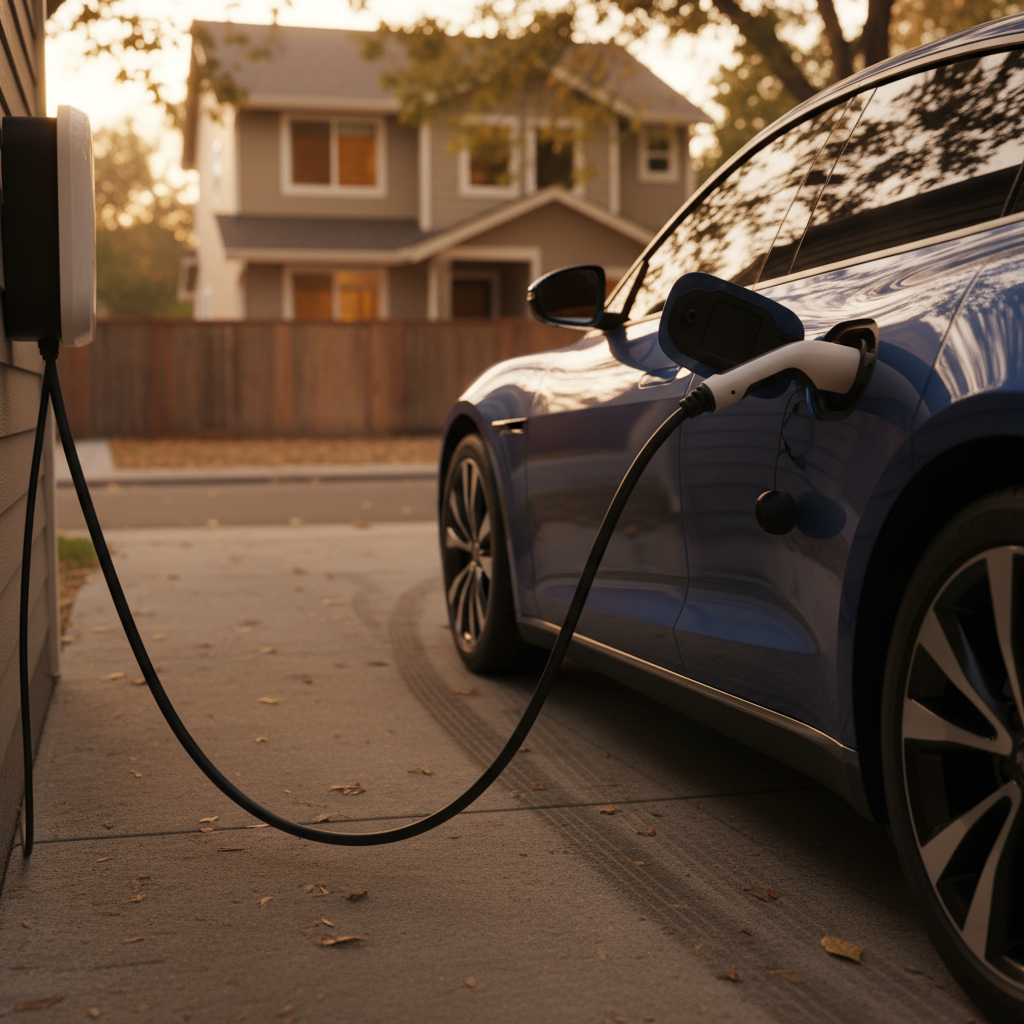
Range is the headline with any 2020 Tesla Model S review, because this was the year Tesla finally broke the **400‑mile** barrier. The **Long Range Plus** trim earned an EPA rating of about **402 miles of range**, thanks to efficiency updates and lighter components. Earlier 2020 "Long Range" cars are rated a bit lower (around the high‑370‑mile mark), while **Performance** models trade some range for speed, typically landing in the **mid‑300‑mile** zone.
- EPA combined efficiency for the 2020 Model S Long Range Plus is roughly **29 kWh/100 miles** (about 117 MPGe).
- Real‑world highway range at 70–75 mph is typically 10–20% lower than the EPA rating, especially in cold weather.
- 19‑inch wheels are more efficient than 21‑inch wheels; those bigger wheels can easily cost 20–30 miles of usable range.
- Frequent DC fast charging won’t kill the pack overnight, but it does accelerate degradation versus mostly home Level 2 use.
How to sanity‑check range on a test drive
Performance & Driving Feel
Every 2020 Model S is quick; the question is just how much overkill you want. The dual‑motor **Long Range** gets from 0–60 mph in the **mid‑3‑second** range, which already embarrasses many sports sedans. The **Performance** trim with Ludicrous Mode drops that to around **2.4 seconds**, provided the battery is warm and charged. That’s supercar territory, delivered in a quiet, five‑door liftback.
What It’s Like to Drive a 2020 Model S
Fast, efficient, and showing its age in a few places
Straight‑line speed
The **instant torque** is the signature Tesla experience. Around town the car feels effortless; passing at highway speeds is nearly instantaneous, especially in Performance trim.
Handling & ride
The Model S is heavy, and you feel that. Air suspension smooths most bumps, but the car can feel a bit floaty or disconnected compared with newer luxury EVs like the Mercedes EQE or BMW i5.
Refinement & noise
Cabin noise is acceptable but not standout by 2026 standards. Wind and road noise are more noticeable than in some newer luxury EVs, especially on rough pavement.
Watch for suspension wear
Interior, Comfort & Practicality
Inside, the 2020 Model S feels like a bridge between early‑EV minimalism and today’s more polished luxury cabins. The **17‑inch portrait touchscreen** dominates the dash and controls almost everything. There’s no instrument cowl; instead, you get a digital cluster ahead of the driver and the central screen for everything else.
Strengths
- Huge cargo space thanks to the hatchback design and fold‑flat rear seats, plenty of room for bikes, camping gear or strollers.
- Simple control layout compared with button‑heavy German competitors, especially if you live inside the Tesla ecosystem already.
- Standard heated seats, glass roof and over‑the‑air software updates make it feel more modern than the model year suggests.
Weak spots
- Materials and build quality are **inconsistent**. Panel gaps, squeaks and rattles are not uncommon, even on low‑mileage examples.
- No latest‑gen **yoke steering wheel, ventilated seats or updated horizontal screen** that came with the 2021+ refresh.
- Some owners find the seats **too firm** on long road trips compared with contemporary luxury sedans.
Five seats, not seven
Software, Autopilot & FSD (Supervised)
The 2020 Model S shipped during an aggressive push for Tesla’s driver‑assist and subscription software strategy. Most cars left the factory with **Autopilot hardware and basic Autopilot enabled**, and many were ordered with **Full Self‑Driving (now branded “FSD (Supervised)” in the U.S.)** either up front or added later via software purchase.
- **Basic Autopilot**: Traffic‑aware cruise control and lane‑keeping on highways.
- **Enhanced Autopilot** (on some cars via option): Adds features like Auto Lane Change, Navigate on Autopilot and basic Summon.
- **FSD (Supervised)**: City‑street navigation, turns, and more advanced behavior, but still a **Level 2** driver‑assist system that requires constant supervision.
Critical reality check on "self‑driving"
Software & Hardware: How Future‑Proof Is a 2020 Model S?
What matters for over‑the‑air updates and FSD access
Autopilot hardware generation
Most 2020 cars run **Hardware 3**, which Tesla still supports with current software and FSD (Supervised). Earlier AP2.x/AP2.5 builds may have been upgraded; check the service history or ask the seller.
OTA updates
As of 2026, 2020 Model S vehicles continue to receive **over‑the‑air firmware updates**, though some newer visualizations and features roll out first to the refreshed models.
FSD as subscription
Even if a car doesn’t include FSD, you can typically add it later as a **monthly subscription** rather than a huge up‑front option, assuming hardware and regional rules allow.
Reliability, Battery Health & Common Issues
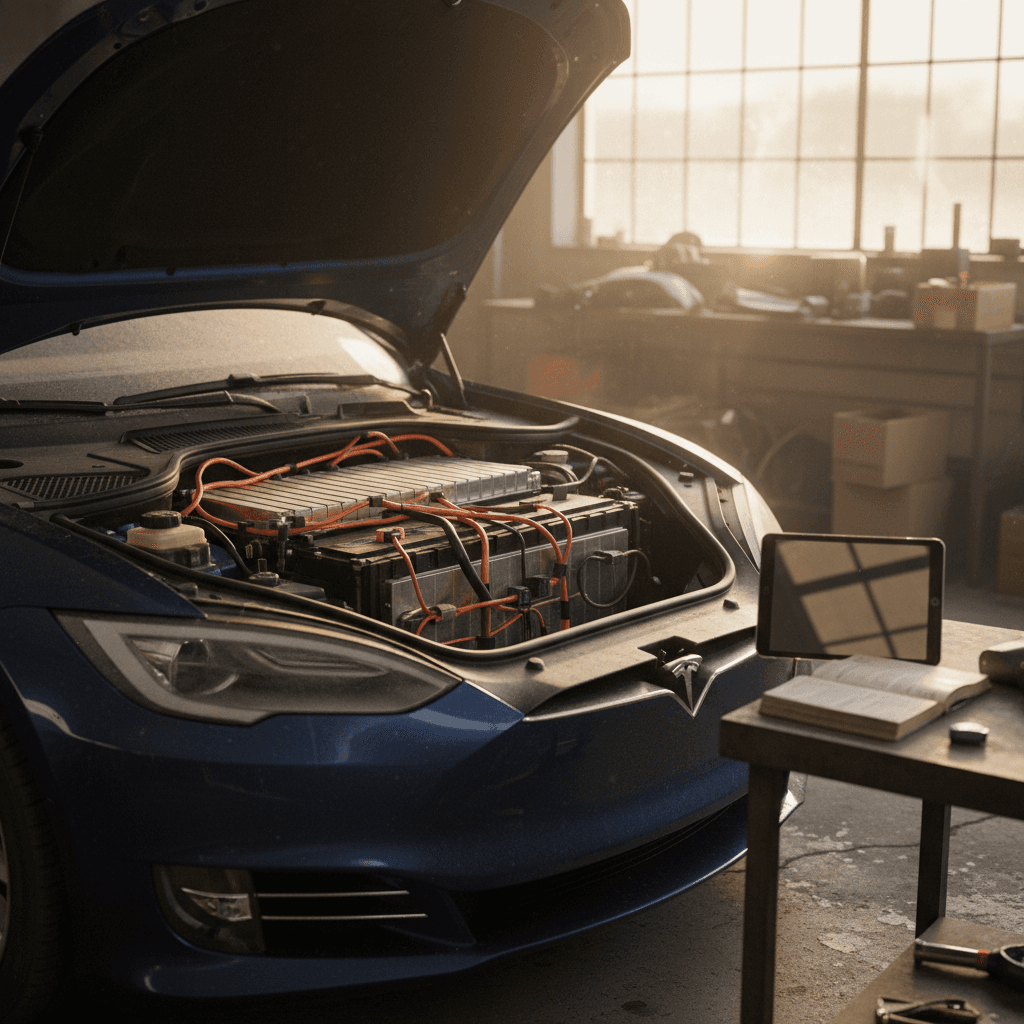
By 2020, the Model S powertrain was already a veteran. That’s mostly good news: Tesla’s **motors and battery packs have generally aged better** than skeptics predicted, especially when compared with some first‑wave compliance EVs. But owning a 2020 car in 2026 means you’re now relying on the durability of everything around that powertrain, suspension, seals, screens, and door handles included.
Common Issues Reported on 2016–2020 Model S (What to Check)
Not every car will have these problems, but these are patterns worth screening for during your pre‑purchase inspection.
| Area | Typical Symptoms | What You Should Do |
|---|---|---|
| Battery health | Notable range loss vs. original rating; large swings in state‑of‑charge estimate | Check displayed full‑charge range; get a **battery health diagnostic** (like the Recharged Score) before buying. |
| MCU / screen | Slow response, random reboots, bubbles or yellowing around the screen edges | Test all infotainment functions on a long drive; confirm whether the MCU/eMMC recall work has been completed. |
| Door handles | Handles not presenting, intermittent latching | Cycle every door multiple times; factor in repair costs, this is a known Model S weak spot. |
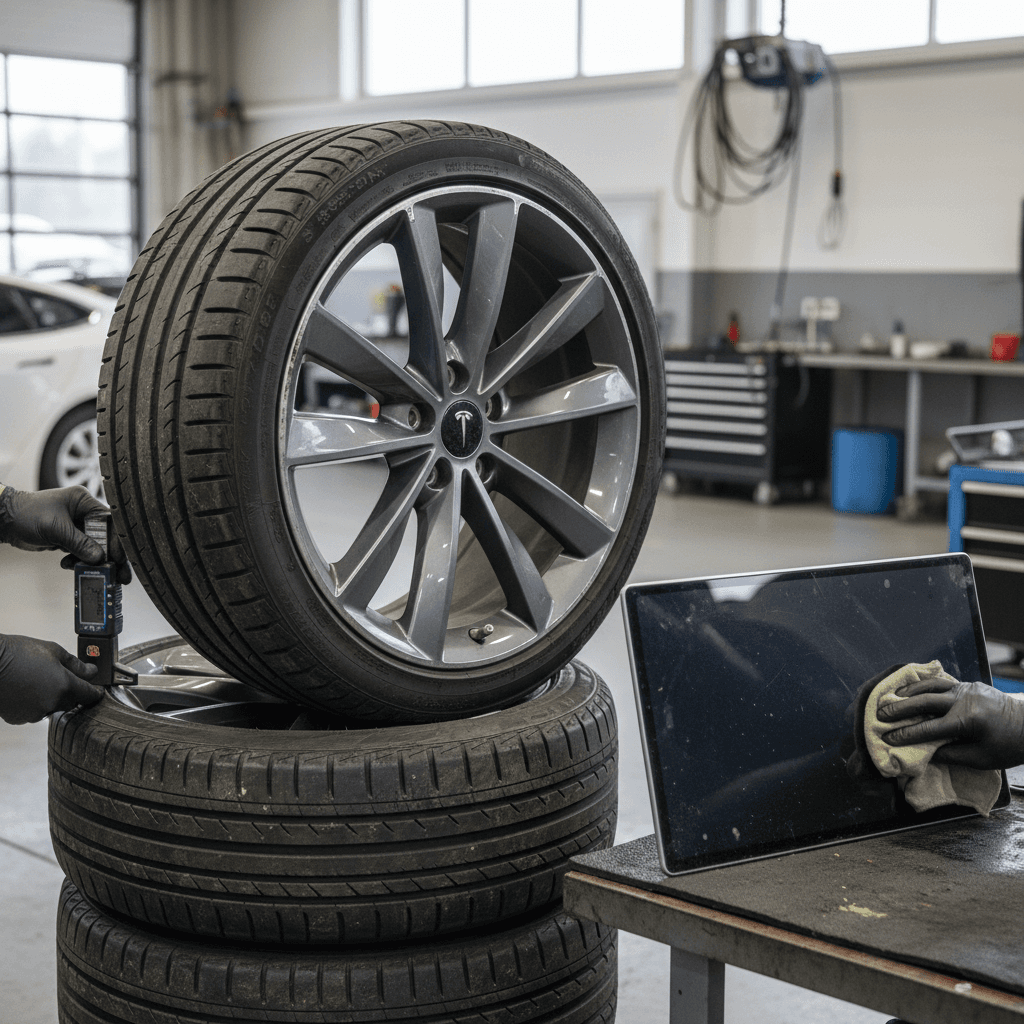
| Suspension | Clunks over bumps, uneven tire wear, floaty feeling at highway speeds | Inspect tires, drive over rough roads, and consider an alignment/suspension inspection after purchase. |
| Charging hardware | Car won’t fast‑charge reliably, charge‑port errors | Test both **home Level 2** and **DC fast charging** before buying if possible. |
Use this as a starting point; pair it with a professional inspection and a battery health report.
Use data, not guesses, on battery health
Depreciation, Used Pricing & Value in 2026
If you’re reading a 2020 Tesla Model S review in 2026, it’s probably because you’re eyeing depreciation. The good news: the steepest drop is already behind you. The bad news: big luxury sedans, including the Model S, are still among the **hardest‑hit segments** for value retention.
2020 Tesla Model S Pricing Snapshot (U.S. Market, Early 2026)
Approximate national‑average values; actual pricing varies with mileage, battery health, options and regional demand.
| Trim | Original MSRP (approx.) | Typical Dealer Retail Today | Notes |
|---|---|---|---|
| Long Range Plus | $76,000–$80,000 | Low–mid $30,000s | Best pick for maximum range; pricing climbs for low‑mileage, clean‑history cars. |
| Performance (Ludicrous) | Around $90,000–$100,000 | Mid $30,000s to low $40,000s | Commands a premium if in good condition; range is lower than Long Range trims. |
Use this as a rough lane, not an exact quote, battery health and history can easily move a car several thousand dollars either way.
Across the market, data in late 2025 suggests a 2020 Model S Long Range Plus retains roughly **45% of its original value after five years**, meaning a **~55% depreciation hit** from new for a typical example. That sounds brutal, but it’s actually in line with other large luxury sedans, and it’s what makes these cars compelling on the used market today.
How depreciation cuts both ways
How the 2020 Model S Compares Today
Versus newer Tesla Model S (2021+ refresh)
- Newer cars get a **redesigned interior**, horizontal center screen, yoke steering option, and updated battery/thermal systems.
- They’re generally **quicker and more efficient**, but command a significant price premium on the used market.
- If you crave the latest UI and cabin, the 2020 will feel dated. If you mostly care about **range-per-dollar**, a clean 2020 Long Range Plus can be a smart buy.
Versus non‑Tesla luxury EVs
- Rivals like the **Mercedes EQE**, **BMW i5**, and **Porsche Taycan** offer better build quality and driving refinement, but many have **shorter real‑world range** and lack Supercharger network access.
- The 2020 Model S still shines for **long‑distance road trips**, especially where CCS charging infrastructure is patchy.
Where the 2020 Model S still wins
Buying Checklist for a Used 2020 Tesla Model S
10 Things to Check Before You Buy a 2020 Model S
1. Verify the exact trim and build date
Use the VIN and original window sticker (or Tesla account screenshots) to confirm whether you’re looking at **Long Range, Long Range Plus, or Performance**, and whether it’s an early‑ or late‑2020 build.
2. Get a battery health report
Do not rely on a quick "100% range" photo alone. Ask for a **professional battery diagnostic**, like the pack‑level tests included in Recharged’s **Recharged Score Report**.
3. Review Supercharging behavior
If possible, plug into a **DC fast charger** during your test drive. Watch for unusually slow charge rates or frequent error messages, which can hint at pack or thermal issues.
4. Inspect tires and suspension
Uneven tire wear or cupped inner edges often signal alignment or suspension problems. Budget accordingly or choose a cleaner example.
5. Test every door handle and window
Model S **door handles and regulators** are known weak points. Make sure every handle presents and retracts smoothly, and every window operates without strange noises.
6. Check infotainment responsiveness
Swipe and tap around the UI. A laggy or glitchy screen may indicate an aging **MCU**; confirm whether any Tesla recall or service campaigns have already replaced the eMMC memory.
7. Confirm Autopilot / FSD options
From the center screen, check which driver‑assist features are active on the car, and which are **software‑locked** behind paid upgrades or subscriptions.
8. Look for body repairs and panel gaps
Walk the car in good light. Look for overspray, mismatched paint, or inconsistent gaps around doors and the hatch, signs of previous bodywork or poor factory QC.
9. Ask for service history
Ideally you want records showing **regular tire rotations, alignment checks, and any major component replacements** (drive units, HV battery, MCU, air suspension, etc.).
10. Consider total cost of ownership
Factor insurance, potential suspension work, out‑of‑warranty repairs and charging costs into your budget, not just the purchase price. A cheaper car with a tired battery can be more expensive long‑term than a pricier example with strong health.
Make the numbers work for you
Who Should Buy a 2020 Model S, and Who Should Skip It
Is a 2020 Tesla Model S Right for You?
Match the car to your use case before you swipe your card
Great fit if…
- You want **long‑range road‑trip capability** and live near good Supercharger coverage.
- You’d like flagship‑EV performance but at **mid‑priced luxury‑sedan money** on the used market.
- You’re comfortable with Tesla’s **software‑first approach** and slightly quirky build quality.
- You plan to keep the car **3–5 years**, not a decade, and you value range and software more than the latest interior design.
Probably not a fit if…
- You prioritize **quietness, material quality and dealership pampering** above all else.
- You rarely drive more than 40–50 miles a day and could be just as happy in a smaller, cheaper EV or plug‑in hybrid.
- You want the **latest Tesla interior, yoke steering, or refreshed styling**, that means 2021+ cars.
- You’re extremely risk‑averse about out‑of‑warranty repairs and don’t want to budget for potential suspension or electronics work.
Viewed from 2026, the 2020 Tesla Model S is no longer the cutting‑edge EV it once was, but it’s also nowhere near obsolete. The combination of **400‑mile‑class range**, blistering performance, and Supercharger access keeps it relevant, and depreciation has finally made it accessible to buyers who couldn’t justify a new one. If you focus on battery health, avoid rough examples, and run the numbers carefully, a 2020 Model S, especially a Long Range Plus, can still be a sharp, future‑proof daily driver.