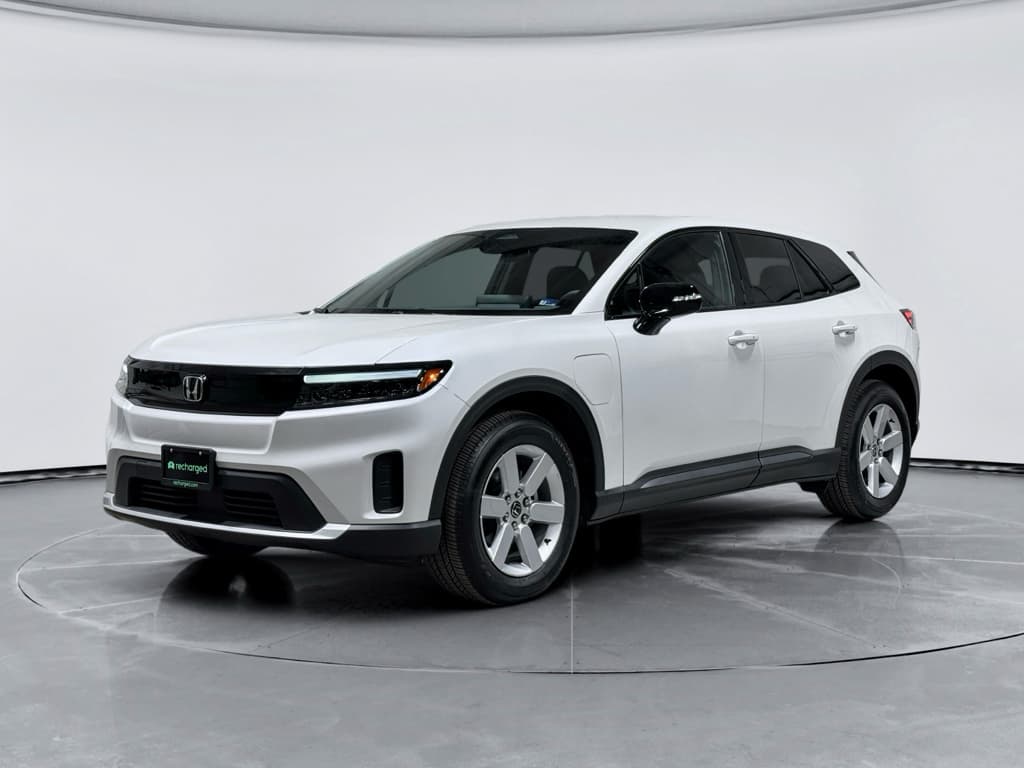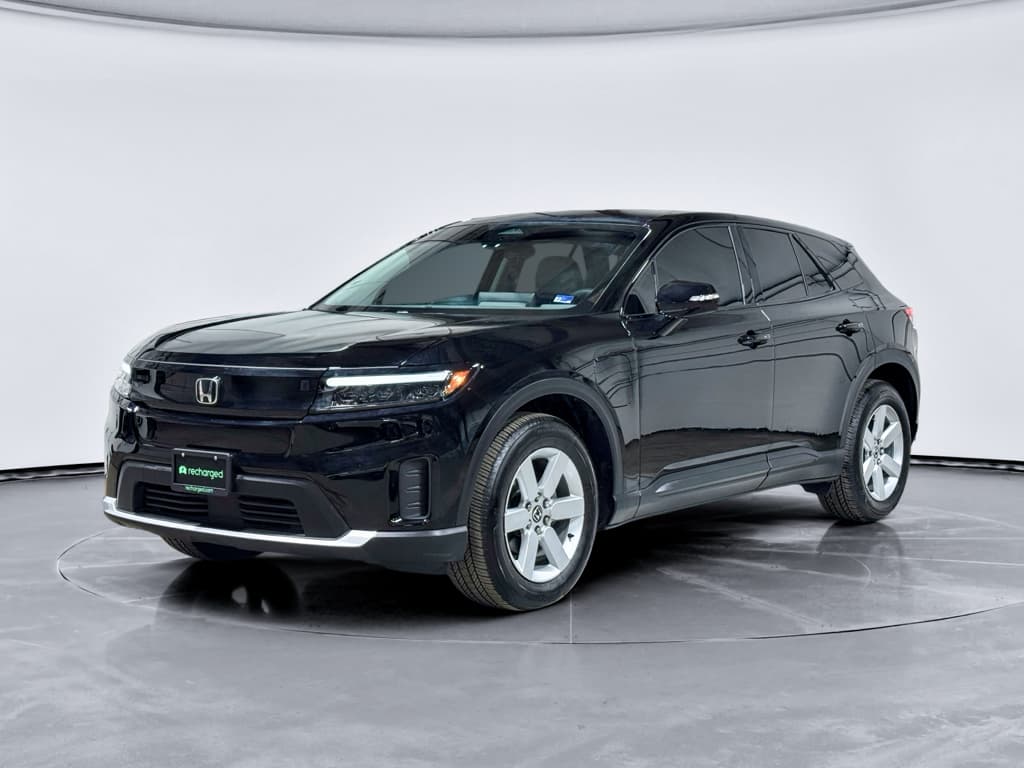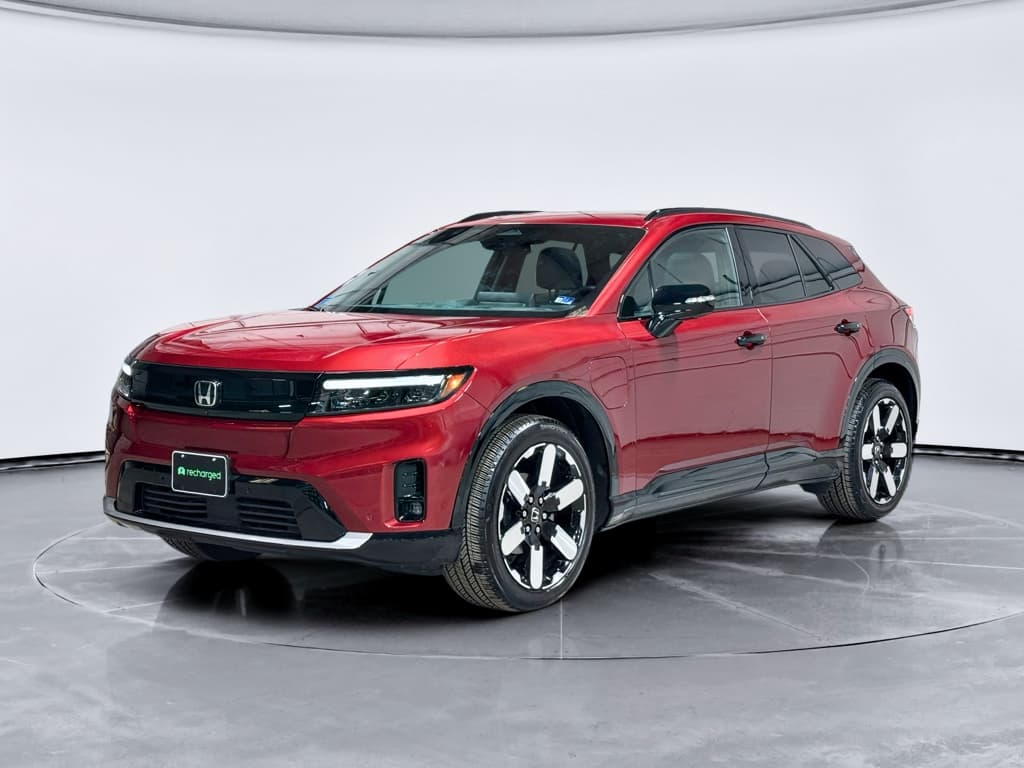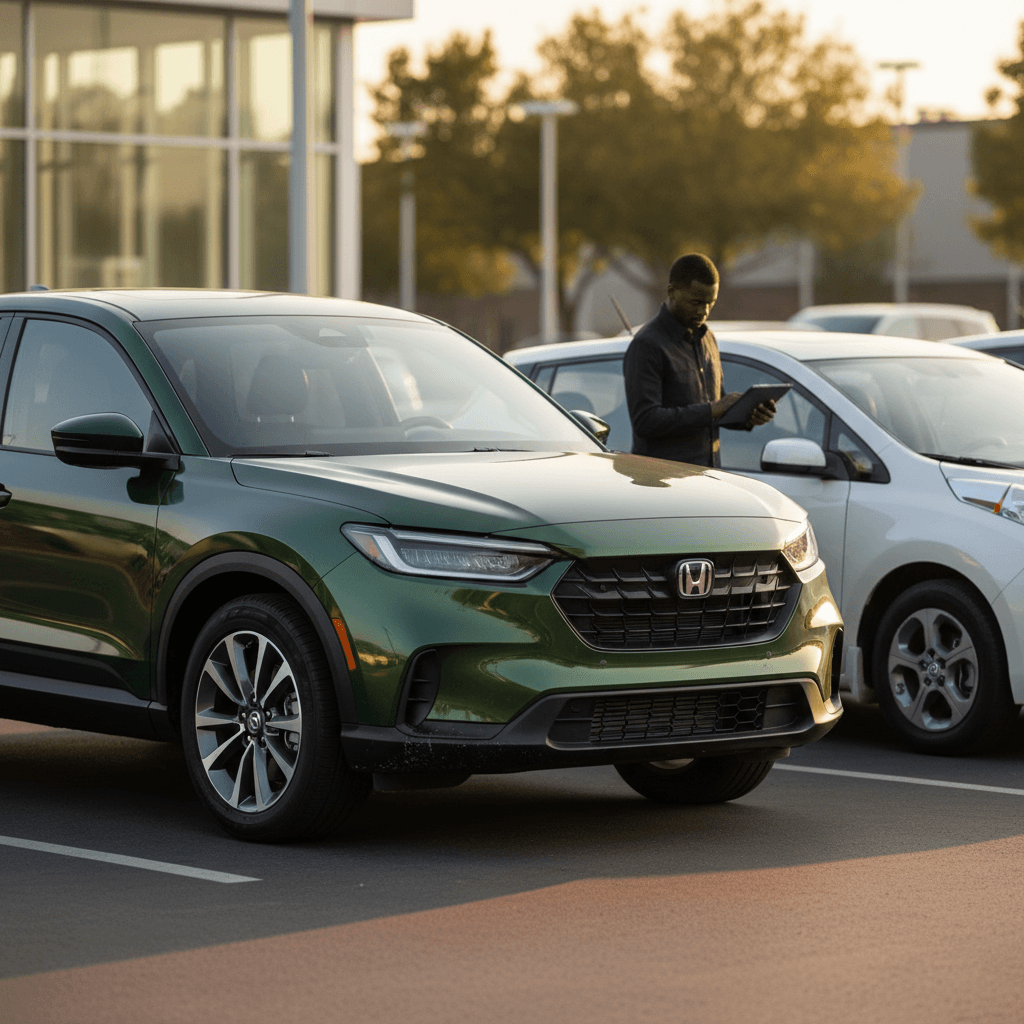
If you’re driving a 2026 Honda Prologue, you already know you bought into one of the more controversial EV stories of the decade: Honda’s handsome, GM-based electric SUV that arrived just as the company started backing away from EVs in the U.S. That twist matters a lot when you start asking the next question: what’s my 2026 Honda Prologue trade‑in value actually going to be?
Quick context: 2026 Prologue in the market
How Much Is a 2026 Honda Prologue Worth Today?
Nobody can quote your exact 2026 Honda Prologue trade-in value without seeing the car and its battery report, but we can frame realistic ranges based on what we know about MSRP, lease residuals, and early used‑market sentiment in 2025–2026.
Early Value Snapshot for 2026 Honda Prologue
These are guide rails, not gospel
Why Honda Prologue Depreciation Looks Different
The Prologue had two big headwinds baked in from day one: it rides on GM’s Ultium platform, and Honda has since walked back its near‑term EV ambitions in the U.S. Both of those realities spook some shoppers and some dealers, which feeds directly into trade‑in value.
What’s Dragging on Prologue Trade-In Value?
Three structural issues you need to understand
1. First‑wave Ultium concerns
Early GM Ultium products like the Blazer EV and Lyriq had well‑publicized teething issues. The Prologue shares that hardware family, so some dealers quietly price in extra caution for future battery or software drama.
2. Honda’s EV retreat
Honda announcing a pullback from EVs in the U.S. has already become message‑board gospel. Buyers worry about long‑term support, which flattens demand and pushes trade‑in values down.
3. EV incentives distort used prices
Federal and state incentives on new EVs effectively knock thousands off the front‑end cost. That makes used examples look expensive unless their prices fall just as far, so trade‑in offers feel harsher than on a CR‑V.
Think like an appraiser, not a fan
Key Factors That Drive 2026 Honda Prologue Trade-In Value
Every appraisal ultimately boils down to risk versus reward. With a 2026 Honda Prologue, buyers and dealers are weighing six main variables.
6 Things That Move Your Prologue’s Number
1. Trim and original MSRP
An EX FWD that stickered in the high‑$40Ks is going to land in a different value band than an Elite AWD that flirted with $60,000. Appraisers look at original MSRP, current equipment list, and how similar trims are selling at auction.
2. Mileage and usage pattern
A 2026 Prologue with 18,000 well‑documented miles is a different animal than one with 45,000 hard highway miles and no service history. EVs don’t care about oil changes, but appraisers care deeply about mileage and maintenance paperwork.
3. Battery health and fast‑charging history
On any used EV, <strong>state of health (SoH)</strong> is king. A Prologue that still shows strong usable capacity and a sensible fast‑charging history will be much easier to move, and worth more, than one that’s been Supercharger‑hopped daily and already shows meaningful degradation.
4. Cosmetic condition
Curb‑rashed 21‑inch wheels, door dings and a cracked windshield do not read as “EV character”; they read as repair bills. Fixing small items before an appraisal often pays for itself in a better offer.
5. Accident and title history
A clean CARFAX is money in the bank. Structural damage, airbag deployments, or branded titles can kneecap EV values more than equivalent gas models because buyers are already nervous about repair complexity.
6. Local demand for used EVs
In EV‑dense markets on the coasts, a used Prologue might be just another alphabet soup electric SUV. In a rural market with thin charging and skittish buyers, dealers may low‑ball simply because they don’t want to own it for 120 days.
Battery Health: The Single Biggest Trade-In Lever
Honda backs the Prologue’s high‑voltage pack with an 8‑year/100,000‑mile battery warranty. That’s reassuring, but it’s not what sets the trade‑in number; the current health of your pack does. A buyer isn’t paying for the warranty, they’re paying for usable range today and predictable range tomorrow.
What appraisers want to see
- State of health report: A third‑party battery diagnostic (like a Recharged Score) that shows remaining capacity versus original.
- Consistent charging behavior: Mostly Level 2 home charging, with fast‑charging used for trips, not as daily habit.
- No battery warnings: No history of HV battery alerts, derating, or DC‑fast‑charge lockouts.
What makes them nervous
- Heavy DC fast‑charging: Lots of 150–350 kW fast‑charge sessions, especially at high states of charge.
- Warranty‑era interventions: Any pack modules replaced, capacity complaints, or unexplained range loss.
- DIY modifications: Unapproved adapters, non‑OEM charging retrofits, or evidence of Supercharger workarounds.
How Recharged helps here

Lease vs Finance: How It Changes Your Exit Options
When people ask about 2026 Honda Prologue trade‑in value, what they often mean is, “Can I get out of this lease without getting torched?” The answer depends heavily on how you acquired the car in the first place.
Trading or Selling a 2026 Prologue: Lease vs Loan
How your financing structure shapes your trade‑in math
| Scenario | Who Owns the Car? | Typical 2026 Outcome | Key Watch‑Out |
|---|---|---|---|
| Honda lease, early exit | Honda Financial | Often negative equity in years 1–3 because EVs depreciate faster than the lease pay‑down | You usually can’t sell directly to just anyone; many third‑party buyers can’t buy out the lease. |
| Honda lease, at scheduled end | Honda Financial | Residual values around the mid‑40% range mean the car may be worth less than the buyout, but sometimes market values over‑shoot | Don’t blindly buy it out. Compare the buyout to real‑world market value first. |
| Bank/credit union loan | You and the lender | You can trade in or sell to anyone, as long as the payoff is covered | If you rolled negative equity from a prior car into the loan, your payoff may be much higher than market value. |
| Paid‑off Prologue | You | Maximum flexibility: trade, sell private party, or consign | Your main risk is timing the market and disclosing battery health honestly. |
Knowing whether Honda Financial or a bank actually owns your Prologue is step one in understanding what your options really are.
Don’t confuse trade‑in value with equity
How to Estimate Your 2026 Honda Prologue Trade-In Value
Before you talk numbers with a dealer or online buyer, you want your own working estimate, a defensible sense of what your 2026 Honda Prologue should bring.
DIY Value Estimate in 20 Minutes
1. Start with original MSRP and trim
Look up your exact year, trim, and drivetrain (EX/Touring/Elite, FWD or AWD) and the MSRP when new. This anchors the conversation and helps you interpret residual percentages and auction data.
2. Pull real‑world asking prices
Check listings for used Prologues with similar mileage and trims in your region, not nationwide unicorn deals. Asking prices aren’t trade‑in offers, but they tell you where retail sits relative to your payoff.
3. Subtract a realistic dealer margin
Dealers need spread for reconditioning, overhead, and profit. Back roughly 10–15% out of prevailing retail asks to approximate what they might plausibly pay on trade for a clean Prologue with a healthy battery.
4. Adjust for mileage and condition
High miles, cosmetic issues, or worn tires can take another 5–10% off. A squeaky‑clean Prologue with new rubber and a recent detail can narrow that hit.
5. Layer in battery health information
If you have a battery health report showing strong remaining capacity, you’re in the top tier of used examples, especially powerful when you’re selling through an EV‑focused marketplace like Recharged.
6. Compare to your payoff or buyout
Only now should you compare your estimated market value to what you still owe (or your lease buyout). That gap, positive or negative, is your real‑world position.
How to Maximize Your Prologue Offer: Step-by-Step
The Prologue isn’t doomed to be a resale disaster, but it is a car you have to sell thoughtfully. Here’s how to give yourself the best shot at a strong 2026 trade‑in value.
Two Paths to a Stronger 2026 Prologue Payout
If You’re Trading Into Another Vehicle
Detail the car inside and out before appraisals. Clean EVs look newer and feel less risky.
Fix inexpensive cosmetics: headlight polish, windshield chips, badly curbed wheels, and worn wiper blades.
Get multiple bids the same week from a Honda dealer, another franchise store, and at least one online buyer.
Time your trade around tax savings in your state, in many states, trade‑in value reduces taxable amount on the new purchase.
Be ready to walk. The first number is rarely the best number.
If You’re Selling the Prologue Outright
Obtain a third‑party <strong>battery health report</strong> and keep it ready for buyers.
Gather all charging receipts or logs that show sensible DC fast‑charging usage.
List on an EV‑focused marketplace where shoppers understand range, Ultium, and Honda’s EV story.
Price realistically against other used EVs, not against what you paid after incentives.
Consider consignment with a specialist like Recharged to leverage their buyers and financing tools without taking a wholesale haircut.
Leverage EV‑savvy buyers
Trading In at a Honda Dealer vs Selling to a Specialist
Where you sell is almost as important as what you sell. The 2026 Honda Prologue sits in an awkward space: too new and complex for some smaller used lots, but not a slam‑dunk resale story at every Honda store either.
Trading at a Honda dealership
- Pros: Easy one‑stop transaction; potential sales‑tax advantage; they can work directly with Honda Financial if you’re in a lease.
- Cons: Some dealers are openly wary of Ultium‑based Hondas; they may low‑ball or simply decline to bid aggressively, especially if they already have Prologues aging on the lot.
- Best for: Leased 2026 Prologues where the dealer can work with Honda on buyout, or when convenience outranks every other concern.
Selling through an EV specialist or marketplace
- Pros: Buyers actually shopping for used EVs; better appreciation for battery reports; more nuanced pricing versus Tesla, Hyundai, Kia and GM rivals.
- Cons: Takes more time; you may need to coordinate inspection and photography; some models may sell slower in certain regions.
- Best for: Financed or paid‑off Prologues, especially higher‑trim Touring/Elite models where equipment and condition really matter.
What about selling private party?
Where Recharged Fits In for Used EV Prologues
Recharged was built for exactly this kind of car: a good‑driving EV with a messy narrative. Instead of punting your 2026 Honda Prologue to the nearest auction, we treat it like what it is, a modern electric family SUV whose value lives or dies on battery health, transparency, and how it’s presented.
How Recharged Helps You Exit a 2026 Prologue
Three ways we can improve on a typical trade‑in
1. Verified battery health
Every vehicle we buy, consign, or sell gets a Recharged Score Report with detailed battery diagnostics, charging history insights, and real‑world range expectations. That gives buyers confidence, and helps justify stronger pricing than a generic auction lane number.
2. Multiple ways to sell
You can request an instant offer, use your 2026 Prologue as a trade‑in toward a different used EV, or consign it and let us market the car to EV‑savvy shoppers nationwide while you stay on title until it sells.
3. Nationwide reach, local ease
Recharged operates a digital‑first marketplace with nationwide delivery and an Experience Center in Richmond, VA. That means your Prologue isn’t limited to whoever walks onto a single local lot, it’s visible to buyers across the country.
Ready to find your next EV?
Browse VehiclesIf you’re already bracing for bad news on your 2026 Honda Prologue trade‑in value, it’s worth getting a data‑driven second opinion. An EV‑focused buyer looking at a full battery report, fair‑market pricing data, and high‑quality photos often sees more value in your car than a hurried desk manager juggling a dozen gas SUVs.
FAQs: 2026 Honda Prologue Trade-In Value
Frequently Asked Questions About 2026 Honda Prologue Value
Bottom Line: Is It a Good Time to Trade Your Prologue?
If you’re holding a 2026 Honda Prologue, you’re piloting a competent, comfortable electric SUV that just happens to be wearing the wrong kind of headlines. That’s not fatal to your trade‑in value, but it does mean you need to be smarter than the average seller. Step one is understanding that battery health, incentives, and Honda’s shifting EV strategy are doing more to your value curve than any styling update ever could.
From here, your best move is information. Get clear on your payoff or lease buyout, collect battery‑health data, and get more than one offer, ideally from an EV‑focused buyer as well as a traditional dealer. If you’d like a second opinion grounded in data instead of guesswork, Recharged can appraise your Prologue, generate a Recharged Score Report, and walk you through your options: instant offer, trade‑in toward another used EV, or consignment. In a market where EV values are still finding gravity, that kind of clarity is worth almost as much as a fresh set of tires.