If you’re trying to figure out how to save money buying an EV in North Carolina, you’re shopping in a moving target. Federal tax credits are phasing out, NC still has no statewide purchase rebate, Duke Energy keeps rolling out new EV rate pilots, and used EV prices have come down hard after the 2021–2023 mania. The good news: if you understand the rules and shop smart, North Carolina is actually a very good place to buy an electric car in 2026.
Quick reality check for NC shoppers
Why buying an EV in North Carolina is different in 2026
North Carolina EV money facts to know first
Put simply, North Carolina is a low‑gas‑tax, moderate‑electric‑rate, no‑purchase‑rebate state that still wants EV drivers to help pay for roads. That means you save money not by chasing a big state check, but by buying the right car at the right point in its life, and then using the state’s relatively cheap electricity and home‑upgrade programs to your advantage.
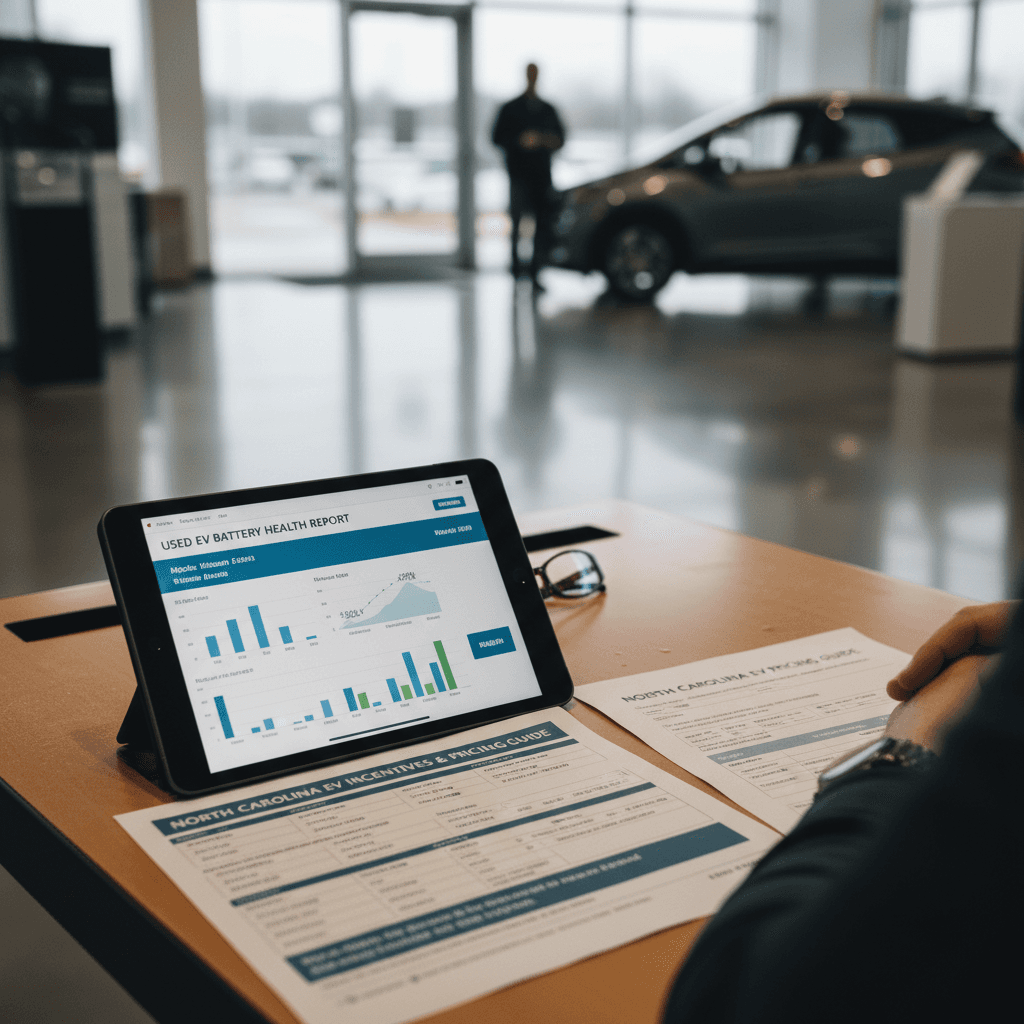
Step 1: Know the rules on tax credits, fees, and timing
The first way to save money buying an EV in North Carolina is to stop assuming there’s a massive, permanent tax credit waiting for you. Federal rules changed with the Inflation Reduction Act, and under the follow‑on "One Big Beautiful Bill" legislation, most federal EV purchase credits are scheduled to end around September 30, 2025. By early 2026, the easy $7,500 new‑EV coupons are largely gone for everyday buyers, and NC never added its own statewide rebate to replace them.
Key EV money dates NC shoppers should understand
These dates affect how much help you get from Washington when you buy or lease.
| Program | What it did | Status in early 2026 | Why it matters for you |
|---|---|---|---|
| Federal clean vehicle tax credit (new) | Up to $7,500 off qualifying new EVs at point of sale | Scheduled to end for most buyers after Sept 30, 2025 | If you bought before the deadline, you still claim it on your 2025 taxes, but it’s not something to count on going forward. |
| Federal used clean vehicle credit | Up to $4,000 off eligible used EVs bought from dealers | Also scheduled to sunset around late 2025 | Helped used EV shoppers who met income and price caps; mostly gone now. |
| "Lease loophole" credit | Let lessors claim the credit and pass savings into leases | Phasing out after Sept 30, 2025 | Leases may get more expensive as this disappears unless automakers subsidize them. |
| Home EV charger tax credit | Credit for 30% of hardware and installation costs, up to a cap | Available through June 30, 2026 for many homeowners | Still a very real way to reduce your charger and electrical‑work costs in North Carolina. |
Always confirm current dates and eligibility before you sign; rules can change mid‑year.
Don’t forget NC’s annual EV fee
If you’re shopping in **2026 or later**, your biggest tax‑linked savings will likely come from home charger tax credits and energy‑efficiency upgrades, not from the sticker price of the car itself. That steers you naturally toward used EVs and toward squeezing your charging costs, which we’ll come back to.
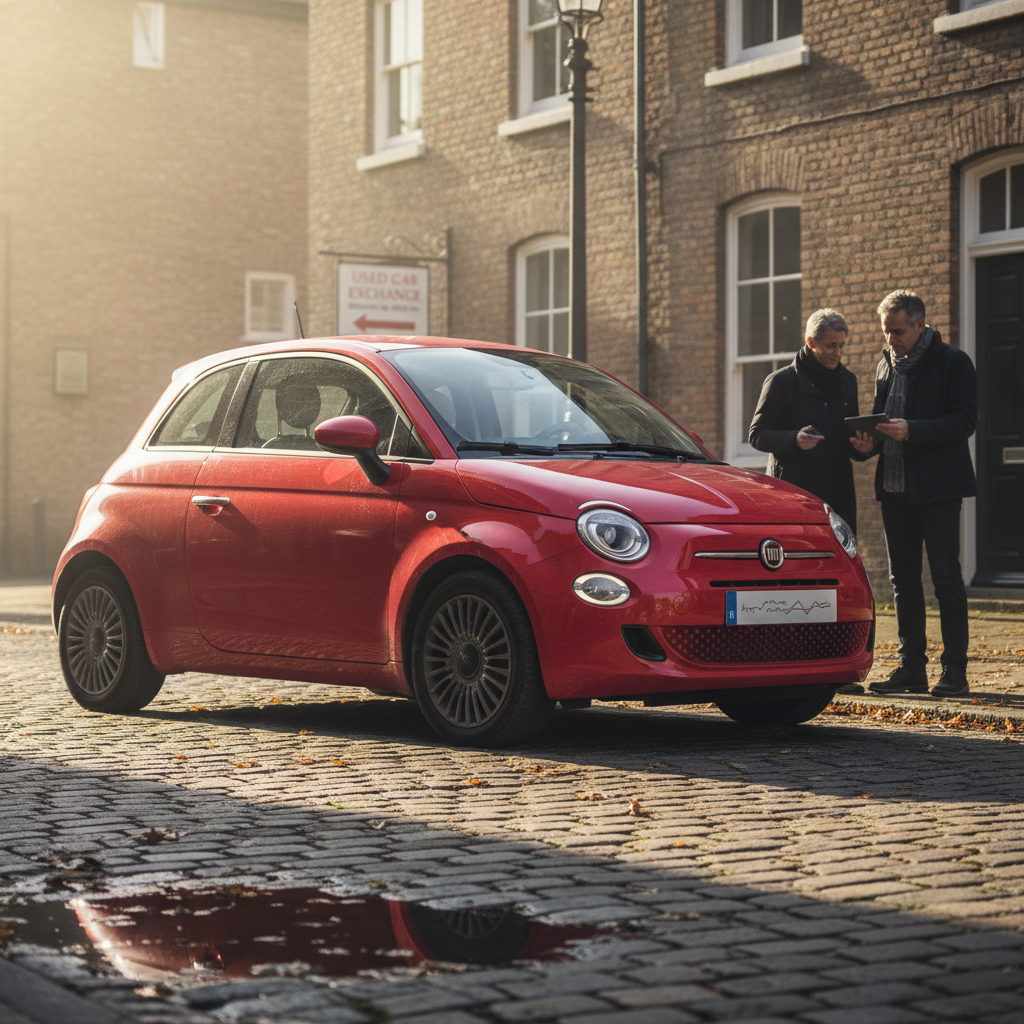
Step 2: Go used or nearly new to dodge the steepest depreciation
EVs have already lived through their version of the dot‑com crash. Sticker prices ballooned during the chip shortage, then came back to earth just as higher interest rates and expiring tax credits took the air out of the market. In practical terms, that means the clever North Carolina shopper lets someone else take the hit on the first three years, and buys the car once the panic has left the system.
Why used and nearly new EVs are the sweet spot in NC
You’re not just saving on price, you’re buying after the learning curve.
Massive upfront savings
Three‑ to five‑year‑old EVs in North Carolina often list tens of thousands below their original MSRP. That’s before negotiation, and before you factor in lower sales tax on a cheaper car.
Proven battery health
By 40,000–60,000 miles, most defective packs have already revealed themselves. A well‑cared‑for EV that still shows strong range at this point will usually age gracefully if you keep fast‑charging reasonable.
Lower risk, more data
With a used EV, you can see real‑world owner history: recalls completed, software quirks, and known weak points that early buyers had to discover the hard way.
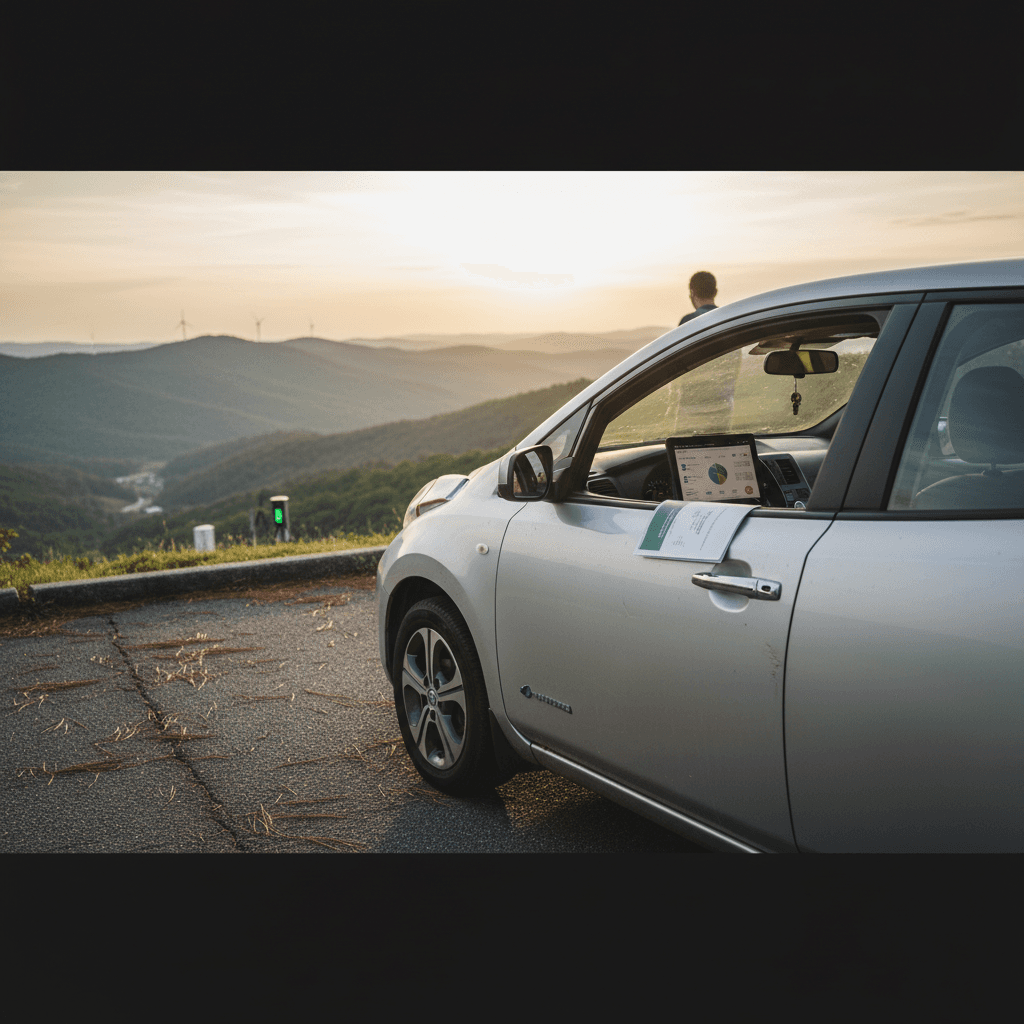
Use battery health to drive the price down
This is where a platform like Recharged is designed to save you money. Every vehicle on Recharged comes with a Recharged Score Report that includes verified battery health and fair‑market pricing based on current EV resale data. Instead of squinting at a generic Carfax and guessing what 8% degradation means for you, you get a clear picture of usable range and whether the asking price makes sense for North Carolina market conditions.
Step 3: Shop total cost of ownership, not just the sticker
Two cars at the same price can cost wildly different amounts to live with in North Carolina. Gas prices in the state are usually below the national average, but so are residential electricity rates, especially if you move onto one of Duke Energy’s off‑peak or EV‑friendly plans. To actually save money buying an EV here, you have to run the numbers out over several years.
What you pay up front
- Purchase price: New vs used, and whether the EV still shows any remaining federal or manufacturer incentives.
- Highway use tax: North Carolina’s flat vehicle sales tax (~3% of purchase price) applies whether you buy EV or gas.
- Dealer junk fees: The usual document, etching, and add‑on circus. These don’t care what powers the car.
- Home charging setup: Level 2 charger plus any panel or wiring upgrades, after rebates and tax credits.
What you pay every year
- Fuel vs electricity: In NC, home‑charged EV miles are often the equivalent of paying around $1–$1.25 per gallon.
- Registration fees: Extra statewide EV registration surcharge, divided over your years of ownership.
- Maintenance: EVs avoid oil changes, spark plugs, exhaust systems, saving hundreds per year.
- Insurance: Some EVs cost more to insure; shop quotes before you commit.
A simple NC rule of thumb
Step 4: Leverage Duke Energy and state home rebate programs
If the federal tax credits are walking offstage, your utility and state energy office are stepping in with smaller but still meaningful incentives. They don’t always shout about them, and the application pages can feel like they were designed in Netscape, but the money is real.
Three NC programs that quietly cut your EV costs
Exact availability can depend on your county and utility, always confirm for your address.
Duke Energy EV charger prep credits
Duke has been offering credits toward home EV charger installation work, covering a chunk of the panel, wiring, or outlet costs when you install a Level 2 charger. Think of it as a subsidy for the expensive part of the project, not the wall box itself.
Time‑of‑use & EV rate pilots
Duke’s off‑peak and EV‑specific rate plans give you cheaper electricity overnight in exchange for avoiding the late‑afternoon crunch. If you charge after roughly 9–11 p.m., your cost per mile can drop dramatically.
Energy Saver NC home rebates
Launched in 2025, Energy Saver North Carolina rolls out home energy rebates for things like panel upgrades and efficiency improvements. With the right timing, those upgrades can make EV charging easier and cheaper to wire in.
Stack credits the smart way
This is exactly the sort of maze most car dealers will not walk you through. At Recharged, EV specialists can help you understand which home‑charging incentives you’re likely to qualify for in your part of North Carolina, and how that should shape your budget. When you’re looking at two used EVs on the site, the "right" choice might be the one that lets you live happily on a 40‑amp home circuit you already have, not the one with the flashier badge.
Step 5: Beat the dealer on EV financing
When money was nearly free, it didn’t matter as much if you let the dealership handle financing. In 2026, with higher rates, the wrong loan can erase a lot of the savings you thought you were getting by buying electric. North Carolina shoppers, in particular, tend to focus on the monthly payment and ignore what’s hiding in the APR.
Financing moves that actually save money in NC
Get pre‑qualified before you shop
Check rates with your credit union, bank, or an online lender before you talk to a dealer. That number becomes your benchmark. Recharged can also help you <strong>pre‑qualify for EV‑specific financing</strong> without impacting your credit, so you compare offers with real leverage.
Compare APR vs. dealer "discounts"
Dealers love to trade a small price reduction for a higher APR. Run the math on total interest over the life of the loan. In many cases a slightly higher price with a much lower APR is the cheaper deal.
Aim for 60 months or less
Stretching your EV loan to 84 months might get you brag‑worthy monthly payments, but it usually means you’re upside‑down longer and paying much more interest. With used EVs that are already depreciated, a shorter term keeps you ahead of the curve.
Watch for add‑ons buried in the payment
GAP coverage, extended warranties, nitrogen in the tires, if it’s not something you’d happily write a separate check for, it shouldn’t be quietly rolled into the financing. Say no, and recalc the payment.
Where Recharged fits in
Step 6: Buy the *right* EV for North Carolina driving
Saving money on an EV in Phoenix is a different game than saving money in Boone or Wilmington. North Carolina’s mix of mild winters, humid summers, and long I‑40/I‑95 corridors means some EVs are quietly better financial fits than others, even at the same price.
Match your EV to how (and where) you drive in NC
The cheapest car to own is the one that fits your life without constant work‑arounds.
Triangle / Charlotte commuter
If you mostly do 20–60 mile days in Raleigh‑Durham, Charlotte, Greensboro, or Winston‑Salem, a used compact EV with 180–240 miles of real range is the money sweet spot. You’ll rarely need DC fast charging and can live on cheap overnight home juice.
Coastal / mountain weekender
If your life includes regular runs to the Outer Banks or Blue Ridge, don’t cheap out on range. A slightly higher‑priced EV with a bigger pack and stronger fast‑charge curve can save you time, hotel nights, and charging anxiety.
Occasional towing or rural driving
If you need a truck or SUV for light towing or long rural commutes, factor in higher energy use at highway speeds. A deal on a small‑battery EV that’s constantly near empty is no deal. Think carefully about usable range at 75 mph with A/C on.
NC climate is your quiet ally
On Recharged, every listing includes an estimate of real‑world range based on battery health and driving conditions, not just the original EPA number. That’s what you should compare to your longest normal day, plus a cushion. If you routinely drive 80 miles round‑trip, a car with a realistic 180‑mile range is more than enough in NC; paying thousands extra for 320 miles may never pencil out.
Step 7: Avoid these North Carolina EV money‑pit mistakes
- Buying a bargain‑priced EV with a badly degraded battery that forces you into constant DC fast charging on I‑40.
- Ignoring the annual North Carolina EV registration fee when comparing total ownership costs to a hybrid or efficient gas car.
- Skipping a proper charger installation and living on extension cords and 120V outlets, which can be inconvenient and even unsafe.
- Leasing an EV in late 2025 or 2026 on the assumption that federal lease‑related credits will last forever.
- Paying new‑car money for an EV whose tech and range will feel old in three years, instead of letting someone else absorb that depreciation.
The one non‑negotiable: battery due diligence
North Carolina EV buyers’ savings checklist
From first Google search to plugging in at home
1. Confirm which incentives still exist for you
Check current federal deadlines, Energy Saver NC rollout in your county, and any Duke Energy EV programs you can join. Adjust your budget assuming <strong>no big purchase rebate</strong>, then treat any you find as upside.
2. Decide: used vs nearly new
Run the numbers on a 3–5‑year‑old EV versus a brand‑new one. Include depreciation, interest rate differences, and how long you realistically plan to keep the car.
3. Get pre‑qualified for financing
Use your bank, credit union, or Recharged’s financing tools to understand your real interest rate options before test‑drives. Set a hard cap on monthly payment and total interest.
4. Narrow to models that fit NC driving
Based on your commute, road‑trip habits, and climate, pick a target range window and body style. Cross off anything that would force you to change your life to suit the car.
5. Lock in your home charging plan
Get quotes from electricians for a Level 2 install, ask Duke about rate plans and charger credits, and map out which rebates or tax credits apply. Don’t sign for the car until you know where it will charge and what that will cost per kWh.
6. Use battery health as your price compass
On a used EV, always look at verified battery health and projected range first, price second. If those numbers don’t line up, keep walking, North Carolina’s used EV inventory is growing, and you have options.
FAQs: Saving money on an EV in North Carolina
Frequently asked questions for NC EV shoppers
Bottom line: How to stack the deck in your favor
North Carolina is never going to be the place where the DMV hands you a giant gold check for buying an EV. That’s fine. The state quietly rewards patient, well‑informed shoppers instead. If you buy used or nearly new, keep your eye on total cost of ownership, plug into Duke’s off‑peak and charger‑prep programs, and let the remaining federal and Energy Saver NC incentives chip away at your home‑charging bill, you can end up thousands of dollars ahead over the life of the car.
The trick is to treat the EV not as a gadget but as infrastructure: something you’ll live with for years, through hurricanes, pollen seasons, and 4 p.m. I‑40 traffic. Spend your energy up front on battery health, smart financing, and the right charging setup, and the monthly savings will quietly take care of themselves. Platforms like Recharged exist to make that homework radically easier, so you can enjoy guilt‑free, low‑cost miles from the mountains to the coast without wondering what you missed in the fine print.