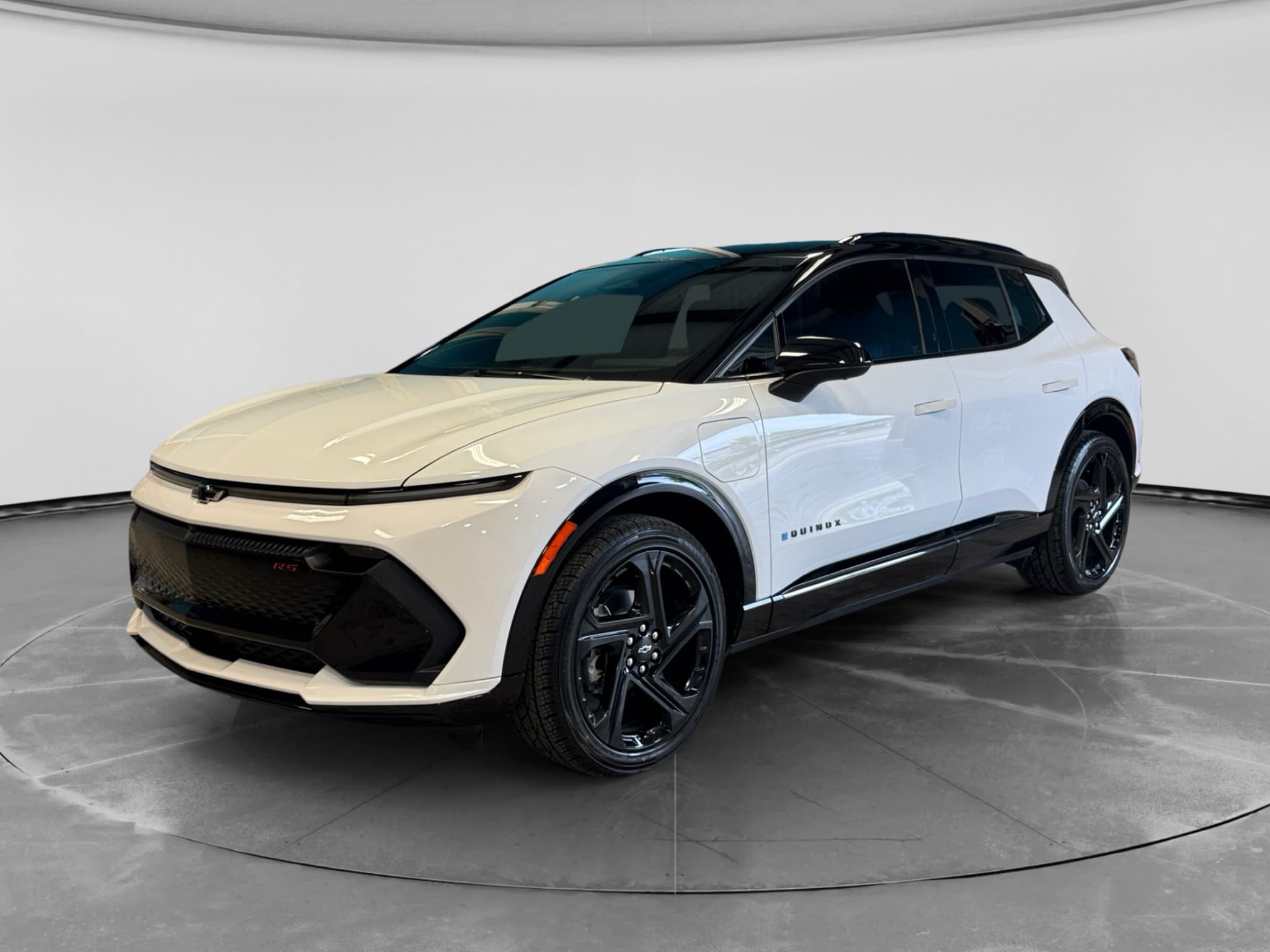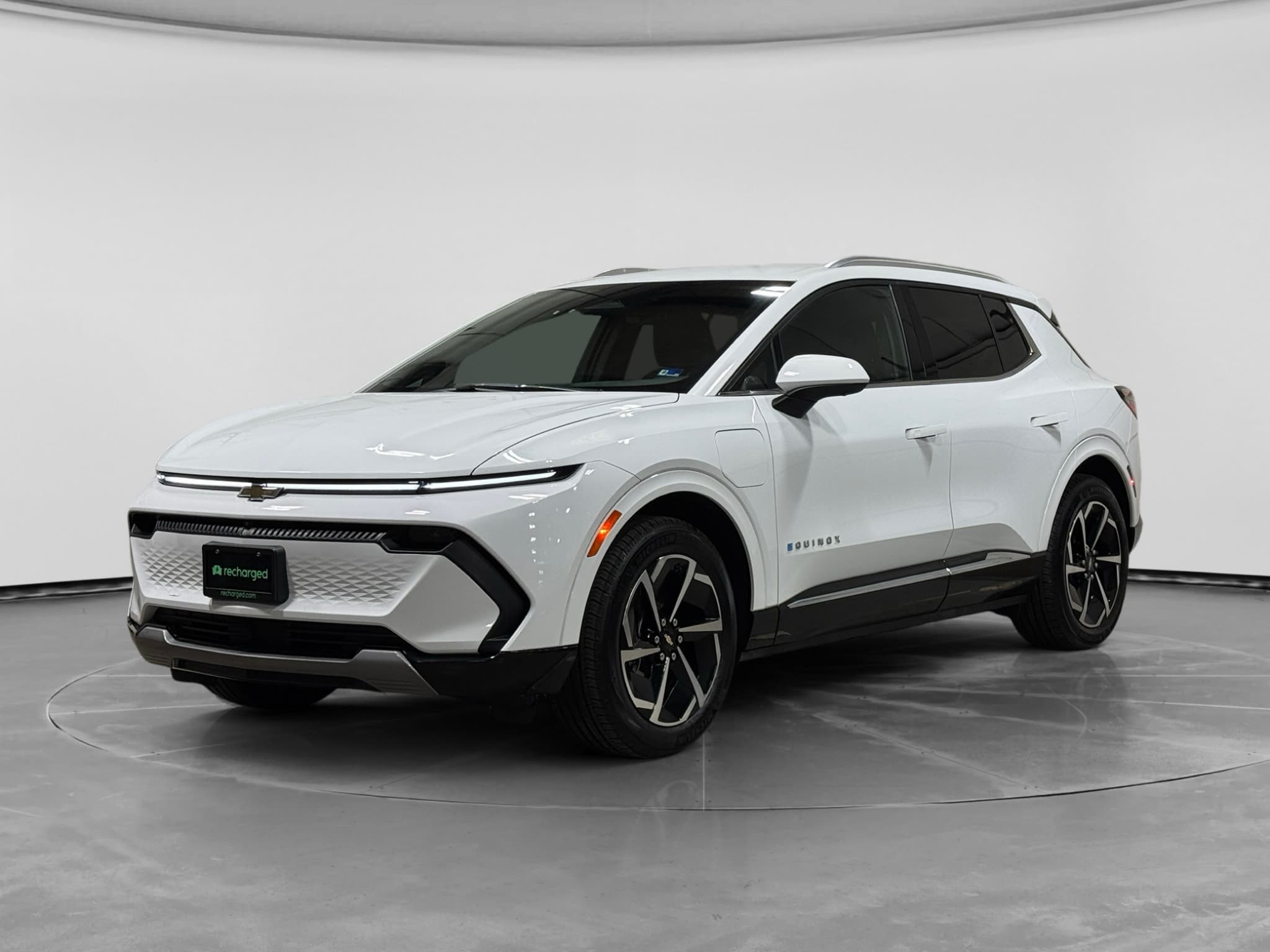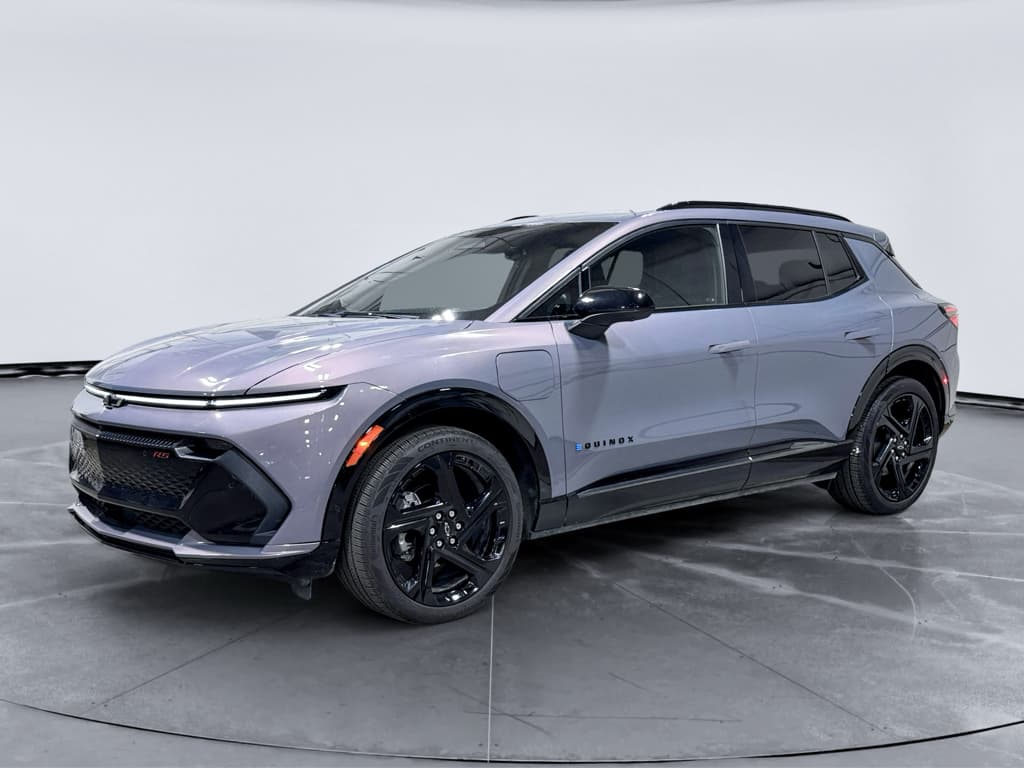
The 2025 Chevrolet Equinox EV makes a sensible used purchase when you want electric range, a roomy cabin, and a technology-forward interior without buying new. More importantly, Recharged's model-level inspection data gives you concrete battery and range benchmarks instead of relying only on an advertised estimate. The final decision should still depend on the specific vehicle's Recharged Score Report, condition, equipment, and asking price.
What does Recharged battery and range data show?
Recharged's battery diagnostics show that the Equinox EVs we've inspected have generally retained substantial usable capacity. Across 57 Chevrolet Equinox EVs, tested remaining battery capacity averaged and had a median of 95.3% of original capacity; individual results ranged from 88.8% to 99.5%. These are model-level results rather than a guarantee for every 2025 vehicle, which is why you should review the individual car's report and understand how used-EV battery health is measured.
Tested real-world range averaged 303 miles, with a median of 304 miles and results spanning 271 to 318 miles across the same Recharged inspection sample. That spread matters because EV range changes with battery condition, temperature, speed, tires, climate-control use, and driving style. The takeaway is straightforward: the model has produced strong tested range in Recharged inspections, but the specific car's diagnostic result is more useful than a badge or odometer reading alone.
Recharged data
Used Chevrolet Equinox-EV battery health
95%
avg remaining capacity
From Recharged battery inspections, not manufacturer estimates.
- Lowest
- 89%
- Median
- 95%
- Highest
- 100%
- Est. range
- 303 mi avg
- Cell balance pass
- 100%
Average cell imbalance: 3.0 mV
Based on vehicles Recharged tested
Recharged data
Used Chevrolet Equinox-EV prices at Recharged
$27,760
median list price
Current list prices for matching inventory at Recharged.
- Lowest
- $24,997
- Average
- $27,749
- Highest
- $31,485
Average Recharged Score on these listings
4.8 / 5
Range
4.7 – 4.8
Based on available listings
Every EV is battery-tested with a Recharged Score. Nationwide delivery.
The current used-price picture
Current Recharged listings position the Equinox EV as an accessible late-model electric crossover, although the right price depends on equipment, mileage, condition, and battery results. Among 10 matching EVs listed on Recharged on September 22, 2026, asking prices averaged $27,749 and had a median of $27,760. The live asking-price range ran from $24,997 to $31,485; these are listing prices, not completed transaction prices, and they can change as inventory turns over.
Compare like with like
What is the Equinox EV like to use every day?
The Equinox EV emphasizes cabin space, visible technology, and flexible storage rather than asking you to adapt to a minimalist interior. In a Recharged walkaround of a closely related 2024 example, the team highlighted an 11-inch driver-information display, a 17.7-inch center screen, more than 26 cubic feet of cargo capacity, and folding 60/40 rear seats. Equipment can vary by model year and configuration, so use those details as a guide and confirm what is installed on the 2025 vehicle you're considering.
That walkaround also demonstrated remote climate start, an available power liftgate, driver-assistance features, and battery preconditioning for fast charging. Battery preconditioning heats or cools the battery toward a more favorable temperature before a DC fast-charging stop, helping the vehicle prepare to accept power. Check that the function is present and operating on the exact used vehicle rather than assuming every configuration includes identical hardware or software.
The cabin is where the Equinox EV makes an immediate case for itself: the large displays, roomy rear seat, flexible cargo area, and battery-preconditioning controls are useful every day. On a used one, we still confirm the installed equipment and battery results on the individual vehicle rather than relying on the model name alone.
What should you inspect before buying?
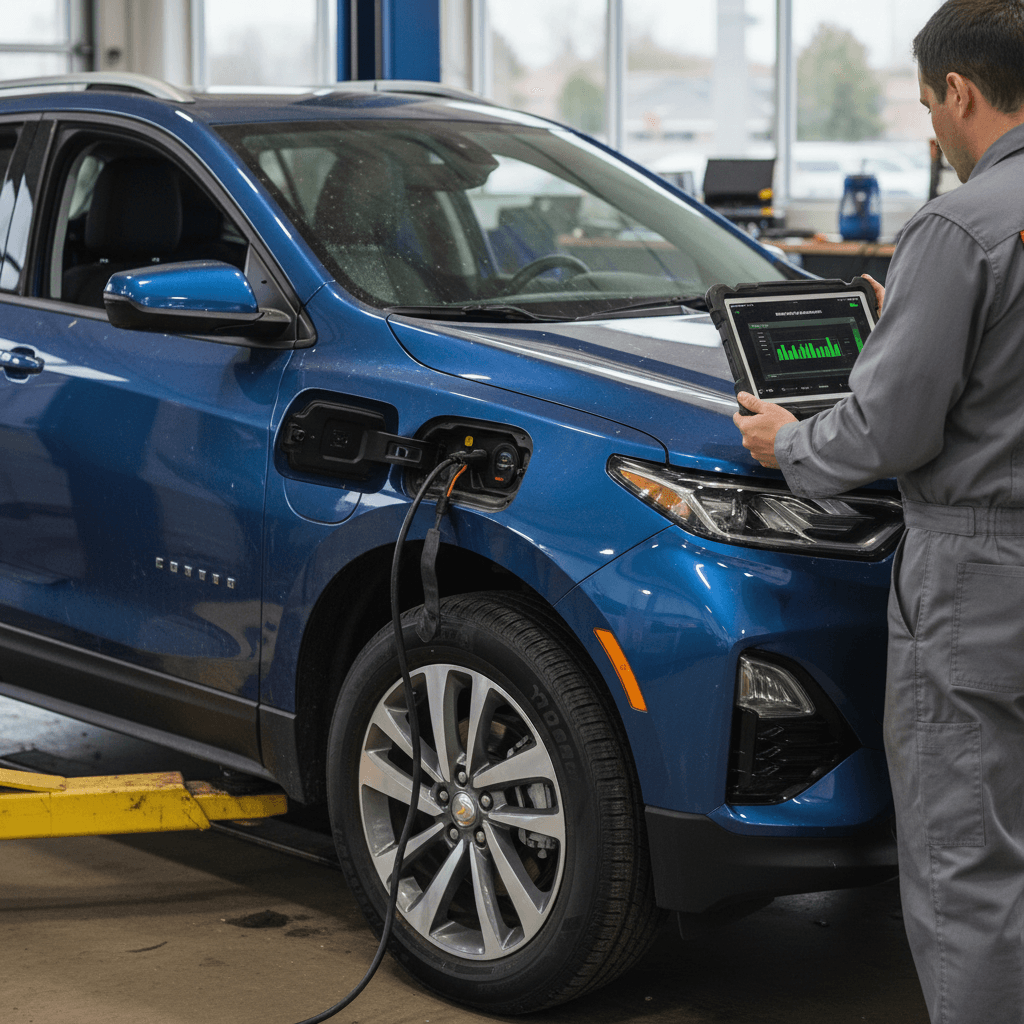
A used Equinox EV should pass battery, charging, equipment, and conventional vehicle-condition checks before you commit. Start with a verified battery diagnostic, then compare its tested capacity and range with the Recharged benchmarks above. A broader used-EV buying checklist can help you organize the inspection and test drive.
Used Equinox EV inspection checklist
Read the battery report
Check tested remaining capacity and estimated real-world range for the individual vehicle, not just the model average.
Test both charging paths
Confirm AC charging and DC fast charging work correctly. If you'll charge at home, Level 2 means a higher-power 240-volt setup rather than a standard household outlet.
Verify battery preconditioning
Open the charging settings and confirm the feature is present and functions as expected before a fast-charging stop.
Check screens and software
Test the driver display, center touchscreen, cameras, climate controls, phone functions, and driver-assistance settings.
Confirm installed equipment
Verify the liftgate, remote climate functions, seat materials, wheels, keys, charging cable, and other advertised features.
Inspect tires and body condition
Look for uneven tire wear, wheel damage, alignment symptoms, paint repairs, underbody damage, and incomplete service records.
Match the car to your charging routine
Who should buy a used Equinox EV?
A used Equinox EV best fits drivers who want a roomy electric crossover, strong tested range, a conventional-feeling cabin, and substantial screen-based technology. Recharged's battery results are encouraging for shoppers focused on long-term usability, while the current asking-price range gives you a concrete starting point for comparing individual vehicles. It is especially worth considering when your regular driving and charging routine fit within the vehicle's tested range; see how real-world EV range changes before deciding how much buffer you need.
You should pause if the vehicle lacks a clear battery report, if its tested result sits well below comparable cars without an explanation, or if important advertised features don't work during the test drive. You should also verify any configuration-specific requirement, such as drivetrain, wheel size, driver-assistance equipment, cargo needs, or charging behavior, on the actual vehicle. The model-level data can narrow your search, but it cannot replace a vehicle-specific inspection.
Instant offer, trade-in, or consignment. Pickup available.
Used Chevrolet Equinox EV FAQ
The verdict
The Chevrolet Equinox EV earns a positive used review because Recharged's inspected examples combine high average remaining battery capacity with tested range above 300 miles on average. Current asking prices also put late-model examples within reach of shoppers who might otherwise consider a smaller or older EV. Buy the individual vehicle, not just the model reputation: compare its Recharged Score Report, tested range, equipment, condition, and price before signing.